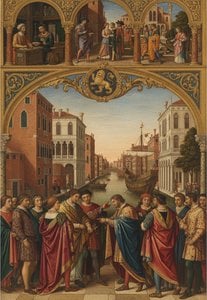
L'Architetto del Barocco Bolognese
Nel cuore vibrante e intellettuale di Bologna, una città dove la tradizione rinascimentale incontrava lo spirito nascente di una nuova era, Ludovico Carracci emerse come una forza trasformativa nell'arte europea. Nato nel 1555, la sua vita fu indissolubilmente legata alle fondamenta stesse della Scuola Bolognese. Come parte dell'illustre famiglia Carracci, insieme ai suoi cugini Annibale e Agostino, Ludovico non si limitò a partecipare a un movimento artistico; egli contribuì a progettare la transizione dall'eleganza stilizzata e spesso artificiale del Manierismo al profondo naturalismo emotivo del Barocco. I suoi primi anni furono plasmati dalla bottega di suo padre, Prospero Carracci, un ambiente che funse da crogiolo per la sperimentazione e santuario per lo studio del disegno—la meticolosa osservazione della forma e dell'anatomia che sarebbe diventata il marchio distintivo della sua eredità.
Mentre i suoi cugini cercavano spesso la fama nelle grandi corti di Roma, Ludovico rimase profondamente radicato nella sua Bologna natale. Questo legame costante gli permise di coltivare un unico rifugio artistico, dirigendo un'accademia che divenne un faro per la generazione successiva di maestri, tra cui Guido Reni e Domenichino. La sua opera rappresenta una sintesi magistrale di influenze storiche; egli attinse dalla grazia divina di Raffaello, dalla morbida luminosità di Correggio e dal ricco colorismo di Tiziano, infondendo tuttavia questi elementi classici con una nuova, drammatica vitalità. Rifiutando le pose allungate e spesso forzate dei pittori manieristi tardi come Parmigianino, Ludovico abbracciò una realtà più viscerale, utilizzando gesti audaci e una luce atmosferica e tremolante per scuotere l'anima dei suoi spettatori.
Luce, Ombra e Intensità Spirituale
Il vero genio di Ludovico Carracci risiede nella sua capacità di manipolare il chiaroscuro—il drammatico intreccio di luce e ombra—affinché fungesse da tramite per la contemplazione spirituale. Le sue tele sono raramente semplici rappresentazioni di eventi biblici; sono esperienze immersive progettate per evocare fervore religioso. In opere come Un angelo libera le anime del Purgatorio, si può testimoniare come il suo uso della luce non si limiti ad illuminare una scena, ma partecipi attivamente alla sua narrazione, scolpendo figure dall'oscurità per evidenziare momenti di compassione e grazia divina. Questa tecnica, che ricorda il nascente naturalismo di Caravaggio, gli permise di infondere anche i soggetti più sacri con un'emozione umana e palpabile.
La sua maestria si estese a vari media, dalla scala monumentale degli affreschi alla delicata precisione di acqueforti e stampe. Che stesse catturando la serena santità della Presentazione al Tempio o la tensione muscolare ed eroica del suo Nudo maschile (Ercole?), vi è un filo costante di profondità emotiva che percorre tutta la sua opera. I suoi dipinti religiosi, come la Madonna Bargellini, mostrano una capacità di organizzare complessi gruppi di santi e angeli in composizioni armoniose ma dinamiche, dove ogni piega del drappeggio e ogni inclinazione della testa contribuisce a un più ampio senso di movimento celeste.
Un'Eredità Duratura nel Canone Italiano
L'importanza storica di Ludovico Carracci non può essere sopravvalutata. Fu una figura cruciale che aiutò a rivitalizzare l'arte italiana in un momento in cui rischiava di ristagnare sotto il peso delle proprie tradizioni formalistiche. Promuovendo uno stile che privilegiava la verità emotiva e l'osservazione naturalistica, egli fornì il modello per i successivi e più celebrati traguardi dell'era Barocca. La sua influenza si irradiò da Bologna, plasmando il linguaggio estetico di gran parte d'Europa e fornendo le fondamenta per quel naturalismo classico che avrebbe dominato il XVII secolo.
Riflettendo sulla sua vita e sulla sua opera, vediamo un artista che ha saputo unire con successo due mondi: la perfezione strutturata del Rinascimento e l'energia drammatica e teatrale del Barocco. La sua capacità di coniugare il rigore intellettuale del disegno con un profondo senso del colore e della risonanza emotiva assicura il suo posto tra i pittori più vitali della sua epoca. Attraverso la devozione alla sua arte e l'impegno verso il potere spirituale della pittura, Ludovico Carracci ha lasciato un segno indelebile nella storia dell'arte occidentale, ricordandoci che la vera bellezza risiede nell'intersezione tra maestria tecnica e cuore umano.
Domande e risposte
Di dove è Ludovico Carracci?
Ludovico Carracci è nato/a in Italia.
Posso sfogliare le opere di Ludovico Carracci in base alla palette di colori?
La pagina Per palette di colori raggruppa le opere di Ludovico Carracci in base alle loro palette di colori.
Dove posso trovare statistiche relative alle opere di Ludovico Carracci?
La pagina Statistiche di Ludovico Carracci presenta statistiche calcolate a partire dalle opere dell'artista elencate su questo sito web.