


 Anteprima in scala reale
 Condividi
 Condividi
 Dettagli
 Guida
Guida

 Scarica
 Articoli simili
 Radiografia
 Slideshow
 Statistiche
The Table Setting
 Oil
Oil- WallArt
- Post-Impressionism
 1903
1903- Modern
 37.0 x 61.0 cm
 Leggi tutto
Giclée / Stampe d'arte
Stampa giclée o su tela di qualità museale, con produzione rapida e diverse opzioni di finitura. ( Ordina la riproduzione dipinta a mano Passa all'immagine digitale)




P118B $10

P118H $10

P118W $10

P438Z $10

P508JH $12

P508YH $12

P805H $10

P805Z $10

P919BZ $10

P919G $10

P919XJ $10

P959ZH $10

P968JZ $12

W106C $8

W218G $10

W218JH $8

W218Y $10

W307PJ $10

W316G $10

W316PJ $8

W316Y $10

W398PJ $8

W4111J $10

W500HY $15

W500JH $15

W692G $12

W849H $8

W940BG $15

W953PJ $8




Scegli tra le nostre dimensioni predefinite, che rispettano le proporzioni originali dell'opera d'arte.

È possibile inserire dimensioni personalizzate per adattare l'opera a una cornice o a uno spazio specifico. Se la dimensione selezionata non corrisponde alle proporzioni dell'immagine originale, procederemo al ritaglio dell'opera o all'estensione dell'immagine con un bordo specchiato o a tinta unita. Un mockup digitale ti verrà inviato per approvazione prima dell'inizio della produzione.
Si prega di notare che l'anteprima a schermo non riflette il ritaglio o l'estensione effettivi. Solo il mockup mostrerà accuratamente la composizione finale.
Sebbene siano disponibili dimensioni personalizzate, si raccomanda di selezionare una dimensione dall'elenco predefinito per preservare le proporzioni originali.
Consegna in tutto il mondo () in 2 settimane invece delle normali 4/5 settimane. (24 Settembre)

Spedizione espressa gratuita in tutto il mondo

Tela in lino di alta qualità

Assicurazione completa sulla spedizione

Garanzia di rimborso dei dazi doganali

Garanzia di perfetta fedeltà cromatica

Politica di reso entro 100 giorni (solo per difetti di fabbricazione)

Garanzia di rimborso al 100%

Sconto per acquisti multipli
 L'opzione vetro è disponibile solo per dimensioni inferiori a 110 cm

The Table Setting
Giclée / Stampe d'arte
Dimensioni della riproduzione
-


Prezzo totale
$ 62
An Intimate Encounter with Post-Impressionist Serenity
In the quiet corners of art history, few works capture the essence of domestic tranquility as masterfully as Jean Edouard Vuillard’s 1903 masterpiece, The Table Setting. This exquisite painting invites the viewer into a private, hushed moment, where the boundaries between the observer and the observed begin to dissolve. As a prominent figure within the Nabis movement, Vuillard possessed a singular ability to transform mundane, everyday scenes into profound explorations of light, pattern, and atmosphere. The scene presented is not merely a dining room prepared for a meal; it is a carefully orchestrated stage where color and form dance in a silent, rhythmic harmony, evoking a sense of warmth that resonates deeply with anyone seeking to bring a touch of soulful elegance into their own living space.
The composition of The Table Setting is a triumph of spatial arrangement and subtle complexity. At first glance, the eye is drawn to the meticulously arranged tableware—the delicate curves of wine glasses, the solid presence of bowls, and the reflective surfaces of plates. Yet, as one lingers, the true magic of Vuillard’s technique reveals itself through the layering of shapes and the interplay of depth. The placement of chairs, some receding into the soft shadows of the room while others press toward the foreground, creates a captivating sense of perspective that pulls the viewer into the heart of the home. Scattered books and a solitary, elegant vase act as quiet anchors within the composition, suggesting a life lived with intellectual curiosity and aesthetic grace. This careful arrangement transforms a simple interior into a rich tapestry of textures and memories.
The Language of Color and the Nabis Legacy
Technically, The Table Setting serves as a brilliant testament to the Post-Impressionist evolution toward abstraction. Influenced by the flattened planes of Japanese woodblock prints, Vuillard utilizes bold colors and geometric structures to build a sense of intimacy rather than mere photographic realism. His brushwork, though detailed enough to capture the fine edges of porcelain, is fundamentally concerned with the emotional weight of color. The palette is a sophisticated blend of tones that evoke a cozy, inviting ambiance, making the painting an ideal centerpiece for interior designers looking to add depth and character to a room. There is a rhythmic quality to the way patterns interact—the cloth on the table, the silhouettes of the furniture, and the soft light filtering through the space all work together to create a cohesive, immersive experience.
For the discerning collector or art enthusiast, owning a high-quality reproduction of this work offers more than just decoration; it offers an emotional sanctuary. The Table Setting embodies the transition from the fleeting impressions of Monet to the structured, symbolic depth that would later pave the way for Cubism and Fauvism. It is a piece that speaks to the beauty of the "intimate interior," a theme Vuillard mastered to perfection. Whether placed in a sunlit breakfast nook or a sophisticated dining hall, this painting serves as a timeless reminder of the profound beauty found in life's quietest, most domestic moments, making it an indispensable treasure for any curated collection.
Opere correlate


Biografia dell'artista
Jean-Édouard Vuillard: Un Intimo del Colore e dell’Anima
Jean-Édouard Vuillard, nato a Cuiseaux nel 1868 e scomparso a La Baule nel 1940, fu un pittore francese di straordinaria sensibilità, considerato uno dei massimi esponenti del movimento Nabi. Il suo lavoro, profondamente intimo e ricco di suggestioni, ha rivoluzionato la percezione degli interni domestici e della vita quotidiana, anticipando molti concetti chiave dell’arte moderna. Vuillard non fu un pittore di scene grandiose o di eroi epici; il suo universo si concentrò sulla resa delicata e spesso enigmatica delle piccole cose, dei momenti fugaci, delle emozioni silenziose che permeano la vita privata.- Le Origini: Cresciuto in una famiglia di artisti – suo padre era un ex ufficiale della marina e sua madre una sarta esperta – Vuillard fu esposto fin da giovane al mondo del tessuto e dei colori, elementi che avrebbero profondamente influenzato la sua poetica pittorica.
- L’Accademia e il Gruppo Nabi: Dopo aver frequentato il Lycée Condorcet a Parigi, dove conobbe figure chiave come Maurice Denis e Pierre Bonnard, Vuillard si iscrisse all'École des Beaux-Arts, ma presto si sentì escluso dal rigido sistema accademico. Fu proprio in questo contesto di ribellione che entrò in contatto con il gruppo Nabi, un collettivo di artisti che cercava di superare l’imitazione della realtà e di esprimere la propria interiorità attraverso il colore e la forma.
- Gli Interni: Vuillard è famoso soprattutto per le sue rappresentazioni degli interni domestici, che non sono semplici scene di vita quotidiana, ma piuttosto ritratti dell’anima umana. Le sue case, i salotti, le camere da letto, i giardini, diventano spazi simbolici in cui si riflettono le emozioni e i pensieri dei personaggi che li abitano.
- I Ritratti: Vuillard realizzò anche numerosi ritratti, caratterizzati da una profonda sensibilità psicologica e da un’attenzione particolare alla resa delle espressioni del viso. I suoi ritratti non sono solo rappresentazioni fisiche dei soggetti, ma piuttosto interpretazioni della loro personalità e del loro stato d'animo.
Esplora l'arte di Jean-Édouard Vuillard
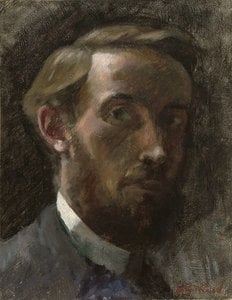
Jean-Édouard Vuillard
1868 - 1940 , Francia
Informazioni rapide
- Artistic Movement Or Style: Nabis
- Artists Who Influenced This Artist: ['Paul Gauguin']
- Date Of Birth: November 11, 1868
- Date Of Death: June 21, 1940
- Full Name: Jean-Édouard Vuillard
- Nationality: French
- Notable Artworks:
- Woman Sweeping
- Sunlit Interior
- Place Of Birth: Cuiseaux, France
Articoli correlati

Beyond the Brush: A Visual Journey Through the Emotional Brilliance of Post-Impressionism
Embark on a visual journey through Post-Impressionism. Discover the emotional depth of Van Gogh and Cézanne, explore the tactile beauty of impasto, and learn how to bring these vibrant, soulful masterpieces into your home with expert art curation and custom hand-painted reproductions.

I 10 Capolavori Post-Impressionisti che Hanno Rivoluzionato l'Arte e la Decorazione d'Interni
Esplora i 10 capolavori del Post-Impressionismo con Van Gogh, Monet e Cézanne. Scopri le storie dietro questi dipinti iconici e lasciati ispirare per la tua decorazione d'interni. Stampe su tela di alta qualità su !

Cultivating Ambiance: Selecting Art Reproductions for the Dining Room – A Historical & Aesthetic Guide
Elevate your dining room with expertly curated art reproductions! Explore historical context, aesthetic considerations & modern applications for a captivating space. Discover the perfect artwork to inspire conversation and enhance every meal.

Intimate Interiors: Domestic Life & Artistic Representation from Renaissance to Impressionism
Explore the evolution of domestic life in Western art from the Renaissance to Impressionism. Discover symbolism, realism & artistic techniques shaping intimate interior scenes. Learn more with ArtsDot.

Impressionismo e Postimpressionismo: Evoluzione, Caratteristiche Distintive e Influenze Reciproche
Esplora l'evoluzione dell'Impressionismo e del Postimpressionismo con la nostra guida esperta. Scopri i maestri, le tecniche e l'influenza di questi movimenti artistici rivoluzionari.


