


 Anteprima in scala reale
 Condividi
 Condividi
 Dettagli
 Guida stampabile

 Scarica
 Articoli simili
 Radiografia
 Slideshow
 Statistiche
Forest Landscape
 Etching
- Baroque
 1643
1643- Early Modern
 27.0 x 32.0 cm
 Museo delle Belle Arti
 Leggi tutto
Giclée / Stampe d'arte
Stampa giclée o su tela di qualità museale, con produzione rapida e diverse opzioni di finitura. ( Ordina la riproduzione dipinta a mano Passa all'immagine digitale)




P118B €10

P118H €10

P118W €10

P438Z €10

P508JH €12

P508YH €12

P805H €10

P805Z €10

P919BZ €10

P919G €10

P919XJ €10

P959ZH €10

P968JZ €12

W106C €8

W218G €10

W218JH €8

W218Y €10

W307PJ €10

W316G €10

W316PJ €8

W316Y €10

W398PJ €8

W4111J €10

W500HY €15

W500JH €15

W692G €12

W849H €8

W940BG €15

W953PJ €8




Scegli tra le nostre dimensioni predefinite, che rispettano le proporzioni originali dell'opera d'arte.

Inserisci la larghezza e l'altezza desiderate, per adattarle alla tua cornice o alla tua parete. Una stampa può essere solo ritagliata, mai resa più grande dell'immagine originale; pertanto, un formato con una forma differente comporterà la perdita di una parte dell'opera. Ti invieremo un mockup digitale da approvare prima di procedere con la stampa. L'immagine mostrata in questa pagina non rappresenta il ritaglio reale — solo il mockup lo mostra.
Consegna in tutto il mondo () in 2 settimane invece delle normali 4/5 settimane. (23 Ottobre)

Spedizione espressa gratuita in tutto il mondo

Tela in lino di alta qualità

Assicurazione completa sulla spedizione

Garanzia di rimborso dei dazi doganali

Garanzia di perfetta fedeltà cromatica

Politica di reso entro 100 giorni (solo per difetti di fabbricazione)

Garanzia di rimborso al 100%

Sconto per acquisti multipli
 L'opzione vetro è disponibile solo per dimensioni inferiori a 110 cm

Forest Landscape
Giclée / Stampe d'arte
Dimensioni della riproduzione
-


Prezzo totale
€ 54
A Journey into the Italianate Dream
To gaze upon this depiction of a forest landscape is to step across the threshold of time, transported to the sun-dappled, yet subtly shadowed corners of Italia in the early seventeenth century. This piece captures the very essence of the Dutch fascination with the Mediterranean world—a yearning for the classical grandeur and luminous atmosphere that beckoned Northern European artists away from their familiar northern skies. It speaks volumes about the cultural currents of the time, when study trips to Italy were not merely leisure pursuits but vital academic pilgrimages for painters seeking mastery.
The Hand of Jan Both: Mastering Mediterranean Light
Created around 1643 by Jan Both, this work places us squarely within his mature period. Both was a key figure in the "Dutch Italianate" movement, an artistic current defined by its deep absorption of Roman and Venetian landscape ideals. While the subject matter is profoundly natural—a gently sloping hillside descending toward placid waters, framed by dense, brooding foliage—the execution reveals a meticulous technical prowess. The style leans heavily into the detailed realism characteristic of Dutch Golden Age drawing or etching. Notice how the lines themselves become carriers of light and shadow; they are not merely outlines but carefully modulated tonal passages built through expert hatching and cross-hatching.
Technique and Atmosphere: An Etcher's Precision
The physical evidence suggests a technique rooted in drypoint or fine etching upon copper plate. This medium allowed Both to achieve an astonishing level of linear precision, giving the forest its palpable texture. The light is not harsh; rather, it is diffused, suggesting the soft veil of an overcast day or the deep cool shade beneath a canopy. This masterful handling of shadow creates an incredible sense of depth—a visual recession where foreground details give way to atmospheric haze in the distance. The organic shapes of the trees and the water’s edge are rendered with such care that one can almost hear the quiet murmur of the stream.
Symbolism of Solitude and Nature's Embrace
Beyond its technical brilliance, the painting resonates with profound emotional undertones. The subtle inclusion of small figures wandering through the woods transforms the scene from a mere topographical study into a meditation on human experience. These travelers seem absorbed in their own contemplation, dwarfed by the immensity and tranquility of nature. This quietude speaks to an era grappling with both intense artistic patronage (as Both himself experienced) and a growing appreciation for the sublime power of the natural world—a refuge from the bustling life of the city.
Bringing the Italianate Spirit Home
For the collector or designer, this reproduction offers more than just decoration; it offers an atmosphere. It is a window into scholarly aspiration, a celebration of masterful draftsmanship, and an invitation to pause. The deep greens, muted earth tones, and the silvery quality of the water lend themselves beautifully to creating a space that feels both historically rich and serenely contemporary—a perfect anchor for any room seeking the quiet dignity of a classical landscape.
Domande e risposte
Qual è il colore dominante di "Forest Landscape" di Jan Both?
Il colore dominante di "Forest Landscape" di Jan Both è Black (#050504).
Quale soggetto e quale atmosfera combinano "Forest Landscape" di Jan Both?
"Forest Landscape" di Jan Both unisce forest landscape, dutch art, 17th century scene, serene nature, detailed drawing, italian influence, monochromatic tone con un'atmosfera Serene.
In quale periodo è stata realizzata "Forest Landscape" di Jan Both?
Il periodo storico di "Forest Landscape" di Jan Both è Early Modern. Questa classificazione colloca l'opera all'interno della storia dell'arte.
Opere correlate


Biografia dell'artista
Jan Both (1610-1652): Maestro della Luce Mediterranea
Jan Dirksz Both fu un pittore, disegnatore e incisore olandese che emerse come una delle figure più preminenti del nascente movimento paesaggistico "italianeggiante" durante l'Età dell'Oro olandese. Nato intorno al 1615/1618 a Utrecht, era il fratello minore di Andries Both; il loro padre, Dirck Both, un pittore di vetri o vetraio, trasmise in loro un precoce apprezzamento per l'artigianato artistico. Sebbene i dettagli biografici rimangano in parte scarsi, le ricerche accademiche suggeriscono che la formazione di Jan comprendesse l'istruzione di maestri come Abraham Bloemaert e Gerrit van Honthorst, collocandolo tra gli artisti più influenti del suo tempo.- Giovinezza e Formazione: Gli anni formativi di Both si svolsero a Utrecht, dove affinò le sue abilità accanto al fratello Andries, assorbendo le tecniche derivanti dalla pratica vetraria del padre, un mestiere profondamente radicato nelle tradizioni fiamminghe.
- L'Influenza Romana: Intorno al 1638, Jan e Andries intrapresero un viaggio trasformativo verso Roma passando per la Francia, immergendosi nel fervore artistico della corte papale e incontrando luminari come Bloemaert e Gerrit van Honthorst. Questa esposizione plasmò profondamente le loro sensibilità stilistiche.
Lo Stile Romanico e la Collaborazione con Lorrain
Roma si rivelò un vero crogiolo per lo sviluppo artistico di Both. Mentre Andries si concentrava su scene di genere alla maniera di Pieter van Laer, Jan si dedicò principalmente alla pittura di paesaggio—uno stile pesantemente debitore di Claude Lorrain—catturando la bellezza eterea della regione mediterranea con una maestria senza pari nella gestione della luce e del colore. Notevolmente, collaborò strettamente con Herman van Swanevelt a un progetto monumentale per il Palazzo del Buen Retiro a Madrid, dimostrando la sua ambizione e la sua abilità artistica nei più alti ranghi del mecenatismo europeo. Questa partnership cementò la reputazione di Both come innovatore d'avanguardia nel genere paesaggistico.Dipinti Celebri e Caratteristiche Artistiche
L'opera di Both è caratterizzata da paesaggi vasti e immaginativi, immersi in una luminosa luce dorata—un marchio distintivo dello stile di Lorrain e indicativo delle più ampie correnti artistiche che circolavano in tutta Europa. Il suo capolavoro, “Paesaggio con banditi che conducono prigionieri” (Museum of Fine Arts, Boston), esemplifica questa brillantezza estetica. La strada diagonale attira l'occhio all'interno della scena, accostando figure realistiche a uno sfondo di viste idilliache popolate da una vegetazione resa con meticolosa precisione. I motivi ricorrenti includono figure religiose o mitologiche—come si vede nel “Giudizio di Paride” (Londra, National Gallery)—spesso eseguite da colleghi di Utrecht come Cornelis van Poelenburch, sottolineando l'impegno di Both verso gli ideali umanistici e le convenzioni artistiche dell'epoca.Eredità e Influenza
Il fratello di Jan, Andries, soccombette tragicamente a una malattia a Venezia durante il viaggio di ritorno da Roma. Nonostante la brevità della sua vita, Andries si affermò come un artista rispettato specializzato in scene contadine, un genere che rifletteva le realtà sociali del tempo. L'eredità artistica di Jan Both si estende ben oltre i singoli dipinti; egli fu maestro di talentuosi allievi come Barend Bispinck e Willem de Heusch, assicurando che le sue innovazioni stilistiche continuassero a ispirare generazioni di artisti. La sua opera rimane celebrata per la sua atmosfera evocativa, la tecnica magistrale e il contributo allo sviluppo della pittura di paesaggio olandese—una testimonianza dell'influenza duratura di Both sulla storia dell'arte europea.Collezioni
- Fitzwilliam Museum presso l'Università di Cambridge
- Ermitage, San Pietroburgo
- Kunsthistorisches Museum, Vienna
- Louvre, Parigi
- Mauritshuis Royal Picture Gallery

Jan Both
1610 - 1652 , Paesi Bassi
Informazioni rapide
- Artistic Movement Or Style: Pittura di paesaggio italianeggiante
- Artists Or Movements Influenced By This Artist: ['Claude Lorrain']
- Artists Who Influenced This Artist:
- Abraham Bloemaert
- Gerrit van Honthorst
- Date Of Birth: Utrecht, Paesi Bassi (1610)
- Date Of Death: 9 agosto 1652
- Full Name: Jan Dirksz Both
- Nationality: Olandese
- Notable Artworks:
- Sant'Anna con la Vergine e il Bambino
- Paesaggio con banditi che conducono prigionieri
- Il Giudizio di Paride
- Place Of Birth: Utrecht
Articoli correlati

I 10 Capolavori dell'Età d'Oro Olandese: Arte, Storia e Stile per la Tua Casa
Esplora i 10 capolavori dell'Età d'Oro Olandese con ! Rembrandt, Vermeer e altri maestri rivivono in dipinti iconici. Scopri storia, tecnica e colori di opere senza tempo per arredare la tua casa con arte di qualità museale. Esplora la collezione online!

Golden Light & Dutch Skies: Bringing the Magic of Dutch Golden Age Landscapes into Your Home
Transform your home with the breathtaking light of Dutch Golden Age landscapes. Discover how hand-painted oil reproductions of masterworks like Ruisdael and Vermeer bring timeless elegance, atmosphere, and soulful texture to modern interiors. Elevate your space with museum-quality art.

Charles Leickert: Capturing the Dutch Golden Age Light – A Comprehensive Study of Technique, Context, and Legacy
Explore the captivating winter landscapes of Charles Leickert, a master of Dutch Golden Age light & atmosphere. Discover his techniques, symbolism, and lasting legacy – a comprehensive study for art enthusiasts and collectors.
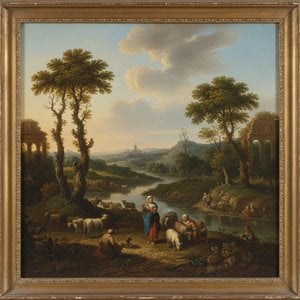
Nicolaes Berchem e l'Età dell'Oro Olandese: Un Rifugio Idilliaco tra Realismo e Mito
Esplora l'incantevole mondo di Nicolaes Berchem e la pittura del Secolo d'Oro Olandese. Analisi approfondita, simbolismo nascosto e l'eredità artistica di un maestro del paesaggio arcadiaco.

Golden Age Reflections: Dutch Baroque Painting & Cultural Innovation
Explore the Dutch Golden Age of painting! Discover key artists like Vermeer & ter Borch, their innovative techniques, and the rich cultural context behind these Baroque masterpieces. Learn about collecting & appreciating this iconic art period.


