


 Anteprima in scala reale
 Invia
Invia Condividi
 Dettagli opera

 Scarica immagine
 Simili
 Radiografia
 Slideshow
Tea
 Oil On Canvas
- WallArt
- Realism
 1872
1872- 19th Century
 66.0 x 48.0 cm
 Metropolitan Museum of Art
 Espandi i dettagli
Giclée / Stampe d'arte
Stampa giclée o su tela di qualità museale, con produzione rapida e diverse opzioni di finitura. ( Acquista il dipinto realizzato a mano Acquista immagine)




P118B $10

P118H $10

P118W $10

P438Z $10

P508JH $12

P508YH $12

P805H $10

P805Z $10

P919BZ $10

P919G $10

P919XJ $10

P959ZH $10

P968JZ $12

W106C $8

W218G $10

W218JH $8

W218Y $10

W307PJ $10

W316G $10

W316PJ $8

W316Y $10

W398PJ $8

W4111J $10

W500HY $15

W500JH $15

W692G $12

W849H $8

W940BG $15

W953PJ $8




Scegli tra le nostre dimensioni predefinite, che rispettano le proporzioni originali dell'opera d'arte.

È possibile inserire dimensioni personalizzate per adattare l'opera a una cornice o a uno spazio specifico. Se la dimensione selezionata non corrisponde alle proporzioni dell'immagine originale, procederemo al ritaglio dell'opera o all'estensione dell'immagine con un bordo specchiato o a tinta unita. Un mockup digitale ti verrà inviato per approvazione prima dell'inizio della produzione.
Si prega di notare che l'anteprima a schermo non riflette il ritaglio o l'estensione effettivi. Solo il mockup mostrerà accuratamente la composizione finale.
Sebbene siano disponibili dimensioni personalizzate, si raccomanda di selezionare una dimensione dall'elenco predefinito per preservare le proporzioni originali.
Consegna in tutto il mondo () in 2 settimane invece delle normali 4/5 settimane. (7 Settembre)

Spedizione espressa gratuita in tutto il mondo

Tela in lino di alta qualità

Assicurazione completa sulla spedizione

Garanzia di rimborso dei dazi doganali

Garanzia di fedeltà cromatica

Politica di reso entro 100 giorni (solo per difetti di fabbricazione)

Garanzia di rimborso al 100%

Offerta per acquisti multipli
 L'opzione vetro è disponibile solo per dimensioni inferiori a 110 cm

Tea
Giclée / Stampe d'arte
Dimensioni riproduzione
-


Prezzo totale calcolato
$ 62
A Moment Frozen in Victorian Elegance
In the quiet, sun-dappled atmosphere of James Jacques Joseph Tissot’s Tea, we are invited into a private sanctuary of nineteenth-century refinement. This exquisite oil painting, dating from 1872, serves as more than just a depiction of a domestic ritual; it is a window into the soul of the Victorian era. The scene centers on a woman poised with grace in a tea room, her presence commanding yet serene. Clad in a sophisticated black dress accented by a delicate yellow ribbon at her throat, she embodies the meticulous fashion and social etiquette of her time. As she tends to the teapot, surrounded by the fine porcelain of cups and bowls, there is an intimate sense of stillness, as if the bustling world outside has momentarily ceased to exist.
The composition masterfully balances the intimacy of the interior with a breathtaking glimpse of the wider world. Beyond the immediate warmth of the tea service, the eye is drawn through the window to the dense, sprawling cityscape and the shimmering waters of the Thames. This juxtaposition between the sheltered, domestic sphere and the industrial vitality of London creates a profound narrative tension. It reminds the viewer that even in our most private moments of repose, the pulse of the modern city beats just beyond the glass. The inclusion of a distant boat on the river adds a layer of movement and life, grounding this elegant portrait within the real, breathing geography of Tissot’s adopted home.
Mastery of Realism and Light
Tissot, a painter who bridged the gap between the meticulous detail of Realism and the atmospheric light of Impressionism, demonstrates his technical prowess through the textures present in this work. Every element—from the reflective surface of the tea service to the heavy, luxurious fabric of the woman’s gown—is rendered with an almost tactile precision. His ability to capture the play of light across different surfaces creates a sense of depth that draws the collector into the room. The artist uses light not merely to illuminate, but to sculpt the scene, highlighting the delicate contours of the porcelain and the soft shadows that dance within the tea room.
For the discerning art lover or interior designer, Tea offers a versatile emotional resonance. It possesses a quiet dignity that can anchor a sophisticated living space, providing a focal point of calm and historical depth. The painting’s palette, rich with deep blacks, warm yellows, and the soft blues of the distant London sky, makes it an ideal piece for those looking to introduce a sense of timeless luxury and narrative complexity into a room. To possess a reproduction of this work is to hold a fragment of history—a beautifully preserved moment of Victorian grace that continues to inspire awe and contemplation in the modern age.
Opere simili


Biografia dell'artista
James Jacques Joseph Tissot (1836-1902): Un Visionario Vittoriano tra Realismo e Impressionismo
James Jacques Joseph Tissot, nato il 15 ottobre 1836 a Parigi, in Francia, è stato un pittore prolifico la cui carriera si è estesa per decenni, consolidando il suo posto come uno degli artisti più celebrati dell'era vittoriana. Sebbene inizialmente si fosse formato come architetto, Tissot abbandonò rapidamente questa strada per lasciarsi al fascino avvolgente della pittura, dedicandosi a catturare la grandezza e le complessità della società parigina insieme a profonde narrazioni bibliche. Il suo stile distintivo—una magistrale fusione di realismo e tecniche impressioniste—continua a affascinare storici dell'arte e collezionisti allo stesso modo.- Gli anni della formazione e l'addestramento artistico:
Gli anni formativi di Tissot furono segnati da un'educazione privilegiata all'interno di una famiglia facoltosa, che gli permise di accedere a un'eccezionale istruzione artistica. Studiò architettura presso l'École Polytechnique prima di passare al disegno sotto la guida di Alexandre Cabanel e Jean-Léon Gérôme, assorbendo le influenze stilistiche del realismo accademico prevalente nel suo tempo. Queste esperienze fondamentali gli trasmisero un'attenzione meticolosa al dettaglio e un approccio disciplinato alla composizione, tratti che avrebbero caratterizzato l'intera sua opera. - Parigi Vittoriana e il Ritratto Sociale:
Il grande successo artistico di Tissot arrivò con le sue rappresentazioni della vita parigina durante la Belle Époque. Egli documentò meticolosamente scene provenienti da teatri, opere e incontri mondani, catturando non solo lo splendore visivo ma anche le sottili sfatiature del comportamento sociale. Le sue tele—come “Il cappello di Rubens” e “Il tè”—diventarono rappresentazioni iconiche dell'eleganza e della raffinatezza vittoriana, riflettendo le ansie e le aspirazioni di una società in rapido mutamento. - Narrazioni Bibliche e Composizione Drammatica:
Oltre ai paesaggi urbani, Tissot eccelse nel ritrarre storie bibliche con una straordinaria teatralità. Approcciò queste narrazioni con un impegno incrollabile verso l'accuratezza storica, combinato con una pennellata espressiva—caratteristica distintiva dell'Impressionismo—creando immagini emotivamente risonanti che catturavano il pubblico. Opere notevoli includono “Il ritrovamento del Sacro Graal” e “L'Ultima Cena”, che dimostrano la sua capacità di trasmettere profondità spirituale insieme a dinamismo visivo. - Tecnica ed Evoluzione Artistica:
La tecnica artistica di Tissot si evolse considerevolmente nel corso della sua carriera. Inizialmente favorendo il realismo accademico, abbracciò gradualmente le influenze impressioniste, sperimentando con pennellate più libere e catturando momenti fugaci di luce e colore. Questo spostamento stilistico gli permise di infondere nei suoi dipinti un senso palpabile di atmosfera ed emozione, allontanandosi dalla staticità formale delle sue opere precedenti. - Eredità e Significato Storico:
Jacques Joseph Tissot morì l'8 agosto 1902, lasciando dietro di sé un impressionante corpo di opere che continua a ispirare ammirazione. I suoi dipinti sono custoditi in importanti musei di tutto il mondo, tra cui la Bibliothèque Nationale Centrale e il Getty Museum, testimonianza della sua duratura eredità artistica. Più che limitarsi a documentare la sua epoca, Tissot elevò la pittura a una forma di narrazione: una potente fusione di osservazione e immaginazione che ha consolidato la sua posizione come uno degli artisti più influenti del periodo vittoriano.
Ulteriori Approfondimenti
È possibile approfondire il viaggio artistico di Tissot visitando queste risorse:- James Tissot - Wikipedia: https://en.wikipedia.org/wiki/James_Tissot
- Jacques Joseph Tissot - Getty Museum: https://www.getty.edu/art/collection/person/103KY1
- Jacques Joseph Tissot: Una cronaca della vita parigina e dell'evoluzione narrativa: /en/articles/jacques-joseph-tissot-a-chronicle-of-parisian-life-narrative-evolution-en/
- James Tissot (1836-1902), Ambiguamente moderno | Musée d’Orsay: https://www.musee-orsay.fr/en/whats-on/exhibitions/presentation/james-tissot-1836-1902-ambiguously-modern

Jacques Joseph Tissot
1836 - 1902 , Francia
Dati rapidi
- Artistic Movement Or Style: Realism & Impressionism
- Artists Or Movements Influenced By This Artist: ['Impressionism']
- Artists Who Influenced This Artist:
- Gustave Courbet
- Jean-Léon Gérôme
- Date Of Birth: October 15, 1836
- Date Of Death: August 8, 1902
- Full Name: Jacques Joseph Tissot
- Nationality: French
- Notable Artworks:
- The Rubens Hat
- Tea
- Place Of Birth: Paris, France
Articoli correlati

James Abbott McNeill Whistler: I 25 Capolavori che Definirono un'Epoca - Arte e Decorazioni di Lusso
Esplora i 25 capolavori di James Abbott McNeill Whistler, il maestro dell'estetismo e dei notturni. Scopri la storia, le tecniche e l'armonia unica nei suoi dipinti più famosi. Stampe d'arte e riproduzioni di alta qualità su ArtsDot.com.

Sir Alfred James Munnings: I 25 Capolavori che Celebrano la Bellezza del Cavallo e della Campagna Inglese
Esplora i 25 capolavori di Alfred James Munnings, pittore inglese celebrato per la sua arte equestre e i paesaggi rurali. Scopri storie, tecniche e colori unici. Stampe d'arte e riproduzioni su ArtsDot.com!

Romantic Realism's Finest: 10 Masterpieces for Your Home | ArtsDot
Explore 10 defining masterpieces of Romantic Realism! Discover Courbet, Millet & Daumier's powerful paintings—capturing emotion and social realities. Find museum-quality reproductions for your home at ArtsDot.com.
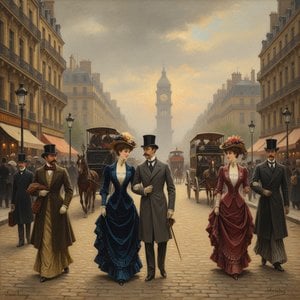
Jacques Joseph Tissot: Cronista della Belle Époque e l'Evoluzione Narrativa nell'Arte del XIX Secolo
Esplora la vita e le opere di Jacques Joseph Tissot, il cronista della Belle Époque. Analisi approfondita del suo stile unico, l'influenza dei contesti sociali e artistici, e l'eredità duratura di questo maestro dell'arte ottocentesca.

The Gaze of a Changing World: Victorian Realism & Modern Life
Explore the captivating world of Victorian Realism! Discover genre painting's rise, social commentary in art, & masters like Fedotov and Wilkie. Expert analysis & high-quality reproductions at ArtsDot.
