
- Home

- Riproduzione di dipinto a olio
- Jacopo Pontormo
- Female figure with covered head (study for a figure in the fresco of the Visitation in Santissima Annunziata)

 Acquista stampa Acquista download
 Invia
Invia
 Condividi
 Details
 Aggiungi ai preferiti

 Scarica
 Simili
 X-Ray
X-Ray
 Slideshow
Female figure with covered head (study for a figure in the fresco of the Visitation in Santissima Annunziata)
 Acrylic On Canvas
- WallArt
- Mannerist Expression
 21.0 x 32.0 cm
 Kupferstichkabinett
Riproduzione a olio fatta a mano
Olio su tela dipinto a mano nelle tue dimensioni e con la tua cornice, realizzato su ordinazione dai nostri artisti.




P118B $10

P118H $10

P118W $10

P438Z $10

P508JH $12

P508YH $12

P805H $10

P805Z $10

P919BZ $10

P919G $10

P919XJ $10

P959ZH $10

P968JZ $12

W106C $8

W218G $10

W218JH $8

W218Y $10

W307PJ $10

W316G $10

W316PJ $8

W316Y $10

W398PJ $8

W4111J $10

W500HY $15

W500JH $15

W692G $12

W849H $8

W940BG $15

W953PJ $8




 Scopri di più
Scegli tra le nostre dimensioni predefinite, che rispettano le proporzioni originali dell'opera d'arte.

È possibile inserire dimensioni personalizzate per adattare l'opera a una cornice o a uno spazio specifico. Se la dimensione selezionata non corrisponde alle proporzioni dell'immagine originale, provvederemo a ritagliare l'opera o a estendere il dipinto con elementi aggiuntivi dipinti a mano. Un mockup digitale ti sarà inviato per approvazione prima dell'inizio della produzione.
Si prega di notare che l'anteprima a schermo non riflette il ritaglio o l'estensione effettivi. Solo il mockup mostrerà accuratamente la composizione finale.
Sebbene siano disponibili dimensioni personalizzate, consigliamo di selezionare una dimensione dall'elenco predefinito per preservare le proporzioni originali.
Dopo l'ordine, il team di ArtsDot.com invierà un'e-mail al cliente per le istruzioni e fornirà un'anteprima del mockup
Consegna in tutto il mondo () in 3/4 settimane anziché nelle normali 5 settimane. (1 Luglio). Nessun compromesso sulla qualità.

Spedizione espressa gratuita in tutto il mondo

Tela in lino di alta qualità

Assicurazione completa sulla spedizione

Garanzia di rimborso dei dazi doganali

Garanzia di fedeltà cromatica

Politica di reso entro 60 giorni (solo per difetti)

Garanzia di rimborso al 100%

Sconto per acquisti multipli
 L'opzione vetro è disponibile solo per dimensioni inferiori a 110 cm

Female figure with covered head (study for a figure in the fresco of the Visitation in Santissima Annunziata)
Tecnica di riproduzione
Dimensioni riproduzione
-


Prezzo totale finale
-
Descrizione dell'opera
Female Figure with Covered Head (Study for a Figure in the Fresco of the Visitation in Santissima Annunziata) – A Renaissance Echoes Baroque Emotion
The artwork, “Female Figure with Covered Head (Study for a Figure in the Fresco of the Visitation in Santissima Annunziata),” transcends mere visual representation; it embodies a pivotal moment in artistic evolution—the delicate transition from the serene idealism of High Renaissance Florence to the dramatic fervor characteristic of the Baroque era. Painted by Jacopo Pontormo around 1520, this intimate sheet offers a glimpse into the artist’s creative process and foreshadows the stylistic innovations that would define his later masterpieces. It's housed at the Kupferstichkabinett in Berlin, Germany, where its understated beauty continues to captivate viewers.A Synthesis of Mannerist Vision
Pontormo’s oeuvre stands apart from many contemporaries who diligently pursued classical ideals of proportion and harmony. Instead, he embraced a distinctly Mannerist aesthetic—a rebellion against established conventions that prioritized emotional expression over meticulous realism. This study exemplifies Pontormo's signature style: figures positioned in unsettling poses between standing and kneeling, conveying an aura of melancholy and contemplation. The artist’s deliberate distortion of perspective – subtly flattening the background – creates an illusionistic space that defies conventional spatial logic, mirroring a growing preoccupation with psychological depth within the artistic landscape of his time.The Visitation Fresco: Inspiration and Influence
The genesis of this artwork lies in Pontormo's ambitious undertaking to decorate the forecourt of Santissima Annunziata church in Florence – specifically, the monumental fresco depicting the Visitation of Mary Magdalene and Elizabeth. Vasari famously lauded Pontormo’s contribution to this mural, describing it as “a work that convinced all artists of his perfection.” The fresco itself is a masterful demonstration of Mannerist technique, prioritizing expressive gesture and emotional resonance over anatomical accuracy. Pontormo meticulously studied Michelangelo's David, absorbing the sculptor’s revolutionary approach to portraying human form—a move that profoundly impacted Pontormo’s artistic sensibilities.Symbolism and Emotional Resonance
The veiled head of the central figure speaks volumes about the artwork’s symbolic significance. Traditionally interpreted as representing humility and piety – qualities deeply valued within Renaissance spirituality – the veil simultaneously evokes a sense of vulnerability and introspection. Pontormo skillfully employs chiaroscuro—the dramatic interplay of light and shadow—to heighten emotional impact, emphasizing the contours of the figure's body and creating an atmosphere of profound solemnity. The muted palette contributes to this contemplative mood, reinforcing the artwork’s overarching theme of spiritual contemplation.Technical Mastery: Giclée Printing – Preserving Pontormo’s Legacy
Today, reproductions of “Female Figure with Covered Head” are available through platforms like Artvee and Amazon, allowing art enthusiasts worldwide to experience Pontormo's artistic vision firsthand. Utilizing giclée printing technology—a method renowned for its exceptional color fidelity and archival stability—these prints ensure that the artwork’s original vibrancy and detail endure for generations to come. The meticulous craftsmanship involved in creating these reproductions honors Pontormo’s legacy as a trailblazing artist who dared to challenge artistic norms and forge his own path toward expressive innovation.Opere simili


Biografia dell'artista
Jacopo Pontormo (1494 – 1557/7): Bridging Renaissance and Baroque Expression
Jacopo Pontormo, born Jacopo Carucci in Pontorme, Tuscany, circa 1494, stands as a singular figure within the Florentine Mannerist movement—a painter who defied convention and forged his own path toward artistic innovation. Unlike many of his contemporaries striving for idealized beauty rooted in classical ideals, Pontormo embraced emotional intensity and psychological complexity, marking him as a pivotal conduit between the serene grandeur of the High Renaissance and the dramatic dynamism of the Baroque era. His life was marked by both prodigious talent and personal tragedy, shaping his oeuvre into a testament to artistic vision tempered by profound sorrow. Early Training and Influences: Pontormo’s formative years were spent under the tutelage of Domenico del Pollaiuolo and Michelangelo Buonarroti—artists whose mastery of anatomical realism and sculptural form profoundly impacted his stylistic development. While acknowledging the Renaissance legacy, Pontormo swiftly distanced himself from its rigid formalism, gravitating toward a more expressive approach informed by Northern European art traditions. Notably, he studied engravings by Albrecht Dürer, absorbing techniques for conveying emotion through stylized imagery and compositional innovation. This exposure to Northern Mannerism would prove instrumental in shaping his distinctive visual language. The Mannerist Style: Pontormo’s artistic breakthrough arrived around 1515 with the commission of “Visitation,” a monumental altarpiece for Santissima Annunziata in Arezzo—a painting that immediately established him as a champion of Mannerist aesthetics. Characterized by elongated figures, flattened perspectives, and swirling draperies imbued with vibrant color palettes, Pontormo’s style rejected the Renaissance obsession with anatomical accuracy and harmonious proportions. Instead, he prioritized conveying psychological states—despair, grief, ecstasy—through distorted forms and ambiguous spatial relationships. This deliberate departure from established conventions signaled a radical rethinking of artistic representation, anticipating the dramatic innovations that would define the Baroque period. Notable Works and Legacy: Pontormo’s output encompassed a diverse range of subjects—religious scenes, portraits, and mythological compositions—each imbued with his characteristic Mannerist sensibility. Among his most celebrated paintings are “Joseph’s Coat Sold to the Egyptians,” “The Deposition,” and “Saint Francis Receiving Stigmata”—works that exemplify his masterful manipulation of color, light, and texture to evoke profound emotional resonance. His portraits, particularly those depicting members of Florence's Medici court, reveal an astute understanding of psychological nuance and a subtle engagement with Mannerist stylistic conventions. Pontormo’s influence extended beyond his own artistic achievements; he mentored younger artists—including Agnolo Bronzino—who carried forward his innovative vision into the subsequent generation of Florentine painters. His legacy resides not merely in his individual masterpieces but also in his role as a catalyst for artistic experimentation and a harbinger of stylistic change—a testament to his enduring contribution to European art history. Further Exploration: Pontormo’s oeuvre continues to fascinate scholars and connoisseurs alike, prompting ongoing debates about the nature of Mannerist aesthetics and its relationship to broader cultural trends. Museums worldwide showcase reproductions of his paintings—including those housed in the Uffizi Gallery in Florence—allowing visitors to experience firsthand the transformative power of his artistic vision. For a deeper understanding of Pontormo’s life and work, consult resources such as ArtsDot.com/jacopo carucci and Wikipedia: Jacopo.
Jacopo Pontormo
1494 - 1557 , Italia
Dati rapidi
- Artistic Movement Or Style: Mannerism
- Artists Or Movements Influenced By This Artist: ['Michelangelo']
- Artists Who Influenced This Artist:
- Leonardo da Vinci
- Andrea del Sarto
- Date Of Birth: 1494
- Full Name: Jacopo Pontormo
- Nationality: Italian
- Notable Artworks:
- Visitation
- Deposition
- Place Of Birth: Pontorme, Italy
Articoli correlati

Jacopo Pontormo: Un’Esplorazione tra Manierismo e Intensità Emotiva
Esplora il mondo di Jacopo Pontormo e Rosso Fiorentino con ArtsDot. Scopri l'evoluzione del Manierismo, le loro opere più iconiche e come investire nell'arte rinascimentale fiorentina. Analisi approfondite e riproduzioni di alta qualità.


The Flourishing of Humanism: A Comprehensive Exploration of the Italian Renaissance Art Movement
Explore the Italian Renaissance! Discover humanist ideals, iconic masterpieces by Leonardo, Michelangelo & Raphael, and lasting artistic innovations. A comprehensive guide for art enthusiasts.
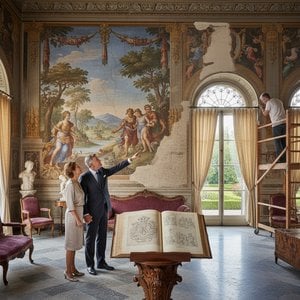
L'Arte dei Murales di Famiglia: Trasformare le Mura in Memorie Eterne
Scopri l'arte del fresco e crea murales familiari unici! Esplora la storia, le tecniche e realizza il tuo sogno artistico con : esperti artisti e qualità garantita.

Masaccio: La Rivoluzione Pittorica del Rinascimento Attraverso Realismo e Innovazione Emotiva
Scopri la rivoluzione pittorica di Masaccio e il suo impatto sull'arte rinascimentale. Analisi approfondita della prospettiva, del chiaroscuro e delle opere chiave che hanno cambiato la storia dell'arte.
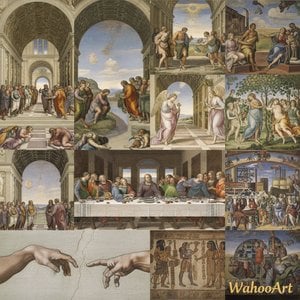
I 10 Affreschi Leggendari Che Hanno Rivoluzionato la Storia dell'Arte | ArtsDot
Esplora i 10 affreschi più leggendari della storia dell'arte! Da Michelangelo a Raffaello, scopri le storie e le tecniche dietro capolavori rinascimentali. Trova riproduzioni d'arte di alta qualità per la tua casa su ArtsDot.com.



