


 Anteprima in scala reale
 Condividi
 Condividi
 Dettagli

 Scarica immagine
 Articoli simili
 Radiografia
 Slideshow
Boy Blowing Bubbles
 Acrylic On Canvas
- WallArt
- Dutch Golden Age
 1663
1663 184.0 x 257.0 cm
 Kunstpalast
 Leggi tutto
Riproduzione a olio fatta a mano
Olio su tela dipinto a mano nelle tue dimensioni e con la tua cornice, realizzato su ordinazione dai nostri artisti. ( Ordina stampa Acquista download)




P118B $10

P118H $10

P118W $10

P438Z $10

P508JH $12

P508YH $12

P805H $10

P805Z $10

P919BZ $10

P919G $10

P919XJ $10

P959ZH $10

P968JZ $12

W106C $8

W218G $10

W218JH $8

W218Y $10

W307PJ $10

W316G $10

W316PJ $8

W316Y $10

W398PJ $8

W4111J $10

W500HY $15

W500JH $15

W692G $12

W849H $8

W940BG $15

W953PJ $8




Scegli tra le nostre dimensioni predefinite, che rispettano le proporzioni originali dell'opera d'arte.

È possibile inserire dimensioni personalizzate per adattare l'opera a una cornice o a uno spazio specifico. Se la dimensione selezionata non corrisponde alle proporzioni dell'immagine originale, provvederemo a ritagliare l'opera o a estendere il dipinto con elementi aggiuntivi dipinti a mano. Un mockup digitale ti sarà inviato per approvazione prima dell'inizio della produzione.
Si prega di notare che l'anteprima a schermo non riflette il ritaglio o l'estensione effettivi. Solo il mockup mostrerà accuratamente la composizione finale.
Sebbene siano disponibili dimensioni personalizzate, consigliamo di selezionare una dimensione dall'elenco predefinito per preservare le proporzioni originali.
Dopo l'ordine, il team di ArtsDot.com contatterà il cliente via e-mail per le istruzioni e fornirà un'anteprima del mockup
Consegna in tutto il mondo () in 3/4 settimane anziché nelle normali 5 settimane. (16 Agosto). Nessun compromesso sulla qualità.

Spedizione espressa gratuita in tutto il mondo

Tela in lino di alta qualità

Assicurazione completa sulla spedizione

Garanzia di rimborso dei dazi doganali

Garanzia di fedeltà cromatica dell'originale

Politica di reso entro 60 giorni (solo per difetti di fabbricazione)

Garanzia di rimborso al 100%

Sconto per acquisti multipli
 L'opzione vetro è disponibile solo per dimensioni inferiori a 110 cm

Boy Blowing Bubbles
Tecnica di riproduzione
Dimensioni della riproduzione
-


Prezzo totale
$ 263
Descrizione dell'opera
A Moment Frozen in Time: Frans van Mieris’ ‘Boy Blowing Bubbles’
Frans van Mieris' “Boy Blowing Bubbles,” painted in 1663, isn’t merely a portrait; it’s a carefully constructed tableau of Dutch Golden Age life, brimming with subtle symbolism and an exquisite attention to detail that defines the artist’s signature style. Housed within the Mauritshuis in The Hague, this captivating scene invites us into a world where innocence dances alongside contemplation, and the ephemeral beauty of childhood is juxtaposed against deeper philosophical questions about mortality and the passage of time.
The ‘Fijnschilder’ Technique: A Masterclass in Illusion
Van Mieris was a leading figure in the “fijnschilder” movement, a group of Dutch painters known for their meticulous realism and mastery of illusionistic techniques. He achieved this through painstaking layering of glazes – incredibly thin washes of paint applied over dry layers – creating an astonishingly lifelike surface that seems to shimmer with depth and texture. Observe the delicate rendering of the boy’s skin, the subtle folds in his clothing, and the way the light catches on the bubbles themselves. Van Mieris didn't simply depict; he constructed a convincing illusion of reality, employing techniques borrowed from both painting and drawing – a testament to his rigorous training under Gerrit Dou.
Symbolism Woven into the Scene: A Tapestry of Meaning
The composition is rich with layered symbolism, reflecting the intellectual currents of 17th-century Holland. The boy, seemingly lost in a simple pleasure – blowing bubbles – represents fleeting joy and innocence. However, the artist subtly introduces an undercurrent of melancholy. The woman behind him, dressed in luxurious fabrics, holds a baby, suggesting motherhood and domesticity, yet her gaze is distant, hinting at the burdens of responsibility. The dog, a symbol of loyalty, stands attentively beside her, perhaps representing steadfastness amidst uncertainty. Even the objects within the room – the vases overflowing with flowers, the clock measuring the relentless march of time, and the window offering a glimpse to an unseen world – contribute to this complex web of meaning.
Contextualizing the Image: The ‘Paragone’ and the Illusion of Space
“Boy Blowing Bubbles” exists within the broader context of the “paragone,” a heated debate in 17th-century Europe concerning the relative merits of painting versus sculpture. Van Mieris, through his masterful manipulation of perspective and texture, powerfully demonstrated painting’s ability to create convincing illusions of space and depth – a skill that directly challenged the perceived superiority of three-dimensional sculpture. The window itself serves as a visual metaphor for this illusionistic prowess, inviting the viewer to step into the scene and contemplate its intricacies. The artist deliberately employs techniques reminiscent of Renaissance perspective, elevating painting’s status within the artistic hierarchy.
Beyond its technical brilliance and symbolic depth, “Boy Blowing Bubbles” evokes a profound sense of nostalgia for a bygone era – a poignant reminder of childhood's fleeting beauty and the inevitable passage of time. It is a work that continues to resonate with viewers today, offering a glimpse into the complexities of human experience and the enduring power of art to capture a single, unforgettable moment.
- Artist: Frans van Mieris the Elder
- Date: 1663
- Location: Mauritshuis, The Hague
- Medium: Oil on Panel
Opere correlate


Biografia dell'artista
Frans van Mieris il Vecchio: Una Vita nei Dettagli
- Nato: Leida, Paesi Bassi (1635)
- Morto: 1681
Frans van Mieris il Vecchio fu un importante pittore di genere olandese dell'età dell'oro, noto per i suoi dettagli meticolosi e lo stile raffinato. Nato a Leida da Jan Bastiaensz van Mieris, orafo, Frans dimostrò inizialmente una predisposizione al disegno piuttosto che seguire le orme del padre. La formazione iniziale sotto Abraham Toorenvliet, seguita dall'istruzione di Gerrit Dou, plasmò le sue basi artistiche.
Sviluppo Artistico e Stile
- Prime Influenze: Gerrit Dou e Abraham van den Tempel influenzarono significativamente i primi lavori di Frans.
- Tecnica "Fijnschilder": Van Mieris divenne un maestro dello stile "fijnschilder", caratterizzato da dettagli estremamente fini, pennellate lisce e una focalizzazione su dipinti in piccola scala. Questa tecnica enfatizzava il realismo e le intricate rappresentazioni di texture come la seta e il velluto.
- Soggetti: Dipinse frequentemente scene della società benestante – interni elaborati, incontri eleganti e ritratti – illustrando le abitudini e gli abiti delle classi superiori. Motivi ricorrenti includevano pranzi a base di ostriche, medici che esaminavano pazienti e donne impegnate in attività domestiche.
- Evoluzione dello Stile: Sebbene inizialmente emulasse lo stile di Gerrit Dou, Van Mieris sviluppò gradualmente il proprio approccio distinto, allontanandosi da dettagli eccessivi verso una maggiore enfasi sull'interazione dei personaggi e sulla narrazione all'interno delle sue scene. I suoi lavori successivi a volte esibivano tonalità più scure rispetto ai suoi pezzi precedenti, più luminosi.
Realizzazioni Importanti e Opere Notabili
- Visita del Medico (1657): Considerato uno dei suoi lavori datati più antichi e significativi, che mostra la sua emergente indipendenza dallo stile di Dou.
- Autoritratto con una Cetra: Un autoritratto convincente che dimostra la sua abilità nel rappresentare abiti opulenti e catturare un senso della personalità.
- Ritratto della Moglie dell'Artista, Cunera van der Cock: Un esempio straordinario di ritrattistica che evidenzia il realismo e il chiaroscuro.
- Dipinti Allegorici: Van Mieris produsse anche opere allegoriche, come una raffigurante vizi come bere, fumare e giocare d'azzardo, dimostrando la sua versatilità.
Eredità e Significato Storico
- Eredità Familiare: L’influenza di Frans van Mieris si estese alla sua famiglia; suo figlio Willem van Mieris (1662–1747) e suo nipote Frans van Mieris il Giovane (1689–1763) divennero anch'essi pittori di genere competenti, continuando la tradizione familiare.
- Imitazioni: La popolarità dello stile di Van Mieris portò a numerose imitazioni, in particolare da parte di A. D. Snaphaan, che lavorava a Lipsia ed era protetto dalla corte di Anhalt-Dessau.
- Contributo alla Pittura Olandese dell'Età dell'Oro: Frans van Mieris svolse un ruolo cruciale nel plasmare il movimento "fijnschilder" all'interno della pittura olandese dell'età dell'oro, contribuendo in modo significativo all'attenzione dell'epoca per i dettagli meticolosi e le rappresentazioni realistiche della vita quotidiana e della società di classe superiore. Le sue opere sono apprezzate per la loro abilità tecnica e la perspicace raffigurazione della cultura del XVII secolo.
Ultimi Anni e Riscoperta
- Patronato: Van Mieris godette del patronato di figure importanti, tra cui l'Arciduca Leopoldo e Cosimo III de' Medici.
- Opera d’Arte Rubata: Un autoritratto è stato rubato dalla Art Gallery of New South Wales a Sydney, in Australia, evidenziando il valore e l'appeal duraturi delle sue opere.

Frans van Mieris
1635 - 1681 , Paesi Bassi
Informazioni rapide
- Artisti Influenti:
- Gerrit Dou
- Abraham van den Tempel
- Artisti Influenzati:
- Willem van Mieris
- Frans van Mieris il Giovane
- Data Di Nascita: 1635
- Luogo Di Nascita: Leida, Paesi Bassi
- Movimento Artistico: Fijnschilder
- Nazionalità: Olandese
- Nome Completo: Frans van Mieris il Vecchio
- Opere Notevoli:
- Visita del dottore
- Autoritratto con cetra
- Ritratto della moglie
- Donna davanti allo specchio
Articoli correlati
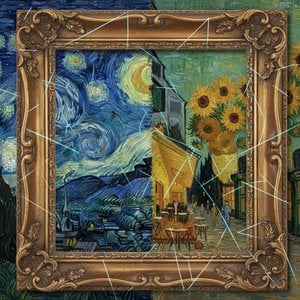
Van Gogh: Le 25 Opere Più Iconiche per Amare l'Arte e Arredare con Stile
Esplora le 25 opere più iconiche di Van Gogh: dai Girasoli alla Notte Stellata. Scopri la storia, lo stile e i colori che hanno reso Vincent van Gogh un maestro dell'arte moderna. Trova riproduzioni di alta qualità su ArtsDot.com.

I 10 Capolavori dell'Età d'Oro Olandese: Arte, Storia e Stile per la Tua Casa
Esplora i 10 capolavori dell'Età d'Oro Olandese con ! Rembrandt, Vermeer e altri maestri rivivono in dipinti iconici. Scopri storia, tecnica e colori di opere senza tempo per arredare la tua casa con arte di qualità museale. Esplora la collezione online!

Rembrandt van Rijn: I 25 Capolavori Immortali da Ammirare | ArtsDot
Esplora i 25 capolavori di Rembrandt van Rijn, da 'La Ronda di Notte' ai suoi intensi autoritratti. Scopri la storia, le tecniche e l'arte barocca del maestro olandese. Riproduzioni di alta qualità su ArtsDot.com.

Illuminating Innovation: Exploring the Dutch Golden Age of Painting
Explore the Dutch Golden Age of painting with ArtsDot. Discover Rembrandt, Vermeer & other Masters. Learn about key characteristics, iconic artworks, and lasting influence. Expert insights for collectors & enthusiasts.

Golden Age Reflections: Dutch Baroque Painting & Cultural Innovation
Explore the Dutch Golden Age of painting! Discover key artists like Vermeer & ter Borch, their innovative techniques, and the rich cultural context behind these Baroque masterpieces. Learn about collecting & appreciating this iconic art period.


