
- Home

- Immagine digitale
- Francisco José de Goya y Lucientes
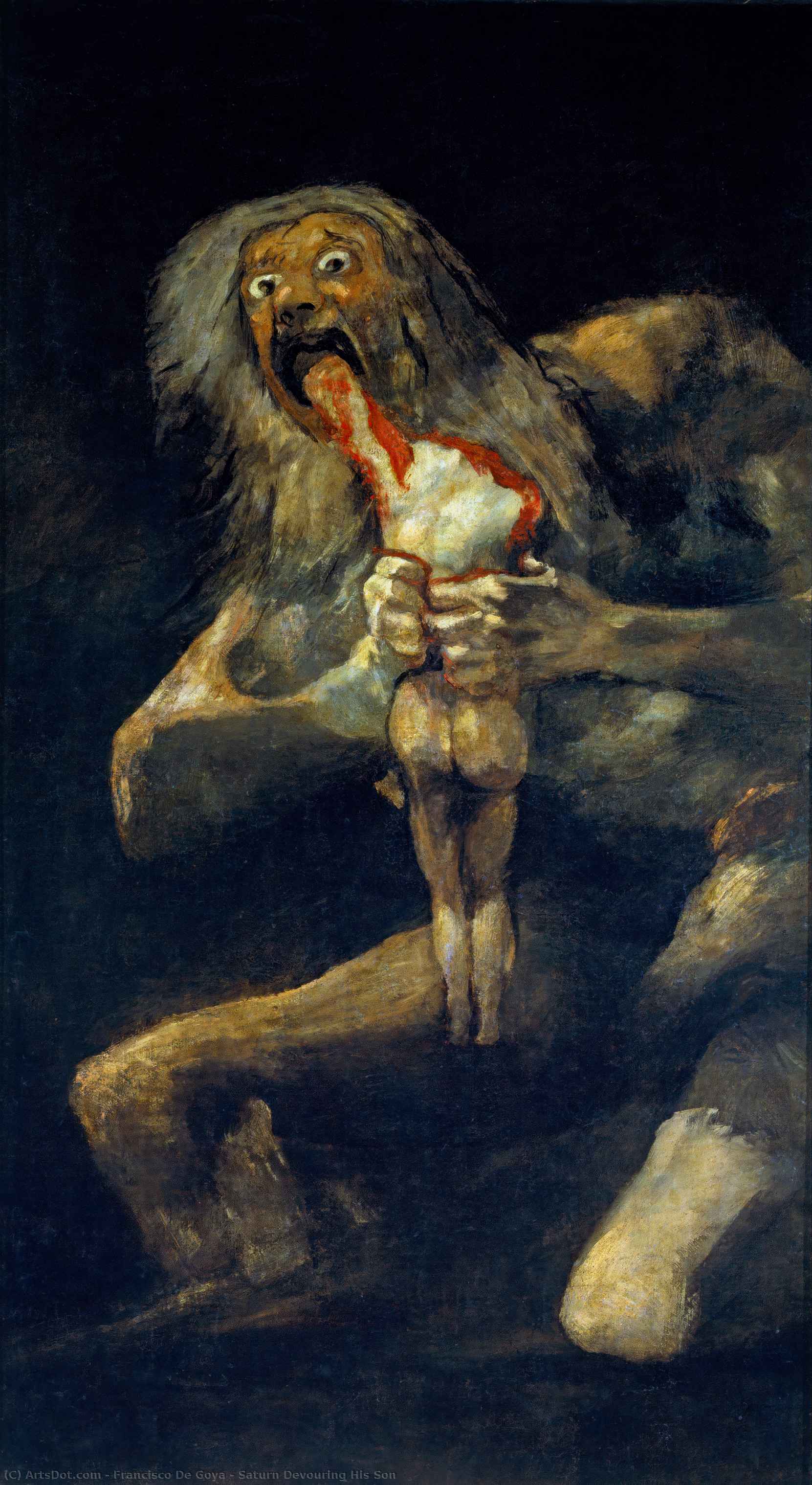
- Saturno che divora il figlio
 Acquista stampa Ordina la riproduzione
 Invia
Invia
 Condividi
 Details
 Aggiungi ai preferiti

 Scarica
 Simili
 X-Ray
X-Ray
 Slideshow
Saturno che divora il figlio


Acquista un'immagine digitale ad alta risoluzione e ottimizzata, di qualità nettamente superiore all'anteprima online.
Ogni file è meticolosamente preparato dai nostri specialisti interni attraverso l'uso di strumenti avanzati e un sapiente ritocco manuale. Garantiamo che ogni immagine presenti una chiarezza eccezionale, una precisione cromatica impeccabile e dettagli raffinati.
Il file finale viene consegnato via e-mail entro 72 ore, ottimizzato per un uso immediato in contesti professionali, editoriali e di stampa. Si tratta della stessa qualità affidata dai più prestigiosi studi di design, editori e gallerie d'arte.
 Scopri di più
Immagine Digitale
Scarica un file ad alta risoluzione per uso personale, per la stampa e per progetti creativi.
Incluso in ogni ordine di immagini digitali
Consegna digitale professionale e garantita
Quando scegli ArtsDot.com, non riceverai solo un'immagine: riceverai un'opera d'arte digitale professionalmente ottimizzata, realizzata con la massima precisione e accompagnata da una garanzia di soddisfazione. Ecco tutto ciò che include il tuo ordine, automaticamente:

Consegna rapida via email
Riceverai il file dell'immagine digitale ad alta risoluzione via email entro 72 ore dall'ordine, pronto per un uso immediato.

File digitale ottimizzato dall'IA
La tua opera d'arte viene ottimizzata professionalmente attraverso l'uso di strumenti avanzati di intelligenza artificiale e una revisione manuale, garantendo il massimo livello di dettaglio, nitidezza e accuratezza cromatica.

Riconsegna gratuita a vita
Hai eliminato o perso accidentalmente il tuo file? Non preoccuparti: te lo invieremo di nuovo in qualsiasi momento, gratuitamente.

Nessun costo di importazione - Sempre
Goditi la tua opera d'arte istantaneamente senza costi doganali, dazi o spese di spedizione: i download digitali sono sempre esenti da tasse.

Garanzia di fedeltà cromatica
Garantiamo che la tua immagine digitale rifletta i colori originali con la massima fedeltà, grazie all'uso di strumenti professionali e a una gestione accurata del colore.

Garanzia di soddisfazione di 60 giorni
Se non sei soddisfatto della tua immagine digitale, la revisioneremo o ti rimborseremo il 100% entro 60 giorni, senza domande.

Garanzia di rimborso al 100%
Non sei soddisfatto? Ricevi un rimborso completo entro 60 giorni dalla ricezione del tuo file digitale, senza dover fornire spiegazioni.

Sconti per ordini multipli
Acquista 3 immagini, risparmia il 10% - Acquista 5, risparmia il 15% - Acquista 10+, risparmia il 20%. Ideale per progetti creativi, gallerie e agenzie.
Descrizione del Collezionabile
Una Visione di Disperazione: Esplorando il Capolavoro di Goya
“Saturno che Divora i Suoi Figli” di Francisco Goya è probabilmente una delle opere più disturbanti e potenti dal punto di vista emotivo nella storia dell'arte occidentale. Questa immagine inquietante, parte della sua celebre serie delle “Pitture Nere”, trascende la semplice rappresentazione per diventare un’incarnazione viscerea di paura, tirannia e il passaggio incessante del tempo.
Contesto Storico e Rivoluzione Artistica
Creato tra il 1819 e il 1823, durante un periodo di intensa turbolenza personale e politica per Goya, questo dipinto non era destinato alla pubblica esposizione. Adorna le pareti della sua stessa casa, “Quinta del Sordo” (Casa dell’Uvido), riflettendo uno stato d'animo profondamente privato e tormentato. Abbandonando le convenzioni neoclassiche della sua carriera precedente, Goya abbracciò il nascente movimento romantico, dando priorità all'intensità emotiva e all'esperienza soggettiva rispetto alla forma idealizzata. Questo lavoro prefigura aspetti dell’Espressionismo, segnando un cambiamento cruciale nell'espressione artistica.
Decodificare il Mito e il Simbolismo
L'opera raffigura il mito greco di Crono (Saturno romano), che, temendo una profezia secondo cui i suoi figli lo avrebbero spodestato, li divorava alla nascita. L’interpretazione di Goya non è una resa classica; è una scena brutale e terrificante. Oltre al racconto letterale, il dipinto risuona con strati di simbolismo. Può essere interpretato come un'allegoria della Spagna consumata da conflitti interni, della natura distruttiva del potere o persino delle ansie legate all’invecchiamento e alla mortalità. Il figlio rappresenta l'innocenza perduta, la speranza estinta e l’inevitabile trionfo del tempo.
Tecnica e Stile Artistico
La tecnica di Goya è caratterizzata da pennellate libere ed espressive e da un uso drammatico del chiaroscuro – il netto contrasto tra luce e oscurità. L'impasto spesso crea una superficie ruvida e tattile che accentua la sensazione di immediatezza e brutalità. La tavolozza limitata, dominata da neri, marroni, ocra e grigi, amplifica l’atmosfera malinconica del dipinto. La precisione anatomica viene sacrificata per l'impatto emotivo; la forma distorta di Saturno enfatizza la sua natura mostruosa e la sua rabbia incontrollabile. La composizione, con le sue figure strettamente inquadrate e le linee diagonali dinamiche, crea un’atmosfera claustrofobica e inquietante.
Risposta Emotiva e Impatto Duraturo
“Saturno che Divora i Suoi Figli” non è semplicemente un dipinto da osservare; è un'esperienza che evoca la paura primordiale e la profonda disperazione. Il suo potere duraturo risiede nella sua capacità di attingere alle ansie universali sul tema del potere, della mortalità e dell’oscurità dentro la natura umana. Questo lavoro continua a catturare e turbare gli spettatori secoli dopo la sua creazione, consolidando l'eredità di Goya come maestro di intuizione psicologica e intensità emotiva.
Portare questo Capolavoro in Casa
Una riproduzione di questa iconica opera d’arte aggiunge una potente dichiarazione a qualsiasi spazio interno. La sua presenza drammatica e il suo complesso simbolismo invitano alla contemplazione e al dialogo. Che sia esposta in uno studio, un soggiorno o una parete della galleria, serve come promemoria costante del potere duraturo dell'arte di affrontare verità difficili ed esplorare le profondità della condizione umana.
Opere simili


Biografia dell'artista
The Spanish Soul: A Journey Through the Life and Art of Francisco Goya y Lucientes
Francisco José de Goya y Lucientes, a name synonymous with both the grandeur of Old Master tradition and the unsettling premonitions of modern art, remains one of history’s most compelling and enigmatic figures. Born in 1746 in the small village of Fuendetodos, Spain, his journey from aspiring provincial artist to court painter, and ultimately, to a visionary chronicler of human suffering and societal decay, is a testament to both his extraordinary talent and the turbulent times he inhabited. Goya’s early training began at age fourteen under José Luzán y Martinez, laying a foundation in traditional techniques before he moved to Madrid and refined his skills with Anton Raphael Mengs, then the dominant artistic force at the Spanish court. This initial period instilled in him a mastery of form and composition, evident in his early commissions – designs for tapestries that showcased lively scenes of everyday life, reflecting a Rococo sensibility tempered by a distinctly Spanish realism. Marriage to Josefa Bayeu, sister of another painter within the royal circle, further cemented his position within the artistic establishment. These early works, while charming and skillfully executed, offered little hint of the profound emotional depth and unsettling darkness that would come to define his later oeuvre. From Royal Commissions to Visions of Turmoil Goya’s ascent through the ranks of the Spanish court was steady. He became a painter to the Royal Chamber in 1786, securing a stream of portrait commissions from the aristocracy and royalty. These portraits are remarkable not merely for their technical brilliance – Goya possessed an uncanny ability to capture likeness with unflinching honesty – but also for their psychological insight. He didn’t simply paint what his sitters *looked* like; he revealed something of their character, their vulnerabilities, and even their hidden anxieties. Consider the portrait of Maria Luiza Carlotta, Queen of Spain: Goya’s meticulous attention to detail captures not only her regal appearance but also a subtle expression of melancholy that speaks volumes about the pressures of royal life. He achieved this remarkable feat through masterful use of chiaroscuro—the dramatic interplay of light and shadow—a technique perfected during his time at Mengs's studio, which would become a hallmark of his artistic style. However, beneath the veneer of courtly success, a transformation was brewing within Goya. In 1793, a severe illness left him profoundly deaf, an event that irrevocably altered his perception of the world and, consequently, his art. This affliction plunged him into a period of intense introspection and isolation, severing his connection to the social life he once enjoyed and forcing him inward, towards a darker, more subjective reality. The shift in his artistic style was dramatic. Gone were the bright colors and cheerful scenes; in their place emerged a brooding palette, loose brushwork, and compositions charged with emotional intensity. He began to explore themes of madness, violence, and the irrational, foreshadowing the anxieties that would grip Europe in the coming decades. The Caprichos, Disasters, and Black Paintings: A Descent into Darkness This period of artistic ferment culminated in some of Goya’s most iconic works. Los Caprichos, a series of eighty etchings published in 1799, are a scathing satire of Spanish society – its follies, superstitions, and moral corruption laid bare with unflinching wit and biting irony. The images are grotesque yet captivating, populated by witches, monsters, and caricatures of the aristocracy, all rendered with a masterful command of etching techniques. Goya’s use of aquatint—a printing process that allows for subtle tonal gradations—added another layer of complexity to his artistic vision, demonstrating his innovative approach to printmaking. Yet it was The Disasters of War, created between 1810 and 1820, that truly cemented Goya’s reputation as a fearless chronicler of human suffering. These harrowing etchings depict the brutality of the Peninsular War – the atrocities committed by both sides, the starvation, the despair, and the utter devastation wrought upon the Spanish people. They are not heroic depictions of battle; they are unflinching portrayals of its horrors, devoid of any romanticism or glorification. Goya’s artistic choices here were deliberate—he rejected idealized representations in favor of gritty realism, capturing the grim realities of war with uncompromising honesty. The series is a testament to his compassion for the victims of conflict and his unwavering commitment to portraying truth without embellishment. Perhaps most unsettling of all are The Black Paintings, a series of fourteen murals Goya painted directly onto the walls of his house, “Quinta del Sordo” (the Deaf Man’s Villa), between 1819 and 1823. These works – including *Saturn Devouring His Son* and *The Sleepwalker* – are a descent into the darkest recesses of the human psyche, expressing themes of despair, madness, and existential dread with unparalleled intensity. Goya’s masterful manipulation of color—primarily blacks, reds, and yellows—creates an atmosphere of oppressive gloom and psychological torment. The paintings represent a profound exploration of human emotion and spirituality, confronting viewers with disturbing visions of mortality and suffering. Legacy: A Bridge Between Worlds In 1824, disillusioned by political unrest in Spain, Goya sought exile in Bordeaux, France, where he continued to work until his death in 1828. His final years were marked by a renewed focus on printmaking, culminating in the *La Tauromaquia* series, which explored the spectacle and brutality of bullfighting. He skillfully combined etching and drypoint—a technique that produces sharper lines than engraving—to achieve remarkable textural effects. Goya’s influence extended far beyond his own lifetime, inspiring generations of artists who embraced innovation and challenged artistic conventions. From Édouard Manet to Pablo Picasso to Francis Bacon, these masters recognized in Goya's work a kindred spirit—a willingness to confront uncomfortable truths and explore the darker side of human experience. He stands as a pivotal figure in art history, bridging the gap between the Old Masters and the modern movement. His legacy continues to resonate with audiences today, reminding us that true artistry lies not merely in technical skill but also in emotional depth and intellectual courage. Goya wasn’t merely painting pictures; he was holding up a mirror to society, forcing us to confront our own flaws and vulnerabilities, and reminding us of the enduring power – and fragility – of the human spirit.
Francisco José de Goya y Lucientes
1746 - 1828 , Spagna
Informazioni rapide
- Artistic Movement Or Style: Romanticismo
- Artists Who Influenced This Artist:
- Diego Velázquez
- Giovanni Battista Tiepolo
- Anton Raphael Mengs
- Date Of Birth: 30 marzo 1746
- Date Of Death: 16 aprile 1828
- Full Name: Francisco José de Goya y Lucientes
- Nationality: Spagnolo
- Notable Artworks:
- Los Caprichos
- Il Disastro della Guerra
- La Maja Desnuda
- Le Pitture nere
- Place Of Birth: Fuendetodos, Spagna

