
- Home

- Riproduzione di dipinto a olio
- Francisco José de Goya y Lucientes
- Francesco Bayeu

 Acquista stampa Acquista download
 Invia
Invia
 Condividi
 Details
 Aggiungi ai preferiti

 Scarica
 Simili
 X-Ray
X-Ray
 Slideshow
Francesco Bayeu
 Olio su tela
- Opere d'arte da parete
- Romanticism
 1795
1795- XIX Secolo
 113.0 x 84.0 cm
Riproduzione a olio fatta a mano
Olio su tela dipinto a mano nelle tue dimensioni e con la tua cornice, realizzato su ordinazione dai nostri artisti.




P118B $10

P118H $10

P118W $10

P438Z $10

P508JH $12

P508YH $12

P805H $10

P805Z $10

P919BZ $10

P919G $10

P919XJ $10

P959ZH $10

P968JZ $12

W106C $8

W218G $10

W218JH $8

W218Y $10

W307PJ $10

W316G $10

W316PJ $8

W316Y $10

W398PJ $8

W4111J $10

W500HY $15

W500JH $15

W692G $12

W849H $8

W940BG $15

W953PJ $8




 Scopri di più
Scegli tra le nostre dimensioni predefinite, che rispettano le proporzioni originali dell'opera d'arte.

È possibile inserire dimensioni personalizzate per adattare l'opera a una cornice o a uno spazio specifico. Se la dimensione selezionata non corrisponde alle proporzioni dell'immagine originale, provvederemo a ritagliare l'opera o a estendere il dipinto con elementi aggiuntivi dipinti a mano. Un mockup digitale ti sarà inviato per approvazione prima dell'inizio della produzione.
Si prega di notare che l'anteprima a schermo non riflette il ritaglio o l'estensione effettivi. Solo il mockup mostrerà accuratamente la composizione finale.
Sebbene siano disponibili dimensioni personalizzate, consigliamo di selezionare una dimensione dall'elenco predefinito per preservare le proporzioni originali.
Dopo l'ordine, il team di ArtsDot.com invierà un'e-mail al cliente per le istruzioni e fornirà un'anteprima del mockup
Consegna in tutto il mondo () in 3/4 settimane anziché nelle normali 5 settimane. (1 Luglio). Nessun compromesso sulla qualità.

Spedizione espressa gratuita in tutto il mondo

Tela in lino di alta qualità

Assicurazione completa sulla spedizione

Garanzia di rimborso dei dazi doganali

Garanzia di fedeltà cromatica

Politica di reso entro 60 giorni (solo per difetti)

Garanzia di rimborso al 100%

Sconto per acquisti multipli
 L'opzione vetro è disponibile solo per dimensioni inferiori a 110 cm

Francesco Bayeu
Tecnica di riproduzione
Dimensioni riproduzione
-


Prezzo totale finale
-
Descrizione dell'opera
Francisco Bayeu: Un Ritratto di Dignità nell'Ombra del Romanticismo
“Francisco Bayeu,” dipinto nel 1795 da Francisco José de Goya y Lucientes, rappresenta un punto culminante nella produzione artistica dello spagnolo e una finestra preziosa sull’atmosfera culturale dell’epoca romantica. Questo affresco, eseguito con maestria in olio su tela, trascende la semplice rappresentazione figurativa per offrire uno sguardo profondo alla personalità di Francisco Bayeu, artista considerato tra i più importanti del suo tempo. L'opera è un esempio perfetto della capacità di Goya di catturare sia l’eleganza formale che le inquietudini emotive caratteristici dello stile romantico. ### Il Soggetto e il Contesto Storico Francisco Bayeu era una figura chiave nel panorama artistico spagnolo del XIX secolo, noto soprattutto per i suoi cartoni preparatori per tappeti – opere d'arte decorative che costituivano modelli per la tessitura di grandi manufatti tessili – e per un vastissimo repertorio di ritratti. Goya lo immortalò in una posa studiata con attenzione ai dettagli, esprimendo una calma dignità e autorità che riflettevano il suo ruolo nella società intellettuale dell’epoca. Il soggetto è seduto su una sedia sontuosa, ornata da intagli complessi e rivestimenti riccamente decorati, elemento simbolico che sottolinea la posizione sociale e finanziaria del pittore. Questo gesto comunicativo è stato abilmente sfruttato da Goya per creare un senso di profondità psicologica nel soggetto ritratto. ### Tecnica Pittorica: Maestria nella Luce e nell'Ombra La tecnica utilizzata da Goya dimostra una straordinaria conoscenza delle leggi della prospettiva e della luce, elementi fondamentali per esprimere emozioni e comunicare informazioni visive. L’artista impiega un linguaggio pittorico ricco di riferimenti alla tradizione veneziana, in particolare all’opera di Velázquez, con cui condivide una sensibilità simile nell'utilizzo della luce per modellare i volumi delle figure e creare effetti drammatici. La tavolozza è dominata da tonalità calde e morbide – ocra, marrone scuro e grigio chiaro – che contribuiscono a creare un’atmosfera di serenità e contemplazione. Tuttavia, Goya non risparmia dettagli nella resa delle superfici: il velluto della sedia, le pieghe dell'abito di Bayeu e lo splendore del copricapo sono stati dipinti con una precisione incredibile, evidenziando la maestria tecnica dello scultore-pittore. ### Simbolismo e Linguaggio Formale: Un Dialogo tra Dignità e Vulnerabilità L’opera è caratterizzata da un linguaggio formale elegante ma anche carico di significato simbolico. La postura del soggetto, il suo sguardo diretto verso lo spettatore e l’utilizzo della luce sono elementi chiave per comunicare una sensazione di forza interiore e consapevolezza morale. Inoltre, la scelta dell'arredamento – una sedia importante simbolo di potere e prestigio – contribuisce a creare un contesto che invita alla riflessione sulla condizione umana e sull'importanza dei valori estetici. Questo ritratto rappresenta quindi un vero e proprio monumento alla bellezza classica e all’abilità artistica, capace di evocare emozioni profonde nel contemplatore. ### Un'Opera Imperdibile per gli Amanti dell'Arte “Francisco Bayeu” è una testimonianza preziosa della capacità di Goya di affrontare temi complessi come la fama, il potere e l'esperienza umana con sensibilità e profondità emotiva. È un invito a immergersi nell’atmosfera del Romanticismo spagnolo e ad apprezzare l'opera di uno dei più grandi artisti del XIX secolo. Una riproduzione di alta qualità può portare bellezza e ispirazione nella vostra casa, permettendovi di condividere questo capolavoro con amici e familiari.Opere simili


Biografia dell'artista
The Spanish Soul: A Journey Through the Life and Art of Francisco Goya y Lucientes
Francisco José de Goya y Lucientes, a name synonymous with both the grandeur of Old Master tradition and the unsettling premonitions of modern art, remains one of history’s most compelling and enigmatic figures. Born in 1746 in the small village of Fuendetodos, Spain, his journey from aspiring provincial artist to court painter, and ultimately, to a visionary chronicler of human suffering and societal decay, is a testament to both his extraordinary talent and the turbulent times he inhabited. Goya’s early training began at age fourteen under José Luzán y Martinez, laying a foundation in traditional techniques before he moved to Madrid and refined his skills with Anton Raphael Mengs, then the dominant artistic force at the Spanish court. This initial period instilled in him a mastery of form and composition, evident in his early commissions – designs for tapestries that showcased lively scenes of everyday life, reflecting a Rococo sensibility tempered by a distinctly Spanish realism. Marriage to Josefa Bayeu, sister of another painter within the royal circle, further cemented his position within the artistic establishment. These early works, while charming and skillfully executed, offered little hint of the profound emotional depth and unsettling darkness that would come to define his later oeuvre. From Royal Commissions to Visions of Turmoil Goya’s ascent through the ranks of the Spanish court was steady. He became a painter to the Royal Chamber in 1786, securing a stream of portrait commissions from the aristocracy and royalty. These portraits are remarkable not merely for their technical brilliance – Goya possessed an uncanny ability to capture likeness with unflinching honesty – but also for their psychological insight. He didn’t simply paint what his sitters *looked* like; he revealed something of their character, their vulnerabilities, and even their hidden anxieties. Consider the portrait of Maria Luiza Carlotta, Queen of Spain: Goya’s meticulous attention to detail captures not only her regal appearance but also a subtle expression of melancholy that speaks volumes about the pressures of royal life. He achieved this remarkable feat through masterful use of chiaroscuro—the dramatic interplay of light and shadow—a technique perfected during his time at Mengs's studio, which would become a hallmark of his artistic style. However, beneath the veneer of courtly success, a transformation was brewing within Goya. In 1793, a severe illness left him profoundly deaf, an event that irrevocably altered his perception of the world and, consequently, his art. This affliction plunged him into a period of intense introspection and isolation, severing his connection to the social life he once enjoyed and forcing him inward, towards a darker, more subjective reality. The shift in his artistic style was dramatic. Gone were the bright colors and cheerful scenes; in their place emerged a brooding palette, loose brushwork, and compositions charged with emotional intensity. He began to explore themes of madness, violence, and the irrational, foreshadowing the anxieties that would grip Europe in the coming decades. The Caprichos, Disasters, and Black Paintings: A Descent into Darkness This period of artistic ferment culminated in some of Goya’s most iconic works. Los Caprichos, a series of eighty etchings published in 1799, are a scathing satire of Spanish society – its follies, superstitions, and moral corruption laid bare with unflinching wit and biting irony. The images are grotesque yet captivating, populated by witches, monsters, and caricatures of the aristocracy, all rendered with a masterful command of etching techniques. Goya’s use of aquatint—a printing process that allows for subtle tonal gradations—added another layer of complexity to his artistic vision, demonstrating his innovative approach to printmaking. Yet it was The Disasters of War, created between 1810 and 1820, that truly cemented Goya’s reputation as a fearless chronicler of human suffering. These harrowing etchings depict the brutality of the Peninsular War – the atrocities committed by both sides, the starvation, the despair, and the utter devastation wrought upon the Spanish people. They are not heroic depictions of battle; they are unflinching portrayals of its horrors, devoid of any romanticism or glorification. Goya’s artistic choices here were deliberate—he rejected idealized representations in favor of gritty realism, capturing the grim realities of war with uncompromising honesty. The series is a testament to his compassion for the victims of conflict and his unwavering commitment to portraying truth without embellishment. Perhaps most unsettling of all are The Black Paintings, a series of fourteen murals Goya painted directly onto the walls of his house, “Quinta del Sordo” (the Deaf Man’s Villa), between 1819 and 1823. These works – including *Saturn Devouring His Son* and *The Sleepwalker* – are a descent into the darkest recesses of the human psyche, expressing themes of despair, madness, and existential dread with unparalleled intensity. Goya’s masterful manipulation of color—primarily blacks, reds, and yellows—creates an atmosphere of oppressive gloom and psychological torment. The paintings represent a profound exploration of human emotion and spirituality, confronting viewers with disturbing visions of mortality and suffering. Legacy: A Bridge Between Worlds In 1824, disillusioned by political unrest in Spain, Goya sought exile in Bordeaux, France, where he continued to work until his death in 1828. His final years were marked by a renewed focus on printmaking, culminating in the *La Tauromaquia* series, which explored the spectacle and brutality of bullfighting. He skillfully combined etching and drypoint—a technique that produces sharper lines than engraving—to achieve remarkable textural effects. Goya’s influence extended far beyond his own lifetime, inspiring generations of artists who embraced innovation and challenged artistic conventions. From Édouard Manet to Pablo Picasso to Francis Bacon, these masters recognized in Goya's work a kindred spirit—a willingness to confront uncomfortable truths and explore the darker side of human experience. He stands as a pivotal figure in art history, bridging the gap between the Old Masters and the modern movement. His legacy continues to resonate with audiences today, reminding us that true artistry lies not merely in technical skill but also in emotional depth and intellectual courage. Goya wasn’t merely painting pictures; he was holding up a mirror to society, forcing us to confront our own flaws and vulnerabilities, and reminding us of the enduring power – and fragility – of the human spirit.
Francisco José de Goya y Lucientes
1746 - 1828 , Spagna
Dati rapidi
- Artistic Movement Or Style: Romanticismo
- Artists Who Influenced This Artist:
- Diego Velázquez
- Giovanni Battista Tiepolo
- Anton Raphael Mengs
- Date Of Birth: 30 marzo 1746
- Date Of Death: 16 aprile 1828
- Full Name: Francisco José de Goya y Lucientes
- Nationality: Spagnolo
- Notable Artworks:
- Los Caprichos
- Il Disastro della Guerra
- La Maja Desnuda
- Le Pitture nere
- Place Of Birth: Fuendetodos, Spagna
Articoli correlati
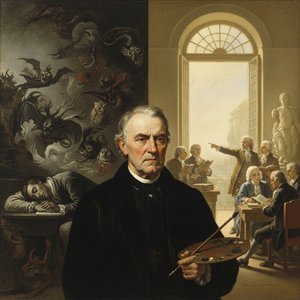
Francisco Goya: Oscurità e Illuminismo – Un'Esplorazione Approfondita della Vita, delle Opere e dell'Eredità Duratura dell'Artista
Esplora la vita e le opere di Francisco Goya, il maestro spagnolo tra Illuminismo e Romanticismo. Analisi approfondita dei suoi capolavori, dai ritratti ai Disastri della Guerra e alle intense Pitture Nere.


Da Scatto a Eredità Preziosa: Rivivi il Giorno del Tuo Matrimonio Attraverso l'Arte
Trasforma il tuo giorno più bello in un'opera d'arte! Scopri come crea ritratti di matrimonio personalizzati, dipinti a mano da esperti. Un regalo unico e prezioso per celebrare il vostro amore.

Dallo Scatto Istantaneo al Ritratto d'Atelier: La Rinascita della Tecnica ad Olio nell'Era Digitale
Scopri la rinascita della pittura ad olio! Riproduzioni di alta qualità realizzate da esperti artisti. Consulenza personalizzata e opere uniche per arredare con stile e valore.

I 10 Capolavori a Olio su Tela che Hanno Rivoluzionato la Storia dell'Arte
Scopri i 10 capolavori a olio che hanno segnato la storia dell'arte! Da Leonardo a Van Gogh, esplora le storie e le tecniche dei più grandi maestri. Trova stampe su tela di alta qualità e idee per decorare casa con .
L'Arte del Ricordo Nascosto: Commissionare Ritratti a Olio Personalizzati come Espressione di Affetto e Sorpresa Discreta
Commissiona un ritratto a olio personalizzato realizzato da artisti esperti. Cattura emozioni e crea un'opera d'arte unica per te o come regalo speciale. Qualità garantita, mockup digitale e stile su misura.



