


 Anteprima in scala reale
 Invia
Invia Condividi
 Dettagli opera
 Guida
Guida

 Scarica
 Simili
 Radiografia
 Slideshow
 Statistiche
St Andrew


 Espandi i dettagli
Riproduzione a olio fatta a mano
Olio su tela dipinto a mano nelle tue dimensioni e con la tua cornice, realizzato su ordinazione dai nostri artisti. ( Passa alle stampe Passa all'immagine digitale)




P118B €10

P118H €10

P118W €10

P438Z €10

P508JH €12

P508YH €12

P805H €10

P805Z €10

P919BZ €10

P919G €10

P919XJ €10

P959ZH €10

P968JZ €12

W106C €8

W218G €10

W218JH €8

W218Y €10

W307PJ €10

W316G €10

W316PJ €8

W316Y €10

W398PJ €8

W4111J €10

W500HY €15

W500JH €15

W692G €12

W849H €8

W940BG €15

W953PJ €8




Scegli tra le nostre dimensioni predefinite, che rispettano le proporzioni originali dell'opera d'arte.

Inserisci la larghezza e l'altezza desiderate, per adattarle alla tua cornice o alla tua parete. Trattandosi di un'opera dipinta a mano, in caso di dimensioni con un formato differente, l'artista può estendere leggermente il dipinto oltre i bordi dell'immagine o ritagliare una piccola parte — la scelta spetta a te. Ti invieremo un mockup digitale da approvare prima che la realizzazione abbia inizio. L'immagine mostrata in questa pagina non rappresenta il risultato finale — solo il mockup lo fa.
Dopo l'ordine, il team di ArtsDot.com contatterà il cliente via e-mail per ricevere le istruzioni e fornirà un'anteprima del mockup
Consegna in tutto il mondo () in 3/4 settimane anziché nelle normali 5 settimane. (27 Ottobre). Nessun compromesso sulla qualità.

Spedizione espressa gratuita in tutto il mondo

Tela in lino di alta qualità

Assicurazione completa sulla spedizione

Garanzia di rimborso dei dazi doganali

Garanzia di fedeltà cromatica assoluta

Politica di reso entro 100 giorni (solo per difetti di fabbricazione)

Garanzia di rimborso al 100%

Offerta per acquisti multipli
 L'opzione vetro è disponibile solo per dimensioni inferiori a 110 cm

St Andrew
Tecnica di riproduzione
Dimensioni riproduzione
-


Prezzo finale calcolato
€ 231
The Weight of Faith: Camillo Rusconi’s St Andrew
Camillo Rusconi's "St Andrew," completed in 1708-9 and residing within the magnificent Archbasilica of Saint John Lateran in Rome, is more than just a marble sculpture; it’s a profound meditation on martyrdom, faith, and the transition between the dynamism of the Baroque and the restrained elegance of Neoclassicism. Rusconi, a pivotal figure bridging these artistic movements, masterfully captures the apostle's final struggle – a potent image that speaks to enduring spiritual resilience. The sculpture isn’t merely a depiction of Andrew; it’s an embodiment of his unwavering devotion in the face of imminent death, radiating a palpable sense of both agony and profound serenity.
Rusconi inherited a rich artistic legacy, trained initially by Giuseppe Rusnati in Milan before finding his footing within Ercole Ferrata's workshop in Rome. This lineage instilled in him a deep understanding of both the expressive fervor of the late Baroque – particularly influenced by Bernini’s dramatic use of form and gesture – and the burgeoning emphasis on clarity and order championed by Carlo Maratta. “St Andrew” exemplifies this delicate balance; it retains the powerful physicality characteristic of Baroque sculpture while subtly incorporating elements that foreshadow the emerging Neoclassical style, notably in its carefully controlled composition and refined detailing.
A Study in Marble and Movement
The sculpture itself is a breathtaking achievement in marble carving. Rusconi’s skill lies not just in his technical mastery – evident in the incredibly detailed drapery, the meticulously rendered musculature of Andrew's body, and the luminous quality of the stone – but also in his ability to imbue the figure with life. Andrew is depicted in a dynamic pose, leaning forward as if bracing himself against an unseen force, his arm outstretched towards the heavy cross he struggles to bear. The folds of his garment ripple and flow around him, creating a sense of movement that contrasts sharply with the stillness of the marble.
Rusconi’s use of *contrapposto* – a technique where the figure's weight is shifted onto one leg – creates an inherent tension within the sculpture. This subtle imbalance contributes to the feeling of struggle and vulnerability, while simultaneously conveying Andrew’s strength and determination. The lighting, carefully considered during the original installation, would have further accentuated these effects, casting dramatic shadows that emphasized the contours of his body and the weight of the cross.
Symbolism and Spiritual Weight
Beyond its technical brilliance, “St Andrew” is rich in symbolic meaning. The cross, a central motif throughout Christian art, represents sacrifice, redemption, and the triumph over death. Andrew’s struggle to hold it aloft speaks to the arduous nature of faith – the constant effort required to maintain one's commitment even in the face of adversity. The apostle’s facial expression is particularly poignant; his brow furrowed in concentration, his eyes fixed on the cross, conveys a sense of intense inner turmoil mingled with unwavering resolve.
The setting within the niche – flanked by imposing columns adorned with intricate carvings – further enhances the sculpture's significance. This architectural context elevates Andrew to a position of honor and reverence, solidifying his role as a martyr and a symbol of Christian faith. The overall composition evokes a sense of solemnity and contemplation, inviting viewers to reflect on the themes of sacrifice, perseverance, and the enduring power of spiritual conviction.
A Legacy in Stone
“St Andrew” by Camillo Rusconi stands as a testament to the artist’s remarkable talent and his pivotal role in bridging the gap between Baroque and Neoclassical sculpture. It's a work that continues to resonate with viewers today, offering a powerful visual representation of faith, struggle, and the enduring legacy of one of Christianity’s most revered apostles. Reproductions of this iconic piece capture not only its aesthetic beauty but also the profound emotional depth that defines Rusconi’s masterpiece.
Domande e risposte
"St Andrew" di Camillo Rusconi è di pubblico dominio?
Stato del copyright per "St Andrew" di Camillo Rusconi: l'opera è di pubblico dominio - il copyright è scaduto. Ciò determina se sia possibile effettuare liberamente riproduzioni dell'immagine.
Da dove provengono i visitatori di "St Andrew" di Camillo Rusconi?
È disponibile una pagina Statistiche per "St Andrew", che illustra le visite mensili dell'opera e delle altre creazioni dell'artista, con dettagli relativi a paese e lingua.
Qual è il formato di "St Andrew"?
"St Andrew" di Camillo Rusconi ha un formato Portrait. Il formato descrive le proporzioni della composizione.
Opere simili

![Leggenda Di San Francesco - [23] - San Francesco Messo A Vece Da Santa Chiara — Giotto Di Bondone, Gotico](/media/artworks/images-thumb/17/1c/171c284c41dc3ef8bca83e51c1e1e531.jpg)


Biografia dell'artista
Camillo Rusconi: Vita e Eredità
Primi Anni di Vita e Formazione
Camillo Rusconi (Milano, Italia, 1658 – 1728) è stato uno stimato scultore italiano del tardo Barocco romano. Il suo percorso artistico è iniziato con la formazione nella sua città natale di Milano presso Giuseppe Rusnati, che a sua volta aveva legami con l'atelier di Ercole Ferrata a Roma. Questa precoce esposizione ha gettato le basi per il successivo successo e lo sviluppo stilistico di Rusconi.
Trasferimento a Roma e Primi Anni Professionali
Entro il 1685-1686, Rusconi si trasferì a Roma e entrò nello studio di Ercole Ferrata. Sfortunatamente, Ferrata morì poco dopo l'arrivo di Rusconi, ma prima di farlo, gli ha trasmesso preziose conoscenze ed esperienze. Rusconi si è rapidamente affermato come uno scultore talentuoso, ottenendo commissioni per statue allegoriche in gesso che rappresentavano le quattro virtù – Prudenza, Giustizia, Temperanza e Forza – per la Cappella Ludovisi nella chiesa di Sant'Ignazio. Ha collaborato anche con Le Gros scolpendo angeli per il timpano dell'altare di San Igazio alla Chiesa del Gesù.
Stile Artistico e Influenze
Lo stile di Rusconi è caratterizzato da un unico blend tra la dinamicità barocca e la compostezza neoclassica. È stato profondamente influenzato da maestri precedenti come Algardi e Bernini, adottando elementi delle loro forme espressive e del loro grande stile. Tuttavia, l'influenza più significativa sul suo lavoro è venuta dal pittore Carlo Maratta, il cui accento sulla composizione ordinata e sulla chiara presentazione delle figure ha plasmato l'approccio di Rusconi alla scultura.
Realizzazioni Principali
- Gli Apostoli a San Giovanni Laterano: Forse la realizzazione più celebrata di Rusconi è la serie di quattro statue degli apostoli dalle dimensioni colossali (Matteo, Giacomo il Grande, Andrea e Giovanni) create tra il 1708 e il 1718 per le nicchie dell'Archibasilica di San Giovanni Laterano. Questo progetto era un'impresa importante a Roma all'epoca, con Rusconi che ha ottenuto più commissioni dei suoi colleghi scultori Le Gros e Pierre-Etienne Monnot.
- Tomba del Papa Gregorio XIII: Completata tra il 1715 e il 1723 per la Basilica di San Pietro, questa tomba è una testimonianza dell'abilità di Rusconi nel creare sculture funerarie monumentali.
- Altre Opere Notevoli: Rusconi ha anche contribuito con decorazioni architettoniche a San Silvestro in Capite, San Salvatore in Lauro e la Chiesa Nuova (Santa Maria in Vallicella). Ha creato la tomba di Bartolomeo Corsino a San Giovanni in Laterano e il monumento al Principe Alessandro Sobieski a Santa Maria della Concezione.
Significato Storico
Camillo Rusconi ha svolto un ruolo cruciale nella transizione dallo stile barocco a quello neoclassico nella scultura romana. Il suo lavoro, in particolare gli Apostoli a San Giovanni Laterano, ha dimostrato una crescente preferenza per la compostezza e la chiarezza classiche, ponendo una tendenza che avrebbe influenzato le generazioni successive di artisti. È stato descritto come “Carlo Maratta in marmo”, evidenziando la sua capacità di tradurre l'estetica raffinata del pittore in forma scultorea.
Eredità e Allievi
L'eredità di Rusconi si estende oltre le sue stesse creazioni artistiche. Ha formato numerosi scultori di successo, tra cui Pietro Bracci, Giovanni Battista Maini e Filippo della Valle, assicurando la continuità dei suoi principi stilistici. Nel 1727, è stato onorato con il titolo di Principe (Principe) dell'Accademia di San Luca, un testamento del suo prestigio all'interno della comunità artistica romana.

Camillo Rusconi
1658 - 1728 , Italia
Dettagli rapidi
- Artistic Movement Or Style: Barocco e Neoclassicismo
- Artists Who Influenced This Artist:
- Giuseppe Rusnati
- Ercole Ferrata
- Alessandro Algardi
- Gian Lorenzo Bernini
- Carlo Maratta
- Date Of Birth: 1658
- Full Name: Camillo Rusconi
- Nationality: Italian
- Notable Artworks:
- Apostoli a San Giovanni Laterano
- Tomba di Papa Gregorio XIII
- San Giacomo Maggiore
- Fortitudine
- Place Of Birth: Milano
Articoli correlati

The Enduring Legacy of Marble: A Comprehensive Exploration of Technique, Symbolism & Artistic Expression
Explore the rich history of marble sculpture from antiquity to the Renaissance! Discover key techniques, influential artists & enduring themes in classical art. Expert insights for collectors and enthusiasts at ArtsDot.

I 10 Capolavori Bronzei che Hanno Rivoluzionato la Storia dell'Arte | ArtsDot
Esplora i 10 capolavori bronzei che hanno segnato la storia dell'arte! Da Rodin a Michelangelo, scopri le storie e le tecniche dietro queste sculture iconiche. Trova riproduzioni d'arte di alta qualità per decorare la tua casa con ArtsDot.com.

The Enduring Form: Exploring Themes & Techniques in Sculpture Across Historical Periods
Explore the rich history of sculpture from ancient masterpieces to contemporary innovations. Discover key techniques, influential artists & investment potential for discerning art collectors.
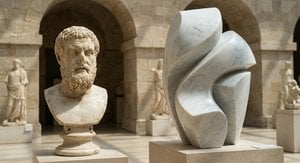
The Enduring Allure of Marble in Art History: From Classical Sculpture to Modern Abstraction
Explore the captivating history of marble sculpture from ancient Greece to modern art. Discover renowned artists like Canova & Michelangelo, carving techniques, and investment insights at ArtsDot.

The Enduring Form: Sculpture Across History, Technique & Emotional Resonance
Explore the rich history of sculpture with ArtsDot. Discover key techniques, influential artists & investment potential for discerning collectors. Expert insights into valuing and collecting timeless masterpieces.
