


 Anteprima in scala reale
 Condividi
 Condividi
 Dettagli

 Scarica immagine
 Articoli simili
 Radiografia
 Slideshow
Self-portrait


 Leggi tutto
Riproduzione a olio fatta a mano
Olio su tela dipinto a mano nelle tue dimensioni e con la tua cornice, realizzato su ordinazione dai nostri artisti. ( Ordina stampa Acquista download)




P118B $10

P118H $10

P118W $10

P438Z $10

P508JH $12

P508YH $12

P805H $10

P805Z $10

P919BZ $10

P919G $10

P919XJ $10

P959ZH $10

P968JZ $12

W106C $8

W218G $10

W218JH $8

W218Y $10

W307PJ $10

W316G $10

W316PJ $8

W316Y $10

W398PJ $8

W4111J $10

W500HY $15

W500JH $15

W692G $12

W849H $8

W940BG $15

W953PJ $8




Scegli tra le nostre dimensioni predefinite, che rispettano le proporzioni originali dell'opera d'arte.

È possibile inserire dimensioni personalizzate per adattare l'opera a una cornice o a uno spazio specifico. Se la dimensione selezionata non corrisponde alle proporzioni dell'immagine originale, provvederemo a ritagliare l'opera o a estendere il dipinto con elementi aggiuntivi dipinti a mano. Un mockup digitale ti sarà inviato per approvazione prima dell'inizio della produzione.
Si prega di notare che l'anteprima a schermo non riflette il ritaglio o l'estensione effettivi. Solo il mockup mostrerà accuratamente la composizione finale.
Sebbene siano disponibili dimensioni personalizzate, consigliamo di selezionare una dimensione dall'elenco predefinito per preservare le proporzioni originali.
Dopo l'ordine, il team di ArtsDot.com contatterà il cliente via e-mail per le istruzioni e fornirà un'anteprima del mockup
Consegna in tutto il mondo () in 3/4 settimane anziché nelle normali 5 settimane. (17 Agosto). Nessun compromesso sulla qualità.

Spedizione espressa gratuita in tutto il mondo

Tela in lino di alta qualità

Assicurazione completa sulla spedizione

Garanzia di rimborso dei dazi doganali

Garanzia di fedeltà cromatica dell'originale

Politica di reso entro 60 giorni (solo per difetti di fabbricazione)

Garanzia di rimborso al 100%

Sconto per acquisti multipli
 L'opzione vetro è disponibile solo per dimensioni inferiori a 110 cm

Self-portrait
Tecnica di riproduzione
Dimensioni della riproduzione
-


Prezzo totale
$ 263
Descrizione dell'opera
A Portrait of Leisure and Status: Bartholomeus van der Helst’s Self-Portrait
Bartholomeus van der Helst's 1655 self-portrait, a remarkably intimate depiction of the artist himself, transcends the typical genre of portraiture. More than simply a likeness, it’s a carefully constructed statement about wealth, social standing, and the burgeoning ideals of the Dutch Golden Age. Painted during a period of immense prosperity for Amsterdam – fueled by its thriving trade networks and maritime power – van der Helst masterfully captures not just his physical appearance but also the aura of success that defined the era's elite. The painting immediately draws the eye with its rich palette, dominated by deep browns, reds, and golds, colors synonymous with luxury and authority within the merchant class. The artist’s pose is deliberately relaxed yet commanding; leaning casually against a stone baluster in what appears to be a wooded park, he exudes an air of cultivated ease – a gentleman enjoying his leisure time, far removed from the demands of daily life. This carefully chosen setting, with its suggestion of expansive land ownership beyond the confines of the city, subtly reinforces his social aspirations and ties him to the ideals of aristocratic status that were increasingly sought after by ambitious burghers.The Mastery of Dutch Portraiture: Technique and Style
Van der Helst’s skill as a portraitist is immediately evident in the meticulous detail with which he renders every element of the scene. The texture of his velvet jacket, the intricate folds of his clothing, and even the delicate veins in his hands are rendered with astonishing precision – a hallmark of Dutch artistic training at the time. His technique leans heavily on chiaroscuro, utilizing dramatic contrasts between light and shadow to sculpt the figure and create a sense of depth and volume. This masterful manipulation of light not only highlights van der Helst’s features but also imbues the portrait with an almost theatrical quality. The background landscape, painted with loose brushstrokes, provides a harmonious counterpoint to the artist's sharply defined form, suggesting both natural beauty and carefully curated composition. Notably, the painting reflects the influence of Anthony van Dyck, whose elegant portraits were immensely popular throughout Europe, demonstrating van der Helst’s commitment to capturing not just appearance but also personality and character – a crucial element in establishing a successful portrait.Symbolism and Social Commentary
Beyond its technical brilliance, the self-portrait is laden with symbolic meaning. The inclusion of a hunting dog, a common motif in Dutch art during this period, speaks to the aristocratic pursuits favored by the wealthy elite. Hunting was not merely a sport; it represented status, discipline, and control over nature – qualities highly valued within the social hierarchy. The open collar, adorned with elaborate cords and tassels, further emphasizes van der Helst’s wealth and fashionable sensibilities. The subtle gesture of pointing towards the dog reinforces his position as a man of leisure and influence. Even the choice of setting—a park-like landscape—suggests an escape from the pressures of urban life and a connection to the land – a powerful symbol of prosperity and social mobility. Van der Helst, through this carefully orchestrated composition, subtly critiques the aspirations of his patrons while simultaneously presenting himself as a worthy subject for their portraits.A Window into the Dutch Golden Age
Bartholomeus van der Helst’s self-portrait offers a captivating glimpse into the heart of 17th-century Amsterdam – a city at the height of its power and influence. It reflects not only the artistic achievements of the era but also the complex social dynamics that shaped it. The painting serves as a testament to the rise of the merchant class, their ambition for social advancement, and their patronage of the arts. Studying this work allows us to appreciate the intricate interplay between wealth, status, and artistic expression during a period often characterized by both unprecedented prosperity and underlying social tensions. It’s a poignant reminder that even within the realm of portraiture, artists could subtly engage with the broader currents of their time, offering insightful commentary on the values and aspirations of their society.Reproductions and Artistic Legacy
Today, reproductions of van der Helst's self-portrait remain highly sought after by collectors and interior designers alike. The painting’s elegant composition, rich colors, and evocative symbolism continue to resonate with audiences across centuries. When selecting a reproduction, consider the quality of materials used – a hand-painted replica will capture the nuances of the original far more effectively than a digital print. The enduring appeal of this self-portrait lies in its ability to transport us back to Amsterdam’s Golden Age, offering a rare and intimate portrait of an artist who skillfully captured both his own identity and the spirit of his time.Opere correlate


Biografia dell'artista
Primi Anni e Carriera
- Bartholomeus van der Helst nacque ad Amsterdam, nei Paesi Bassi, nel 1613.
- Iniziò la sua carriera come pittore in giovane età.
- Si ritiene che fosse influenzato dalle opere di altri importanti pittori olandesi, tra cui Ferdinand Bol.
- I suoi primi lavori mostravano una forte attenzione ai dettagli e al realismo, il che divenne un tratto distintivo del suo stile.
Pittura di Ritratti e Stile
- I ritratti di Van der Helst sono caratterizzati dalla loro eleganza e raffinatezza.
- Era noto per la sua capacità di catturare l'essenza dei suoi soggetti, spesso raffigurandoli con abiti e ambientazioni elaborate.
- I suoi ritratti erano molto richiesti dall'élite benestante di Amsterdam.
- Dipinse frequentemente ritratti di gruppo, mostrando più figure all'interno di una singola composizione.
Opere Principali e Realizzazioni
- Ritratti dell'Élite di Amsterdam: Questi sono ospitati al Rijksmuseum di Amsterdam.
- Il Banchetto alla Corporazione dei Balestrieri in Celebrazione del Trattato di Münster (1648): Questa è considerata una delle sue opere più celebrate, che mostra un grande ritratto di gruppo con dettagli e dinamismo notevoli. Esemplifica la sua capacità di catturare un senso di occasione e gerarchia sociale.
- Divenne uno dei pittori di ritratti leader di Amsterdam a metà degli anni '40 del Seicento, superando Rembrandt in popolarità per un certo periodo.
Influenze e Eredità
- L'influenza di Van der Helst può essere vista nel lavoro di altri pittori olandesi, tra cui Ludolf Bakhuizen, che lo assistette in diverse occasioni.
- La sua eredità è evidente nei molti ritratti che ha dipinto, ora ospitati in musei come il Rijksmuseum e ArtsDot.com.
- Ha contribuito significativamente allo sviluppo della ritrattistica durante l'Età dell'Oro olandese, stabilendo uno stile caratterizzato da eleganza, dettaglio e attenzione alla cattura del carattere individuale all'interno di contesti di gruppo.
Vita Successiva e Morte
- Van der Helst sposò Anna du Pire nel 1636. Ebbero sei figli, due dei quali sopravvissero all'età adulta.
- Affittò una casa sul Walenpleintje ad Amsterdam intorno al 1647 a causa della necessità di un laboratorio più grande.
- Suo figlio, Lodewijk (1642-dopo il 1683), seguì le orme del padre come pittore.
- Bartholomeus van der Helst morì ad Amsterdam il 16 dicembre 1670.

Bartholomeus Van Der Helst
1613 - 1670 , Paesi Bassi
Informazioni rapide
- Artistic Movement Or Style: Barocco, Età dell'Oro Olandese
- Artists Or Movements Influenced By This Artist: ['Ludolf Bakhuizen']
- Artists Who Influenced This Artist: ['Ferdinand Bol']
- Date Of Birth: 1613
- Date Of Death: 1670
- Full Name: Bartholomeus van der Helst
- Nationality: Olandese
- Notable Artworks: ["Ritratti dell'élite di Amsterdam"]
- Place Of Birth: Haarlem, Paesi Bassi
Articoli correlati

Rembrandt van Rijn: I 25 Capolavori Immortali da Ammirare | ArtsDot
Esplora i 25 capolavori di Rembrandt van Rijn, da 'La Ronda di Notte' ai suoi intensi autoritratti. Scopri la storia, le tecniche e l'arte barocca del maestro olandese. Riproduzioni di alta qualità su ArtsDot.com.
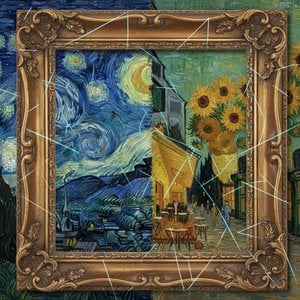
Van Gogh: Le 25 Opere Più Iconiche per Amare l'Arte e Arredare con Stile
Esplora le 25 opere più iconiche di Van Gogh: dai Girasoli alla Notte Stellata. Scopri la storia, lo stile e i colori che hanno reso Vincent van Gogh un maestro dell'arte moderna. Trova riproduzioni di alta qualità su ArtsDot.com.

I 10 Capolavori del Barocco Olandese che Hanno Definito un'Epoca | ArtsDot
Esplora i 10 capolavori del Barocco olandese con ArtsDot. Scopri Rembrandt, Vermeer e altri maestri. Quadri antichi, luce intensa e storie affascinanti per decorare la tua casa con arte di qualità museale. Esplora la collezione online!

I 10 Capolavori dell'Età d'Oro Olandese: Arte, Storia e Stile per la Tua Casa
Esplora i 10 capolavori dell'Età d'Oro Olandese con ! Rembrandt, Vermeer e altri maestri rivivono in dipinti iconici. Scopri storia, tecnica e colori di opere senza tempo per arredare la tua casa con arte di qualità museale. Esplora la collezione online!

Rembrandt van Rijn: Luce, Ombra e Anima del Secolo d'Oro Olandese – Innovazione, Emozione e il Ritratto dell'Umanità
Esplora la vita e l'opera di Rembrandt van Rijn, il maestro del Secolo d'Oro olandese. Approfondisci la sua tecnica rivoluzionaria del chiaroscuro, i suoi ritratti intensi e l'eredità artistica che continua a ispirare.



