

- 66.0 x 53.0 cm


A kép az Ön választásai alapján készült: , .
A gyűjtemény leírása
Discover 'Untitled (D2X37D)' by Thomas Le Clear (1818-1882), a captivating Victorian painting of three boys fishing. Explore the details of this 1846 oil on canvas masterpiece, featuring birds and a serene river scene.
 Összes részlet megjelenítése
A művész életrajza
Thomas Le Clear (1818-1882) was an American portrait & genre painter known for his captivating scenes of childhood and prominent figures like Millard Fillmore. A founding member of the Buffalo Fine Arts Academy, explore his 19th-century masterpieces.
Kézzel készített olajfestmény reprodukció
Kézzel festett olajvastú vászon, az Ön által választott méretben és keretben, művészeink készítik meglévőre. ( Váltás nyomtatványra Áttérés digitális képre)
Több információ erről a festményről
 Megtekintés
 Küldés
 Megosztás
 Részletek
 Útmutató

 Letöltés
 Hasonló darabok
 X-ray felvétel
 Diavetítés
 Kérdések és válaszok
 Statisztika
Rendelje meg festményét négy egyszerű lépésben
Ne siessen! Bármely választ módosítható; az rendelési összesítőben megjelenő ár minden egyes döntésre reagál.
1 Az első lépés négyből
Melyik méretet szeretné?
Ezek a méretek megőrzik az eredeti festmény arányait. A rajz bemutatja a választott méretet egy falon, egy kétszáz centiméteres kanapé felett.
Vagy adja meg a saját méreteit
Válasszon előre meghatározott méreteink közül, amelyek megfelelnek a műalkotás eredeti arányainak.

Írja be a kívánt szélességet és magasságot, hogy illeszkedjen a keretéhez vagy a falához. Mivel ez kézzel festett alkotás, egy eltérő formájú méret esetén a művész akár festhet is valamivel többet a kép körül, vagy korolathat is belőle — az Ön döntésének megfelelően. A festés megkezdése előtt küldünk egy digitális tervezetet jóváhagyásra. Az oldalon látható kép nem tartalmazza a végeredményt — csak a tervezet mutatja meg a valódi eredményt.
2 A négy lépésből a második
Hogyan kívánja előkészíteni: feltekercselve, vászonra feszítve vagy keretezve?
Az alábbi árak az első lépésben választott méretre vonatkoznak.
Válaszd ki a feszített vászon széleit
Válassza ki a keretet

Fehér Ft1

Elmosódott szélek Ft1

Kiterjesztett Ft1

P118B Ft10

P118H Ft10

P118W Ft10

P438Z Ft10

P508JH Ft12

P508YH Ft12

P805H Ft10

P805Z Ft10

P919BZ Ft10

P919G Ft10

P919XJ Ft10

P959ZH Ft10

P968JZ Ft12

W106C Ft8

W218G Ft10

W218JH Ft8

W218Y Ft10

W307PJ Ft10

W316G Ft10

W316PJ Ft8

W316Y Ft10

W398PJ Ft8

W4111J Ft10

W500HY Ft15

W500JH Ft15

W692G Ft12

W849H Ft8

W940BG Ft15

W953PJ Ft8

H24-GOLD Ft30

H24-SILVER Ft30

H36-GOLD Ft45

H36-SILVER Ft45
Keretezett
Keretprofil: . A kerettel együtt vett teljes méret: .
3 A négy lépésből a harmadik
Szeretne változtatni valamit a festményen?
A legtöbb ember nemet mond erre. Mivel minden festmény kézzel készül, művészünk képes az Ön igényei szerint is átalakítani azt.
A megrendelést követően a ArtsDot.com csapat e-mailt küld a vásárlónak az instrukciókkal, és biztosítja a tervezeti előnézetet
4 A négy lépés közül a negyedik
Néhány felületfinisz
Mindegyik opcionális. A már kiválasztott válaszok nem jelentnek plusz költséget.
Ki festette?
Világszerte elérhető szállítás () 3-4 hét alatt a szokásos 5 hét helyett. (6 november). A minőség nem kérdőjelezhető.
Egy felirat, mint egy múzeumban?
A gravírozott bronztábla részletei
This elegant plaque features the artist's name and the title of the artwork, finely engraved for a timeless presentation.
It is made from bronze with a refined, elegant finish. The text is precisely laser-engraved for a sharp and permanent result. Measuring 9x2 cm, the plaque is compact yet easy to read. It's built to be durable and scratch-resistant, offering a professional, museum-quality look. Mounting is simple thanks to the included adhesive backing.
Átlátszó akril tábla részletei
The plaque includes essential engraved details such as the artist's name, the title of the artwork, the date it was created, the type of media used-like oil on canvas or watercolor-a brief description of the piece, and a QR code that links to the complete artwork information.
It is crafted from clear acrylic, offering a sleek, modern appearance. The text is UV-engraved in black to ensure strong visual contrast. With a size of 10x15 cm, it ensures optimal readability. It comes equipped with two metal hooks for secure wall mounting. The plaque is designed to be weather-resistant, making it suitable for various environments, and it includes interactive features that work seamlessly with smartphone scanning.
Fekete akril tábla részletei
This elegant plaque includes engraved information such as the artist's name, the title of the artwork, the date it was created, the type of media used (like oil on canvas or watercolor), a short description of the artwork, and a QR code for quick access to more information.
The plaque itself is made from refined black acrylic with a premium finish. The text is laser-engraved in white for high contrast and readability. Its size is 10x15 cm, designed to be easy to read. It comes with two metal hooks for professional mounting. The design is sleek and fits any interior style. It is also weather-resistant and durable, with built-in digital integration for mobile compatibility.
Egy védőréteg?
Mikor lenne szüksége rá?
✓ Ellenőrizés és rendelés
Az Ön által megrendelt festmény

Untitled (D2X37D)
Reprodukciós technika
Reprodukció mérete
-

Kiváló mesterművész
Nagyobb részletesség, finomság és bővített gyártási idő
-

Reprodukció keretezése
-
-
A bármely oldalsó méretét túlszálaló 105 cm (kb. 41 hüvelyk) meghaladó műalkotások vagy reprodukciók esetében a keret összeszerelhető készletként, szétszerelve kerül szállításra. Ez a módszer biztosítja a biztonságos szállítást, és megakadályozza a szállítás során fellépő sérüléseket.
Szakmész összeszerelést igényel – ez nem DIY (önösszeszerelhető) termék.
A készletet egy tapasztalt keretező szakembernek kell összeszerelnie és a vásznat feszítenie kell, fa ragasztó (nem tartalmazza a csomag), vásznfeszítő fogó és szorítók használatával, amelyek a ragasztó száradásáig a keretrészeket egymáshoz vuôngjba tartják. A helytelen összeszerelés vagy a nem egyenletes vásznfeszítés maradandó károsíthatja a műalkotást, és ez nem része a garanciánknak.
 A bármely oldalsó méretét túlszálaló 105 cm (kb. 41 hüvelyk) meghaladó műalkotások vagy reprodukciók esetében a keret összeszerelhető készletként, szétszerelve kerül szállításra. Ez a módszer biztosítja a biztonságos szállítást, és megakadályozza a szállítás során fellépő sérüléseket.
A készlet tartalmazza az összes tömörfa rudat, pontosan méretre vágva.
A mellékelt csavarokkal, valamint a sarokszerekhez szükséges faütő ragasztóval kell összeszerelnie (ez nem tartalmazható a csomagban), így a keretrendezőnek külön kell beszereznie.
A csomag nem tartalmazza a szükséges professzionális eszközöket: egy vászonfeszítőt és klipseket a rácsok vízszintes tartásához a ragasztó megszáradásáig.
Fontos:
A sarokcsatlakozásokhoz fánylagra van szükség, a keretrudakat szorítókapcsokkal kell rögzíteni, amíg a rag teljesen meg nem szárad, a kész keretre feszített vászonhoz pedig vászonfeszítő fogat szükséges. Ezek egyike sem található meg a készletben. Kérjük, rendelés előtt győződjön meg róla, hogy rendelkezik tapasztalt keretező szakemberrel.

Névtábla
-
-

Védőréteg (Lakk)
Fényes lakk (intenzívabb színek, védelem a fény és a nedvesség hatása ellen)
-

Műalkotásom egyedi igényre szabása
Példák a módosíthatóságra: az arc kicserélése az ügyfél fotójára; háziállat hozzáadása (pl. macska helyett kutya); rejtett üzenet elhelyezése a háttérben; a háttér tájainak vagy elemeinek megváltoztatása.
-

Sürgős
Világszerte szóló szállítás () mindössze 3-4 hét alatt, a szokásos 5 hét helyett. (6 november). A minőség nem kérdőjelezhető.
-
Express szállítás
Világszerte elérhető szállítás területre 5 héten belül. (13 november).
A szállítás díja tartalmazza
Összesített ár
Ft 86019
Az üvegkeretes opció csak 110 cm alatti méretben érhető el
Minden rendelés mellé tartalmazva
- Ingyenes globális expressz szállítás
- Prémium minőségű len vászon
- Teljes körű szállítási biztosítás
- Vámvisszatérítési Garancia
- Hiteles színarányosság garancia
- 100 napos visszaküldési lehetőség (csak hibás termékek esetén)
- 100% pénzvisszatérítési garancia
- Több darab vásárlásakor kedvezmény


A Window into Victorian Childhood: Thomas Le Clear’s “Untitled (D2X37D)”
Thomas Le Clear's "Untitled (D2X37D)," painted in 1846, isn’t merely a depiction of three young boys fishing; it’s a poignant snapshot of Victorian America, imbued with a quiet dignity and an intimate understanding of childhood. The scene unfolds along the banks of a gently flowing river, bathed in the soft light that suggests either early morning or late afternoon – a time often associated with reflection and innocence. The composition is remarkably balanced, drawing the eye to the central group while subtly incorporating elements of the surrounding landscape: a mature tree offering dappled shade, hinting at the passage of time and the wisdom it carries, and the distant suggestion of rolling hills, grounding the scene in a sense of place.
Le Clear’s technique is characterized by a meticulous attention to detail and a masterful use of light and shadow. He employs a slightly muted palette – predominantly browns, greens, and blues – creating an atmosphere of subdued realism. The brushstrokes are delicate yet confident, particularly evident in the rendering of the boys' clothing and the texture of their fishing rods. Notably, Le Clear avoids overly dramatic lighting or exaggerated expressions; instead, he captures a genuine moment of shared activity, fostering a sense of quiet observation rather than theatrical display. This restraint is key to the painting’s enduring appeal – it invites us into the scene without imposing our own interpretations.
The Context of Victorian Portraiture and Genre Painting
To fully appreciate “Untitled (D2X37D),” one must consider the broader artistic landscape of 19th-century America. Following the rise of Romanticism, a shift occurred towards more realistic and narrative approaches to painting. Portraiture remained immensely popular, but artists began to explore scenes of everyday life – what became known as genre painting. Le Clear skillfully blends these influences, creating an image that is both formally polished (in its portrait-like composition) and deeply rooted in the realities of rural American life. The inclusion of the boys fishing speaks to a burgeoning interest in depicting the lives of ordinary people, particularly children, which was becoming increasingly valued during this period.
Furthermore, Le Clear’s background as a self-taught artist, beginning his career at just twelve years old by copying religious paintings, is remarkable. This independent path highlights the spirit of innovation within American art at the time – a willingness to learn and adapt from various sources, rather than adhering strictly to established academic traditions. His early success fueled a lifelong dedication to honing his craft, resulting in a body of work that reflects both meticulous study and a unique artistic vision.
Symbolism and Emotional Resonance
The seemingly simple subject matter of three boys fishing is rich with symbolic potential. Fishing itself has long been associated with patience, perseverance, and the rewards of quiet contemplation – qualities highly valued in Victorian society. The boys’ posture—sitting cross-legged on the ground, focused intently on their task—suggests a connection to nature and an appreciation for the simple pleasures of life. The birds circling overhead could represent freedom, innocence, or perhaps even a touch of mischief, adding a layer of visual interest to the scene.
More profoundly, the painting evokes a sense of nostalgia – a longing for a time when childhood was perceived as a period of unburdened joy and connection with the natural world. Le Clear’s ability to capture this feeling is what elevates “Untitled (D2X37D)” beyond a mere depiction of a fishing scene; it becomes a timeless meditation on the beauty and fragility of youth, offering viewers a moment of quiet reflection and emotional resonance.
A Legacy in Reproduction
Today, Thomas Le Clear’s work continues to captivate audiences through high-quality reproductions. The meticulous detail and evocative atmosphere of “Untitled (D2X37D)” are faithfully reproduced in hand-painted versions, allowing art lovers to bring this poignant glimpse into Victorian America into their homes. When selecting a reproduction, consider the artist's commitment to authenticity – ensuring that the colors, textures, and brushstrokes accurately reflect Le Clear’s original vision. A carefully crafted reproduction is not merely a copy; it’s a testament to the enduring power of art to transport us to another time and place.
Kérdések és válaszok
Milyen témát és hangulatot ötvöz a „Untitled (D2X37D)”, Thomas Le Clear alkotása?
A "Untitled (D2X37D)" című alkotás fishing, boys, river, outdoors, trees, birds, victorian témákat ábrázol, hangulata pedig Elegant.
Mennyire intenzívek a „Untitled (D2X37D)”, Thomas Le Clear alkotása színei?
A „Untitled (D2X37D)”, Thomas Le Clear alkotása Monochromatic szín intenzitással rendelkezik.
A "Untitled (D2X37D)" alkotója honában található-e?
Igen – a műalkotás a művész honos országában található. A „Untitled (D2X37D)” mű United States of America múzeumának gyűjteményében található, míg Thomas Le Clear United States of America országban született.
Hasonló műalkotások


Thomas Le Clear
1818 - 1882, United States of America
A művész életrajza
Thomas Le Clear: A Captivating Vision of Victorian America
Born in Oswego, New York, in 1818, Thomas Le Clear’s artistic journey was one forged through self-directed study and a keen observation of the world around him. Unlike many artists of his era who benefited from formal training, Le Clear began his career at just twelve years old, selling copies of religious paintings – notably Saint Matthew – demonstrating an early aptitude for capturing likeness and detail. This initial success fueled a passion that he pursued relentlessly, absorbing techniques and styles through diligent study of the works of established masters. His early life, marked by this independent approach to learning, would profoundly shape his distinctive artistic voice.
Le Clear’s formative years were spent in Canada, specifically London, Ontario, where he honed his portraiture skills during a period of significant growth for the settlement. This experience exposed him to diverse subjects and likely influenced his ability to portray individuals with nuanced characterization. Returning to America, he established himself as a respected artist in Elmira and Rochester, New York, steadily building a reputation for capturing both the outward appearance and inner essence of his sitters. These early commissions provided invaluable practical experience, allowing him to refine his technique and develop a confident style.
A pivotal moment in Le Clear’s career arrived with his relocation to New York City in 1839. Seeking further artistic development, he enrolled under the tutelage of Henry Inman, a prominent portraitist known for his refined academic approach. This period proved instrumental in solidifying his understanding of composition, lighting, and classical techniques. However, Le Clear’s true strength lay not merely in imitation but in imbuing his portraits with a palpable sense of life and emotion – a quality that distinguished him from many of his contemporaries.
The Buffalo Years: Academy and Artistic Flourishing
From 1844 to 1860, Le Clear found a fertile ground for artistic growth in Buffalo, New York. He played a crucial role in the establishment of the Buffalo Fine Arts Academy, becoming one of its founding members and contributing significantly to the development of art education in the region. This involvement reflects his commitment to fostering artistic talent and sharing his knowledge with future generations. During this period, Le Clear’s work flourished, characterized by a growing confidence and an increasingly sophisticated approach to portraiture and genre scenes.
His Buffalo years produced some of his most celebrated works, including evocative depictions of everyday life – scenes of itinerants, interiors filled with portraits, and glimpses into the domestic sphere. These paintings offer valuable insights into the social fabric of 19th-century America, capturing not just physical appearances but also the subtle nuances of human interaction and emotion. The influence of his time in Buffalo is evident in the richness of color and detail that permeates many of his later works.
A National Recognition: Portraits of Prominence
Le Clear’s artistic reputation reached a new level with his election to the National Academy of Design in 1863. This prestigious honor acknowledged his contributions to American art and solidified his standing within the established artistic community. Following this recognition, he continued to produce portraits of notable figures – including Millard Fillmore, William Cullen Bryant, Edwin Booth as Hamlet, and Bayard Taylor – each rendered with a remarkable degree of psychological insight and technical skill.
His ability to capture not just physical likeness but also the character and personality of his subjects was particularly admired. Le Clear’s portraits were often described as “alive,” imbued with a sense of immediacy and emotional resonance that set them apart from more formal or idealized representations. These works remain valuable historical documents, offering intimate glimpses into the lives and personalities of prominent figures of the era.
Legacy and Artistic Style
Thomas Le Clear’s career spanned several decades, during which he developed a distinctive artistic style characterized by meticulous detail, subtle tonal variations, and a remarkable ability to convey emotion. His portraits are not merely representations of individuals; they are carefully constructed narratives that reveal the subject's inner world. While influenced by academic traditions, Le Clear’s work possesses a unique warmth and humanity – a testament to his keen observation skills and his dedication to capturing the essence of his subjects.
He died in Rutherford Park, New Jersey, in 1882, at the age of 64. Despite his relatively short career, Le Clear left behind a significant body of work that continues to be appreciated for its technical skill, emotional depth, and historical significance. His contributions to the Buffalo Fine Arts Academy and his portraits of prominent figures ensure his place as a key figure in American art history.
Kapcsolódó cikkek

Thomas Edwin Mostyn: A Victorian Genre Painter's Journey from Realism to Romantic Enchantment
Discover the captivating world of Thomas Edwin Mostyn (1864-1930), a Victorian artist renowned for his romantic garden scenes and evocative portraits. Explore his artistic journey, legacy & find high-quality reproductions at ArtsDot.
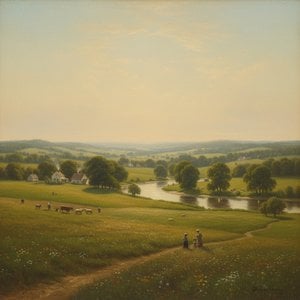
Thomas Worthington Whittredge: Capturing the American Pastoral Ideal with Luminist Light
Explore the luminous landscapes of Thomas Worthington Whittredge, a key figure in the Hudson River School and master of Luminism. Discover his captivating paintings & legacy with ArtsDot.

Henry Thomas Dawson: Navigating Light, Sea & Sentiment in Victorian Marine Painting
Explore the captivating world of Henry Thomas Dawson (1811-1878), a master of Victorian marine painting. Discover his evocative coastal scenes, landscapes & lasting artistic legacy. Learn about collecting Dawson's work and find reproductions at ArtsDot.