
 Enamel
- Decor
- Surrealism
 1947
1947- Modern
 91.0 x 121.0 cm
 National Gallery of Australia

The picture follows your choices: , .
A gyűjtemény leírása
Sidney Nolan’s surreal ‘The Trial’ captures anxiety through distorted figures and unsettling shadows, a key work of Australian modernist art reflecting themes of justice and confinement – explore this iconic painting.
 Összes részlet megjelenítése
A művész életrajza
Sir Sidney Nolan (1917-1992), ausztrál modernista mester! Fedezd fel ikonikus Ned Kelly festményeit, színvonalas tájaképzéseit és egyedi látomását az ausztrál történelemnek. Nézd meg a műveket itt: ArtsDot.
Kézzel készített olajfestmény reprodukció
Kézzel festett olajvastú vászon, az Ön által választott méretben és keretben, művészeink készítik meglévőre. ( Váltás nyomtatványra Áttérés digitális képre)
Ez a műalkotás szerzői jogi védelem alatt áll
Az ezen az oldalon megjelenített műalkotások szerzői jogi védelem alatt állnak, ami azt jelenti, hogy törvényileg nem készíthetünk és nem adhatunk el belőlük pontos másolatokat. Ez a védelem olyan nemzetközi megállapodások alapján érvényesül, mint például a Berni Egyezmény és a nemzeti jogszabályok által, beleértve azokat is, amelyeket meghatározott Az USA szerzői jogi törvénye – 17. cím.
Mint tiszteletes és törvényes alternatívát, olyan egyedi, kézzel festett alkotásokat kínálunk, amelyek az eredetiből merítnek inspirációt. Tapasztalt és professzionális művészeink alaposan tanulmányozzák az eredeti stílusát, hangulatát és művészeti esszenciáját, hogy egy olyan új, egyedi alkotást hozzunk létre, amely ugyanazt az érzést kelti – miközben önálló, eredeti alkotásként létezik.
Ez a módszer teljes mértékben megfelel a szerzői jogi szabályozásnak, mivel nem tartalmazza a védett műalkotás másolását vagy duplikálását. Ehelyett ez egy kreatív újinterpretáció – egy új festmény, amely az eredetivel való összefüggései miatt hatással van rá, de nem az az.
More about this painting
 Küldés
 Megosztás
 Részletek
 Útmutató

 Letöltés
 Hasonló darabok
 Diavetítés
 Q&A
Q&A Statisztika
Order your painting in four simple steps
Take your time. You can change any answer; the price in your order card follows each choice.
1 Step one of four
Which size would you like?
These sizes keep the proportions of the original painting. The drawing shows your choice on a wall, above a two-metre sofa.
Or give your own measurements
Válasszon előre meghatározott méreteink közül, amelyek megfelelnek a műalkotás eredeti arányainak.

Írja be a kívánt szélességet és magasságot, hogy illeszkedjen a keretéhez vagy a falához. Mivel ez kézzel festett alkotás, egy eltérő formájú méret esetén a művész akár festhet is valamivel többet a kép körül, vagy korolathat is belőle — az Ön döntésének megfelelően. A festés megkezdése előtt küldünk egy digitális tervezetet jóváhagyásra. Az oldalon látható kép nem tartalmazza a végeredményt — csak a tervezet mutatja meg a valódi eredményt.
2 Step two of four
How should it be prepared: rolled, stretched or framed?
The prices below are for the size you chose in step one.
Choose the edges of the stretched canvas
Choose your frame

White Ft1

Blurside Ft1

Extended Ft1

P118B Ft10

P118H Ft10

P118W Ft10

P438Z Ft10

P508JH Ft12

P508YH Ft12

P805H Ft10

P805Z Ft10

P919BZ Ft10

P919G Ft10

P919XJ Ft10

P959ZH Ft10

P968JZ Ft12

W106C Ft8

W218G Ft10

W218JH Ft8

W218Y Ft10

W307PJ Ft10

W316G Ft10

W316PJ Ft8

W316Y Ft10

W398PJ Ft8

W4111J Ft10

W500HY Ft15

W500JH Ft15

W692G Ft12

W849H Ft8

W940BG Ft15

W953PJ Ft8

H24-GOLD Ft30

H24-SILVER Ft30

H36-GOLD Ft45

H36-SILVER Ft45
Keretezett
Moulding: . Overall size with the frame: .
3 Step three of four
Would you like anything changed in the painting?
Most people answer no. Because each painting is made by hand, our artist can also adapt it for you.
After order, ArtsDot.com team will email client for instructions and provide a mockup preview
4 Step four of four
A few finishing options
All of them are optional. The answers already selected cost nothing extra.
Who paints it?
Világszerte elérhető szállítás () 3-4 hét alatt a szokásos 5 hét helyett. (30 október). A minőség nem kérdőjelezhető.
A nameplate, as in a museum?
A gravírozott bronztábla részletei
This elegant plaque features the artist's name and the title of the artwork, finely engraved for a timeless presentation.
It is made from bronze with a refined, elegant finish. The text is precisely laser-engraved for a sharp and permanent result. Measuring 9x2 cm, the plaque is compact yet easy to read. It's built to be durable and scratch-resistant, offering a professional, museum-quality look. Mounting is simple thanks to the included adhesive backing.
Átlátszó akril tábla részletei
The plaque includes essential engraved details such as the artist's name, the title of the artwork, the date it was created, the type of media used-like oil on canvas or watercolor-a brief description of the piece, and a QR code that links to the complete artwork information.
It is crafted from clear acrylic, offering a sleek, modern appearance. The text is UV-engraved in black to ensure strong visual contrast. With a size of 10x15 cm, it ensures optimal readability. It comes equipped with two metal hooks for secure wall mounting. The plaque is designed to be weather-resistant, making it suitable for various environments, and it includes interactive features that work seamlessly with smartphone scanning.
Fekete akril tábla részletei
This elegant plaque includes engraved information such as the artist's name, the title of the artwork, the date it was created, the type of media used (like oil on canvas or watercolor), a short description of the artwork, and a QR code for quick access to more information.
The plaque itself is made from refined black acrylic with a premium finish. The text is laser-engraved in white for high contrast and readability. Its size is 10x15 cm, designed to be easy to read. It comes with two metal hooks for professional mounting. The design is sleek and fits any interior style. It is also weather-resistant and durable, with built-in digital integration for mobile compatibility.
A protective varnish?
When do you need it?
✓ Check and order
Your painting, as you ordered it

The Trial
Reprodukciós technika
Reprodukció mérete
-

Kiváló mesterművész
Nagyobb részletesség, finomság és bővített gyártási idő
-

Reprodukció keretezése
-
-
A bármely oldalsó méretét túlszálaló 105 cm (kb. 41 hüvelyk) meghaladó műalkotások vagy reprodukciók esetében a keret összeszerelhető készletként, szétszerelve kerül szállításra. Ez a módszer biztosítja a biztonságos szállítást, és megakadályozza a szállítás során fellépő sérüléseket.
Szakmész összeszerelést igényel – ez nem DIY (önösszeszerelhető) termék.
A készletet egy tapasztalt keretező szakembernek kell összeszerelnie és a vásznat feszítenie kell, fa ragasztó (nem tartalmazza a csomag), vásznfeszítő fogó és szorítók használatával, amelyek a ragasztó száradásáig a keretrészeket egymáshoz vuôngjba tartják. A helytelen összeszerelés vagy a nem egyenletes vásznfeszítés maradandó károsíthatja a műalkotást, és ez nem része a garanciánknak.
 A bármely oldalsó méretét túlszálaló 105 cm (kb. 41 hüvelyk) meghaladó műalkotások vagy reprodukciók esetében a keret összeszerelhető készletként, szétszerelve kerül szállításra. Ez a módszer biztosítja a biztonságos szállítást, és megakadályozza a szállítás során fellépő sérüléseket.
A készlet tartalmazza az összes tömörfa rudat, pontosan méretre vágva.
A mellékelt csavarokkal, valamint a sarokszerekhez szükséges faütő ragasztóval kell összeszerelnie (ez nem tartalmazható a csomagban), így a keretrendezőnek külön kell beszereznie.
A csomag nem tartalmazza a szükséges professzionális eszközöket: egy vászonfeszítőt és klipseket a rácsok vízszintes tartásához a ragasztó megszáradásáig.
Fontos:
A sarokcsatlakozásokhoz fánylagra van szükség, a keretrudakat szorítókapcsokkal kell rögzíteni, amíg a rag teljesen meg nem szárad, a kész keretre feszített vászonhoz pedig vászonfeszítő fogat szükséges. Ezek egyike sem található meg a készletben. Kérjük, rendelés előtt győződjön meg róla, hogy rendelkezik tapasztalt keretező szakemberrel.

Névtábla
-
-

Védőréteg (Lakk)
Fényes lakk (intenzívabb színek, védelem a fény és a nedvesség hatása ellen)
-

Műalkotásom egyedi igényre szabása
Példák a módosíthatóságra: az arc kicserélése az ügyfél fotójára; háziállat hozzáadása (pl. macska helyett kutya); rejtett üzenet elhelyezése a háttérben; a háttér tájainak vagy elemeinek megváltoztatása.
-

Sürgős
Világszerte szóló szállítás () mindössze 3-4 hét alatt, a szokásos 5 hét helyett. (30 október). A minőség nem kérdőjelezhető.
-
Express szállítás
Világszerte elérhető szállítás területre 5 héten belül. (6 november).
A szállítás díja tartalmazza
Összesített ár
Ft 126864
Az üvegkeretes opció csak 110 cm alatti méretben érhető el
Included with every order
- Ingyenes globális expressz szállítás
- Prémium minőségű len vászon
- Teljes körű szállítási biztosítás
- Vámvisszatérítési Garancia
- Hiteles színarányosság garancia
- 100 napos visszaküldési lehetőség (csak hibás termékek esetén)
- 100% pénzvisszatérítési garancia
- Több darab vásárlásakor kedvezmény


A Surrealist Confrontation with Justice
In the annals of Australian modernism, few works possess the unsettling psychological depth of Sir Sidney Nolan’s 1947 masterpiece, The Trial. This is not merely a depiction of a courtroom; it is a fever dream rendered in enamel, a profound meditation on the crushing weight of legal scrutiny and the fragility of human identity. As one gazes upon this composition, they are immediately thrust into a theatrical stage of anxiety, where the boundaries between reality and nightmare blur. Nolan, a master storyteller of the Australian landscape and psyche, utilizes a distorted, compressed perspective to create a space that feels both vast in its symbolic implications and claustrophobically tight in its execution. The viewer is not an observer standing at a distance, but a witness trapped within the same suffocating atmosphere as the figures on the board.
The composition is anchored by a striking, almost grotesque central figure—a character with a box-like head that stares directly at the viewer, stripping away the comfort of anonymity. This figure is flanked by the rigid authority of a judge perched upon an elevated platform and a watchful uniformed guard, creating a hierarchy of power that feels both ancient and inescapable. Behind this primary drama, rows of faceless silhouettes and exaggeratedly expressive faces emerge from the shadows, suggesting a society of silent observers and complicit bystanders. The use of thick, black outlines lends the figures a graphic, almost primitive quality, while the abrupt termination of a checkered floor pattern at the bottom of the frame serves as a visual metaphor for the psychological confinement experienced by those caught in the gears of justice.
The Language of Shadow and Symbol
Nolan’s technical mastery is evident in his restrained yet evocative color palette. By leaning heavily into muted browns, creams, and deep blacks, he establishes a somber, funereal mood that reflects the bleakness of judgment. However, it is the strategic placement of small, piercing splashes of red and blue within the uniforms and background details that prevents the work from descending into mere monochrome; these accents act like sudden jolts of adrenaline in an otherwise numbing landscape. The smooth, enamel-like texture of the paint provides a deceptive sense of calm, contrasting sharply with the rough, underlying grain of the composition board, much like the polished veneer of legal procedure masking the raw, jagged emotions of the accused.
For the collector or the interior designer, The Trial offers more than just visual intrigue; it provides a profound emotional resonance that can anchor a room with intellectual gravity. The painting’s fusion of Surrealism and Expressionism makes it a versatile piece for sophisticated spaces—it speaks to those who appreciate art that challenges the status quo and invites deep contemplation. Whether placed in a private study or a contemporary gallery setting, the work serves as a conversation starter about themes of innocence, guilt, and the dehumanizing nature of institutional power. To own a reproduction of this work is to possess a fragment of Australian art history, a piece that captures the restless, myth-making energy of one of the 20th century's most vital artistic voices.
Kérdések és válaszok
A "The Trial" jellemző arra, amit Sidney Nolan általában alkotott?
Sidney Nolan dokumentált témái – mythic landscape, australian identity, justice system, prisoner symbolism, surrealist vision – között a „The Trial” különös hangsúlyt fektet courtroom, justice, prisoner, silhouette, australia, mythology, trial-ra.
Megtekinthetném „The Trial”, Sidney Nolan alkotása alkotást más megvilágítás mellett is?
A „The Trial”, Sidney Nolan alkotása X-ray felvétel oldala egy interaktív nézegető, amely lehetővé teszi a mű alkotásának eleven optikai rétegei közötti görgetést, beleértve az röntgenszerű felvételt is.
Hová sorolható a Sidney Nolan pályájának mely szakaszába a "The Trial"?
A "The Trial" Sidney Nolan pályájának a Mature Period szakaszába tartozik. Ez a besorolás összekapcsolja a művet a művész fejlődésével.
Hasonló műalkotások


Sidney Nolan
1917 - 1992, Ausztália
A művész életrajza
A Life Painted in Myth and Landscape
Sir Sidney Robert Nolan, born in Melbourne in 1917, stands as a monumental figure in 20th-century Australian art. His journey was not one of conventional artistic training but rather an explosive emergence from the working-class streets of St Kilda into a world of vibrant imagination and relentless experimentation. Nolan wasn’t simply a painter; he was a visual storyteller, a mythmaker who wrestled with Australia's history, its landscapes, and its very identity. From his early days as a runner for an illegal betting ring to his eventual acclaim on the international stage, Nolan’s life was marked by a restless energy and a refusal to be confined by artistic norms. He absorbed influences from diverse sources – the poetry of Rimbaud, the spatial innovations of Cézanne, the raw emotion of Danila Vassilieff – yet forged a style uniquely his own, one that resonated with a distinctly Australian sensibility. His early exposure to the harsh realities of Melbourne life and the allure of its underbelly would profoundly shape his artistic vision, imbuing his work with a sense of both defiance and vulnerability.Early Life and Influences
Nolan’s formative years were steeped in intellectual ferment. The Heide Circle, centered around patrons John and Sunday Reed, proved pivotal. This haven for artists and writers fostered a spirit of radical experimentation and provided Nolan with crucial support during his developing phase. It was at Heide that he encountered kindred spirits – Albert Tucker, Joy Hester, Arthur Boyd – all grappling with the challenge of creating a distinctly Australian modernism. The influence of modernist literature, particularly the Symbolist poets, cannot be overstated. Rimbaud’s call for a “systematic derangement of the senses” became a guiding principle for Nolan, liberating him from representational constraints and encouraging him to explore the emotional power of color, form, and symbolism. His early works demonstrate this influence, often featuring fragmented figures and dreamlike landscapes that hint at deeper psychological truths. He wasn’t interested in merely depicting reality; he sought to capture its essence, its underlying emotions, and its hidden narratives. This period also saw Nolan experimenting with various media, from stage design for the Ballet Russes to commercial art, each experience contributing to his growing technical prowess and artistic vocabulary. He was particularly drawn to Klee’s approach in art—Klee intentionally undermined the accepted boundaries of art by experimentation and a range of techniques, media and juxtaposition of subject matter.The Heide Circle and Artistic Development
Nolan's engagement with the Heide Circle solidified his belief that art should transcend mere imitation of nature. He recognized the importance of conveying emotion and psychological insight—a conviction that would permeate his entire oeuvre. Tucker, Hester and Boyd shared Nolan’s desire to forge a new artistic path, rejecting academic conventions in favor of intuitive expression. They embraced techniques like collage and assemblage, reflecting the broader modernist preoccupation with disrupting established forms. This collaborative spirit nurtured Nolan's creativity and propelled him toward groundbreaking innovations. His early paintings reflect his study of artists such as Pablo Picasso, Joan Miro, Wassily Kandinsky, Max Ernst and Paul Klee. He was particularly captivated by Klee’s exploration of childlike spontaneity and the rejection of rational order—values that resonated deeply with Nolan’s artistic sensibilities.The Iconoclasm of Ned Kelly
Nolan's most enduring achievement is undoubtedly his series of paintings depicting Ned Kelly, the infamous Australian bushranger. This wasn’t simply a historical retelling; it was a profound exploration of Australian identity, lawlessness, and the romanticized figure of the outlaw. Nolan stripped away the conventional heroic imagery associated with Kelly, presenting him as an enigmatic, almost spectral presence encased in iconic armor. The flattened planes of color, the stark contrasts, and the simplified forms create a powerful visual statement that transcends mere representation. The Ned Kelly series became a defining moment in Australian art, transforming the bushranger from a historical figure into a national symbol. It sparked debate, challenged conventional narratives, and forced Australians to confront their complex relationship with their past. Nolan’s stylistic depiction of Kelly's armor—a deliberate rejection of photographic realism—became instantly recognizable as an emblem of defiance and resilience. He employed bold brushwork and expressive color palettes to convey the psychological intensity of his subject matter, capturing both the grandeur and vulnerability of Kelly’s persona.A Legacy of Visionary Art
Nolan's prolific output spanned painting, sculpture, ceramics, stage design, and even opera sets—demonstrating an unparalleled artistic versatility. He traveled extensively throughout his life – Europe, Africa, America – each journey informing his art with new perspectives and influences. His later works often reflect a more introspective mood, grappling with themes of mortality, memory, and the search for meaning. Despite achieving international recognition, Nolan remained deeply connected to Australia, viewing his art as a means of understanding and interpreting its unique character. He received numerous accolades throughout his career, including appointments as an Officer of the Order of Merit (OM), a Companion of the Order of Australia (AC), and a Commander of the Order of the British Empire (CBE). His paintings continue to inspire artists today, cementing his place as one of Australia’s most influential modernist masters.


Kapcsolódó cikkek
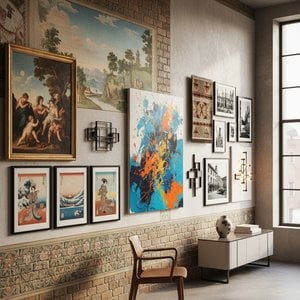
Transforming Spaces: A Comprehensive Exploration of Wall Decor Through Art History & Contemporary Practice
Explore the art of transforming spaces with our comprehensive guide to wall decor. From historical movements to contemporary trends, discover how to curate impactful interiors and commission bespoke artwork for a truly personalized aesthetic.

The Enduring Legacy of Fine Art Prints: Technique, History & Aesthetic Impact
Explore the rich history & techniques of fine art prints. Discover investment potential, assess authenticity, and learn how to preserve your collection with expert guidance. Trusted insights for discerning collectors.

Echoes of Time: Exploring the Enduring Appeal & Historical Context of Vintage Art Prints
Explore the captivating world of vintage art prints! Discover their history, collecting tips & enduring appeal. Expert insights on chromolithography and building a legacy collection with ArtsDot.