


 Előnézet
 Megosztás
 Megosztás
 Részletek
 Útmutató

 Letöltés
 Hasonló darabok
 X-ray felvétel
 Diavetítés
 Statisztika
untitled (4070)


 Tovább olvasom
Az ezen az oldalon megjelenített műalkotások szerzői jogi védelem alatt állnak, ami azt jelenti, hogy törvényileg nem készíthetünk és nem adhatunk el belőlük pontos másolatokat. Ez a védelem olyan nemzetközi megállapodások alapján érvényesül, mint például a Berni Egyezmény és a nemzeti törvények által, beleértve azokat is, amelyeket meghatározott Az USA szerzői jogi törvénye – 17. cím.
Ez a módszer teljes mértékben megfelel a szerzői jogi szabályozásnak, mivel nem tartalmazza a védett műalkotás másolását vagy duplikálását. Ehelyett ez egy kreatív újinterpretáció – egy új festmény, amely az eredetivel való összefüggései miatt hatással van rá, de nem az az.
Giclée / Műnyomat
Múzeumi minőségű giclée vagy vászonnyomat, gyors gyártással és rugalmas finomítási lehetőségekkel. ( Kézzel festett másolat vásárlása Áttérés digitális képre)




P118B Ft10

P118H Ft10

P118W Ft10

P438Z Ft10

P508JH Ft12

P508YH Ft12

P805H Ft10

P805Z Ft10

P919BZ Ft10

P919G Ft10

P919XJ Ft10

P959ZH Ft10

P968JZ Ft12

W106C Ft8

W218G Ft10

W218JH Ft8

W218Y Ft10

W307PJ Ft10

W316G Ft10

W316PJ Ft8

W316Y Ft10

W398PJ Ft8

W4111J Ft10

W500HY Ft15

W500JH Ft15

W692G Ft12

W849H Ft8

W940BG Ft15

W953PJ Ft8




Válasszon előre meghatározott méreteink közül, amelyek megfelelnek a műalkotás eredeti arányainak.

Megadhat saját méreteket is egy konkrét kerethez vagy helyszínhez igazítva. Amennyiben a kiválasztott méret nem egyezik az eredeti kép arányokkal, a műalkotást le fogjuk vágni, vagy kiegészítjük a képet tükrözött vagy egyszínű szélekkel. A gyártás megkezdése előtt egy digitális tervezetet küldünk jóváhagyásra.
Kérjük, vegye figyelembe, hogy a képernyőn látható előnézet nem tükrözi a tényleges levágást vagy kiegészítést. Csak a tervezet mutatja pontosan a végső kompozíciót.
Bár az egyedi méretek is elérhetőek, az eredeti arányok megőrzése érdekében azt javasoljuk, hogy válasszon a előre meghatározott listából származó méretet.
Világszerte történő kiszállítás területére mindössze 2 hét alatt, a szokásos 4-5 hét helyett. (8 október)

Ingyenes globális expressz szállítás

Prémium minőségű len vászon

Teljes körű szállítási biztosítás

Vámvisszatérítési Garancia

Tökéletes színarányosság garancia

100 napos visszaküldési garancia (csak gyártási hibás termékek esetén)

100% pénzvisszatérítési garancia

Több darab vásárlásakor kedvezmény
 Az üvegkeretes opció csak 110 cm alatti méretben érhető el

untitled (4070)
Giclée / Műnyomat
Reprodukció méretei
-


Összesített ár
Ft 19388
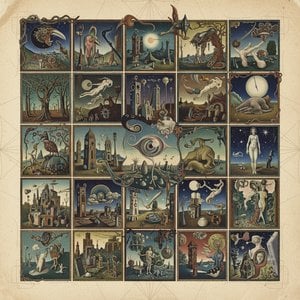
A Dreamscape of Human Connection: Exploring Max Ernst’s ‘Untitled (4070)’
Max Ernst's *untitled (4070)* is a captivating example of his mature Surrealist style, inviting viewers into a world that feels both familiar and profoundly unsettling. Painted sometime during his prolific career – spanning decades of artistic innovation – this work exemplifies Ernst’s ability to tap into the subconscious and translate it onto canvas. The painting presents a grouping of figures amidst a subtly rendered landscape, creating an atmosphere ripe with psychological tension and symbolic weight.Subject & Composition
The composition centers around five figures, arranged in a manner that suggests both proximity and isolation. They are not engaged in any discernible activity; rather, they *exist* within the space, their postures hinting at contemplation, weariness, or perhaps even alienation. A lone chair positioned slightly left of center adds to the enigmatic quality of the scene – is it an invitation, a discarded memory, or simply another element in this dreamlike tableau? Trees frame both sides of the composition, acting as sentinels and further emphasizing the figures’ contained existence within this ambiguous realm. The arrangement isn't naturalistic; Ernst deliberately disrupts conventional perspective to heighten the sense of unease and otherworldliness.Style & Technique
Ernst was a master of various techniques, constantly experimenting with new ways to unlock his creative vision. While the specific technique used in *untitled (4070)* requires further investigation regarding its size and medium, it clearly demonstrates Ernst’s signature Surrealist approach. His style is characterized by a rejection of rational representation, favoring instead the illogical juxtaposition of images and forms drawn from personal experience, mythology, and the collective unconscious. The painting's palette is muted and earthy, contributing to its somber and introspective mood. The brushwork appears deliberate yet fluid, allowing for both precise detail and a sense of atmospheric ambiguity.Historical Context & Surrealist Influences
Born in Germany in 1891, Max Ernst was a pivotal figure in both the Dada and Surrealist movements. Dada, born out of disillusionment with World War I, rejected logic and embraced absurdity as a means of challenging societal norms. Ernst carried this rebellious spirit into Surrealism, which sought to liberate thought, language, and human experience from the constraints of reason. Influenced by Freudian psychoanalysis, Surrealist artists aimed to access the realm of dreams and the unconscious mind – a goal vividly realized in *untitled (4070)*. The post-war period profoundly impacted Ernst’s work; themes of displacement, anxiety, and the fragmentation of identity are subtly woven into his imagery.Symbolism & Interpretation
Interpreting Surrealist art is often an open-ended endeavor, as artists intentionally avoided providing definitive meanings. However, certain symbolic readings can be proposed. The figures may represent aspects of the self, fragmented and searching for connection. The trees could symbolize life, growth, or perhaps even ancestral roots. The chair, a recurring motif in art history, often represents authority, absence, or contemplation. Ultimately, *untitled (4070)* invites viewers to project their own emotions and experiences onto the scene, creating a deeply personal connection with the artwork.Emotional Impact & Aesthetic Appeal
*Untitled (4070)* evokes a sense of quiet melancholy and existential questioning. It’s not a painting that offers easy answers; instead, it prompts reflection on the human condition – our longing for connection, our anxieties about isolation, and our search for meaning in an often-absurd world. Its subtle color palette and dreamlike atmosphere make it a compelling addition to any collection, particularly those focused on Surrealism or 20th-century art.- For art lovers:
- A thought-provoking piece that embodies the core tenets of Surrealism.
- For collectors:
- An investment in a historically significant artist with enduring appeal.
- For interior designers:
- A sophisticated and evocative artwork that adds depth and intrigue to any space. Its muted tones complement various décor styles, while its enigmatic subject matter sparks conversation.
Gyakran Ismételt Kérdések
Mely művészhez köthető a "untitled (4070)"?
A „untitled (4070)” műtémét Max Ernst alkotójának tulajdonítják.
A „untitled (4070)”, Max Ernst alkotása a keresett Surrealism művészeti alkotások közé tartozik?
A „untitled (4070)”, Max Ernst alkotása a Iconic kategóriába tartozik, és a Surrealism irányzat részeként tekinthető.
Van-e útmutató a(z) „untitled (4070)”, Max Ernst alkotása alkotáshoz?
A „untitled (4070)”, Max Ernst alkotása alkotáshoz elérhető egy Útmutató oldal: egy kinyomtatható információs lap a műről, amelyet diákok és tantervhez készült használatra terveztek.
Milyen érzést közvetít a „untitled (4070)”, Max Ernst alkotása?
A „untitled (4070)”, Max Ernst alkotása hangulatát Calm érzetet közvetít, érzelmi tónusa pedig Melancholic.
Ki árul „untitled (4070)”, Max Ernst alkotása kézzel festett másolatait?
A „untitled (4070)”, Max Ernst alkotása kézzel festett másolataival a ez a weboldal oldalon találkozhat: kézzel festett olajfesték reprodukció lino vászonon, megrendelve a ez az oldal felületén.
Elérhető-e a "untitled (4070)" minőségi nyomtatványként?
A "untitled (4070)" elérhető minőségi giclée nyomat pamutvászonon vagy archiváló vászonpapíron formátumban. A rendeléseket a ez az oldal oldalon lehet leadni, a kívánt méretben.
A "untitled (4070)" jellemző arra, amit Max Ernst általában alkotott?
A "untitled (4070)" surreal figures, dreamlike landscape, tree forms”, “vintage art style”, “abstract composition”, “psychological themes”, “max ernst style”-t ábrázol, míg Max Ernst dokumentált témái a dada & surrealism, dreamlike imagery", psychological exploration, frottage technique, chance & intuition, post-war anxiety, symbolic landscapes, erosion of reality. A kettő összevetése megmutatja, hogyan kapcsolódik ez a mű a művész megszokott motívumaihoz.


A művész életrajza
A Life Immersed in the Surreal
Max Ernst, született Maximilian Maria Ernst néven április 1-jén 1891-ben Brühl városban, Németországban, egy nyugodt lelkű ember volt, akit a művészet iránti szenvedély és a társadalmi normák elleni szorongás vezéreltek. Élete nem volt hagyományos művészi tanulmányok sorozata; inkább önmagában irányított felfedezés volt, melyet filozófiai gondolkodással, pszichológiai vonzalommal és mély elmélettel a társadalmi elvárásokkal szemben. Apja, egy tanár a vakok számára és amatőr festő, mindkét oldalon érzékenységet adott neki a világ felé, mind pedig ellenállást az elismert hatalommal szemben. Ez korai kettősség meghatározó vonása lett művészeti látásának.
Ernst tanulmányi évei a Bonni Egyetemen – filozófia, művészettörténet, irodalom, pszichológia és pszichiátria területén – nem csupán szórólapok voltak, hanem mélyen befolyásoló alapvető elemek, melyek formálták későbbi munkáit. Nemcsak arra törekedett, hogyan kell festeni; hanem arra is, miért. Ez az érvelőkészsége elvezette őt a legújabb művekkel találkozásához Picasso, Van Gogh és Gauguin esetében a Cologne Sonderbund kiállításon 1912-ben, ami véglegesen megváltoztatta művészi pályáját. A modernizmus magjában rejlett.
Dada Szüntetése és a Surrealista Vizek Kezdeti
A I. világháború kataklízaszerű eseménye mélyen megrendítette Ernst életét. Seregben töltött évei, mind keleti, mind nyugati fronton, mélyen megnevették, mély szkeptikus hozzáállást alakított ki iránta a megragadott renddel szemben és egy új kifejezési módok vágyását. Ez a csalódtatás termékeny talajt biztosított a virágzó Dada mozgalom számára, melyet 1918-ban visszatérve Kölnbe fogadta el teljes szívvel. Hans Arp – egy élethosszig tartó barát és kollégája – mellett Ernst lett a mozgás kulcsembere, elutasítva a hagyományos művészi konvenciókat és elfogadva az abszurditást, a véletlenséget és az irracionalitást.
A Dada azonban csak egy lépcső volt. A 1920-as évek elején Ernst Párizsba költözött és csatlakozott a Surrealistákhoz, melyet André Breton vezette. Ez jelölte be a válás irányát a tudattalan világ felé, az álomvilág felé és az irracionális erők felé. A pszichoanalitikus elméletek (Sigmund Freud) hatására Ernst arra törekedett, hogy felfedezze az emberi lélek mélyebb rétegeit művészetén keresztül. Nem a valóság ábrázolását akarta megtenni, hanem az alábbi erőkövetelések feltárását, amelyek alakították azt.
Innovatív Technikák: Frottage, Grattage és Collage
Ernst művészi innovációja nem csupán a témaválasztásban mutatkozott meg; ő egy fáma kísérletező volt. Nem csupán elfogadva az előzetes módszereket – hanem újokat is feltalált. Lehetséges legnépszerűbb hozzájárulása a frottage, ami egy olyan folyamat, amely során egyenes vagy grafitot sürünk texturált felületre, hogy váratlan és vonzó képeket hozzunk létre. Ez a technika, mely egy pillanatnyi unalom közben keletkezett, lehetővé tette Ernst számára, hogy belekészüljön a tudattalanba és olyan formákat generáljon, amelyek ellentmondanak a tudatos kontrollnak.
Közel kapcsolódóan a grattage technikát alkalmazta, ahol a festéket leharcoljuk vászonra, feltárva az alábbi rétegeket.
Ő pedig mesteri módon használt collage-t is, összerakva különböző elemeket – képeket magazinokból, tudományos illusztrációkból, fotókból – szürrealisztikus kompozíciókba, amelyek megkérdőjelezték a hagyományos ábrázolás fogalmát. Ezek a technikák nem csupán stilisztikai választások voltak; hanem integrálisan kapcsolódtak az ő tudattalan felfedezéséhez és a hagyományos művészi határok megsértésére irányuló törekvésehez. Képei gyakran tartalmaznak szimbólumokat: madarakat (különösen a saját alter egóját, Loplopt), elszigetelt tájakat, zavaró egymásbahelyezéseket és egyveleget.
Innovációk és Hatások Öröksége
A II. világháború kitörése Ernstot kényszerítette Európából menekülésre, ahol menedékben találkozott az Egyesült Államokban. Folytatta a festést és új technikák kísérletezését a számkölcsönző időszakban, végül Franciaországba tért vissza háború után, ahol aktív maradt halálaig 1976-ban Párizsban.
Ernst hozzájárulásai a Dada és a Surrealizmus mozgásokhoz elkerülhetetlenek voltak. Megkérdőjelezték a művészi normákat, beásták az emberi lélek mélyebb rétegeibe és innovatív technikákat hoztak létre, amelyek továbbra is inspirálják a művészeket ma.
- Névleges művek: The Entire City, Euclides, Ofrenda funeraria, The Equivocal Woman, L'Ange du foyer
- Hatások: Pablo Picasso, Vincent van Gogh, Paul Gauguin, Sigmund Freud, Giorgio de Chirico
- Mozi: Dada, Surrealizmus

Max Ernst
1891 - 1976 , Németország
Gyors információk
- Artistic Movement Or Style: Dada, Surrealizmus
- Artists Or Movements Influenced By This Artist:
- Surrealizmus
- Dada
- Artists Who Influenced This Artist:
- Picasso
- Van Gogh
- Gauguin
- Date Of Birth: Április 1, 1891
- Date Of Death: Április 1, 1976
- Full Name: Max Ernst
- Nationality: Német-amerikai, Francia
- Notable Artworks:
- Ofrenda funerária
- The Equivocal Woman
- L'Ange du foyer
- Place Of Birth: Brühl, Németország
Kapcsolódó cikkek
Max Ernst Mesterek: A 25 Leglenyűgözőbb Kép, Ami Megváltoztatja a Terét – ArtsDot
Fedezze fel Max Ernst 25 legikonikusabb művét! Merüljön el a szürrealizmus, dadaizmus világában és ismerje meg a német festő álomképeit. Művészeti reprodukcióinkkal egyedi faliképekkel varázsolja otthonát galériává – ArtsDot.

A szürrealizmus 10 legikonikusabb mesterműve – Vásároljon művészetet online a ArtsDot-on!
Fedezze fel a szürrealizmus 10 legmeghatározóbb műalkotását! Salvador Dalí, René Magritte és más ikonikus festők álomképei. Vásároljon exkluzív reprodukciókat a ArtsDot-on – otthona elegáns dekorációjához!

Absztrakt Expresszionizmus Mesterei: 10 alkotás, ami meghatározta a művészetet | ArtsDot.com
Fedezze fel a 10 legikonikusabb absztrakt expresszionista alkotást! Ismerje meg Jackson Pollock, Mark Rothko és más mesterek történetét. Művészeti reprodukciók prémium minőségben – ArtsDot.com.

A szürrealizmus 10 legikonikusabb festménye: művészeti remekművek otthonába – ArtsDot
Fedezze fel a szürrealizmus 10 legmeghatározóbb festményét! Salvador Dalí, René Magritte és más művészek álomvilágába kalauzoljuk. Vászonképek, faliképek – inspirálódjon otthonához a ArtsDot-on! Fedezze fel a teljes gyűjteményt online.

Geometrikus Absztrakció Mesterei: 10 Alapvető Műalkotás a Lakberendezéshez
Fedezze fel a geometrikus absztrakció 10 legikonikusabb műalkotását! Kandinsky, Mondrian és más mesterek festményeinek története inspirálja otthona dekorációját. Múzeumi minőségű reprodukciók a ArtsDot.com-on – fedezze fel online!


