

 Előnézet
 Megosztás
 Megosztás
 Részletek

 Letöltés
 Hasonló alkotások
 X-ray felvétel
 Diavetítés
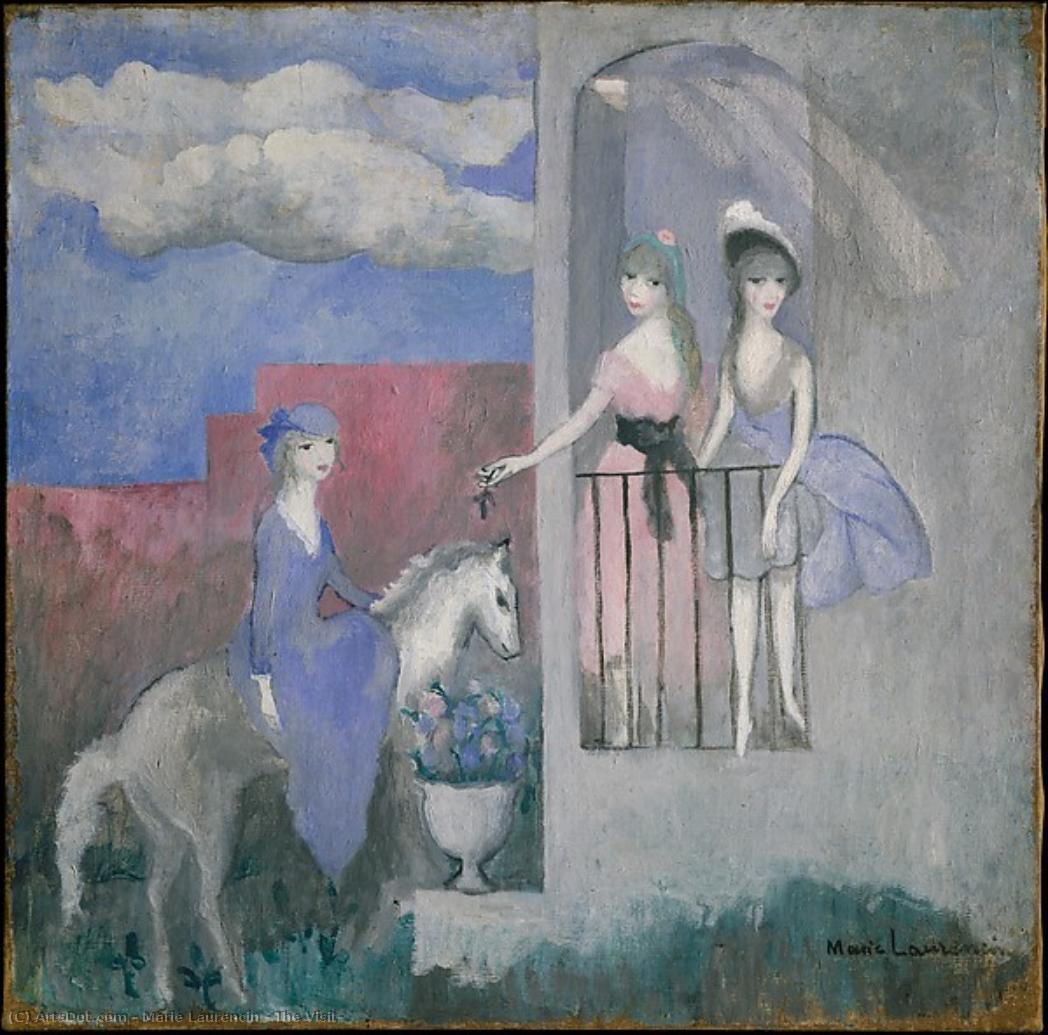
The Visit
 1916
1916 76.0 x 76.0 cm
 Tovább olvasom
Giclée / Műnyomat
Múzeumi minőségű giclée vagy vászonnyomat, gyors gyártással és rugalmas finomítási lehetőségekkel. ( Kézzel festett festmény vásárlása Kép vásárlása)




































Válasszon előre meghatározott méreteink közül, amelyek megfelelnek a műalkotás eredeti arányainak.

Megadhat saját méreteket is egy konkrét kerethez vagy helyszínhez igazítva. Amennyiben a kiválasztott méret nem egyezik az eredeti kép arányokkal, a műalkotást le fogjuk vágni, vagy kiegészítjük a képet tükrözött vagy egyszínű szélekkel. A gyártás megkezdése előtt egy digitális tervezetet küldünk jóváhagyásra.
Kérjük, vegye figyelembe, hogy a képernyőn látható előnézet nem tükrözi a tényleges levágást vagy kiegészítést. Csak a tervezet mutatja pontosan a végső kompozíciót.
Bár az egyedi méretek is elérhetőek, az eredeti arányok megőrzése érdekében azt javasoljuk, hogy válasszon a előre meghatározott listából származó méretet.
Világszerte történő kiszállítás területére 2 hét alatt, a szokásos 4-5 hét helyett. 12 augusztus

Ingyenes globális expressz szállítás

Prémium minőségű len vászon

Teljes szállítási biztosítás

Vámvisszatérítési Garancia

Tökéletes színpontosság garancia

60 napos visszaküldési lehetőség (csak gyártási hibák esetén)

100%-os pénzvisszatérítési garancia

Kedvezmény több termény esetén
 Az üvegkeretes opció csak 110 cm alatti méretben érhető el

The Visit
Giclée / Műnyomat
A reprodukció mérete
-


Összesített ár
$ 62
Hasonló műalkotások


A művész életrajza
Marie Laurencin (1883–1956): A Parisian Muse
- Early Life and Education
- Embracing Modernity: Cubism and the Section d’Or
- A Feminine Vision: Style and Themes
- Later Years and Legacy
Early Life and Education
Marie Laurencin was born in Paris, France on October 31, 1883. Her upbringing was marked by a singular circumstance: her father died early in his life, leaving her mother to raise her alone—a formative experience that instilled in Laurencin a profound appreciation for independence and resilience. Pauline-Mélanie Laurencin, a domestic servant, diligently ensured Marie received a foundational education in technique at Sèvres porcelain manufactory before enrolling at the Académie Humbert in Paris’s Montmartre neighborhood. This formal training provided her with invaluable skills—a cornerstone of her artistic journey.Embracing Modernity: Cubism and the Section d’Or
Laurencin swiftly gravitated toward the revolutionary ideas circulating within the circles of Pablo Picasso and Guillaume Apollinaire, becoming an integral part of the *Section d’Or*, a collective dedicated to exploring the principles of Cubism. Exhibiting at the Salon des Indépendents and the Salon d’Automne between 1910 and 1912, Laurencin demonstrated a clear engagement with the fragmented forms and geometric explorations characteristic of the movement. Her relationship with Apollinaire solidified her position within this influential milieu; he championed her work and served as both muse and collaborator.A Feminine Vision: Style and Themes
Laurencin transcended Cubist rigidity, developing a style distinctly her own—characterized by softened angles and pastel palettes. Her canvases populated primarily by women radiated an aura of grace and quiet contemplation. Unlike many of her contemporaries who focused on industrial subjects or abstract concepts, Laurencin centered her art around themes of beauty, femininity, and the subtle power of observation. She skillfully blended Rococo symbolism with Fauvist color palettes and Cubist geometric forms—creating a unique synthesis that reflected her artistic sensibilities.Later Years and Legacy
The outbreak of World War I disrupted Laurencin’s life and career, prompting her to seek refuge in Spain with her husband, Baron Otto von Waetjen. Despite facing challenges like losing French citizenship through marriage—a poignant reminder of societal constraints—Laurencin persevered, continuing to paint and teaching art until her death on June 8, 1956. Her enduring legacy resides not only in her captivating paintings but also in her courageous assertion of a female gaze within the male-dominated artistic landscape of her time.Notable Achievements
Laurencin’s contribution to early 20th-century art is undeniable. She achieved recognition as one of the few female Cubist painters who challenged gender norms and expanded the boundaries of modernism. Her works are housed in prestigious museums worldwide—including the Musée de l’Orangerie, New York’s Modern Art Museum, and London’s Tate Gallery—ensuring that her vision continues to inspire generations of artists.Influences
Laurencin drew inspiration from diverse sources—ranging from Rococo painting's delicate ornamentation to Impressionism's luminous color palettes. Her artistic exploration was profoundly shaped by the intellectual currents of Symbolist poetry and the pioneering spirit of avant-garde artists like Picasso and Apollinaire.
Marie Laurencin
1883 - 1956 , Francia
Rövid tények
- Artistic Movement Or Style: Kubizmus, Section d’Or
- Artists Or Movements Influenced By This Artist: ['Fauvizmus']
- Artists Who Influenced This Artist:
- Pablo Picasso
- Guillaume Apollinaire
- Date Of Birth: 1883. október 1.
- Full Name: Marie Laurencin
- Nationality: Francia
- Notable Artworks:
- A Szegény nő
- Egy fiatal nő portréja
- Place Of Birth: Párizs

