


A kép az Ön választásai alapján készült: , .
A gyűjtemény leírása
Biblical Subject by Marc Chagall - Lithograph depicting a man riding a horse with a beer bottle, symbolizing Jewish tradition and artistic expression amidst a dreamlike landscape.
 Összes részlet megjelenítése
A művész életrajza
Marc Chagall a álomszerű szimbolizmus mestere, akit az Én és a falu című műve ismert. Fedezze fel vibráló, költői színvilágát még ma!
Kézzel készített olajfestmény reprodukció
Kézzel festett olajvastú vászon, az Ön által választott méretben és keretben, művészeink készítik meglévőre. ( Váltás nyomtatványra Áttérés digitális képre)
Ez a műalkotás szerzői jogi védelem alatt áll
Az ezen az oldalon megjelenített műalkotások szerzői jogi védelem alatt állnak, ami azt jelenti, hogy törvényileg nem készíthetünk és nem adhatunk el belőlük pontos másolatokat. Ez a védelem olyan nemzetközi megállapodások alapján érvényesül, mint például a Berni Egyezmény és a nemzeti jogszabályok által, beleértve azokat is, amelyeket meghatározott Az USA szerzői jogi törvénye – 17. cím.
Mint tiszteletes és törvényes alternatívát, olyan egyedi, kézzel festett alkotásokat kínálunk, amelyek az eredetiből merítnek inspirációt. Tapasztalt és professzionális művészeink alaposan tanulmányozzák az eredeti stílusát, hangulatát és művészeti esszenciáját, hogy egy olyan új, egyedi alkotást hozzunk létre, amely ugyanazt az érzést kelti – miközben önálló, eredeti alkotásként létezik.
Ez a módszer teljes mértékben megfelel a szerzői jogi szabályozásnak, mivel nem tartalmazza a védett műalkotás másolását vagy duplikálását. Ehelyett ez egy kreatív újinterpretáció – egy új festmény, amely az eredetivel való összefüggései miatt hatással van rá, de nem az az.
Több információ erről a festményről
 Megtekintés
 Küldés
 Megosztás
 Részletek
 Útmutató

 Letöltés
 Hasonló darabok
 X-ray felvétel
 Diavetítés
 Kérdések és válaszok
 Statisztika
Rendelje meg festményét négy egyszerű lépésben
Ne siessen! Bármely választ módosítható; az rendelési összesítőben megjelenő ár minden egyes döntésre reagál.
1 Az első lépés négyből
Melyik méretet szeretné?
Ezek a méretek megőrzik az eredeti festmény arányait. A rajz bemutatja a választott méretet egy falon, egy kétszáz centiméteres kanapé felett.
Vagy adja meg a saját méreteit
Válasszon előre meghatározott méreteink közül, amelyek megfelelnek a műalkotás eredeti arányainak.

Írja be a kívánt szélességet és magasságot, hogy illeszkedjen a keretéhez vagy a falához. Mivel ez kézzel festett alkotás, egy eltérő formájú méret esetén a művész akár festhet is valamivel többet a kép körül, vagy korolathat is belőle — az Ön döntésének megfelelően. A festés megkezdése előtt küldünk egy digitális tervezetet jóváhagyásra. Az oldalon látható kép nem tartalmazza a végeredményt — csak a tervezet mutatja meg a valódi eredményt.
2 A négy lépésből a második
Hogyan kívánja előkészíteni: feltekercselve, vászonra feszítve vagy keretezve?
Az alábbi árak az első lépésben választott méretre vonatkoznak.
Válaszd ki a feszített vászon széleit
Válassza ki a keretet

Fehér Ft1

Elmosódott szélek Ft1

Kiterjesztett Ft1

P118B Ft10

P118H Ft10

P118W Ft10

P438Z Ft10

P508JH Ft12

P508YH Ft12

P805H Ft10

P805Z Ft10

P919BZ Ft10

P919G Ft10

P919XJ Ft10

P959ZH Ft10

P968JZ Ft12

W106C Ft8

W218G Ft10

W218JH Ft8

W218Y Ft10

W307PJ Ft10

W316G Ft10

W316PJ Ft8

W316Y Ft10

W398PJ Ft8

W4111J Ft10

W500HY Ft15

W500JH Ft15

W692G Ft12

W849H Ft8

W940BG Ft15

W953PJ Ft8

H24-GOLD Ft30

H24-SILVER Ft30

H36-GOLD Ft45

H36-SILVER Ft45
Keretezett
Keretprofil: . A kerettel együtt vett teljes méret: .
3 A négy lépésből a harmadik
Szeretne változtatni valamit a festményen?
A legtöbb ember nemet mond erre. Mivel minden festmény kézzel készül, művészünk képes az Ön igényei szerint is átalakítani azt.
A megrendelést követően a ArtsDot.com csapat e-mailt küld a vásárlónak az instrukciókkal, és biztosítja a tervezeti előnézetet
4 A négy lépés közül a negyedik
Néhány felületfinisz
Mindegyik opcionális. A már kiválasztott válaszok nem jelentnek plusz költséget.
Ki festette?
Világszerte elérhető szállítás () 3-4 hét alatt a szokásos 5 hét helyett. (11 november). A minőség nem kérdőjelezhető.
Egy felirat, mint egy múzeumban?
A gravírozott bronztábla részletei
This elegant plaque features the artist's name and the title of the artwork, finely engraved for a timeless presentation.
It is made from bronze with a refined, elegant finish. The text is precisely laser-engraved for a sharp and permanent result. Measuring 9x2 cm, the plaque is compact yet easy to read. It's built to be durable and scratch-resistant, offering a professional, museum-quality look. Mounting is simple thanks to the included adhesive backing.
Átlátszó akril tábla részletei
The plaque includes essential engraved details such as the artist's name, the title of the artwork, the date it was created, the type of media used-like oil on canvas or watercolor-a brief description of the piece, and a QR code that links to the complete artwork information.
It is crafted from clear acrylic, offering a sleek, modern appearance. The text is UV-engraved in black to ensure strong visual contrast. With a size of 10x15 cm, it ensures optimal readability. It comes equipped with two metal hooks for secure wall mounting. The plaque is designed to be weather-resistant, making it suitable for various environments, and it includes interactive features that work seamlessly with smartphone scanning.
Fekete akril tábla részletei
This elegant plaque includes engraved information such as the artist's name, the title of the artwork, the date it was created, the type of media used (like oil on canvas or watercolor), a short description of the artwork, and a QR code for quick access to more information.
The plaque itself is made from refined black acrylic with a premium finish. The text is laser-engraved in white for high contrast and readability. Its size is 10x15 cm, designed to be easy to read. It comes with two metal hooks for professional mounting. The design is sleek and fits any interior style. It is also weather-resistant and durable, with built-in digital integration for mobile compatibility.
Egy védőréteg?
Mikor lenne szüksége rá?
✓ Ellenőrizés és rendelés
Az Ön által megrendelt festmény

Biblical subject
Reprodukciós technika
Reprodukció mérete
-

Kiváló mesterművész
Nagyobb részletesség, finomság és bővített gyártási idő
-

Reprodukció keretezése
-
-
A bármely oldalsó méretét túlszálaló 105 cm (kb. 41 hüvelyk) meghaladó műalkotások vagy reprodukciók esetében a keret összeszerelhető készletként, szétszerelve kerül szállításra. Ez a módszer biztosítja a biztonságos szállítást, és megakadályozza a szállítás során fellépő sérüléseket.
Szakmész összeszerelést igényel – ez nem DIY (önösszeszerelhető) termék.
A készletet egy tapasztalt keretező szakembernek kell összeszerelnie és a vásznat feszítenie kell, fa ragasztó (nem tartalmazza a csomag), vásznfeszítő fogó és szorítók használatával, amelyek a ragasztó száradásáig a keretrészeket egymáshoz vuôngjba tartják. A helytelen összeszerelés vagy a nem egyenletes vásznfeszítés maradandó károsíthatja a műalkotást, és ez nem része a garanciánknak.
 A bármely oldalsó méretét túlszálaló 105 cm (kb. 41 hüvelyk) meghaladó műalkotások vagy reprodukciók esetében a keret összeszerelhető készletként, szétszerelve kerül szállításra. Ez a módszer biztosítja a biztonságos szállítást, és megakadályozza a szállítás során fellépő sérüléseket.
A készlet tartalmazza az összes tömörfa rudat, pontosan méretre vágva.
A mellékelt csavarokkal, valamint a sarokszerekhez szükséges faütő ragasztóval kell összeszerelnie (ez nem tartalmazható a csomagban), így a keretrendezőnek külön kell beszereznie.
A csomag nem tartalmazza a szükséges professzionális eszközöket: egy vászonfeszítőt és klipseket a rácsok vízszintes tartásához a ragasztó megszáradásáig.
Fontos:
A sarokcsatlakozásokhoz fánylagra van szükség, a keretrudakat szorítókapcsokkal kell rögzíteni, amíg a rag teljesen meg nem szárad, a kész keretre feszített vászonhoz pedig vászonfeszítő fogat szükséges. Ezek egyike sem található meg a készletben. Kérjük, rendelés előtt győződjön meg róla, hogy rendelkezik tapasztalt keretező szakemberrel.

Névtábla
-
-

Védőréteg (Lakk)
Fényes lakk (intenzívabb színek, védelem a fény és a nedvesség hatása ellen)
-

Műalkotásom egyedi igényre szabása
Példák a módosíthatóságra: az arc kicserélése az ügyfél fotójára; háziállat hozzáadása (pl. macska helyett kutya); rejtett üzenet elhelyezése a háttérben; a háttér tájainak vagy elemeinek megváltoztatása.
-

Sürgős
Világszerte szóló szállítás () mindössze 3-4 hét alatt, a szokásos 5 hét helyett. (11 november). A minőség nem kérdőjelezhető.
-
Express szállítás
Világszerte elérhető szállítás területre 5 héten belül. (18 november).
A szállítás díja tartalmazza
Összesített ár
Ft 85559
Az üvegkeretes opció csak 110 cm alatti méretben érhető el
Minden rendelés mellé tartalmazva
- Ingyenes globális expressz szállítás
- Prémium minőségű len vászon
- Teljes körű szállítási biztosítás
- Vámvisszatérítési Garancia
- Hiteles színarányosság garancia
- 100 napos visszaküldési lehetőség (csak hibás termékek esetén)
- 100% pénzvisszatérítési garancia
- Több darab vásárlásakor kedvezmény


A Dreamscape in Motion: The Lyrical Vision of Marc Chagall
To encounter Marc Chagall’s "Biblical Subject" is to step through a portal into a realm where the boundaries between memory, faith, and fantasy dissolve. Created in 1984, during the twilight of the artist's long and illustrious life, this work serves as a profound visual pilgrimage. It is not merely a depiction of a narrative, but an immersive experience that captures the essence of Chagall’s soul. The piece vibrates with the energy of a man looking backward through the lens of a lifetime, weaving together the vibrant folklore of his Belarusian childhood and the spiritual weight of biblical tradition. In this lithograph, we find a world where gravity is optional, and the heavy textures of history are lightened by the whimsical touch of a dreamer.
The composition presents a striking, surrealist tableau that defies conventional logic to achieve a higher emotional truth. At the heart of the scene, a man rides atop a horse, a powerful symbol of journey and masculine vitality, yet he holds aloft a beer mug—a sudden, playful juxtaposition that grounds the celestial atmosphere in the earthly joys of communal life. Around him, figures drift through a landscape that feels both intimately familiar and otherworldly. The presence of an insect hovering above adds a delicate, almost microscopic layer of detail to the atmosphere, reminding the viewer of the interconnectedness of all living things. This is the hallmark of Chagall’s genius: his ability to marry the monumental with the mundane, creating a symphony of color and movement that feels as spontaneous as a passing thought.
Technique and the Alchemy of Light
Executed as a lithograph, this artwork benefits from a technique that allows for an extraordinary range of tonal nuances. Lithography, which relies on the chemical properties of ink and stone, provides Chagall with the perfect medium to capture what he often called "the fleeting light." The print preserves the subtle gradations of shadow and the luminous glow that seems to emanebate from within the paper itself. For collectors and interior designers, this technical mastery translates into a piece that possesses incredible depth; the colors do not merely sit upon the surface but appear to float within layers of atmosphere. Whether viewed in the soft light of a morning study or under the focused glow of a gallery spotlight, the lithograph maintains its ability to surprise the eye with new details and shifting intensities.
The historical resonance of the work is deeply intertwined with the artist's personal displacement and resilience. Having witnessed the upheaval of the Soviet occupation of his beloved Vitebsk, Chagall used his art to reconstruct a lost world. In "Biblical Subject," we see the echoes of those golden domes and bustling marketplaces, reimagined through a surrealist lens. The piece acts as a bridge between the earthly struggles of the 20th century and the eternal truths of spiritual narrative. For those seeking to adorn a space with art that offers both intellectual depth and aesthetic beauty, this work provides a focal point of profound character—a masterpiece of memory that invites endless contemplation and brings a sense of poetic wonder to any environment.
Kérdések és válaszok
Mennyire ismert a Marc Chagall "Biblical subject" című alkotása?
A „Biblical subject”, Marc Chagall alkotása népszerűségi szintje Iconic. Ez a besorolás azt tükrözi, mennyire ismert és elismert ez a mű.
Mennyire harmonikusak „Biblical subject”, Marc Chagall alkotása színei?
A "Biblical subject" színharmóniája úgy van rögzítve, mint Strong Color Unity.
Milyen technikával készült a "Biblical subject", és mikor készült?
A "Biblical subject" 1984-ben készült, a Lithography technikáját alkalmazva. Az anyag és a dátum leírja, hogy az eredeti mű hogyan és mikor készült.
Hasonló műalkotások



Marc Chagall
1887 - 1985, Belarusz
A művész életrajza
Korai élet, család és oktatás
Marc Chagall a világra 1887. július 7-én érkezett, Vitebskben, az Orosz Birodalomban, ahol Moishe Segal néven született. Egy szerény zsidó család első gyermeke volt, a kilenc testvér közül. Életét a munka és a kisüzemi kereskedelem ritmusai határozták meg. Apja, Khatskel Segal, egy raktárban heringfűszerezőként dolgozott, míg anyja, Feïga-Ita Tchernina egy apró élelmiszerboltot vezetett. Ezek az első évek egy provinciális város specifikus textúráiban gyökereztek, ahol világát egy nagy háztartás szükségletei és közössége hagyományai formálták.
Oktatása a heder falai között kezdődött, amely a hagyományos zsidó alapfokú iskola volt. Itt a hangsúly a vallási oktatáson és nevelése alapvető szövegein maradt. Tizenhárom éves korára tanulmányai a világi oktatás felé írt változást, és beindította a vitebszki hivatalos középiskolát, hogy orosz utbildatást kapjon; ez a lépés megtörés volt gyermekkora szigorúan vallásos szférájától. Ez a kettős létezés – a heder szent hagyományai és az állami iskola világi követelményei között – olyan feszültséget szült, amely meghatározta korai fejlődését.
Művészeti ösztöne első hivatalos kiadási helyet Vitebskben talált. Chagall az első alapokról Iouri Pen helyi műiskoláján kapott érdemi oktatást. Itt kezdett megvalósulni a vizuális kifejezésért érzett nyers ösztöne, amely egy fegyelmezett gyakorlattá vált. A tanterv szerinti órákból a látás folyamatának mélyebb megélésébe vándorolt, felkészítve magát egy olyan életre, amelyet az emlékezet formává változtatása fog dominerálni.
A pétervapi alapozó évek
A Vitebsk provinciális csendéből az imperiális Szentpétervár monumentális skálájára való átlépés nehézkes, küzdelmekkel teli folyamat. 1907 és 1909 között a főváros alig kínált megnyugvást; a szegénység állandó társává válik, és olyan éhezésről is beszámolhatunk, amely a fizikai összeomlásig terjeszkedik. A túlélés érdekében az utcákra kényszerül, ahol aprónyszerűen megélhetést keresve üzletműszaki táblákat rajzol. Ezek a kereskedelmi feladatok biztosítják a szükséges rubleket ahhoz, hogy fennmaradhjon a városi életben, miközben navigálja egy hatalmas, folyamatosan változó birodalom zsidó diákjának komplex létezését.
Az akadémiai törekvések könyörtelenek. Több akadémiában is beiratkozik, megkeresve a formális struktúrát fejlődő vizuális nyelvéhez. A főváros légét máshogy másság, az avantgárd erős hatása tölti el, egy olyan feszültség, amely klasszikus képzésről való elpazarolásra készteti őt. Végül Léon Bakst stúdiójában találja magát, a Ballets Russes díszlettervezőjének műhelyében, ahol a látványtervez színházias esszenciája elkezdi átszűrni a tér és a forma elleni érzékelését. Ez az időszak a szükség és az ambíció összecsapása: a túlélésért végzett vázlatrajzok és a ruszt művészeti életében zajló radikális változások szimultanzán történő megélésének korszaka.
A párizsi évek és az avantgárd hatása
Paris 1910-re vagy 1911-re érkezik a művész életében, egy hirtelen váltásként a Rusz Orosz Birodalom provinciális korlātai közül. A város szenvedélyes, érzéki sokkot okoz; a Montparnasse utcáin fényeket, színeket és szabadságot talált. Ez már nem a heringkereskedő vagy a hagyományos heder iskola világa; ez a radikális lehetőségek tája. A híres művészszállás, La Ruche falai között telepedik le, ahol a levegő sűrű a mới avantgárd jelenlétével. Amedeo Modigliani és Fernand Léger alakjával osztozik ebben a térben – olyan művészekkel, akik a modern kifejezés határait határozzák meg újra. Az korszak hatása elkerülhetetlen, mégis ő egy különállónak tűnik: befogadja a fauvisztikus és a kubista felfedezéseket, de soha nem adja fel saját belső logikáját.
Ebben az időszakben született művek már elkezdenek távolodni a szó szerinti ábrázolástól. Egy olyan stílus felé mozdul el, amely az érzelmi és költői asszociációkat helyezi a festészeti logika szigorú szabályai elé. A színek felpimpulnak, a párizsi életmód energiájától lüktetve. Megszámítja a feszültséget a múlt művészeti oktatása és a jelen kísérletező szabadsága között. Ez az intenzív kreatív súrlódás tana a háború politikai zűrzavaráig tart, amely végül Kelet felé repíti őt vissza. Csak 1923-ban tér vissza Párizsba családjával, újra megküzdve a városi jelenlétében, amely évtizedekkel ezelőtt nyitotta meg előtte vizuális nyelvének kapuját.
- The Betrothed and Eiffel Tower (1913)
- Hommage à Apollinaire (1912-1913)
A orosz évek és a forradalom
A forradalom visszahúzza Chagallt Vitebskba. Ő nem csupán passzívan figyeli a társadalmi megbotráncolást; megpróbálja alakítani annak kulturális tájat is. Vitebsk művészeti biztososának feladatait vállalja, és átveszi egy helyi képzőművészeti iskola igazgatóságát. Látásmódja a közösségi életre és az oktatásra épül, azonban a politikai klíma folyamatosan változik a lába alatt. A szuprematizmus felemelkedése szakadalmat okoz: olyan alakok, mint Malevicsz vagy Lissitzky, radikális, nem-objektív absztrakciót követelnek, ami éles ellentétben áll Marc Chagall lírai, figuratív megközelítésével. A feszültség nem áll másbyl, és végül kényszerül a hivatalaiból való eltávolításra, miközben helyi művészeti reneszánsz álma összeütközik az új rezsim szigorú követelményeivel.
1920-re a fókusz Moszkvába vándorol. A zsidó színház díszítésén dolgozik, egy olyan projektben, amely megörökíti személyes identitása és a nyilvános színpad metszetpontját. Vonalai magabiztosak, színei erősek és egyszerre sároltak, még akkor is, ha a körülötte lévő világ darabokra törik. Intenzív alkotói folyamat és mély anyagi küzdelem közötti időszakot navigál, a shtetl emléke és az állam folyamatos átalakulása között ingadozva. Ezt az korszakot éppen ez a súrlódás határozza meg: a próbálkozás egy kulturális otthon megteremtésére, miközben a világa alapvető fondamentumaival újraírják.
- Over the Town (1914–1918)
- Apparition (kb. 1917-18)
Élet az Egyesült Államokban
A második világháború kitörése hirtelen földrajzi váltást kényszerített az művész életében. 1941-ben Chagall és családja az elfoglaló Franciaország bizonytalanságától menekülve az Egyesült Államokban kereste menedelmét. New York környékén telepedett meg, egy olyan időszakban, amely 1948-ig tartott, és amelynek háttere a mély érzelmi viharokból állt össze. A háborús évek félelmeinek árnyékában ecsetje megörökítette egy folyamatosan változó világ feszültségét. Művészete az akkori bizonytalanságot tükrözte vissza, személyes és globális nyugtalmatlanságot fordítva szenvedés és remény vizuális nyelvévé.
Ezeken a hét év alatt a művész megtalálta az utat, amelyen nagyszabású, intézményi projektekkel kapcsolódhatott ki a művészethez. Önemes megbízásokat vállalt az Egyesült Nemesek Tüzete sz trụhelye számára, ahol poétikus látásmódját egy globális intézmény építészeti szövetébe szövte bele. Az amerikai időszak a kísérletezés és a túlélés jelentőségtes fejezete volt, amely összekötötte európai gyökereit egy új, intenzív valósággal. Chagall két világ közötti emberként maradt, szíve még mindig Franciaország felé húzott, miközben az amerikai exil, és annak bonyolult kihívásai próbálták megformálni létezését.
- White Crucifixion (1938)
Technika és művészeti stílus
A logika az érzelmeknek engedi az utat. Marc Chagall elutasítja a festészeti logika merev szabályait, és helyette a költői asszociációk útján építi fel képeit. Vászai a álom mechanikája szerint működnek: alakok a levegőben lebegnek, megvetve a gravitációt, miközben a színek nem-természetes intenzitással pulzálnak. Ez a megközelítés lehetővé teszi számára, hogy a világ szó szerinti megjelenése helyett az érzés esszenciáját fogja meg. Túlmutat a puszta utánzáson, bátradős színpalettát használva a emlékezetet vizuális nyelvvé formálva.
Esztétikája az influenciák összeütkezése. Elnyeri a kubizmus fragmentált szerkezeteit és a fauvisztikus intenzív színeit, ám ezeket az avantgárd mozgalmakat egy rendkívül személyes lencsén keresztül szűri meg. Az eredmény egy olyan stílus, amely áthidalja az ekspressionizmus és az absztrakció közötti szakadékot. Számos olyan szent és hétköznapi elemet îmel össze, amelyekkel szimbolikus és szürreális képekkel tölti meg jeleneteit. A zsidó népmesék és a shtetl élet halk, éltetett részletei egy privát mitológia építőkövei lesznek; a megszokott váratlanná, a fantasztikussá változik.
Képi világa gyakran ismétlődő motívumok köré csoportosul: repülő amantes, hegedkédők és hatalmas csokrok. Ezek az elemek nem csupán díszítések, hanem egy spirituális és érzelmi táj festői szimbólumai. Az olyan művekben, mint A szerelmesek (1929), a súlytalanság érzése és az intenzív színek használata olyan teret teremt, ahol a világ fizikai törvényei már nem érvényesek. Művészete folyamatos egyensúlyozás a nevelése során tapasztalt, hús-vér valóság és a fantázia végtelen lehetőségei között.
- Én és a falu (1911)
- A zöld hegedkédő (1924)
- Fehér Kereszt (1938)
Mecenások, műhely és megrendelések
A 1920-es évek közepe Chagallot Párizsban találja, ahol a művészeti piac befolyásos körében mozog. Bekerül Ambroise Vollard pályaművész, egy olyan kereskedős körzetbe, amelynek hatása számos avantgárd művész sorsát meghatározta. Vollard egy sorgyűjteményt bíz meg Chagallal, feladva neki, hogy illusztrálja Nikolaj Gogol műveit, különösen a Öت Ölszél* (Dead Souls) című alkotást. Ez az időszak a grafikai precizitás felé való fordulást jelenti, távolodva korábbi vászlaid folyékony, spontaneitástól.
1931-ben a figyelem a Közel-Kelet felé tolódik. Tel-Aviv polgárosa meghívást küld Chagallnak, hogy utazzon Palestinába. A cél ambiciózus: egy zsidó művészeti múzeum megalapítása. Ez az időszak mélyíti vallási és kulturális szimbolikájának használatát, egy olyan téma, amely később is meghatározóvá válik monumentális, építészeti alkotásai mellett. Képesége, amely a személyes és a közösségi emlékezetet fizikai térré alakítja, szakmai életművének egyik meghatározó pillanata lesz.
Névেরsége gyarapodásával művészetének skálája az intime oldalról a monumentális felé bővül. A fény és az építészet birodalmába lép be, színesablakokat tervez a metzi katedránál és az európai és amerikai építészet meghatározó helyszínein, például az ENSZ New York-i felépítményénél. Ezek a művek a színek és a napsugárzás közötti interakció mesteri tudását igénylik. 1964-ben éri el a nyilvános elismertség csúcspontját, amikor megkapja a Párizsi Opera mennyezetének díszítésére vonatkozó megrendelést – egy hatalmas feladat, amely álomszerű képi világát Európa egyik legjelentősebb kulturális templomában teleli meg.
Hol tekinthetjük meg műveit ma?
Látomása hagyatékét számos kulcsfontosságú intézmény őrzi világszerte. Franciaország, Nice városában a Musée National Marc Chagall ad otmutást művei hatalmas gyűjteményének, megőrizve ezzel alkotói életműve magját. Ez a múzeum tömör, mélyreható betekintést nyújtuk arra a szimbolikára, amely meghatározta hosszú pályáját. Ezzel párhuzamosan, Oroszország, Saint-Petersburg Állami Orosz Múzeum jelentős műveket őriz, amelyek visszakapcsolnak korai éveihez és az Orosz Birodalom idejű életéhez.
Művészetének hatékonysága az Atlanti óceánon túl, az Egyesült Államokban is megfurkatságos. New Yorkban a Modern Művészetek Múzeuma (MoMA) olyan alkotásokat tart fenn, amelyek a ki}', az exilomban töltött évek alatt kialakult komplex városi kapcsolódásait tükrözik. Az amerikai MidWesten a Chicagói Művészeti Intézet is kiemelt helyet biztosít művészetének, garantálva jelenlétét a neves nemzetközi gyűjteményekben. Ezek a helyszínek szolgálnak elsődleges találkozóhelyszínként mindazok számára, akik személyesen is meg akarnák tapasztalni szín- és formavilágának egyedülálló varázsát.
- Én és a falu (1911)
- A menyget (1944)
- Fehér Kereszt (1938)
- A lovers (1929)
- A cirkusz (1964)


Kapcsolódó cikkek

A Német Expresszionizmus 10 Mesterműve: Érzelmek és Forradalom a Falakon
Fedezze fel a Német Expresszionizmus 10 legikonikusabb műalkotását! Kirchner, Munch és más német mesterek érzelmi festményeinek történetét bemutatva. Vászonképek, faliképek otthonába – ArtsDot.com kínálata.

Illuminating Faith: Biblical Narrative & Artistic Expression Through the Ages
Explore the rich history of biblical art from Giotto to the Renaissance masters with ArtsDot. Discover symbolism, techniques & enduring legacies. Museum-quality reproductions & expert insights.
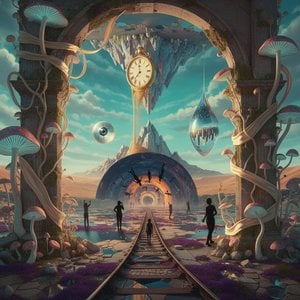
Dreamscapes & Disrupted Realities: Exploring Surrealism's Enduring Influence
Explore the fascinating world of Surrealism! Discover its origins, key artists like Dalí & Magritte, and enduring influence on art & culture. Expert insights & high-quality reproductions at ArtsDot.