


 Előnézet
 Megosztás
 Megosztás
 Részletek
 Útmutató

 Letöltés
 Hasonló darabok
 X-ray felvétel
 Diavetítés
 Statisztika
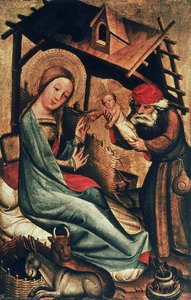
Nativity
 Tovább olvasom
Vásároljon nagy felbontású, javított digitális képet, amely minőségében messze felülmúlja az online előnézetet.
Minden fájlt szakembereink a legmodernebb eszközök és precíz, kézi retusálás segítségével készítenek el aprólékosan. Gondoskodunk arról, hogy minden kép kivételes tisztasággal, pontos színhelyességgel és részletgazdag finomsággal rendelkezzen.
A végleges fájl 72 órán belül e-mailben megérkezik, professzionális, szerkesztői és nyomtatási környezetbe optimalizálva az azonnali használathoz. Ez ugyanaz a minőség, amelyben a legmeghatározóbb tervezőstúdiók, kiadók és galériák is megbízhatnak.
Digitális kép
Töltsön le nagy felbontású fájlt személyes kiállításokhoz, nyomtatáshoz és kreatív projektekhez. ( Váltás nyomtatványra Kézzel festett másolat vásárlása)
Minden digitális kép rendeléséhez tartozó extrák
Szakértői digitális kézbesítés, garantáltan
Amikor a ArtsDot.com szolgáltatást választja, nem csupán egy képet kap – professzionálisan felmagasított digitális műalkotást kap, amely precizitással készült, és amelyet megelégsedési gwarancia tesz biztoslássá. Az alábbiakban automatikusan minden benne 】

Gyors e-mail teslimítés
A nagy felbontású digitális képmásolatát a megrendelést követő 72 órán belül e-mailben elküldjük Önnek – azonnal használható formátumban.

MI-alapú digitális képjavítás
Műve professzionális módon kerül optimalizálásra fejlett mesterséges intelligencia eszközök és manuális szerkesztés segítségével, biztosítva a maximális részletességet, tisztaságot és színpontosságot.

Örök életű ingyenes újradatás
Véletlenül törölted vagy elvesztetted a fájlodat? Ne aggódj – bármikor ingyen újra megküldjük neked.

Nincs importköltség – soha
Élvezze műalkotásait azonnal, vám, illeték vagy szállítási költség nélkül – a digitális letöltések mindig adamentesek.

Színpontosság garantálása
Professzionális eszközök és színkezelés segítségével garantáljuk, hogy digitális képe a lehető legpontosabban tükrözze az eredeti színeket.

100 napos elégedettségi garancia
Ha nemມີ elégedett a digitális képével, 100 napon belül felülvizsgáljuk vagy 100% visszatérítjük az amountot – kérdés बिना.

100% Pénzvisszatérítési garancia
Nem tetszett a vásárlás? 100 napon belül teljes visszatérítést garantálunk a digitális fájl megvételétől számítva – kérdés nélkül.

Tömegrendelési kedvezmények
Vásároljon 3 képet, spóroljon 10%-et - Vásároljon 5-öt, spóroljon 15%-et - Vásároljon 10+ képet, spóroljon 20%-at. Kiváló kreatív projektekhez, galériákhoz és ügynökségekhez.
Hasonló műalkotások


Művész életrajza
The Master of the Soft Style
In the vibrant heart of Westphalia, during the turn of the 15th century, Konrad von Soest emerged as a transformative figure in Northern European painting. As the most significant artist of his region, he acted as a vital conduit for the International Gothic movement, bringing the refined elegance of the courtly style to the prosperous Hanseatic city of Dortmund. His work is characterized by what art historians often call the "soft style," a delicate approach that favored graceful, flowing lines and a profound sense of lyrical beauty. Through his mastery of color and narrative, von Soest did more than merely decorate altarpieces; he breathed a new, sophisticated vitality into German religious art, influencing the trajectory of Northern European painting well into the late 15th century.
The artistic language of von Soest was deeply shaped by his exposure to broader European trends. His detailed command of intricate patterns and delicate techniques suggests a formative period spent as a journeyman in Paris, where he likely studied the exquisite details of French illuminated manuscripts. This connection to Parisian elegance, blended with the emerging influences of early Netherlandish painting, allowed him to create works that felt both cosmopolitain and deeply rooted in local devotion. His workshop became a thriving center of creativity, attracting the patronage of Dortmund’s wealthy patrician elite, a social circle that shared his taste for the refined and the magnificent.
A Legacy in Gold and Color
The enduring impact of Konrad von Soest is best witnessed through his surviving masterpieces, which continue to captivate with their luminous depth and emotional resonance. His most celebrated achievement, the Marienaltar located in the Marienkirche in Dortmund, stands as a monumental testament to his skill. This large triptych, completed toward the end of his life, showcases the pinnacle of the International Courtly Style through its masterful use of gilding and rich, vibrant pigments. The altarpiece weaves together narrative scenes from the life of the Virgin Mary with a level of detail that invites both spiritual contemplation and aesthetic wonder.
Beyond the grand scale of his altarpieces, von Soest’s ability to convey profound human emotion is evident in his more intimate works. In pieces such as The Crucifixion, he captures the spiritual anguish and sorrow of the Christian narrative with a meticulousness that transcends mere representation. His talent for layering colors to achieve a sense of light and luminosity is equally present in the Wildunger Altar, where scenes like the Nativity are rendered with a characteristic medieval vibrancy. Whether depicting the tender grace of the Holy Family or the heavy grief of the Passion, von Soest’s hand is unmistakable, marked by an ability to marry the decorative splendor of the Gothic tradition with a deeply moving, humanistic touch.

Konrad Von Soest
1370 - 1422