Korai életút és jogi oktatás
George Catlin 1796-ban született Wilkes-Barre, Pennsylvániában, tizennégy gyermekből az ötödik volt. Korai környezetét az amerikai határvidék kemény valósága formálta, különösen édesanyja, Polly Sutton történetei révén. Anyja túlélte, amikor egy indiánalakzatú támadás során rablókat esett a kézhez, egy olyan tény, amely folyamatos, mély érzelmi kapcsolódást biztosított számára az őslakos kultúrákhoz, amelyeket később dokumentálni fog. Ez a személyes családtörténet már sokkal azelőtt a Nyugat iránti érdeklődésének alapját képezte, mielőtt még professionalizmusra kitért művészeti eszközeket a kezébe vázolt volna.
Útja kezdetben nem a vászon felé indult el. 17 éves korában a szülei által kényszerített irányvonalban a Litchfield Law School-ba lépett, hogy jogásznak tanuljon. Végül elérte a szakmai elismertséget, amikor 1819-ben felvették a ügyvédi kamarába. Azonban a jogi szakma nem tudta megőrizni figyelmét; mindössze két évig gyakorolta a jogot, mivel a bíróságot nem tartotta valódi érdeklődési köre megfelelő helyszínnek. Amikor végre elhagyta a jogi könyveit, a művészet iránti vágy és a utazás vágya már az elsődleges hajtóerővé vált életében.
Expedíciók és az Indián Galéria
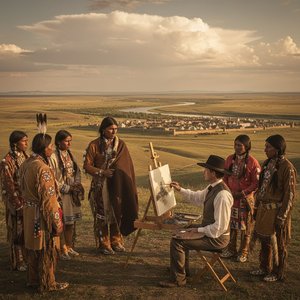
George Catlin művészetének súlyát és jelentőségét az amerikai Nyugat mentén végrehajtott hatalmas mozgásai határozzák meg. Az 1830-as években öt kiterjedt expedíciót foglalat el, amely során a Missouri-sólyvölgy mentén haladt át, elszállva a Mandan, a Sioux, a Blackfeet és a Choctaw törzsek hatalmas területeihez. Ezek nem csupán egyszerű utazások voltak; művész nem a látnivalók után kutatott, hanem az egyes törzsi életmódok dokumentálására készen állva vette fel a vándorlásnak. Festményeket és fizikai emléktárgyakat gyűjtött össze, amelynek hatalmas vizuális és anyagi gyűjteménye végül az ősi „Indián Galériát” formálta meg, amely több mint 500 festőtelemből álló lenyűgöző kollekcióvá vált.
E kollekció monumentális skálája teszi művészetét történelmileg is felbecsülhetetlenné. George Catlin nem csupán a memóriájára hagyatkozva festett; utazásai során összegyűjtött eredményeket egyetlen, hatalmas egészeként állította össze. A határvidék átfogó feljegyzése érdekében folytatott küzdelmét később déli és közép-amerikai utazásai is bővítették, amelyek 1852 és 1857 között zajlottak. Művészeti fókuszát folyamatosan az etnográfiai valóság tartotta fogva: az általa találkozott népek szokásainak és megjelenésének pontos dokumentálása volt számára a legfontosabb, gyakran a puszta tájképfestészet mögé tolva a művészeti igényeit.
- Mó-sho-la-túb-bee, He Who Puts Out and Kills, Chief of the Tribe (1834)
- Ball-play of the Choctaw--Ball Up (1850)
Művészeti stílus és dokumentálás
George Catlin megközelítése egy különleges, sürgető szükségletből fakadt: egy olyan életmód dokumentálása, amely szerint ő elpártuló volt. Nem olyat tett, hogy egyszerű karikatúrákkal vagy a 19. században elterjedt felszínes sztereotípiákkal érte be. Ehelyett az egyénre összpontosított, megpróbálva megörökíteni a törzsfőnökök egyedi méltóságát és a hagyományos rituálékban rejlő dinamikus energiát. Ecsetvonala a rendkívüli részletgazdagságra épült, biztosítva, hogy a szertevi díszletek textúrái és a mindennapi élet apró részletei etnográf pontossággal kerüljenek rögzítve. Ez egy tudatos kísérlet volt ezen kultúrák esszenciájának megőrzésére, mielőtt az nyugati terjeszkedés megzavaríthatatlanul átformálja őket.
Művei vizuális hatása a színek bőséges használatára és a részletes környezeti kontextusra támaszkodik. Ritkán ábrázolt szubjektumokat izoláltan; inkább elaborált hátterekbe helyezte őket, amelyek elengedhetetlen helyszíntati információkat szolgáltattak. Ezek a környezetek gyakran tartalmaztak specifikus tájképeket, tipiokat vagy szertemi tárgyakat, amelyek a témáikat valós környezetükbe ágyazták. Ezek az elemek bevonásával túlmutatott a puszta portretizáláson, és egy átfogó vizuális feljegyzést hozott létre az amerikai határvidékről. Képessége a jelenet hangulatának megábrázolására – a prairie porától kezdve a tábor szerkezetéig – a festményeit pusztán esztétikai gyakorlatokká, hanem történelmi bizonyítékká emelte.
- Mó-sho-la-túb-bee, He Who Puts Out and Kills, Chief of the Tribe (1834)
- Ball-play of the Choctaw--Ball Up (1850)
Kulcsfontosságú művek és emlékezetes festmények
George Catlin alkotásai nem csupán egyszerű portrézok, hanem a konkrét, megélt pillanatok vizuális krónikái. 1834-es ábrázolása, amelyben Mó-sho-la-túb-bee, He Who Puts Out and Kills, Chief of the Tribe szerepel, egy megrendíthetetlen tekintettel bíró vezetőt örökít meg, akit közvetlen és tohdatlan jelenléte sugároz az autoritás erejét. Hasonlóképpen a Ball-play of the Choctaw távolabb kutoka a statikus pózokat, hogy dokumentálja egy hagyományos játék mozgásos, vibráló energiáját. Ezek a művek olyan apró részleteket és részletességet adnak át, amelyek elengedhetetlenek a törzsi társadalmi struktúrák és a közösségi tevékenységek mélyebb megértéséhez.
A művész figyelme gyakran a népek és környezetük találkozási pontján is megállt. A Prairie Meadows Burning egy kontrollált éget és az azt kísérő lovasokat ábrázolja, megörökítve egy specifikus ökológiai és társadalmi gyakorlatot. A Pipestone Quarry, Coteau Des Prairies ábrázolása számos törzs számára mély spirituális jelentőségű helyszínt azonosít meg. Még az intimebb vagy szokatlanabb témái is súlytörvő jelentőséget hordoznak; a körülbelül 1832-ben készült Oó-je-en-á-he-a, Woman Who Lives in a Bear egy specifikus kulturális narratíva ízelét adja, míg a 1846-os Little Wolf (Shon-ta-ye-ga) alkotás az utóbbival készült dokumentációjának egyik jelentős darabja.
- Mó-sho-la-túb-bee, He Who Puts Out and Kills, Chief of the Tribe (1834)
- Little Wolf (Shon-ta-ye-ga) (1846)
Könyvei és európai körोंzása
George Catlin törekvései az „Indiai Galéria” állandó otthonának megteremtésére nem csupán vizuális bizonyítékokat igényeltek, hanem valódi társadalmi jelenlétet is. A 1840-es és az 50-es évek során gyűjteményét Európa meghatározó kultúrközpontjaiban, többek között Londonban, Párizsban és Berlinben vitte körbe, ahol számos kiállítást rendezett. Ezek a kiállítások azonban nem csupán passzív látnivalók voltak: műalkotásait élő előadásokkal kísérte, személyes emlékeiyle és az amerikai indiánok életmódjának részleteivel szánva szavakat a képek mögött. A látvány és a szó e találkozása egy tudatos kísérlet volt arra, hogy a vadon nyugati határvidék valóságait érezhetővé és megfoghatóvá tegye olyan közönség számára, amely messze a Missouri-folyótól élt.
Írott művei az intellektuális keretrendszert alkották meg vizuális dokumentációjának. 1841-ben megjelent Manners, Customs, and Condition of the North American Indians című műve, amely egy olyan szöveg volt, melynek célja az expedíciói során gyűjtött megfigyelések rendszerezése és rögzítése volt. Később, 1868-ban kiadta az Last Rambles amongst the Indians of the Rocky Mountains and the Andes című könyvét is. Ezek a kiadványok nem egyszerű utazásbeszélések voltak; inkább egyfajta próbálkozások voltak egy konkrét, lassan eltűnő társadalmi rend örök, történelmi feljegyzésévé kovácsolására. A written szóval próbálta megerősíteni festményei hitelességét, biztosítva, hogy megfigyelései akkor is túléljenek, ha a saját anyagi stabilitása már nem garantált.
Utolsó évek és halála
George Catlin utolsó évtizedeit a pénzügyi bizonytalanság árnyékolták. Annak ellenére, hogy minden erőzetten próbálkozott, hogy gyűjteményének nemzeti örökséget biztosítson, a művész későbbi életének nagy részét a befektetései megtérítésének küzdelmében töltötte. A források visszaszerzése érdekében egy pragmatikus, mégis megfontolt lépésként több mint 400 festményét kisebb lésszámú „karton-gyűjteménybe” alakította át. Ez egy tudatos stratégia volt élete művészetének monetizálására, azonban végül nem kínált olyan jelentős bevételt, amely stabilitást hozhatott volna számára.
A fizikai és anyagi túlélésért való küzdelem egészen a haláláig kísérte. George Catlin 1872. december 23-án, New Jersey államban, Jersey Cityben hunyt el. Halottját a brooklyn-i Green-Wood temetőmisztlyán helyezték el. Halála egy olyan élet végét jelölte, amelyet egy olyan határvidék dokumentálására szentölt, amelyet éppen az a terjeszkedés és fejlődés váltott le, amelyet ő maga jóslált.
Örökség és történelmi jelentőség
George Catlin jelentősége alapjaiban nyugszik azon a szerepkörön, amelyet elsődleges vizuális forrásként töltött be. Ő volt az első fehér férfi, aki a síksági indiánokat saját ősi birodalmukban ábrázolta, közvetlen feljegyzést nyújtva a nyugati terjeszkedés teljes hatása előtti életmódból. Festményei egy olyan világba nyitják meg a kaput, amelynek kultúráit a XIX. század mainstream narratívái gyakran félrevezően vagy egyáltalán figyelmen kívül hagyták. Művészete nem a másolati beszámolókra támaszkodva, hanem a közvetlen megfigyelés erejével örökítette meg a törzsi szokások és a társadalmi struktúrák apró részleteit is.
Művészetének történelmi értéke megkérdöjtezhetetlen és valós. Dokumentációi olyan vallási meggyőződésekre és rituális hagyományokra fúzták rá a fényt, amelyek egyébként a történelem sötétjába tűnhettek volna. Ez az archív jellegű alkotóiesség később jelentős elismerést hozott számára: 2001-ben bekerült a National Rivers Hall of Fame tagjai közé, 2023-ban pedig a Luzerne County Arts & Entertainment Hall of Fame tagjaként tisztellették. Ezek az elismerések rögzítik és igazolják annak súlyát, amelyet hozzájáruláskénték hagyott az amerikai történelmi és kulturális örökségben.
Hol tekinthetjük meg műveit ma?
Catlin vizuális öröksége ma számos neves intézmény között oszlik meg, így művei átfogó tanulmányozatása egyfajta kincskeresztes utazást igényel a különböző gyűjtemények között. Művei legjelentősebb koncentrációja Washington, D.C.-ben található. A Smithsonian American Art Museum 25 festményével nyújtja a legmélyebb betekintést etnográfiai dokumentációjába, amely a művész életművének egyik legfontosabb pillanatát jelenti. A főváros közelében, a National Gallery of Art gyűjteményében is megélénk egy alkotása, amely tovább erősíti a művész történelmi jelentőségét.
A fővároson túl Catlin jelenléte számos egyéb regionális múzeumokban is érezhető, ahol egyedi darabok őrzik az emlékét. A Denver Art Museum egy művével büszkélkedhet, míg Richmondben, a Virginia Museum of Fine Arts is őrzi egy alkotását. Ez a szétszórt gyűjteményi szerkezet tükrözi az eredeti, „Indian Gallery” darabok apróbb, fragmentált jellegét, valamint azt a nehézséget is, amellyel Catlin életében szembesült: a kollekció egyetlen, állandó otthonának megtalálása nem bizonyult könnyűnek.
- On sáw kie, The Sauk, in the Act of Praying (kb. 1830)
- Mó-sho-la-túb-bee, He Who Puts Out and Kills, Chief of the Tribe (1834)
- Ball-play of the Choctaw--Ball Up (1850)
Kérdések és válaszok
Hol találhatók George Catlin művei művészeti stílusok szerint csoportosítva?
A Összes művészeti irányzat oldalon George Catlin műveletei műkorlátok szerint vannak csoportosítva.
George Catlin műveit színek alapján is böngészhetem?
George Catlin művei színek szerinti csoportosítással is böngészhetők a művész Színpaletták alapján oldalán.
Létezik-e egy időrendi áttekintés George Catlin műveiről?
A művész Műalkotások időrendje oldala George Catlin műveit év évre, időrendi sorrendben mutatja be.