


 Előnézet
 Megosztás
 Megosztás
 Részletek

 Letöltés
 Hasonló alkotások
 X-ray felvétel
 Diavetítés
Mitsuke

 Tovább olvasom
Giclée / Műnyomat
Múzeumi minőségű giclée vagy vászonnyomat, gyors gyártással és rugalmas finomítási lehetőségekkel. ( Kézzel festett festmény vásárlása Kép vásárlása)




P118B $10

P118H $10

P118W $10

P438Z $10

P508JH $12

P508YH $12

P805H $10

P805Z $10

P919BZ $10

P919G $10

P919XJ $10

P959ZH $10

P968JZ $12

W106C $8

W218G $10

W218JH $8

W218Y $10

W307PJ $10

W316G $10

W316PJ $8

W316Y $10

W398PJ $8

W4111J $10

W500HY $15

W500JH $15

W692G $12

W849H $8

W940BG $15

W953PJ $8




Válasszon előre meghatározott méreteink közül, amelyek megfelelnek a műalkotás eredeti arányainak.

Megadhat saját méreteket is egy konkrét kerethez vagy helyszínhez igazítva. Amennyiben a kiválasztott méret nem egyezik az eredeti kép arányokkal, a műalkotást le fogjuk vágni, vagy kiegészítjük a képet tükrözött vagy egyszínű szélekkel. A gyártás megkezdése előtt egy digitális tervezetet küldünk jóváhagyásra.
Kérjük, vegye figyelembe, hogy a képernyőn látható előnézet nem tükrözi a tényleges levágást vagy kiegészítést. Csak a tervezet mutatja pontosan a végső kompozíciót.
Bár az egyedi méretek is elérhetőek, az eredeti arányok megőrzése érdekében azt javasoljuk, hogy válasszon a előre meghatározott listából származó méretet.
Világszerte történő kiszállítás területére 2 hét alatt, a szokásos 4-5 hét helyett. 12 augusztus

Ingyenes globális expressz szállítás

Prémium minőségű len vászon

Teljes szállítási biztosítás

Vámvisszatérítési Garancia

Tökéletes színpontosság garancia

60 napos visszaküldési lehetőség (csak gyártási hibák esetén)

100%-os pénzvisszatérítési garancia

Kedvezmény több termény esetén
 Az üvegkeretes opció csak 110 cm alatti méretben érhető el

Mitsuke
Giclée / Műnyomat
A reprodukció mérete
-


Összesített ár
$ 62
Termékinformációk
A Moment of Quiet Contemplation: Katsushika Hokusai’s *Mitsuke*
Mitsuke, a captivating work by the celebrated Japanese ukiyo-e master Katsushika Hokusai (1760-1849), offers a serene glimpse into Edo period life. This painting, rendered with characteristic skill and sensitivity, depicts two men engaged in scholarly pursuits against the backdrop of a simple yet striking architectural element.Subject & Composition
The scene centers on two figures seated directly on the ground before a vibrant red building – likely a teahouse or modest residence. One man is absorbed in reading, his posture suggesting deep concentration. His companion sits beside him, seemingly lost in thought or awaiting a turn to study. Scattered around them are several books and a handbag, hinting at an extended period of intellectual engagement. The composition is deliberately uncluttered, focusing attention on the relationship between the figures and their environment. Hokusai masterfully uses negative space to create a sense of calm and spaciousness.Style & Technique
*Mitsuke* exemplifies Hokusai’s mastery of *ukiyo-e*, or “pictures of the floating world.” While best known for his landscapes, Hokusai also excelled at depicting scenes of everyday life. The painting employs a delicate balance of line and color, typical of the genre. Notice the subtle gradations in tone and the precise rendering of details – from the texture of the men’s clothing to the architectural features of the building. Though the exact medium is unknown without further examination, it likely utilizes traditional Japanese pigments on paper or silk.Historical Context & Symbolism
Created during the Edo period (1603-1868), a time of relative peace and prosperity in Japan, *Mitsuke* reflects the growing importance of literacy and scholarship among the merchant class. The presence of books signifies knowledge and intellectual pursuit – values increasingly embraced by a society undergoing significant social change. The red building may symbolize good fortune or protection, common motifs in Japanese art. The seemingly mundane scene elevates everyday life to an artistic subject, a hallmark of *ukiyo-e*.Emotional Impact & Interpretation
*Mitsuke* evokes a sense of tranquility and intellectual curiosity. It invites viewers to contemplate the simple pleasures of learning and companionship. The painting’s subdued palette and harmonious composition create a calming atmosphere, offering respite from the bustle of modern life. It is a testament to Hokusai's ability to find beauty and meaning in ordinary moments.Collecting & Interior Design
A reproduction of *Mitsuke* would be a stunning addition to any art collection or interior space. Its calming aesthetic lends itself well to bedrooms, libraries, or meditation rooms. The painting’s subtle color palette complements a variety of décor styles – from minimalist modern to traditional Japanese.- Consider pairing it with natural wood tones and soft lighting.
- Its horizontal format makes it ideal for placement above a sofa or console table.
- The artwork’s intellectual theme would be particularly fitting in a study or home office.
Hasonló műalkotások


A művész életrajza
A Life Etched in Ink: A Journey Through the World of Katsushika Hokusai
Katsushika Hokusai, a name that echoes through the halls of art history, is far more than just the creator of *The Great Wave off Kanagawa*. He was a restless spirit, an insatiable learner, and a revolutionary artist who fundamentally reshaped Japanese visual culture during the Edo period. Born in Tokyo – then known as Edo – around 1760, his life wasn’t one of privilege or ease; rather, it was a relentless climb fueled by an unwavering passion for capturing the essence of the world around him. From humble beginnings as the son of a mirror maker, Hokusai's artistic journey began not with formal training, but with a deep-seated desire to draw, a talent he honed diligently from the age of six – a dedication that would ultimately define nearly nine decades of extraordinary creative output. His father, Nakajima Ise, recognizing this nascent gift, provided an early foundation, setting his son on a path toward artistic mastery.From Apprenticeship to Innovation: The Blossoming of a Unique Style
Hokusai’s formal artistic education began at the age of twelve when he entered the studio of Katsukawa Shunshō, a leading master of *ukiyo-e* – “pictures of the floating world.” This genre, immensely popular during the Edo period, offered a vibrant snapshot of Japanese society, depicting scenes from everyday life: actors performing in Kabuki theaters, beautiful courtesans, bustling cityscapes, and glimpses into the pleasures and dramas of urban existence. Under Shunshō’s guidance, Hokusai mastered the intricate techniques of woodblock printing – a demanding process requiring both precision and artistic vision. However, even within this established framework, Hokusai demonstrated an innate restlessness, a desire to push beyond mere imitation and explore new avenues of expression. He wasn't content simply replicating his teacher’s style; he experimented with diverse subjects, moving from book illustrations to single-sheet prints, constantly refining his skills and developing a distinctly personal visual language. This early experimentation was marked by frequent name changes – a practice common among *ukiyo-e* artists at the time, signifying shifts in artistic focus or affiliations with different schools. Initially known as Shunro, he later adopted other pseudonyms, reflecting his evolving style and creative explorations.Mount Fuji and the Floating World: Defining Masterpieces
Hokusai’s most enduring legacy rests upon a series of works that redefined *ukiyo-e* and established him as one of Japan's greatest artists. Perhaps the most iconic is *Thirty-Six Views of Mount Fuji*, a monumental undertaking spanning several years (circa 1830-1832). This wasn’t merely a collection of landscape prints; it was a profound meditation on nature, beauty, and the passage of time. Each view offered a unique perspective on Japan's sacred mountain – from dramatic storms to serene vistas – showcasing Hokusai’s mastery of composition, color, and line. Within this series, *The Great Wave off Kanagawa* stands as a testament to his genius, capturing the raw power and terrifying beauty of the ocean with breathtaking detail. The towering wave, poised to engulf three tiny fishing boats, is an image that has transcended its original context, becoming a symbol of both nature’s force and humanity's vulnerability. Beyond *Fuji*, Hokusai produced a wealth of other remarkable works, including *Fireworks at Ryōgoku Bridge* (1790), which captures the vibrant energy of a summer festival with dynamic brushstrokes and brilliant colors, and *Hokusai Manga* – a collection of sketches and studies encompassing people, animals, landscapes, and fantastical creatures. This series was groundbreaking in its scope and influence, foreshadowing the development of modern manga as an art form.A Legacy Beyond Borders: Hokusai's Enduring Influence
Hokusai’s impact extended far beyond the borders of Japan, profoundly influencing artists across Europe during the late 19th century – a period known as *Japonisme*. As Japan opened its doors to Western trade and influence, Japanese art, particularly *ukiyo-e*, captivated European collectors and artists. Hokusai's bold compositions, vibrant colors, and unconventional perspectives were particularly admired. Artists like Claude Monet, Edgar Degas, and Vincent van Gogh were deeply inspired by his work, incorporating elements of *Japonisme* into their own paintings. Van Gogh, in particular, famously recreated *The Great Wave off Kanagawa*, demonstrating the profound impact of Hokusai’s imagery on European art. Hokusai's influence wasn’t limited to Impressionism; it permeated various modern art movements, shaping the way artists approached composition, color, and subject matter. His emphasis on capturing fleeting moments, his dynamic use of line, and his ability to find beauty in everyday life resonated with a generation seeking new forms of expression. Even today, Hokusai’s work continues to inspire and challenge artists worldwide, solidifying his place as one of the most important figures in art history – an artist who bridged tradition and innovation, leaving behind a legacy that endures through time.- Major Influences: Ukiyo-e traditions, Chinese landscape painting, everyday life in Edo.
- Key Characteristics: Bold lines, vibrant colors, dynamic compositions, keen observation of nature.

Hokusai
1760 - 1849 , Japán
Rövid tények
- Artistic Movement Or Style: *Ukiyo-e*
- Artists Or Movements Influenced By This Artist: ['Impressionizmus']
- Artists Who Influenced This Artist:
- Katonaszervezetek
- Kano Schule
- Date Of Birth: 1760. 31. okt.
- Date Of Death: 1849. 10. maj.
- Full Name: Katsushika Hokusai
- Nationality: Japán
- Notable Artworks:
- A nagy hullám
- Fuji 36 tájja
- Hokusai manga
- Place Of Birth: Tókyó, Japán
Kapcsolódó cikkek
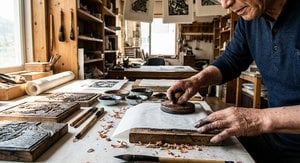
The Enduring Legacy of Woodblock Printmaking: Technique, History & Artistic Expression
Explore the rich history of woodblock printmaking – from ancient techniques to Ukiyo-e masterpieces. Discover expert insights on collecting, preserving & appreciating this enduring art form.

Katsushika Hokusai 25 Mesterműve: A Japán Art Élmény, Otthonodban – ArtsDot
Fedezze fel Katsushika Hokusai 25 legikonikusabb műalkotását! Merüljön el a japán ukiyo-e világában, ismerje meg a 'Nagy Hullám' történetét és más remekműveket. Museum minőségű reprodukciók otthonába – ArtsDot.com.

Utagawa Kuniyoshi: A Master of Japanese Ukiyo-e – Narrative Innovation & the Fusion of Tradition with Popular Culture
Explore the captivating world of Utagawa Kuniyoshi, a master of Japanese ukiyo-e woodblock prints. Discover his innovative warrior scenes, vibrant landscapes & lasting legacy in 19th-century art history.

Suzuki Harunobu: Pioneering Ukiyo-e & the Refinement of Edo Period Printmaking
Discover the revolutionary world of Suzuki Harunobu, a pioneer of ukiyo-e printmaking. Explore his exquisite nishiki-e techniques, diverse subjects & lasting impact on Japanese art history. Learn more at ArtsDot.

Ukiyo-e's Poetic Visionary: Hiroshige Ando & the Transformation of Landscape in 19th-Century Japan
Explore the life & art of Ando Hiroshige, Japan's last great ukiyo-e master. Discover his iconic landscapes, poetic style, and profound influence on Western Impressionism. Learn about The Fifty-Three Stations & more!



