

 Megtekintés
 Küldés
 Megosztás
 Részletek

 Letöltés
 Hasonló darabok
 X-ray felvétel
 Diavetítés
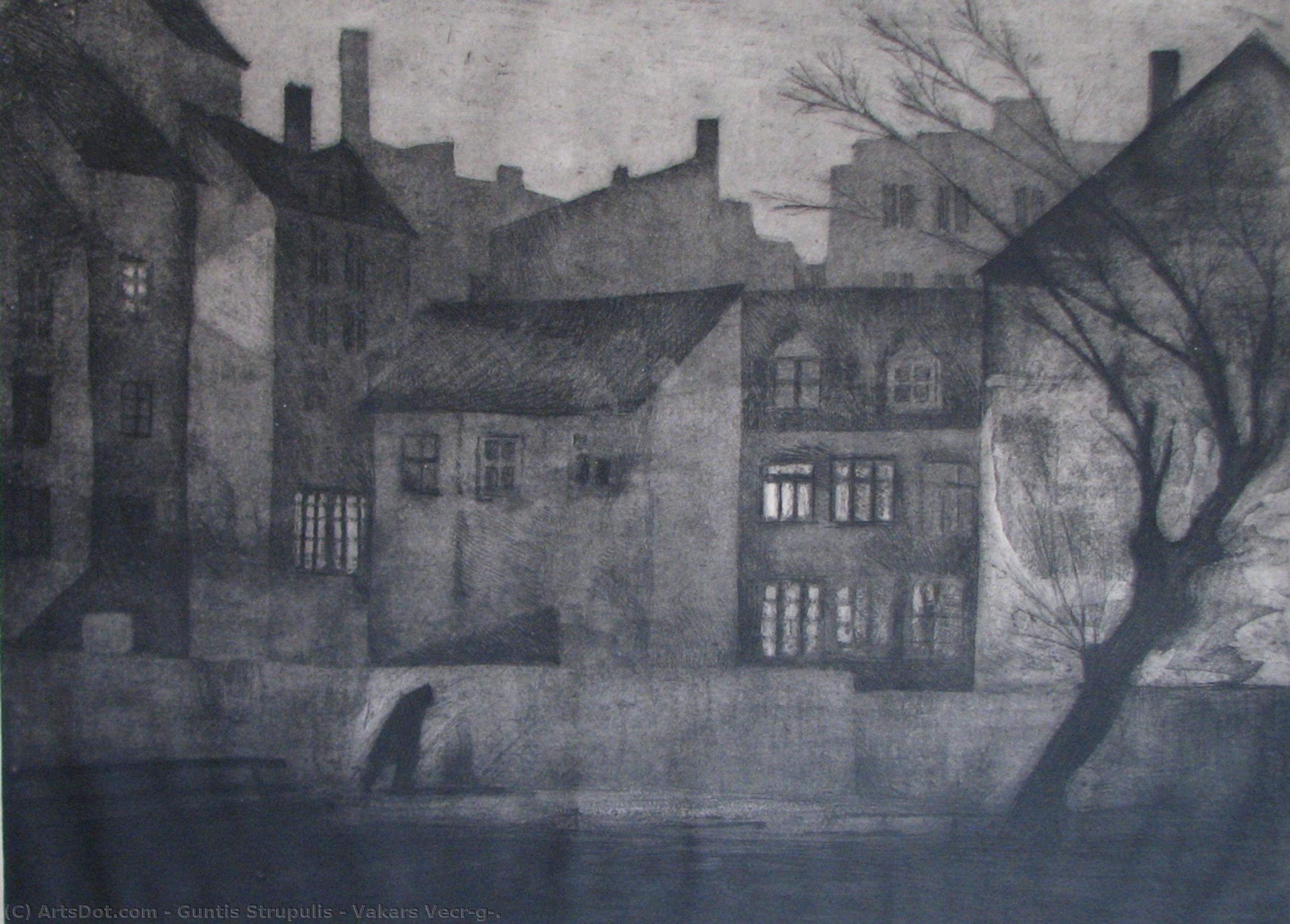
Vakars Vecrīgā.
 1964
1964 39.0 x 54.0 cm
 Összes részlet megjelenítése
Vásároljon nagy felbontású, javított digitális képet, amely minőségében messze felülmúlja az online előnézetet.
Minden fájlt szakembereink a legmodernebb eszközök és precíz, kézi retusálás segítségével készítenek el aprólékosan. Gondoskodunk arról, hogy minden kép kivételes tisztasággal, pontos színhelyességgel és részletgazdag finomsággal rendelkezzen.
A végleges fájl 72 órán belül e-mailben megérkezik, professzionális, szerkesztői és nyomtatási környezetbe optimalizálva az azonnali használathoz. Ez ugyanaz a minőség, amelyben a legmeghatározóbb tervezőstúdiók, kiadók és galériák is megbízhatnak.
Digitális kép
Töltsön le nagy felbontású fájlt személyes kiállításokhoz, nyomtatáshoz és kreatív projektekhez. ( Nyomat rendelése Kézzel festett másolat rendelése)
Minden digitális kép rendeléséhez tartozó extrák
Szakértői digitális kézbesítés, garantáltan
Amikor a ArtsDot.com szolgáltatást választja, nem csupán egy képet kap – professzionálisan felmagasított digitális műalkotást kap, amely precizitással készült, és amelyet megelégsedési gwarancia tesz biztoslássá. Az alábbiakban automatikusan minden benne 】

Gyors e-mail teslimítés
A nagy felbontású digitális képmásolatát a megrendelést követő 72 órán belül e-mailben elküldjük Önnek – azonnal használható formátumban.

MI-alapú digitális fejlesztésű fájl
Műve professzionális módon kerül optimalizálásra fejlett mesterséges intelligencia eszközök és manuális szerkesztés segítségével, biztosítva a maximális részletességet, tisztaságot és színpontosságot.

Örök életű ingyenes újradelivery
Véletlenül törölted vagy elvesztetted a fájlodat? Ne aggódj – bármikor ingyen újra megküldjük neked.

Nincs importköltség – soha
Élvezze műalkotásait azonnal, vám, illeték vagy szállítási költség nélkül – a digitális letöltések mindig adamentesek.

Színpontosság garantálása
Professzionális eszközök és színkezelés segítségével garantáljuk, hogy digitális képe a lehető legpontosabban tükrözze az eredeti színeket.

60 napos elégedettségi garancia
Ha nemມີ elégedett a digitális képpel, 60 napon belül átmunkáljuk azt, vagy 100% visszatérítjük az amountot – kérdés nélkül.

100% Pénzvisszatérítési garancia
Nem érheted el a teljes elégedettséget? 60 napon belül teljes visszatérítést kapsz a digitális fájlod megérkezése után – kérdés nélkül.

Tömegrendelési kedvezmények
Vásároljon 3 képet, spóroljon 10%-et - Vásároljon 5-öt, spóroljon 15%-et - Vásároljon 10+ képet, spóroljon 20%-at. Kiváló kreatív projektekhez, galériákhoz és ügynökségekhez.
Hasonló műalkotások


A művész életrajza
A Haunting Vision of Latvian Life: The World of Guntis Strupulis
Guntis Strupulis, born in the small town of Madona, Latvia, on September 24th, 1933, emerged as a quietly powerful voice within the landscape of 20th-century Latvian art. His life, though tragically cut short by his death in Jelgava on June 15th, 1974, left behind a compelling body of work that continues to resonate with its evocative depictions of everyday life imbued with surrealist and symbolist undertones. Strupulis wasn’t an artist who sought grand pronouncements or overt political statements; instead, he delved into the psychological depths of his subjects, creating paintings that feel like half-remembered dreams or poignant reflections on a rapidly changing world. His father, Artūrs Strupulis, was also an artist, and undoubtedly played a role in fostering young Guntis’s early artistic inclinations. He married Zenta Strupule and had one son, Bils Strupulis.Early Development and the Influence of New Realism
Strupulis's artistic journey began in 1953, a period marked by significant social and political shifts within Latvia under Soviet rule. While formally trained, his work quickly diverged from the prevailing Socialist Realist aesthetic. He became associated with the Latvian New Realism movement – sometimes referred to as American Realism – which sought a more honest and nuanced portrayal of life than the idealized depictions demanded by the state. However, Strupulis’s approach wasn't simply about replicating reality; it was about *interpreting* it through a distinctly personal lens. His early works demonstrate a keen observational skill coupled with an emerging fascination with symbolism and psychological space. He masterfully employed oil on panel as his primary medium, achieving rich textures and subtle gradations of tone that contribute to the haunting atmosphere characteristic of his paintings.Themes and Symbolism in Strupulis’s Art
The core of Strupulis's artistic vision lies in his ability to transform seemingly mundane subjects into vehicles for deeper contemplation. Still lifes, portraits, and scenes of everyday Latvian life are rendered with meticulous detail, yet they are rarely straightforward representations. A simple loaf of bread, as seen in “Klusā daba ar maizi” (Still Life with Bread), can become a symbol of sustenance, memory, or even the fragility of existence. His landscapes often feature solitary figures dwarfed by vast skies and melancholic settings, evoking feelings of isolation and introspection. “Saulains rīts” (Sunny Morning) from 1974 exemplifies this quality – a beautiful yet unsettling scene that hints at an underlying sense of unease. Recurring motifs such as windows, doors, and mirrors suggest thresholds between realities, inviting viewers to question the nature of perception and identity.Major Achievements and Artistic Legacy
Although Strupulis’s career was relatively short-lived, he participated in numerous exhibitions throughout Latvia, gaining recognition for his unique style and evocative imagery. His works are now held in prestigious collections such as the Latvian National Museum of Art and the Jelgava History and Art Museum, solidifying his place within the canon of Latvian art history. While not widely known internationally during his lifetime, Strupulis’s paintings have experienced a resurgence of interest in recent years. This renewed appreciation stems from their ability to transcend specific cultural contexts and speak to universal themes of human experience – loneliness, memory, and the search for meaning in an uncertain world. His influence can be seen in contemporary Latvian artists who continue to explore the intersection of realism, symbolism, and psychological depth.Historical Significance and Enduring Appeal
Guntis Strupulis’s art offers a rare glimpse into the complexities of life in Latvia during the Soviet era. He navigated a challenging political landscape while remaining true to his artistic vision, creating works that are both deeply personal and subtly subversive. His paintings aren't simply about what is seen; they are about what is *felt* – the unspoken anxieties, quiet hopes, and enduring beauty of everyday existence. His legacy lies in his ability to transform the ordinary into the extraordinary, inviting viewers to contemplate the mysteries that lie beneath the surface of reality. He remains a compelling figure for those seeking art that challenges, provokes, and ultimately resonates with the deepest aspects of the human spirit.
guntis strupulis
1933 - 1974 , Latvia
Érdekességek
- Artistic Movement Or Style: Surrealism, Symbolism
- Date Of Birth: September 24, 1933
- Date Of Death: June 15, 1974
- Full Name: Guntis Strupulis
- Nationality: Latvian
- Notable Artworks:
- Saulains rīts
- Klusā daba ar maizi
- Evening in Old Riga
- Place Of Birth: Madona, Latvia

