

 Megtekintés
 Küldés
 Megosztás
 Részletek
 Útmutató

 Letöltés
 Hasonló darabok
 X-ray felvétel
 Diavetítés
 Kérdések és válaszok
 Statisztika
A szeremény


 Összes részlet megjelenítése
Giclée / Műnyomat
Múzeumi minőségű giclée vagy vászonnyomat, gyors gyártással és rugalmas finomítási lehetőségekkel. ( Kézzel festett másolat rendelése Áttérés digitális képre)




P118B Ft10

P118H Ft10

P118W Ft10

P438Z Ft10

P508JH Ft12

P508YH Ft12

P805H Ft10

P805Z Ft10

P919BZ Ft10

P919G Ft10

P919XJ Ft10

P959ZH Ft10

P968JZ Ft12

W106C Ft8

W218G Ft10

W218JH Ft8

W218Y Ft10

W307PJ Ft10

W316G Ft10

W316PJ Ft8

W316Y Ft10

W398PJ Ft8

W4111J Ft10

W500HY Ft15

W500JH Ft15

W692G Ft12

W849H Ft8

W940BG Ft15

W953PJ Ft8




Válasszon előre meghatározott méreteink közül, amelyek megfelelnek a műalkotás eredeti arányainak.

Írja be a keretének vagy a falának megfelelő szélességet és magasságot. A nyomatot csak le lehet vágni, soha nem tehető nagyobbá, mint az eredeti kép, így egy eltérő alakú méretnél a kép egy része elveszik. Mielőtt bármit kinyatintanánk, küldünk egy digitális próbamodellt jóváhagyásra. Az oldalon látható kép nem tartalmazza a valós levágást — ezt csak a próbamodell mutatja meg.
Világszerte történő kiszállítás területére mindössze 2 hét alatt, a szokásos 4-5 hét helyett. (6 november)

Ingyenes globális expressz szállítás

Prémium minőségű len vászon

Teljes körű szállítási biztosítás

Vámvisszatérítési Garancia

Hiteles színarányosság garancia

100 napos visszaküldési lehetőség (csak hibás termékek esetén)

100% pénzvisszatérítési garancia

Több darab vásárlásakor kedvezmény
 Az üvegkeretes opció csak 110 cm alatti méretben érhető el

A szeremény
Giclée / Műnyomat
Reprodukció mérete
-


Összesített ár
Ft 20580
A Képmás Szívében: Francisco de Goyának "A Vallatás" Megrendezése
Francisco José de Goya y Lucientes, a spanyol romantikus festő és nyomatkészítő, egy olyan időszak ikonikus alakja, amelyben a művészet mélyen összefonódott a társadalmi, politikai és spirituális válságokkal. "A Vallatás" (El Monje), melyet 1824-ben festett, nem csupán egy képet, hanem egy lelkesedést, egy szellemi harcot és egy elmélyült megértést kínál a humanitás helyzetéről az életben. A műveletileg részletes nyomtatás, amely Goya mesterségét mutatja be, a romantikus mozgalom egyik legbefutottabb darabjává vált, melyet ma is nagyra becsülnek.
A kép egy elszigetelt szerzetest ábrázol sötét, szörnyű tájban. A szerzetes, a nyakában egy keresztrel, lefelé néz, a tekintete mélyen elmélyült, és a képen megjelenő árnyékok és fények között a képe egyfajta belső konfliktust sugall. A művész célja nem csupán a táj realisztikus ábrázolása volt, hanem a szerzetes lelkében zajló harc megmutatása is.
- Technika: Goya nyomtatásának kulcsfontosságú eleme a mezzotint technikája. Ez egy bonyolult nyomtatási módszer, amely lehetővé teszi a festő számára, hogy finoman szabályozzon a képen megjelenő árnyalatokat és kontrasztokat.
- Színvilág: A művész a sötét árnyékok és a halvány fények közötti különbségeket használja ki, hogy a kép mélyebb érzelmi hatást keltsen.
- Kompozíció: A szerzetes egyedül áll a tájban, ami a magány és az elszigeteltség érzését kelti.
A Romantika Szívében: Spanyolország Kontextusa
Goya művei a spanyol romantikus mozgalom szerves részét képezik, amely a 18. századtól kezdődött, és a neoklasszikus stílus ellentéppontját jelölte meg. A romantika a magánérzelmeket, az egyéni kifejezést és a természet szépségét hangsúlyozta. Spanyolországban a romantikus mozgalom a napóleoni háborúk idején indult el, és a spanyol társadalom belső problémáit és a politikai elnyomás okozta fájdalmat tükrözte.
Goya művei a korszak szellemével összhangban állnak, és a spanyol társadalom morális hanyatlását, a vallási kétségbeesést és a politikai zsarnokságot ábrázolják. "A Vallatás" egyfajta kommentár a korra nézve, amely a spirituális válságok és a társadalmi elnyomás okozta fájdalmat mutatja meg.
Goya életét Francisco de Goya (1746-1828) spanyol festő és nyomatkészítő, aki a 18. és 19. század egyik legjelentősebb művésze volt.A Szimbolizmus Rejtélyei: Elszigeteltség és Spirituális Küzdelem
“A Vallatás” több mint egyszerűen egy kép; a művész mélyreható szimbolikus jelentéssel bír. A szerzetes egyedülállósága a humanitás elszigeteltségét, a magányt és a belső harcot jelképezi. A kereszt, amelyet a nyakában visel, a vallási hitemet és a megküzdést a bűnnel szimbolizálja. A sötét táj a morális hanyatlás és a spirituális ürességet sugallja.
A művész a fény és árnyék játékát használja ki, hogy a kép mélyebb érzelmi hatást keltsen. A szerzetes lefelé nézése a belső harcot, a kétségbeesést és a reménytelenséget sugallja. A kép egyfajta pszichológiai portré, amely a humanitás belső konfliktusait ábrázolja.
A Remekművek Megőrzése: Kézműves Olajfestmények Reprodukciói
Az ArtsDot.com kínálja a legmagasabb minőségű kézi olajfestményeket és vászonra nyomtatott reprodukéciókat Goya remekműveiből, beleértve "A Vallatás" is. A művésznőink gondosan ábrázolják minden részletet, biztosítva, hogy a végső termék pontosan tükrözze Goya eredeti munkáját. Ha szeretné megörökíteni ezt a nagyszerű művet otthonában vagy irodájában, látogasson el a honlapunkra: /art/list/?Filter=9AVCEV-ArtsDot-in-your-pocket.
Kérdések és válaszok
Melyik országból származik a Romanticism irányzat A szeremény című műve?
A Romanticism korszak alkotása, a "A szeremény", egy Spanyolország-ban született művész munkája.
Megtekinthető a „A szeremény”, Goya alkotása alkotás rendelés előtt?
A „A szeremény”, Goya alkotása előnézete megtekinthető a mű Előnézet oldalán.
Megtekinthető a "A szeremény" teljes képernyős diaporámaként is?
A „A szeremény”, Goya alkotása diaporámaként tekinthető a mű Diaváltás oldalán.
Hasonló műalkotások


A művész életrajza
The Spanish Soul: A Life Forged in Shadow and Light
Francisco José de Goya y Lucientes, a name that echoes through the corridors of art history, embodies a profound paradox – a man simultaneously rooted in the traditions of Old Masters and a visionary who presaged the anxieties and expressive freedom of modern art. Born in 1746 in the unassuming village of Fuendetodos, Spain, Goya’s journey from a provincial artist to court painter, and ultimately, to a chronicler of human suffering and societal decay, is a testament to his extraordinary talent and the turbulent era he navigated. His early training began at fourteen under José Luzán y Martinez, laying a foundational understanding of classical techniques before he moved to Madrid and honed his skills with Anton Raphael Mengs, then the dominant artistic force within the Spanish court. This initial period instilled in him a mastery of form and composition, evident in his early commissions – intricate designs for tapestries depicting lively scenes of everyday life, subtly infused with a distinctly Spanish realism. Marriage to Josefa Bayeu, sister to another painter embedded within the royal circle, further solidified his position within the artistic establishment. These early works, while charmingly executed and technically proficient, offered little indication of the profound emotional depth and unsettling darkness that would characterize much of his later oeuvre.Ascension and Transformation: From Courtly Grace to Inner Turmoil
Goya’s ascent through the ranks of the Spanish court was a steady climb. He secured a position as a painter to the Royal Chamber in 1786, amassing a string of portrait commissions from the aristocracy and royalty. These portraits are remarkable not merely for their technical brilliance – Goya possessed an uncanny ability to capture likeness with unflinching honesty – but also for their astute psychological insight. He didn’t simply paint what his sitters *looked* like; he revealed something of their character, their vulnerabilities, and even the hidden anxieties that lay beneath their carefully constructed facades. The Countess of Chinchón, for example, is not merely a beautiful woman adorned in elegant attire, but a figure radiating intelligence and perhaps a touch of melancholy. However, beneath this veneer of courtly grace, a significant transformation was taking place within Goya’s soul. In 1793, he suffered a devastating illness – a mysterious affliction that left him profoundly deaf. This event acted as a catalyst, plunging him into a period of intense introspection and isolation, severing his connection to the social life he once enjoyed and forcing him inward towards a darker, more subjective reality. His artistic style underwent a dramatic shift; the bright colors and cheerful scenes of his earlier works were gradually replaced by brooding palettes, loose brushwork, and compositions charged with emotional intensity. He began to explore themes of madness, violence, and the irrational – subjects that would foreshadow the anxieties gripping Europe in the coming decades.The Dark Visions: Caprichos, Disasters, and Black Paintings
This period of artistic ferment culminated in some of Goya’s most iconic and unsettling works. Los Caprichos, a series of eighty etchings published in 1799, serve as a scathing satire of Spanish society – its follies, superstitions, and moral corruption laid bare with biting wit and unflinching irony. The images are often grotesque yet captivating, populated by witches, monstrous figures, and caricatures of the aristocracy, all rendered with a masterful command of etching techniques. Yet, it was The Disasters of War, created between 1810 and 1820, that truly cemented Goya’s reputation as a fearless chronicler of human suffering. These harrowing etchings depict the brutal realities of the Peninsular War – the atrocities committed by both sides, the starvation, the despair, and the utter devastation inflicted upon the Spanish people. They are not romanticized accounts of battle; they are unflinching portrayals of its horrors, devoid of any glorification or sentimentality. Perhaps most profoundly disturbing are The Black Paintings, a series of fourteen murals Goya painted directly onto the walls of his Quinta del Sordó (the Deaf Man’s Villa) between 1819 and 1823. These works – including the terrifying Saturn Devouring His Son and the haunting Asmodea – represent a descent into the darkest recesses of the human psyche, expressing themes of despair, madness, and existential dread with unparalleled intensity. They stand as a radical departure from traditional artistic conventions, anticipating the expressive power of abstract art.Techniques and Influences
Goya’s artistic development was shaped by a confluence of influences and innovative techniques. Initially trained in the classical traditions of Anton Raphael Mengs, he quickly transcended these constraints, developing a distinctly personal style. His early portraits demonstrate a mastery of academic technique, capturing likeness with remarkable precision. However, as his career progressed, he began to experiment with looser brushwork, dramatic contrasts of light and shadow, and unconventional compositions. He was particularly adept at printmaking, mastering techniques such as aquatint to create tonal variations and textures that enhanced the emotional impact of his works. His use of color evolved over time, moving from the lighter palettes of his early portraits to the somber tones of his later paintings and etchings. Goya’s artistic journey was also influenced by a range of historical and cultural factors, including the Enlightenment, Romanticism, and the tumultuous political events of his era. He drew inspiration from Old Masters such as Velázquez and Rembrandt, but ultimately forged his own unique path, blending realism with emotional intensity and psychological insight.- Etching: Goya’s mastery of etching allowed him to create intricate details and expressive lines, particularly evident in works like The Disasters of War.
- Aquatint: This technique enabled him to achieve a wide range of tones and textures, adding depth and nuance to his prints.
- Brushwork: His loose and expressive brushwork, especially in his later paintings, contributed significantly to their sense of immediacy and emotional intensity.
A Lasting Legacy
In 1824, disillusioned with the political instability of Spain, Goya sought refuge in Bordeaux, France, where he continued to work until his death in 1828. His final years were marked by a renewed focus on printmaking and a deepening engagement with his own artistic vision. Francisco José de Goya y Lucientes’s legacy is immense and profoundly influential. He stands as a pivotal figure in art history, bridging the gap between the Old Masters and the burgeoning modern movement. His work continues to resonate deeply with audiences today, not only for its technical brilliance but also for its unflinching exploration of human nature – its beauty, its ugliness, its capacity for both great compassion and unspeakable cruelty. He challenged artistic conventions, embraced innovation, and dared to confront uncomfortable truths, leaving behind a body of work that remains as relevant and powerful now as it was during his lifetime. Goya’s influence can be seen in the works of countless artists who followed – from Édouard Manet and Pablo Picasso to Francis Bacon – all drawn to his expressive brushwork, psychological depth, and willingness to grapple with the complexities of the human condition.
Goya
1746 - 1828 , Spanyolország
Rövid információk
- Artistic Movement Or Style: Romantika
- Artists Or Movements Influenced By This Artist:
- Manet
- Picasso
- Artists Who Influenced This Artist:
- Mengs
- Luzán
- Date Of Birth: 1746. március 30.
- Date Of Death: 1828. április 16.
- Full Name: Francisco José de Goya y Lucientes
- Nationality: Spanyol
- Notable Artworks:
- A sorsok
- Disasters of War
- Place Of Birth: Fuendetodos, Spanyolország
Kapcsolódó cikkek

Goya Mesterművei: A Spanyol Lélek 25 Legikonikus Képe – ArtsDot
Fedezze fel Goya 25 leglenyűgözőbb mesterművét! Ismerje meg a spanyol festő életművét, portréit és ikonikus képeit. Vásároljon prémium minőségű reprodukciókat a ArtsDot.com-on, és teremtsen egyedi otthoni dekorációt klasszikus művészettel! Explore the full collection online.

Evocations of Place: A Historical Journey Through Landscape Art
Explore the rich history of landscape art with ArtsDot. Discover renowned artists, movements like Impressionism & Romanticism, and expert guidance for collecting timeless pieces. Find your perfect serene escape today!

John Constable 25 Mesterműve: A Természet Lényege Vászonon – ArtsDot.com
Fedezze fel John Constable 25 legszebb művészeti alkotását! Ismerje meg a romantika ikonikus tájképeit, Dedham Vale szépségét és a természet lenyűgöző ábrázolásait. Vászonkép reprodukcióinkkal eleganciát csempészhet otthonába – ArtsDot.com

A Romantikus Tájképfestészet 10 Legikonikusabb Műalkotása – ArtsDot.com
Fedezze fel a romantikus tájképfestészet 10 legikonikusabb műalkotását! Caspar David Friedrich, J.M.W. Turner és más mesterek festményeinek története – inspiráló olajfestmények otthonába. ArtsDot.com: múzeumi minőségű reprodukciók és egyedi dekorációk online.
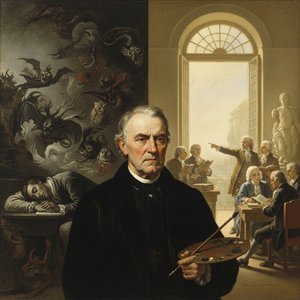
Francisco Goya: Darkness & Enlightenment – A Comprehensive Exploration of the Artist's Life, Works, and Enduring Legacy
Explore the life & works of Francisco Goya, Spain's Romantic master. Discover his evolution from court painter to a visionary chronicler of war and social injustice. A comprehensive guide for art enthusiasts.


