

 Megtekintés
 Küldés
 Megosztás
 Részletek
 Útmutató

 Letöltés
 Hasonló darabok
 X-ray felvétel
 Diavetítés
 Kérdések és válaszok
 Statisztika
untitled (7572)

 Összes részlet megjelenítése
Az ezen az oldalon megjelenített műalkotások szerzői jogi védelem alatt állnak, ami azt jelenti, hogy törvényileg nem készíthetünk és nem adhatunk el belőlük pontos másolatokat. Ez a védelem olyan nemzetközi megállapodások alapján érvényesül, mint például a Berni Egyezmény és a nemzeti jogszabályok által, beleértve azokat is, amelyeket meghatározott Az USA szerzői jogi törvénye – 17. cím.
Ez a módszer teljes mértékben megfelel a szerzői jogi szabályozásnak, mivel nem tartalmazza a védett műalkotás másolását vagy duplikálását. Ehelyett ez egy kreatív újinterpretáció – egy új festmény, amely az eredetivel való összefüggései miatt hatással van rá, de nem az az.
Giclée / Műnyomat
Múzeumi minőségű giclée vagy vászonnyomat, gyors gyártással és rugalmas finomítási lehetőségekkel. ( Kézzel festett másolat rendelése Áttérés digitális képre)




P118B Ft10

P118H Ft10

P118W Ft10

P438Z Ft10

P508JH Ft12

P508YH Ft12

P805H Ft10

P805Z Ft10

P919BZ Ft10

P919G Ft10

P919XJ Ft10

P959ZH Ft10

P968JZ Ft12

W106C Ft8

W218G Ft10

W218JH Ft8

W218Y Ft10

W307PJ Ft10

W316G Ft10

W316PJ Ft8

W316Y Ft10

W398PJ Ft8

W4111J Ft10

W500HY Ft15

W500JH Ft15

W692G Ft12

W849H Ft8

W940BG Ft15

W953PJ Ft8




Válasszon előre meghatározott méreteink közül, amelyek megfelelnek a műalkotás eredeti arányainak.

Írja be a keretének vagy a falának megfelelő szélességet és magasságot. A nyomatot csak le lehet vágni, soha nem tehető nagyobbá, mint az eredeti kép, így egy eltérő alakú méretnél a kép egy része elveszik. Mielőtt bármit kinyatintanánk, küldünk egy digitális próbamodellt jóváhagyásra. Az oldalon látható kép nem tartalmazza a valós levágást — ezt csak a próbamodell mutatja meg.
Világszerte történő kiszállítás területére mindössze 2 hét alatt, a szokásos 4-5 hét helyett. (11 november)

Ingyenes globális expressz szállítás

Prémium minőségű len vászon

Teljes körű szállítási biztosítás

Vámvisszatérítési Garancia

Hiteles színarányosság garancia

100 napos visszaküldési lehetőség (csak hibás termékek esetén)

100% pénzvisszatérítési garancia

Több darab vásárlásakor kedvezmény
 Az üvegkeretes opció csak 110 cm alatti méretben érhető el

untitled (7572)
Giclée / Műnyomat
Reprodukció mérete
-


Összesített ár
Ft 20495
A Study in Quietude: Decoding Edward Hopper’s “Untitled (7572)”
Edward Hopper's "Untitled (7572)" isn’t merely a depiction of a suburban house; it’s a meticulously crafted meditation on the human condition—a snapshot frozen in time that speaks volumes about loneliness, contemplation, and the subtle beauty found within moments of solitude. Painted sometime between 1948 and 1950 during Hopper's prolific period VII.A., this artwork exemplifies his signature style: stark realism infused with a melancholic luminescence that continues to captivate audiences decades later. The photograph accompanying this description reveals a deceptively simple composition—a white clapboard house bathed in the diffused glow of twilight, framed by a single window on each side and dominated by an interior space sparsely populated by furniture and a woman seated at a table. Yet, within this apparent stillness lies a complex tapestry of visual cues that invite careful observation.- Style: Hopper’s aesthetic aligns perfectly with American Realism—a movement prioritizing accurate representation over idealized beauty. He eschewed Impressionistic brushstrokes for precise lines and tonal gradations, favoring instead a deliberate flatness that enhances the sense of detachment.
- Technique: Executed in oil on canvas, “Untitled (7572)” demonstrates Hopper’s mastery of chiaroscuro—the dramatic interplay between light and shadow—a technique he honed throughout his career. Notice how the window casts a cool, bluish hue onto the woman's face and upper torso, creating a visual contrast that underscores her isolation from the outside world.
- Historical Context: Created during the post-war era, “Untitled (7572)” reflects the anxieties and uncertainties of American society grappling with rapid urbanization and shifting social norms. Hopper’s work captures the pervasive feeling of alienation experienced by individuals navigating these transformative changes—a sentiment that resonates powerfully even today.
Beyond Surface Detail: Hopper’s Artistic Vision
Hopper wasn’t simply documenting reality; he was transforming it into art—creating images that linger in the mind long after viewing them. His deliberate cropping, combined with his careful attention to detail—the texture of the wood grain on the table, the subtle folds of fabric—contributes to a sense of immediacy and authenticity. Furthermore, Hopper’s ability to convey emotion through visual language is remarkable. The woman's gaze directs outwards, hinting at an awareness of the world beyond her doorway but simultaneously anchoring her within the confines of her domestic space. This juxtaposition underscores the central theme of the painting—the tension between individual desire and societal constraints.A Legacy of Quiet Reflection
“Untitled (7572)” stands as a testament to Hopper’s enduring influence on American art history. Its understated elegance, coupled with its profound psychological depth, continues to inspire artists and resonate with audiences worldwide. Reproductions of this iconic artwork offer an opportunity to experience the beauty of Hopper's vision—a poignant reminder that even in moments of apparent stillness, there exists a wealth of emotion and contemplation waiting to be discovered. Consider incorporating it into your interior design scheme – its muted palette and contemplative mood will undoubtedly elevate any space.Kérdések és válaszok
Megtekinthetem a "untitled (7572)" alkotást részletesebben?
A „untitled (7572)”, Edward Hopper alkotása X-ray felvétel oldala egy interaktív nézegető, amely lehetővé teszi a mű alkotásának eleven optikai rétegei közötti görgetést, beleértve az röntgenszerű felvételt is.
Milyen elhelyezés illik „untitled (7572)”, Edward Hopper alkotása formátumához?
A formátum (Landscape) és a javasolt helyiség (Living Room) a „untitled (7572)”, Edward Hopper alkotása alkotáshoz tartozó két elhelyezési adat.
Hol találhatok olyan műalkotásokat, amelyek hasonlóak a(z) „untitled (7572)”, Edward Hopper alkotása alkotáshoz?
A „untitled (7572)”, Edward Hopper alkotása Hasonló alkotások oldala kapcsolódó műalkotásokat mutat be.
Hasonló műalkotások


A művész életrajza
Az amerikai táj csendje
Edward Hopper az Egyesült Államokban, Upper Nyackban született. Korai éveit a világ megfigyelésével töltötte, folyamatos és megfigyelő tekintettel, egy olyan szokással, amely már gyermekkori vázlatokból indulva, pontos dátumokkal és aláírásokkal jegyzették meg. Bár szülei a grafikai ágazatban látott, praktikusabb utat javasoltak számára, ő a tiszta művészet felé helyezte el elméletét. A New York School of Art-on William Merritt Chase és Robert Henri alatt tanult. Ezek az évek megtanították őt azt a technikai fegyelmet, amely a világ őszinte és csiszolatlan ábrázolásához szükséges volt. Nem a párizsi impresszionisták pillanatnyi, elszálló ecsetvonala mögé törepedett; helyette egy olyan látásmódot fejlesztett ki, amely a tömeg mozgása helyett a pillanat megálltát és megzengető csendjét részesítette előbírnyedet.
Művészete gyakran a hétköznapi mundus körül forog. Házakat, éttermeket, irodákat és hotelmegszállásokat figyelte meg, és minden felesleges részletet elhagyva próbált meg tízezres mélységű érzelmi igazságot találni a jelenet mögött. Az House by the Railroad (1925) című művében egy egyszerű kompozíció titokzatos izoláltságot áraszt. A fényt és az árnyékot nem csupán a szoba leírására használta, hanem hangulatteremtő eszközként. Egy falon táncoló árnyék pontos megábrázolása vagy a fény módja, ahogy egy ablakon keresztül bezár, az ő módja lett a válságos, belső lelki állapotok közvetítésének.
A fény és az urbán belső világ
A fény, amely egy térbe árad, központi szereplővé vált festményeiben. A Nighthawks (1942) című alkotásban az éjszakai étterem éles, fluorescent fénye áttöri az elhagyatott városi utca sötétét. A bent lévő alakok fizikailag közel stojnak egymáshoz, mégis a saját gondolataikba elmerülve, egymástól elszigetelve tűnnek fel. A zsúfolt városban érezhető ez az anonimitas érzése vált műveinek ismétlődő témájává. Megtetszik benne az a feszültség, amely egy nyilvános helyen való egyedüllétből fakad, egy olyan érzés, amely az Automat és az Office in a Small City című műveiben is visszajelző. Különösen érdekli őt az a folyamat, amely során a mesterséges fény találkozásba kerül az éjszaka természetes, ősi sötétjével.
Felesége, Josephine Nivison Hopper állandó jelenet volt életében. Mint művész, gyakran szolgált modelljeiént is, és jelenléte a női alakok karakterizálásában érezhető. Együtt, szerény életet élték, gyakran töltve az év szüntetéseit Új-Angliában, ami jelentősen befolyásolta a festette tájakat. Amerikai tájképei – legyen szó vidéki vagy urbán környezetről – gyakran egyfajta ridegséget vagy ürességet árasztanak. Legyen szó a Gas (1940) című művben látható útmenti benzinstannapról vagy egy csendes hotelszobáról, a téma mindig az fizikai hely és a privát, belső élmény találkozása.
Az megfigyelés öröksége
Hopper hatása a filmek és az irodalom vizuális nyelvét is átszöszteje. Képesége a kompozíción keresztül pszichológiai feszültséget szerezni, azt számos olyan kutatót lenyűgöz, aki a történetmesélést vizuális elemeken keresztül vizsgálja. Festményei a világ számos neves múzeumaiban megtalálhatóak, például a Whitney Museum of American Art és a Museum of Fine Arts kollekcióiban, Bostonban. Nem a nagy történelmi narratívák után kutatott; inkább a hétköznapi élet csendes, elhagyott szegleteit választotta témájának, egy egyszerű ablakot vagy egy elhaladó idegenet is az emberi létezés tanulmányává emelve. Művészete a néma szavazat tanulmányozatának marad, amely az emberek közötti terekben rejlik.

Edward Hopper
1931 - 1967 , Egyesült Államok
Rövid információk
- Artistic Movement Or Style: Amerikai realizmus
- Artists Or Movements Influenced By This Artist: ['Pierre Sanford Ross']
- Artists Who Influenced This Artist:
- William Merritt Chase
- Robert Henri
- Edgar Degas
- Édouard Manet
- Date Of Birth: 1931
- Date Of Death: 1967
- Full Name: Edward Hopper
- Nationality: Amerikai
- Notable Artworks:
- Nighthawks
- Gas
- House by the Railroad
- Automat
- Office in a Small City
- Summertime
- Place Of Birth: Upper Nyack, Egyesült Államok
Kapcsolódó cikkek

Az amerikai realizmus 10 ikonikus remekműve – festmények otthonra a ArtsDot kínálatából
Fedezze fel az amerikai realizmus 10 legikonikusabb remekművét! Ismerje meg Andrew Wyeth, Edward Hopper és más festők történetét. Múzeumi minőségű reprodukciók otthonra a ArtsDot kínálatából – inspiráló faliképek és dekorációk online.

Edward Hopper 25 Mesterműve: A Modern Magány és a Fény Játékai – ArtsDot
Fedezze fel Edward Hopper 25 legikonikusabb művét! Ismerje meg a modern magány, a fény és árnyék mesterét. Vászonképek, nyomatok – magas minőségben a ArtsDot.com-on. Inspirálódjon otthoni dekorációjához!
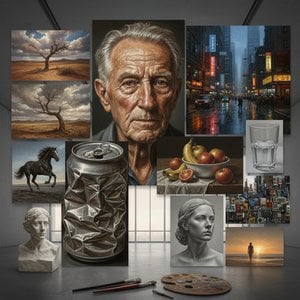
A kortárs realizmus 10 mesterműve – festmények, művészek és inspiráció otthonra
Fedezze fel a kortárs realizmus 10 legikonikusabb műalkotását! Ismerje meg a híres festők történetét, technikájukat és inspirációikat. Művészeti reprodukciók prémium minőségben – ArtsDot.com.

American Realism: Social Commentary & Artistic Representation in Early 20th-Century Painting
Explore the powerful social commentary & artistic representation of American Realism. Discover key artists like Bellows & Sloan, and understand the movement's lasting impact on 20th-century art history.

Grant Wood & American Regionalism: Identity, Myth & the Rural Landscape
Explore the world of Grant Wood & American Regionalism with ArtsDot. Discover the symbolism behind 'American Gothic', recurring themes, and the movement's lasting impact on art history. High-quality reproductions available.


