


 Előnézet
 Megosztás
 Megosztás
 Részletek
 Útmutató

 Letöltés
 Hasonló darabok
 X-ray felvétel
 Diavetítés
 Statisztika
Project for
 50.0 x 55.0 cm
 MAGA - Museo Arte Gallarate
 Tovább olvasom
Az ezen az oldalon megjelenített műalkotások szerzői jogi védelem alatt állnak, ami azt jelenti, hogy törvényileg nem készíthetünk és nem adhatunk el belőlük pontos másolatokat. Ez a védelem olyan nemzetközi megállapodások alapján érvényesül, mint például a Berni Egyezmény és a nemzeti törvények által, beleértve azokat is, amelyeket meghatározott Az USA szerzői jogi törvénye – 17. cím.
Ez a módszer teljes mértékben megfelel a szerzői jogi szabályozásnak, mivel nem tartalmazza a védett műalkotás másolását vagy duplikálását. Ehelyett ez egy kreatív újinterpretáció – egy új festmény, amely az eredetivel való összefüggései miatt hatással van rá, de nem az az.
Giclée / Műnyomat
Múzeumi minőségű giclée vagy vászonnyomat, gyors gyártással és rugalmas finomítási lehetőségekkel. ( Kézzel festett másolat vásárlása Áttérés digitális képre)




































Válasszon előre meghatározott méreteink közül, amelyek megfelelnek a műalkotás eredeti arányainak.

Írja be a keretének vagy a falának megfelelő szélességet és magasságot. A nyomatot csak le lehet vágni, soha nem tehető nagyobbá, mint az eredeti kép, így egy eltérő alakú méretnél a kép egy része elveszik. Mielőtt bármit kinyatintanánk, küldünk egy digitális próbamodellt jóváhagyásra. Az oldalon látható kép nem tartalmazza a valós levágást — ezt csak a próbamodell mutatja meg.
Világszerte történő kiszállítás területére mindössze 2 hét alatt, a szokásos 4-5 hét helyett. (22 október)

Ingyenes globális expressz szállítás

Prémium minőségű len vászon

Teljes körű szállítási biztosítás

Vámvisszatérítési Garancia

Tökéletes színarányosság garancia

100 napos visszaküldési garancia (csak gyártási hibás termékek esetén)

100% pénzvisszatérítési garancia

Több darab vásárlásakor kedvezmény
 Az üvegkeretes opció csak 110 cm alatti méretben érhető el

Project for
Giclée / Műnyomat
Reprodukció méretei
-


Összesített ár
Ft 19813
Hasonló műalkotások


A művész életrajza
Bruno Munari: A Life in Art and Design
Early Life and Education
- Born on October 24, 1907, in Milan, Italy, Bruno Munari was a pivotal figure in 20th-century art, design, and graphics.
- His childhood was spent largely in Badia Polesine after his family relocated to run a hotel. This rural upbringing likely fostered an early sense of observation and resourcefulness.
- He returned to Milan in 1926 and initially worked with his engineer uncle before dedicating himself to artistic pursuits.
Futurism and Early Artistic Development
- In 1927, Munari embraced the principles of Futurism, aligning himself with Filippo Marinetti and participating in numerous exhibitions. This early exposure to the movement’s dynamism and rejection of traditional forms profoundly shaped his aesthetic sensibility.
- From 1930 to 1938, he collaborated with Riccardo Castagnedi (Ricas) as a graphic designer, honing his skills in visual communication.
- A trip to Paris in 1933 brought him into contact with influential figures like Louis Aragon and André Breton, broadening his artistic horizons.
Mid-Career: Design, Publishing & War Years
- Between 1938 and 1943, Munari served as a press graphic designer for Mondadori publishing house, also acting as art director for the magazines Tempo and Grazia.
- During this period, he began designing books for children, initially inspired by his son Alberto. This marked the beginning of a lifelong interest in pedagogy and accessible design.
- The experience of World War II led Munari to disassociate himself from Italian Futurism due to its increasingly proto-fascist leanings.
Concrete Art & Post-War Innovation
- In 1948, Munari co-founded Movimento Arte Concreta (MAC), the Italian movement for Concrete Art, alongside Gillo Dorfles, Gianni Monnet, and Atanasio Soldati. This signaled a shift towards abstraction and geometric forms.
- The 1940s and 50s saw Munari designing a wide range of objects for Italian industry – from light fixtures and ashtrays to televisions, espresso machines, and toys. He believed in the integration of art and everyday life.
Later Life & Legacy
- Concerned about misinterpretations of his diverse body of work, Munari enlisted art historian Miroslava Hajek in 1969 to curate a selection of his most important pieces. This collection aimed to showcase the thematic coherence and evolution of his artistic philosophy.
- Munari’s work extended beyond traditional art forms; he explored games, didactic methods, movement, tactile learning, and creativity, demonstrating a holistic approach to design and education.
- He died in Milan on September 29, 1998, leaving behind a vast and influential legacy.
Major Achievements & Historical Significance
- Pioneering multidisciplinary artist: Munari seamlessly blended art, design, and pedagogy, challenging conventional boundaries.
- Influence on Italian Design: His industrial designs helped shape the aesthetic of post-war Italy.
- Advocate for Tactile Learning: He developed innovative educational materials that emphasized hands-on experience and sensory exploration.
- Champion of Concrete Art: Munari’s contribution to MAC solidified his place in the history of abstract art.
- Lasting Impact on Graphic Design: His graphic work remains influential for its clarity, simplicity, and innovative use of typography.
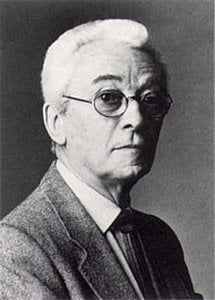
Bruno Munari
1907 - 1998 , Italy
Gyors információk
- Name: Bruno Munari
- Movement:
- Futurism
- Concrete Art
- Birth Date: 1907-10-24
- Death Date: 1998-09-29
- Birth Place: Milan, Italy
- Nationality: Italian
- Date Of Birth: 1907
- Date Of Death: 1998
- Influenced By: Marinetti
- Notable Works:
- Otto colori in un quadrato
- Progetto grafico di tessuto per la X Triennale di Milano
- Place Of Birth: Milan, Italy