

 Megtekintés
 Küldés
 Megosztás
 Részletek
 Útmutató

 Letöltés
 Hasonló darabok
 X-ray felvétel
 Diavetítés
 Kérdések és válaszok
 Statisztika
Ceiling decoration


 Összes részlet megjelenítése
Giclée / Műnyomat
Múzeumi minőségű giclée vagy vászonnyomat, gyors gyártással és rugalmas finomítási lehetőségekkel. ( Kézzel festett másolat rendelése Áttérés digitális képre)




































Válasszon előre meghatározott méreteink közül, amelyek megfelelnek a műalkotás eredeti arányainak.

Írja be a keretének vagy a falának megfelelő szélességet és magasságot. A nyomatot csak le lehet vágni, soha nem tehető nagyobbá, mint az eredeti kép, így egy eltérő alakú méretnél a kép egy része elveszik. Mielőtt bármit kinyatintanánk, küldünk egy digitális próbamodellt jóváhagyásra. Az oldalon látható kép nem tartalmazza a valós levágást — ezt csak a próbamodell mutatja meg.
Világszerte történő kiszállítás területére mindössze 2 hét alatt, a szokásos 4-5 hét helyett. (15 november)

Ingyenes globális expressz szállítás

Prémium minőségű len vászon

Teljes körű szállítási biztosítás

Vámvisszatérítési Garancia

Hiteles színarányosság garancia

100 napos visszaküldési lehetőség (csak hibás termékek esetén)

100% pénzvisszatérítési garancia

Több darab vásárlásakor kedvezmény
 Az üvegkeretes opció csak 110 cm alatti méretben érhető el

Ceiling decoration
Giclée / Műnyomat
Reprodukció mérete
-


Összesített ár
Ft 20358
Hasonló műalkotások


A művész életrajza
Bernardino Poccetti: Life and Legacy
Early Life and Training
Bernardino Poccetti (Florence, 1548 – 1612) was an Italian Mannerist painter and printmaker who flourished during the late Renaissance. Details regarding his early training remain somewhat scarce; however, it is known he began his artistic journey in Florence, a city brimming with artistic innovation at the time.
Major Works and Artistic Development
Poccetti’s career was marked by significant commissions, particularly in fresco painting. He secured important projects for religious institutions and aristocratic patrons throughout Tuscany. One of his most notable early achievements was frescoing scenes from the life of Cosimo I de' Medici as decoration within the Great Salon of the Pitti Palace. This commission established his reputation and demonstrated his skill in large-scale decorative work.
He also labored extensively for various charterhouses in Pisa and Siena, further solidifying his position as a sought-after artist. However, it is widely considered that his masterpiece lies within the Cappella del Giglio (also known as the Cappella Neri) in Santa Maria Maddalena dei Pazzi, Florence (1599). This chapel showcases his mature style and mastery of fresco technique.
The Counter-Maniera Movement
In his later career, Poccetti became a prominent figure within the so-called Counter-Maniera movement. This artistic trend represented a reaction against the highly stylized and often artificial qualities of late Mannerism. Artists associated with this movement – including Santi di Tito, Domenico Cresti (Il Passignano), Lodovico Cigoli, Jacopo Chimenti da Empoli, Andrea Boscoli, and Gregorio Pagani – sought to restore clarity, naturalism, and emotional resonance to their work.
Poccetti’s contribution to the Counter-Maniera was characterized by a simplification of forms, a greater emphasis on realistic depiction, and a renewed focus on narrative clarity. His frescoes in Santa Maria Maddalena dei Pazzi exemplify these characteristics.
Influences and Legacy
While specific influences are difficult to pinpoint definitively, Poccetti’s work demonstrates an awareness of the artistic trends prevalent in Florence during his lifetime. He likely studied the works of earlier masters such as Michelangelo and Pontormo, adapting their innovations to his own unique style.
Poccetti also trained or influenced a number of younger artists, most notably Michelangelo Cinganelli, ensuring that his artistic principles continued to be disseminated within Florentine art circles. His work represents an important transition between the Mannerist and Baroque periods, paving the way for the stylistic developments of the 17th century.
Notable Works
- Frescoes in the Great Salon, Palazzo Pitti
- Frescoes at various Charterhouses in Pisa & Siena
- Cappella del Giglio (Cappella Neri) – Santa Maria Maddalena dei Pazzi
- Capella Strozzi, Santa Trinità
- Villa di Artimino
- Foundation of Monastery of Monte Senario
Historical Significance
Bernardino Poccetti’s significance lies in his role as a key figure within the Counter-Maniera movement and his contribution to the evolution of Florentine painting. His frescoes remain important examples of late Renaissance art, showcasing both technical skill and artistic innovation.

Bernardino Poccetti
1548 - 1612 , Italy
Rövid információk
- Name: Bernardino Poccetti
- Movement: Mannerism, Counter-Maniera
- Birth Date: 1548
- Death Date: 1612
- Influenced: Michelangelo Cinganelli
- Birth Place: Florence, Italy
- Nationality: Italian
- Date Of Birth: 1548
- Date Of Death: 1612
- Notable Works: Frescoes at Palazzo Pitti & Santa Maria Maddalena dei Pazzi
- Place Of Birth: Florence, Italy
Kapcsolódó cikkek

A Proto-Renaissance 10 Mesterműve: A Reneszánsz Előhírnökei – Vászonképek és Nyomatok a ArtsDot kínálatában
Fedezze fel a Proto-Renaissance 10 legikonikusabb mesterművét! Giotto, Cimabue és más firenzei festők alkotásai – történetek, technikák és időtálló szépség. Vászonképek és nyomatok a ArtsDot kínálatában. Explore the full collection online!
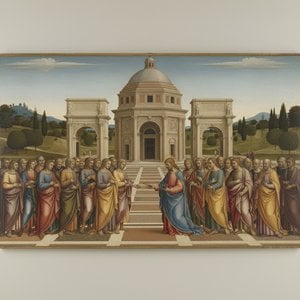
Pietro Perugino: Umbrian Master of Serenity & Precursor to Raphael's High Renaissance
Explore the life & art of Pietro Perugino, a pivotal Renaissance master and Raphael’s influential teacher. Discover his serene compositions, Sistine Chapel frescoes, and lasting legacy with ArtsDot.
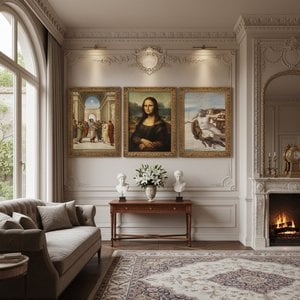
A Reneszánsz 10 Mesterműve: A Korábbiaknál Magasabb Színvonal a Fine Artban
Fedezze fel a Reneszánsz 10 legikonikusabb műalkotását! Leonardo da Vinci, Michelangelo és Raffaelo remekművei – történetük, technikájuk és örök szépségük. Museum-minőségű reprodukciók a ArtsDot.com oldalon. Böngéssze online kínálatunkat!

A modern mennyezeti freskó: A klasszikus reneszánsz művészet újragondolása kortárs témákkal – égképek, galaxisok, felhők –, melyek magasságot és nagyságot kölcsönöznek még a kompakt szobákban is.
Egyedi mennyezeti freskók tervezése és festése professzionális művészekkel! Reneszánsz hagyományok modern témákkal. Növelje a térérzetet, teremtsen luxus hangulatot. Ingyenes konzultáció!

The Renaissance Reimagined: Art, Humanism & Cultural Transformation (14th–16th Centuries)
Explore the Renaissance! Discover key artists like Leonardo & Michelangelo, the rise of Humanism, and groundbreaking techniques such as chiaroscuro. A comprehensive guide for art enthusiasts.