


 Pregledaj u stvarnoj veličini
 Podijeli
 Podijeli
 Detalji
 Vodič
Vodič

 Preuzmi datoteku
 Slični predmeti
 Rentgenska snimka
 Slide show
 Statistika
Two Eagle Dancers


 Pročitajte više
Djelo prikazano na ovoj stranici zaštićeno je autorskim pravima, što znači da zakonski ne možemo izraditi niti prodati identičnu reprodukciju. Ova se zaštita provodi u skladu s međunarodnim sporazumima kao što su Bernska konvencija i nacionalnim zakonima, uključujući i one koji su utvrđeni u Američki zakon o autorskom pravu – Title 17.
Kao poštovana i legalna alternativa, nudimo prilagođena, ručno oslikana umjetnička djela inspirirana originalom. Naši vješti i profesionalni umjetnici pažljivo proučavaju stil, raspoloženje i umjetničku bit originala kako bi stvorili novo, jedinstveno djelo koje izaziva isti osjećaj – ostajući pritom vlastito, originalno stvaralaštvo.
Ova metoda u potpunosti je usklađena s autorskim pravima jer ne uključuje kopiranje ili dupliciranje zaštićenih umjetničkih djela. Umjesto toga, riječ je o kreativnoj reinterpretaciji – novoj slici koja je dobila utjecaj na izvornik, ali nije identična njemu.
Ručno rađena uljana reprodukcija
Ručno oslikano uljanim bojama na platnu u dimenzijama i okviru po vašem izboru, izrađeno po narudžbi od strane naših umjetnika. ( Prebacite na prodaju printova Prebacite na digitalnu prodaju slika)




P118B €10

P118H €10

P118W €10

P438Z €10

P508JH €12

P508YH €12

P805H €10

P805Z €10

P919BZ €10

P919G €10

P919XJ €10

P959ZH €10

P968JZ €12

W106C €8

W218G €10

W218JH €8

W218Y €10

W307PJ €10

W316G €10

W316PJ €8

W316Y €10

W398PJ €8

W4111J €10

W500HY €15

W500JH €15

W692G €12

W849H €8

W940BG €15

W953PJ €8




Odaberite jednu od naših unaprijed definiranih veličina koje odgovaraju izvornim proporcijama umjetničkog djela.

Unesite širinu i visinu koja vam je potrebna, kako bi odgovarali vašem okviru ili zidu. Budući da je ovo ručno oslikano djelo, umjetnik može malo proširiti rubove slike ili ih skratiti kako bi postigao željeni oblik — izbor je vaš. Prije početka slikanja poslat ćemo vam digitalni prikaz (mockup) radi potvrde. Slika prikazana na ovoj stranici ne predstavlja stvarni rezultat — samo digitalni prikaz to čini.
Nakon narudžbe, tim ArtsDot.com kontaktirat će klijenta putem e-pošte radi dobivanja uputa te dostaviti probni prikaz (mockup)
Isporuka širom svijeta () u roku od 3-4 tjedna umjesto standardnih 5 tjedana. (19 Listopad). Bez kompromisa u kvaliteti.

Besplatna ekspresna dostava širom svijeta

Visokokvalitetno laneno platno

Potpuno osiguranje transporta

Jamstvo povrata carine i uvoznih poreza

Jamstvo vjernosti boja

Politika povrata u roku od 100 dana (samo u slučaju nedostataka)

Jamstvo povrata 100% novca

Popust na više proizvoda
 Opcija stakla dostupna je samo za dimenzije manje od 110 cm

Two Eagle Dancers
Tehnika izrade
Veličina reprodukcije
-


Ukupna cijena
€ 229
Pitanja i odgovori
Gdje bi se trebala visiti reprodukcija djela "Two Eagle Dancers" autora Stephen Mopope?
Format Panoramic djela "Two Eagle Dancers" autora Stephen Mopope preporučuje se za Restaurant. Format i prostor zajedno usmjeravaju postavljanje reprodukcije.
Koja je tehnika korištena za "Two Eagle Dancers" autora Stephen Mopope?
Tehnika djela "Two Eagle Dancers" autora Stephen Mopope je Painting. Reprodukcije imaju za cilj dočarati izgled ove tehnike.
Mogu li pregledati "Two Eagle Dancers" autora Stephen Mopope prije narudžbe?
Stranica Pregled za "Two Eagle Dancers" omogućuje vam pregled umjetničkog djela prije narudžbe.
Srodna umjetnička djela


Biografija umjetnika
**early life and training**
stephen mopope, also known as qued koi, was a kiowa painter, dancer, and native american flute player from oklahoma. born on august 27, 1898, near the redstone baptist mission on the kiowa reservation in indian territory, mopope's artistic journey began at a young age. * **family influence:** taught by his relatives to paint on hides in the traditional manner. * **formal education:** attended st. patrick's indian mission school in anadarko, oklahoma, and later studied at the university of oklahoma's school of art.**artistic contributions and style**
mopope was the most prolific member of the group known as the kiowa six. his work is characterized by: * **vibrant colors:** reflecting his heritage and the landscapes of oklahoma. * **dynamic themes:** often depicting scenes from native american life, ceremonies, and the beauty of nature.- two eagle dancers (smithsonian's national postal museum, washington, united states), a mural showcasing mopope's skill in capturing the essence of kiowa culture.
- apache ben (national cowboy & western heritage museum, oklahoma city, united states), a watercolor piece highlighting his versatility and range.
**legacy and impact**
* **prolific artist:** mopope's extensive body of work has made him a pivotal figure in native american art history. * **influence on future generations:** his unique style and technique have inspired many artists, ensuring his legacy endures. **view more works by stephen mopope at [https://ArtsDot.com/@/stephen-mopope](https://ArtsDot.com/@/stephen-mopope)**- explore the skagen painters movement and its influence on native american art.
- discover more about antoine wiertz, a belgian painter and sculptor, at [https://ArtsDot.com/@@/a@d3apat-discover-the-musee-wiertz-museum-brussels](https://ArtsDot.com/@@/a@d3apat-discover-the-musee-wiertz-museum-brussels)
**conclusion**
stephen mopope's life and work are a testament to the richness of native american culture and art. through his paintings, he has left an indelible mark on the world of fine art, ensuring his legacy as one of the most prolific kiowa painters of his generation. **learn more about art history and movements at [https://ArtsDot.com](https://ArtsDot.com)**
Stephen Mopope
1898 - 1974 , United States of America
Brzi pregled
- Full Name: Maurits Cornelis Escher
- Nationality: Dutch
- Date Of Birth: 1898
- Date Of Death: 1974
- Place Of Birth: Redstone, United States of America
- Notable Artworks:
- Hand with Reflecting Sphere
- Drawing Hands
- Relativity
- Waterfall
- Ascending and Descending
- Artistic Movement Or Style: Graphic art, Printmaking
- Artists Who Influenced This Artist:
- George Arnold Escher
- Frank Reaugh
- Artists Or Movements Influenced By This Artist:
- Rene Magritte
- Martin Gardner
Povezani članci
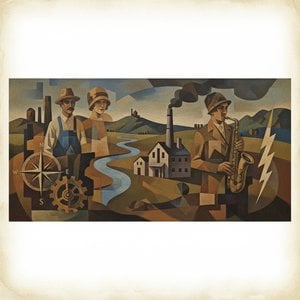
James Otto Lewis: Navigating American Modernism Through Regional Identity & Stylistic Innovation
Explore the captivating portraits of James Otto Lewis, a pivotal figure bridging 19th-century realism & American Modernism. Discover his groundbreaking work documenting Native American culture and regional identity.

Henry Farny: Romantic Visions of the American West & Indigenous Life
Explore the evocative paintings of Henry Farny, renowned for his romantic realism & depictions of Native American life in the 19th-century West. Discover his legacy and key artworks at ArtsDot.

American Regionalism: A Crucible of Identity – Exploring Themes of Place, Labor & Social Commentary
Explore American Regionalism's powerful depiction of the American heartland during the Great Depression. Discover Grant Wood, Thomas Hart Benton & more. Expert analysis & high-quality art reproductions at ArtsDot.

American Realism's Defining Works: 10 Masterpieces for Your Home
Explore 10 defining American Realism masterpieces – Hopper, Homer & more. Discover the stories behind these iconic paintings and bring timeless art to your home with ArtsDot's museum-quality reproductions. Explore the full collection online.

Grant Wood & American Regionalism: Identity, Myth & the Rural Landscape
Explore the world of Grant Wood & American Regionalism with ArtsDot. Discover the symbolism behind 'American Gothic', recurring themes, and the movement's lasting impact on art history. High-quality reproductions available.