
- होमपेज

- कैनवस पर प्रिंट हेतु
- पीटर मोंड्रियान
- Cuadro II

 पेंटिंग ऑर्डर करें छवि खरीदें
 साझा करें
 साझा करें
 Details
 पसंदीदा में जोड़ें

 डाउनलोड करें
 समान कलाकृतियाँ
 X-Ray
X-Ray
 स्लाइड शो देखें
Cuadro II


गिक्ली / आर्ट प्रिंट
तेज़ उत्पादन और विभिन्न फिनिश विकल्पों के साथ म्यूजियम-क्वालिटी गिकली (giclée) या कैनवस प्रिंट।
 अधिक जानकारी पढ़ें



P118B $10

P118H $10

P118W $10

P438Z $10

P508JH $12

P508YH $12

P805H $10

P805Z $10

P919BZ $10

P919G $10

P919XJ $10

P959ZH $10

P968JZ $12

W106C $8

W218G $10

W218JH $8

W218Y $10

W307PJ $10

W316G $10

W316PJ $8

W316Y $10

W398PJ $8

W4111J $10

W500HY $15

W500JH $15

W692G $12

W849H $8

W940BG $15

W953PJ $8




कलाकृति के मूल अनुपात से मेल खाने वाले हमारे पूर्व निर्धारित आकारों में से चुनें।

आप किसी विशिष्ट फ्रेम या स्थान के अनुसार अपने स्वयं के आयाम (dimensions) दर्ज कर सकते हैं। यदि आपके द्वारा चुना गया आकार मूल छवि के अनुपात से मेल नहीं खाता है, तो हम कलाकृति को क्रॉप कर देंगे या मिरर किए गए या सॉलिड-फिल किनारे के साथ छवि का विस्तार करेंगे। उत्पादन शुरू होने से पहले आपकी स्वीकृति के लिए एक डिजिटल मॉकअप भेजा जाएगा।
कृपया ध्यान दें कि स्क्रीन पर दिखने वाला प्रीव्यू वास्तविक क्रॉपिंग या विस्तार को नहीं दर्शाता है। केवल मॉकअप ही अंतिम संरचना को सटीक रूप से दिखाएगा।
हालाँकि कस्टम आकार उपलब्ध हैं, फिर भी हम मूल अनुपात बनाए रखने के लिए पूर्व-निर्धारित सूची में से एक आयाम चुनने की सलाह देते हैं।
विश्वव्यापी डिलीवरी (), मानक 4/5 सप्ताह के बजाय मात्र 2 सप्ताह में। (1 जुलाई)

दुनिया भर में मुफ़्त एक्सप्रेस शिपिंग

उच्च गुणवत्ता वाला लिनेन कैनवास

पूर्ण शिपिंग बीमा

सीमा शुल्क और आयात कर वापसी की गारंटी

सटीक रंग मिलान की गारंटी

60-दिन की वापसी नीति (केवल दोषों के लिए)

100% पैसे वापसी की गारंटी

थोक छूट का लाभ
 ग्लास का विकल्प केवल 110 सेमी से कम आकार में ही उपलब्ध है।

Cuadro II
गिक्ली / आर्ट प्रिंट
प्रतिकृति का आकार
-


कुल देय राशि
-
संग्रहणीय वस्तु का विवरण
The Geometry of Spirit: Unpacking Piet Mondrian’s ‘Cuadro II’
Piet Mondrian, a name synonymous with modern abstraction, wasn't simply an artist; he was a philosopher translating the essence of existence onto canvas. Born Pieter Cornelis Mondriaan in Amersfoort, Netherlands, in 1872, his journey from representational landscapes to the stark, geometric language of Neoplasticism is a testament to his relentless pursuit of universal harmony. ‘Cuadro II,’ painted around 1917, stands as a pivotal example of this movement – a distilled distillation of Mondrian’s vision, a visual embodiment of his belief that art could transcend the mundane and touch upon something profoundly spiritual. This isn't merely a painting; it’s an architectural blueprint for a new way of seeing, a reduction to its purest elements: verticality, horizontality, and the foundational colors of red, blue, and yellow. The work immediately commands attention not through vibrant hues, but through its rigorous structure – a black grid acting as the stage upon which these primary colors perform their silent dialogue.- The De Stijl Philosophy: Mondrian’s artistic quest was deeply rooted in the principles of De Stijl (The Style), a Dutch movement he co-founded with Theo van Doesburg. This group sought to create a universal language through abstraction, believing that by stripping away all superfluous detail, they could reveal the underlying order and harmony of the cosmos.
- Beyond Representation: Unlike traditional painting which aims to mimic reality, Neoplasticism rejected representation entirely. Mondrian wasn’t interested in depicting what he *saw*, but rather in expressing what he *felt* – a sense of balance, stability, and spiritual truth.
A Symphony of Lines and Color
The composition of ‘Cuadro II’ is deceptively simple yet profoundly complex. The dominant feature is the black grid, a carefully constructed framework that provides both structure and visual restraint. Within this grid, squares of varying sizes are arranged in a precise, almost mathematical order. These aren't randomly placed; each square occupies a specific location, contributing to the overall balance and harmony of the piece. The use of primary colors – red, yellow, and blue – is deliberate and symbolic. Mondrian believed these colors represented fundamental forces within nature and human experience. The white squares act as a neutral ground, allowing the other colors to stand out while simultaneously creating a sense of depth and space. Notice how the smaller squares nestled within the larger ones create a subtle layering effect, suggesting an underlying structure and complexity beneath the surface simplicity. Technique & Materials: Mondrian employed oil paints on canvas, applying them with meticulous precision. The smooth application and lack of visible brushstrokes contribute to the painting’s sense of order and control. He favored a limited palette and a deliberate approach to color mixing, ensuring that each hue was pure and unadulterated.Decoding the Symbolism
While Mondrian vehemently denied any intentional symbolism in his work – claiming he painted “without intention” – art historians have long debated the significance of the elements within ‘Cuadro II.’ The vertical and horizontal lines represent opposing forces, symbolizing stability and dynamism respectively. The squares themselves can be interpreted as building blocks of a new visual language, reflecting Mondrian’s belief in the underlying order of the universe. Some scholars suggest that the arrangement of the colors reflects musical harmonies, with red representing masculinity, blue femininity, and yellow spiritual enlightenment. Ultimately, the meaning of ‘Cuadro II’ is open to interpretation, inviting viewers to engage with the painting on a personal level and discover their own connections to its underlying principles.‘Cuadro II’ in Context: A Legacy of Abstraction
‘Cuadro II’ isn't just a beautiful object; it’s a landmark achievement in the history of modern art. It exemplifies the core tenets of Neoplasticism, influencing countless artists and designers who followed in Mondrian’s footsteps. His work paved the way for movements like Bauhaus and Minimalism, demonstrating the power of abstraction to communicate universal truths. Consider his early landscapes – vibrant depictions of Dutch countryside – a stark contrast to the austere geometry of ‘Cuadro II.’ This evolution reflects a profound shift in artistic perspective, moving away from imitation towards an exploration of pure form and color. Today, Mondrian’s influence can be seen everywhere, from architecture and graphic design to fashion and interior decoration. Explore a handmade oil painting reproduction of ‘Cuadro II’ on ArtsDot and bring the essence of De Stijl into your own space. This meticulously crafted reproduction captures the subtle nuances and geometric precision of Mondrian's original, allowing you to experience the beauty and intellectual depth of this iconic work firsthand.संबद्ध कलाकृतियाँ


कलाकार का जीवन परिचय
पीटर मोंड्रियान: ज्यामितीय अमूर्तता के पथिक
पीटर कॉर्नेलस मोंड्रियान, जिन्हें बाद में पीएट मोंड्रियान के नाम से जाना गया, 7 मार्च, 1872 को नीदरलैंड के एमर्सफोर्ट में जन्मे, आधुनिक कला के इतिहास में एक अद्वितीय स्थान रखते हैं। उनका जीवन और कला यात्रा प्रकृति की सुंदरता को चित्रित करने से लेकर शुद्ध अमूर्तता तक पहुंचने की एक असाधारण कहानी है। प्रारंभिक वर्षों में, मोंड्रियान ने पारंपरिक डच परिदृश्य चित्रकला का अध्ययन किया, जो हेग स्कूल और डच प्रभाववाद से प्रभावित थे। उनकी शुरुआती कृतियाँ, जैसे *लाल पवनचक्की*, प्रकृति के प्रति उनके समर्पण को दर्शाती हैं, लेकिन इन चित्रों में भी एक सरलीकरण की इच्छा झलकती है - एक ऐसी खोज जो उन्हें बाद में अमूर्तता की ओर ले जाएगी। बिंदुवाद और प्रभाववाद के साथ प्रयोगों ने उनके कलात्मक दृष्टिकोण को आकार दिया, प्रत्येक शैली ने रंग और रूप को देखने का एक अलग तरीका प्रदान किया।पेरिस में जागृति और नवप्लास्टिकवाद का जन्म
1912 में पेरिस जाने से मोंड्रियान के जीवन में एक महत्वपूर्ण मोड़ आया। फ्रांसीसी राजधानी में, उन्होंने खुद को क्यूबिज्म की क्रांतिकारी दुनिया में डुबो दिया। इस मुठभेड़ ने उन्हें रूपों को विघटित करने, वस्तुओं को उनके ज्यामितीय घटकों में तोड़ने और दृश्यमान होने वाली चीज़ का चित्रण करने के बजाय यह तलाशने के लिए प्रेरित किया कि वे इसे कैसे देखते हैं। लेकिन मोंड्रियान केवल एक नई शैली को अपना नहीं रहे थे; वे एक आध्यात्मिक खोज पर निकले थे। थियोसोफी से गहराई से प्रभावित, उन्होंने माना कि कला छिपे हुए सत्यों को व्यक्त करने का माध्यम हो सकती है। इस विश्वास ने उन्हें अमूर्तता की अथक खोज के लिए प्रेरित किया, जिससे रंग और रूप को उनके सबसे मौलिक तत्वों तक कम किया जा सके। 1917 के आसपास, यह यात्रा नवप्लास्टिकवाद के निर्माण में परिणत हुई - एक कट्टरपंथी सौंदर्यशास्त्र जो सीधी रेखाओं, समकोणों और प्राथमिक रंगों (लाल, नीला, पीला), काले, सफेद और ग्रे जैसे सीमित पैलेट पर आधारित था। मोंड्रियान के लिए, यह कमी खालीपन नहीं थी; यह ब्रह्मांड के अंतर्निहित सामंजस्य को प्रकट करने के बारे में था - एक दृश्य अभिव्यक्ति जो आध्यात्मिक व्यवस्था का प्रतिनिधित्व करती है। उन्होंने थियो वैन डोसबर्ग के साथ मिलकर *डी स्टाइल* आंदोलन की सह-स्थापना की, ताकि इन विचारों को बढ़ावा दिया जा सके और नवप्लास्टिकवाद को आधुनिक कला में एक परिभाषित शक्ति के रूप में स्थापित किया जा सके।न्यूयॉर्क लय: जीवन का एक नया अध्याय
द्वितीय विश्व युद्ध के प्रकोप ने 1940 में मोंड्रियान को यूरोप से भागने के लिए मजबूर कर दिया, जिसने उन्हें हलचल भरे महानगर न्यूयॉर्क शहर में शरण दी। यह स्थानांतरण अप्रत्याशित रूप से उत्साहवर्धक साबित हुआ। शहर की कठोर ग्रिड संरचना - जो उन्होंने पहले कभी नहीं देखी थी - उनके कलात्मक सिद्धांतों के साथ प्रतिध्वनित हुई। उनकी बाद की कृतियाँ, विशेष रूप से *ब्रॉडवे बूगी वूगी* (1943), इस प्रभाव को दर्शाती हैं। मूल नवप्लास्टिकवाद के मुख्य सिद्धांतों को बनाए रखते हुए, पेंटिंग एक गतिशील ऊर्जा, शहर के स्पंदनात्मक जीवन और जैज़ संगीत से प्रेरित एक जीवंत ताल पेश करती है। सीधी रेखाएँ अभी भी मौजूद हैं, लेकिन अब वे अधिक स्वतंत्रता के साथ नृत्य और प्रतिच्छेद करती हैं, जो गति और आनंद की भावना पैदा करती हैं। ऐसा लग रहा था जैसे मोंड्रियान ने अपनी स्थापित शब्दावली के भीतर एक नई भाषा पाई है - आधुनिक शहरी अस्तित्व की जटिलताओं को ज्यामितीय अमूर्तता की सादगी के माध्यम से व्यक्त करने का एक तरीका।विरासत: कला पर स्थायी प्रभाव
पीएट मोंड्रियान का कला जगत पर प्रभाव असीम है। वे केवल कलाकार ही नहीं थे; वे एक दूरदर्शी थे जिन्होंने अमूर्तता की हमारी समझ को मौलिक रूप से बदल दिया और इसकी सार्वभौमिक सत्यों को व्यक्त करने की क्षमता को बदल दिया। उनका काम अनगिनत कलाकारों, आंदोलनों और विषयों को गहराई से प्रभावित करता रहा है। सार अभिव्यक्तिवाद, न्यूनतावाद और रंग क्षेत्र चित्रकला सभी ने उनके अग्रणी भावना का ऋण माना है। लेकिन उनका प्रभाव कैनवास से परे भी फैला हुआ है। नवप्लास्टिकवाद के सिद्धांत - सरलता, स्पष्टता, ज्यामितीय व्यवस्था - वास्तुकला, डिजाइन और फैशन में व्याप्त हैं। फर्नीचर और वस्त्रों से लेकर भवन के अग्रभागों और ग्राफिक लेआउट तक, मोंड्रियान की सौंदर्यशास्त्र हमारे दृश्य जगत को आकार देना जारी रखता है। वह आधुनिक कला में एक प्रतिष्ठित व्यक्ति बने हुए हैं, अमूर्तता की अथक खोज और कलात्मक नवाचार की स्थायी शक्ति का प्रतीक हैं।प्रभाव और प्रमुख कार्य
- प्रारंभिक प्रभाव: हेग स्कूल, डच प्रभाववाद, बिंदुवाद, प्रभाववाद ने उनके प्रारंभिक कलात्मक अन्वेषणों के लिए आधार प्रदान किया।
- परिवर्तनकारी प्रभाव: क्यूबिज्म पेरिस में अमूर्तता और ज्यामितीय रूपों की ओर बढ़ने में महत्वपूर्ण था।
- दार्शनिक नींव: थियोसोफी ने यह विश्वास गहरा किया कि कला सार्वभौमिक आध्यात्मिक सिद्धांतों को व्यक्त कर सकती है।
- प्रमुख कार्य: *लाल पवनचक्की* (प्रारंभिक प्रकृतिवादी अवधि), *लाल, नीला और पीला के साथ रचना* (नवप्लास्टिकवाद का एक उत्कृष्ट उदाहरण), *टेबलू नंबर 2 रचना नंबर वी* (आवश्यक रूपों में कमी को दर्शाता है), *ब्रॉडवे बूगी वूगी* (न्यूयॉर्क शहर से प्रभावित देर से जीवन की गतिशीलता)।
- स्थायी प्रभाव: मोंड्रियान के काम ने कलाकारों, वास्तुकारों और डिजाइनरों को प्रेरित करना जारी रखा है, विभिन्न विषयों में आधुनिक सौंदर्यशास्त्र को आकार दिया है।

पीटर मोंड्रियान
1872 - 1944 , नीदरलैंड
मुख्य तथ्य
- कलात्मक शैली: नियोप्लास्टिसिज्म, डी स्टिल
- जन्म तिथि: 7 मार्च 1872
- जन्म स्थान: अमर्सफ़ोर्ट, नीदरलैंड
- पूरा नाम: पीटर कॉर्नेलस मोंड्रियान
- प्रभावित आंदोलन:
- अमूर्त अभिव्यक्तिवाद
- न्यूनतमवाद
- प्रभावित कलाकार:
- हेग स्कूल
- क्यूबिज्म
- प्रमुख कलाकृतियाँ:
- रेड, ब्लू एंड येलो कंपोजिशन
- ब्रॉडवे बूगी वूगी
- मृत्यु तिथि: 1 फरवरी 1944
- राष्ट्रीयता: डच
संबंधित लेख

Beyond Form & Color: Geometric Abstraction's Evolution in 20th/21st Century Art
Explore the evolution of geometric abstraction from Cubism to contemporary art. Discover key artists like Malevich & Mondrian, investment insights, and expert collecting advice at ArtsDot.

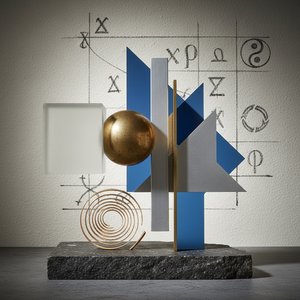
Beyond Form: Exploring the Philosophical Foundations of Geometric Abstraction
Explore the philosophical roots & artistic evolution of geometric abstraction with ArtsDot. Discover Mondrian, Malevich, De Stijl & more. Expert insights for collectors and art enthusiasts.

Beyond Form & Color: Geometric Abstraction's Enduring Legacy in Art History
Explore the captivating world of geometric abstraction! Discover its origins, key artists like Malevich & Mondrian, and why this movement remains highly valued by art collectors today. Expert insights at ArtsDot.

Beyond Form: Exploring Geometric Abstraction's Enduring Legacy in Art History
Explore the captivating world of geometric abstraction! Discover its origins, key artists like Kandinsky & Mondrian, and why this movement remains highly valued by art collectors today. Expert insights at ArtsDot.

ज्यामितीय अमूर्तता: शीर्ष 10 उत्कृष्ट कृतियाँ जो कला को नया आकार देती हैं | ArtsDot.com
ज्यामितीय अमूर्तता की शीर्ष 10 उत्कृष्ट कृतियों का अन्वेषण करें! पिकासो, मोंड्रियन और अन्य कलाकारों के प्रेरणादायक कार्यों से कला इतिहास जानें। ArtsDot.com पर उच्च गुणवत्ता वाली कला प्रिंट और कैनवास खरीदें।



