- होमपेज

- ऑयल पेंटिंग रिप्रोडक्शन
- जर्मनियस बोश
- The Entombment

 प्रिंट खरीदें छवि खरीदें
 साझा करें
 साझा करें
 विवरण
विवरण
 पसंदीदा में जोड़ें

 डाउनलोड करें
 समान कलाकृतियाँ
 एक्स-रे
 स्लाइड शो देखें
The Entombment
 Acrylic On Canvas
- WallArt
- Northern Renaissance
 1507
1507 250.0 x 350.0 cm
 ब्रिटिश संग्रहालय
 पूरा देखें
हाथ से बनी ऑयल रिप्रोडक्शन
आपके आकार और फ्रेम के अनुसार कैनवास पर हाथ से बनी ऑयल पेंटिंग, हमारे कलाकारों द्वारा विशेष रूप से ऑर्डर पर तैयार।




P118B $10

P118H $10

P118W $10

P438Z $10

P508JH $12

P508YH $12

P805H $10

P805Z $10

P919BZ $10

P919G $10

P919XJ $10

P959ZH $10

P968JZ $12

W106C $8

W218G $10

W218JH $8

W218Y $10

W307PJ $10

W316G $10

W316PJ $8

W316Y $10

W398PJ $8

W4111J $10

W500HY $15

W500JH $15

W692G $12

W849H $8

W940BG $15

W953PJ $8




कलाकृति के मूल अनुपात से मेल खाने वाले हमारे पूर्व निर्धारित आकारों में से चुनें।

आप किसी विशिष्ट फ्रेम या स्थान के अनुसार अपने स्वयं के आयाम (dimensions) दर्ज कर सकते हैं। यदि आपके द्वारा चुना गया आकार मूल छवि के अनुपात से मेल नहीं खाता है, तो हम कलाकृति को क्रॉप करेंगे या पेंटिंग में अतिरिक्त हाथ से चित्रित तत्व जोड़कर उसका विस्तार करेंगे। उत्पादन शुरू होने से पहले आपकी स्वीकृति के लिए एक डिजिटल मॉकअप भेजा जाएगा।
कृपया ध्यान दें कि स्क्रीन पर दिखने वाला पूर्वावलोकन वास्तविक क्रॉपिंग या विस्तार को नहीं दर्शाता है। केवल मॉकअप ही अंतिम रचना को सटीक रूप से दिखाएगा।
यद्यपि कस्टम आकार उपलब्ध हैं, फिर भी हम मूल अनुपात बनाए रखने के लिए पूर्व-निर्धारित सूची से आयाम चुनने की सलाह देते हैं।
ऑर्डर देने के बाद, ArtsDot.com टीम निर्देशों के लिए क्लाइंट को ईमेल करेगी और एक मॉकअप प्रीव्यू प्रदान करेगी
विश्वव्यापी वितरण () मानक 5 सप्ताह के बजाय मात्र 3/4 सप्ताह में। (2 जुलाई)। गुणवत्ता से कोई समझौता नहीं।

दुनिया भर में मुफ़्त एक्सप्रेस शिपिंग

उच्च गुणवत्ता वाला लिनेन कैनवास

पूर्ण शिपिंग बीमा

सीमा शुल्क और आयात कर वापसी की गारंटी

सटीक रंग मिलान की गारंटी

60-दिन की वापसी नीति (केवल दोषों के लिए)

100% पैसे वापसी की गारंटी

थोक छूट का लाभ
 ग्लास का विकल्प केवल 110 सेमी से कम आकार में ही उपलब्ध है।

The Entombment
प्रतिकृति की विधि
प्रतिकृति का आकार
-


कुल देय राशि
-
कलाकृति का विवरण
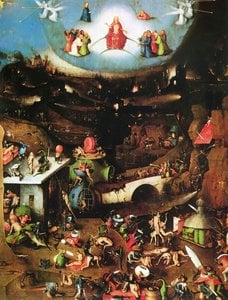
A Descent into Sorrowful Detail: Exploring Hieronymus Bosch’s “The Entombment”
Hieronymus Bosch’s “The Entombment,” completed in 1507, stands as a haunting testament to the anxieties of Renaissance Europe and a cornerstone of Surrealist art. More than just a depiction of biblical piety, it's an unsettling meditation on mortality, faith, and the grotesque beauty inherent in confronting uncomfortable truths—a characteristic hallmark of Bosch’s singular artistic vision.
- Subject Matter: The artwork portrays the solemn ritual surrounding Christ’s burial – a scene steeped in Christian iconography. Notably, the prominent crown of thorns adorning Jesus' head serves as a potent symbol of suffering and sacrifice, anchoring the composition within established religious tradition.
- Style & Context: Bosch’s style aligns perfectly with the burgeoning Northern Renaissance movement, yet transcends its conventions through an unflinching embrace of bizarre imagery and psychological depth. Executed in the wake of Martin Luther's challenge to papal authority, “The Entombment” reflects a broader cultural preoccupation with demonic forces and the perils of earthly existence—themes that would resonate powerfully throughout subsequent artistic endeavors.
Technical Mastery: Etching’s Delicate Dance of Light and Shadow
Bosch achieved his arresting visual impact through meticulous etching, a technique renowned for its precision and tonal subtlety. The plate itself was painstakingly prepared—likely utilizing acid resist—allowing for the creation of incredibly detailed lines that capture the textures of fabric, skin, and hair with astonishing accuracy. These fine lines are interwoven with hatching and cross-hatching to sculpt shading and depth, generating an atmosphere of palpable gloom.
- Technique: The etching process involved transferring a design onto metal plate using acid resist, followed by carefully removing excess material through controlled etching—a laborious undertaking that demanded considerable artistic skill.
- Materials: Primarily composed of zinc or copper plates and ink, the artwork exemplifies the craftsmanship of its era, demonstrating an understanding of printmaking’s capabilities to convey nuanced emotional expression.
Symbolism Beyond the Surface: Layers of Meaning
“The Entombment” is far more than a straightforward retelling of biblical narrative; it operates on multiple symbolic levels. The crowded figures surrounding Christ—some weeping, others gesturing with solemn expressions—represent humanity grappling with grief and despair. Bosch’s penchant for incorporating fantastical elements—such as grotesque animals and unsettling human-animal hybrids—challenges viewers to confront the darker side of faith and underscores the pervasive influence of medieval folklore.
- Emotional Impact: The artwork evokes a profound sense of sorrow, grief, and contemplation. Bosch’s masterful use of chiaroscuro amplifies these emotions, drawing attention to the central figure's vulnerability while simultaneously conveying the oppressive weight of mortality.
- Recurring Motifs: Bosch frequently employed symbolic imagery—like serpents and skulls—to convey moral lessons and explore existential anxieties. These motifs contribute to “The Entombment’s” unsettling atmosphere and invite viewers to ponder profound questions about life, death, and redemption.
A Legacy of Surrealist Vision
Despite its Renaissance origins, “The Entombment” anticipates the stylistic innovations of Surrealism—a movement spearheaded by André Breton in the 1920s—particularly its fascination with dreamlike imagery and irrational juxtapositions. Bosch’s uncompromising exploration of psychological complexity and his willingness to depict disturbing realities cemented his place as a visionary artist whose influence continues to inspire artists today.
संबद्ध कलाकृतियाँ


कलाकार का जीवन परिचय
Hieronymus Bosch (c. 1450-1516): Dutch Renaissance Master of Surrealism & Symbolism
Hieronymus Bosch remains one of art history’s most perplexing figures—a Netherlandish genius whose unsettling visions continue to captivate audiences centuries after his death in 1516. Born around 1450 in ’s-Hertogenbosch, Brabant—then a bastion of medieval piety—Bosch defied convention from an early age, forging a path toward artistic innovation that would redefine the boundaries of Renaissance painting and establish him as a pioneer of Surrealism. Biographical details about Bosch’s life are frustratingly sparse; records offer tantalizing glimpses but leave much to speculation, contributing to his enduring mystique. He married Aleyt Goyaerts van den Meerveen before 1481, securing some financial stability through her family's holdings—a pragmatic decision that belied the extraordinary imagination simmering beneath the surface of his artistic endeavors.Early Training and Artistic Influences
Bosch’s formative years were steeped in the traditions of Brabant painting—his grandfather, Jan van Aken, and father, Anthonius van Aken, were both accomplished artists—providing him with invaluable experience in mastering the techniques of oil on oak panels. However, Bosch swiftly distinguished himself from his contemporaries by embracing a radically original vision—one that prioritized symbolic depth over realistic representation. While influenced by Flemish masters like Rogier van der Weyden and Hans Memling—particularly their meticulous attention to detail—Bosch rejected their stylistic conservatism, opting instead for a style characterized by fantastical imagery and jarring juxtapositions of the sacred and profane. This divergence from established norms foreshadowed his groundbreaking contribution to Surrealist art, where he would champion dreamlike landscapes populated by grotesque creatures and unsettling narratives.The Creation of Masterpieces: Symbolism and Technique
Bosch’s artistic technique was remarkable—demonstrating a masterful command of oil paint on oak panels, achieving luminous colors and intricate textures. He employed a distinctive hatching technique to convey depth and volume, layering lines to create convincing illusions of form. Furthermore, Bosch's use of color was deliberately unconventional—often employing muted hues alongside vibrant shades—to heighten the emotional impact of his paintings. But it was Bosch’s profound understanding of symbolism that truly elevated his work beyond mere visual spectacle. He drew inspiration from medieval folklore and religious texts—particularly those emphasizing apocalyptic themes—translating complex theological concepts into arresting visual metaphors. His creatures—grotesque demons, fantastical animals, and disturbingly human figures—were not merely decorative elements; they embodied vice, temptation, and spiritual corruption—serving as potent reminders of humanity’s moral failings.Iconic Works: The Garden of Earthly Delights and Beyond
Bosch's oeuvre comprises several unforgettable masterpieces that continue to fascinate scholars and artists alike. Among the most celebrated is The Garden of Earthly Delights (c. 1490-1510)—a monumental triptych depicting paradise, earthly life, and hell—a complex allegorical representation of humanity’s fall from grace. The left panel portrays Eden—lush vegetation teeming with fantastical animals—while the central panel depicts a hedonistic world consumed by sensual pleasure—and the right panel offers a terrifying glimpse into the torments of inferno. Alongside this iconic work stand The Last Judgement Triptych (c. 1480-1490), Ascent of the Blessed (c. 1480-1490) and *Epiphany* (c. 1495)—each demonstrating Bosch’s unparalleled ability to evoke emotion through ethereal landscapes and intricate symbolism—reflecting a mind perpetually wrestling with existential questions.Legacy and Influence: Surrealism and Contemporary Art
Bosch's influence on subsequent artists is undeniable—particularly Surrealist painters like Salvador Dalí and Max Ernst who embraced his dreamlike imagery and exploration of the subconscious. His unsettling visions challenged conventional artistic norms, paving the way for new forms of expression that prioritized psychological depth over literal representation. Even today, Bosch’s paintings inspire awe and provoke contemplation—serving as a testament to his enduring genius and cementing his place as one of art history's most singular voices. He died in 1516, leaving behind a legacy that transcends time—a reminder that true artistic innovation lies not in imitation but in fearless exploration—and a profound contribution to the visual culture of the Renaissance and beyond.
जर्मनियस बोश
1450 - 1516 , नीदरलैंड
मुख्य तथ्य
- Artistic Movement Or Style: Surrealism, Symbolism
- Artists Or Movements Influenced By This Artist: ['Pieter Bruegel the Elder']
- Date Of Birth: c. 1450
- Date Of Death: 1516
- Full Name: Hieronymus Bosch
- Nationality: Dutch
- Notable Artworks:
- Garden of Earthly Delights
- Last Judgement Triptych
- Ascent of the Blessed
- Place Of Birth: Den Bosch, Netherlands
संबंधित लेख

Hieronymus Bosch: Decoding the Visions of a Netherlandish Master
Explore the captivating world of Hieronymus Bosch! Delve into the symbolism, religious context, and artistic innovation of this Netherlandish master with ArtsDot's expert analysis. Discover his iconic paintings & lasting influence.

Early Netherlandish Masters: 10 Paintings That Revolutionized Art & Decor
Journey into the world of Early Netherlandish painting! Explore 10 masterpieces by Jan van Eyck, Rogier van der Weyden & more. Discover stunning detail, symbolism & Renaissance art for your home decor. Find museum-quality reproductions on ArtsDot.com
हीरोनिमस बॉश की शीर्ष 25 कलाकृतियाँ: रहस्यमय सौंदर्य और गहन प्रतीकवाद | ArtsDot
हीरोनिमस बॉश की शीर्ष 25 कलाकृतियों का अन्वेषण करें! मध्ययुगीन रहस्यवाद, धार्मिक प्रतीकवाद और कल्पनाशील दृश्यों से भरी ये पेंटिंग कला इतिहास में अद्वितीय हैं। ArtsDot पर उच्च गुणवत्ता वाले पुनरुत्पादन खरीदें और अपने घर को सजाएं। अभी संग्रह देखें!

Oil on Panel Masters: 10 Paintings That Revolutionized Art |
Journey through 10 legendary 'Oil on Panel' masterpieces by Van Eyck, Bosch & Bruegel. Explore the stories behind these iconic Renaissance & Baroque paintings and find museum-quality art reproductions to elevate your home decor. Discover all masterpieces on !

Gerard David: Bridging Late Medieval Tradition with Early Renaissance Humanism
Explore the captivating world of Gerard David, a pivotal figure bridging late medieval artistry with the Early Renaissance. Discover his innovative techniques, religious masterpieces, and enduring legacy – a must-read for discerning art collectors.