Une Tapisserie Vénitienne de Pouvoir et d'Art
S'élevant majestueusement en bordure de la place Saint-Marc, le Palazzo Ducale , ou Palais des Doges, est bien plus qu'un simple monument de pierre et de marbre d'Istrie ; c'est une chronique immersive d'un empire disparu. Franchir ses portes, c'est pénétrer dans un témoignage vivant de l'héritage durable du républicanisme vénitien, où chaque arche élancée et chaque sculpture complexe murmure des récits d'intrigues politiques, de domination maritime et d'un génie artistique sans pareil. Le palais sert d'écho tangible au passé extraordinaire de Venise, un lieu où les ombres de la justice se mêlent aux teintes vibrantes et ensoleillées des chefs-d'œuvre de la Renaissance. Ses fondations mêmes racontent une histoire de transformation, évoluant d'un bastion fortifié du IXe siècle — construit pour repousser les raids slaves — vers le siège opulent et étendu du Doge, reflétant le voyage de la ville, d'un avant-poste vulnérable à une superpuissance maritime mondiale.
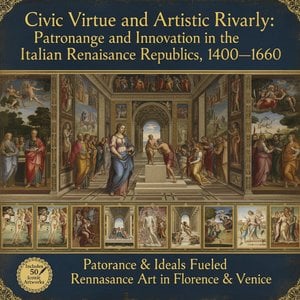
L'architecture du palais est un dialogue époustouflant entre les styles, incarnant une fusion unique qui reflète la position de Venise au carrefour de l'Orient et de l'Occident. La façade extérieure, avec son jeu rythmique de délicates dentelles gothiques et de maçonnerettes massives et solides, puise une profonde inspiration dans les précédents byzantins, notamment la Basilique Saint-Marc toute proche. Cette innovation architecturale représente une rupture consciente avec les structures traditionnelles de type forteresse, privilégiant plutôt une esthétique de légèreté et de dynamisme. À l'intérieur, la grandeur s'intensifie au sein d'espaces tels que la Sala del Maggior Consiglio . Ici, l'échelle monumentale de la Salle du Grand Conseil submerge les sens, dominée par le Paradis monumental de Tintoret. Cette toile à couper le souffle, s'étendant sur plus de 36 mètres de long, sert de puissant manifeste visuel de l'engagement de Venise envers la vertu civique et la faveur divine, jetant une lueur céleste sur le cœur même du gouvernement vénitien.
Un Trésor de Splendeur Décorative
Pour le collectionneur averti et l'amateur de détails raffinés, le palais offre un trésor de splendeur décorative qui transcende la simple ornamentation. Les salles sont ornées du Triomphe de Venise de Véronèse, une fête de couleurs et de détails opulents qui célèbre les prouesses maritimes de la République. Au-delà de ces toiles de grande envergure, on découvre l'âme délicate de l'artisanat vénitien dans des tapisseries complexes illustrant des récits bibliques et un travail du verre exquis qui a autrefois défini le cœur économique de la ville. Le palais invite également à l'exploration de ses recoins les plus énigmatiques grâce à des visites spécialisées, telles que l' Itinéraire Secret , qui révèle des chambres et des passages cachés qui abritaient autrefois les secrets les plus jalousement gardés de l'État.
Qu'il s'agisse d'admirer la lumière magistrale d'un Titien ou de retracer la précision cartographique de l'école Lafreri, les visiteurs se retrouvent enveloppés dans une atmosphère où l'art et l'autorité sont inextricablement liés. Aujourd'hui, le Palazzo Ducale demeure un épicentre culturel vibrant, évoluant continuellement à travers des expositions qui jettent un pont entre tradition ancienne et perspective moderne. Des présentations récentes ont exploré l'art délicat de la verrerie vénitienne et l'influence profonde des mosaïques byzantines, garantissant que le récit du palais reste aussi dynamique que la mer qui l'a autrefois protégé. Pour les décorateurs d'intérieur et les passionnés d'art en quête d'inspiration, le palais s'impose comme la référence ultime du luxe, de l'échelle et de l'intégration harmonieuse de l'architecture et des beaux-arts.