

 Commander l'impression Acheter l'image haute résolution
 Partager
 Partager
 Détails
 Ajouter aux favoris

 Télécharger
 Articles similaires
 Radiographie
 Diaporama
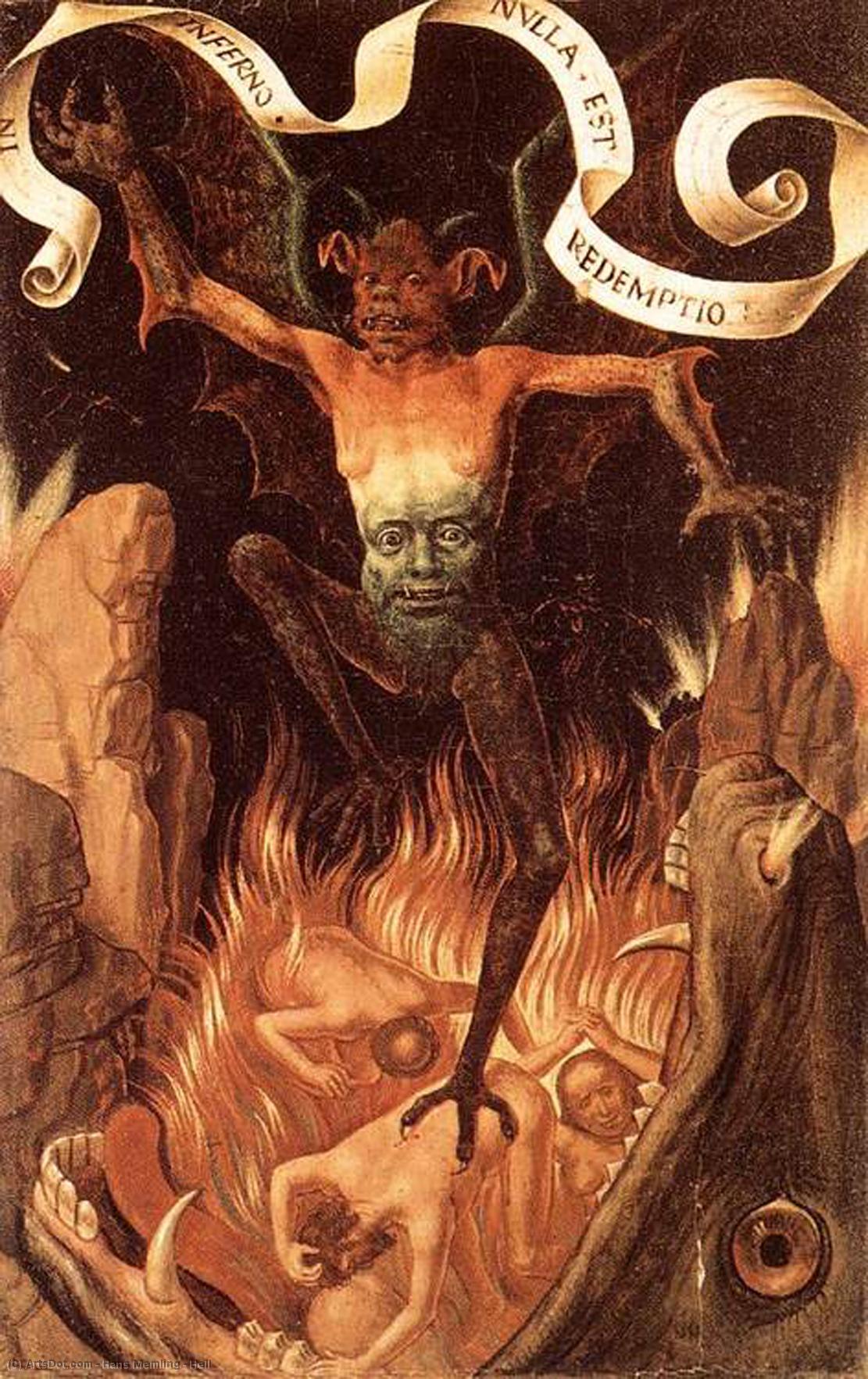
Hell
 Oil On Canvas
- WallArt
- Baroque Netherlandish painting
 1485
1485- Late Medieval
 22.0 x 14.0 cm
 Musée Des Beaux
 Afficher la suite
Reproduction à l'huile faite à la main
Huile sur toile peinte à la main, avec cadre et dimensions personnalisés, réalisée sur commande par nos artistes.




P118B $10

P118H $10

P118W $10

P438Z $10

P508JH $12

P508YH $12

P805H $10

P805Z $10

P919BZ $10

P919G $10

P919XJ $10

P959ZH $10

P968JZ $12

W106C $8

W218G $10

W218JH $8

W218Y $10

W307PJ $10

W316G $10

W316PJ $8

W316Y $10

W398PJ $8

W4111J $10

W500HY $15

W500JH $15

W692G $12

W849H $8

W940BG $15

W953PJ $8




Choisissez parmi nos formats prédéfinis qui respectent les proportions originales de l’œuvre.

Vous pouvez saisir vos propres dimensions pour l'adapter à un cadre ou à un espace spécifique. Si la taille sélectionnée ne correspond pas aux proportions de l'image d'origine, nous recadrerons l'œuvre ou prolongerons la peinture avec des éléments peints à la main supplémentaires. Une maquette numérique vous sera envoyée pour approbation avant le début de la production.
Veuillez noter que l'aperçu à l'écran ne reflète pas le recadrage ou l'extension réels. Seule la maquette montrera fidèlement la composition finale.
Bien que des tailles personnalisées soient disponibles, nous vous recommandons de sélectionner une dimension dans la liste prédéfinie afin de préserver les proportions d'origine.
Après la commande, l’équipe ArtsDot.com contactera le client par e-mail pour obtenir ses instructions et lui fournira une maquette d’aperçu.
Livraison dans le monde entier () en 3 à 4 semaines au lieu des 5 semaines habituelles. (2 juillet). Aucune concession sur la qualité.

Livraison express gratuite dans le monde entier

Toile de lin de haute qualité

Assurance transport complète

Garantie de remboursement des frais de douane

Garantie de fidélité des couleurs

Politique de retour de 60 jours (uniquement en cas de défaut)

Garantie de remboursement à 100%

Réduction sur les achats groupés
 L'option verre n'est disponible que pour les dimensions inférieures à 110 cm.

Hell
Technique de reproduction
Format de reproduction
-


Prix total final
-
Description de l'œuvre
Hans Memling's "Hell": A Descent into Torment
This arresting depiction of Hell, painted in 1485 by Hans Memling, offers a profoundly unsettling glimpse into the artist’s masterful understanding of human suffering and his deep engagement with religious iconography. Measuring 22 x 14 cm, this intimate scale amplifies the emotional intensity of the scene, drawing the viewer directly into the heart of torment. The painting immediately commands attention with its stark contrasts – the oppressive darkness punctuated by the demonic figure’s vibrant, almost theatrical presence. It is a work born from Memling's time in Bruges, where he was commissioned to create works for wealthy patrons and religious institutions, reflecting the city’s status as a major center of art and commerce.
A Study in Netherlandish Realism and Symbolism
Memling, deeply influenced by Rogier van der Weyden, exemplifies the core tenets of Early Netherlandish painting. The meticulous detail evident in the rendering of textures – the rough fabric of the tormented figures’ clothing, the polished scales of the demon's wings, the aged leather binding of the book – speaks to a dedication to realism that was revolutionary for its time. However, this isn't merely a depiction of physical reality; it is laden with symbolic meaning. The demonic figure, clutching a book filled with names, represents divine judgment and the inescapable consequences of sin. The postures of the figures—groaning in agony, pleading for mercy—are universally understood expressions of despair, tapping into fundamental human anxieties about mortality and punishment. The composition itself, with its tightly packed figures and dramatic lighting, creates a claustrophobic atmosphere, intensifying the sense of dread.
Technique and Materials: The Bruges Master at Work
Painted in oil on panel, Memling’s technique showcases his exceptional control over color and texture. The use of glazing – applying thin layers of translucent paint – creates a luminous quality that softens the harshness of the scene while simultaneously enhancing the sense of depth. Notice the subtle gradations of tone used to depict the demon's skin, conveying both power and vulnerability. Memling’s workshop in Bruges was renowned for its production of high-quality reproductions, often commissioned by wealthy patrons seeking devotional art for their homes. This particular piece likely served a similar purpose, intended to evoke contemplation and perhaps even inspire repentance.
Emotional Impact and Historical Context
"Hell," painted in 1485, reflects the anxieties of late medieval Europe, a period marked by religious fervor, social unrest, and a heightened awareness of mortality. The image resonates with viewers across centuries due to its raw depiction of suffering – a timeless exploration of human fallibility and divine retribution. Hans Memling’s legacy extends beyond this single work; he remains one of the most important figures in Early Netherlandish art, his influence felt throughout Europe through his prolific workshop and enduring masterpieces. This reproduction offers an unparalleled opportunity to experience the power and beauty of Memling's vision, bringing a piece of history into your space.
Œuvres apparentées


Biographie de l'artiste
Hans Memling: The Bruges Master of Detail and Patronage
Hans Memling (c. 1430 – August 11, 1494), born in Seligenstadt, Germany, stands as a pivotal figure in Early Netherlandish painting—a movement characterized by exquisite realism, meticulous observation of nature, and profound spiritual contemplation. Though his formative years were spent primarily within the Rhineland’s artistic milieu, Memling's trajectory ultimately led him to Bruges, Belgium, where he established himself as one of the foremost artists of his time and cultivated a prolific workshop that disseminated his distinctive style across Europe. Early Life & Apprenticeship: Precise biographical details surrounding Memling’s birth remain elusive, yet scholarly consensus suggests he emerged from Mainz around 1430. His artistic education commenced under the tutelage of Rogier van der Weyden, a titan of Flemish painting whose mastery of oil paint and sculptural modeling profoundly shaped Memling's technique. This apprenticeship instilled in him an unwavering dedication to detail—a hallmark that would define his oeuvre. Van der Weyden’s influence is palpable in Memling’s early works, particularly the use of luminous color palettes and the careful rendering of drapery folds—elements that underscore the importance of observation and technical virtuosity in achieving artistic excellence. Bruges & The Workshop: By 1465, Memling secured citizenship in Bruges, a burgeoning commercial hub and artistic epicenter. Recognizing the potential for collaborative creativity, he founded a workshop staffed by numerous assistants, fostering an environment of innovation and stylistic consistency. This workshop became renowned for producing stunning reproductions of masterpieces—a testament to Memling’s skill as both artist and pedagogue. The workshop's success stemmed from its ability to attract wealthy patrons eager to adorn their homes with exquisite artworks—further propelling Memling’s reputation and establishing Bruges as a beacon of artistic achievement during the Renaissance. A Style Defined by Precision & Patronage: Memling’s artistic style is instantly recognizable: characterized by luminous color palettes, delicately rendered drapery folds, and an astonishing level of anatomical accuracy. He meticulously studied human anatomy—drawing inspiration from classical sculpture—to achieve unparalleled realism in his portraits and religious scenes alike. Unlike many contemporaries who favored expressive brushstrokes, Memling prioritized meticulous observation and painstaking execution, resulting in images imbued with serene beauty and profound spiritual depth. His approach mirrored the humanist ideals prevalent during the Renaissance, reflecting a belief in the power of reason and empirical knowledge to illuminate the human condition. Religious Commissions & Portraiture: Memling’s reputation soared thanks to lucrative commissions from wealthy patrons—primarily clergymen and aristocratic families—who sought depictions of saints and biblical narratives that resonated with piety and prestige. Notable examples include “The Last Judgment” at St John's Hospital in Bruges, a monumental fresco showcasing Memling’s masterful compositional skills and dramatic use of color. This ambitious undertaking exemplifies Memling’s ability to convey complex theological concepts through visual imagery—a testament to his artistic vision and intellectual curiosity. Simultaneously, Memling excelled as a portraitist, capturing the likenesses of prominent figures with remarkable sensitivity and psychological insight. His portraits—such as “Portrait of a Man with an Arrow”—demonstrate his skill in conveying character through subtle gestures and facial expressions—a technique that cemented his place among the greatest artists of his era. Influence & Legacy: Memling’s artistic legacy extends far beyond his own lifetime. His workshop produced a vast array of paintings—many bearing stylistic similarities to his original works—that propagated Memling's distinctive aesthetic across Flanders and beyond. Furthermore, Memling’s meticulous technique served as an inspiration for subsequent generations of artists—particularly Quentin Massys, who established the Antwerp School—solidifying Memling’s position as a cornerstone of Flemish Renaissance art. His enduring influence can be seen in the continued fascination with his works and the ongoing appreciation for his contribution to artistic history. Memling remains a symbol of artistic excellence and unwavering dedication to craft—a testament to the transformative power of observation, intellect, and artistic virtuosity.
Hans Memling
Allemagne
En bref
- Artistic Movement Or Style: Peinture flamande précoce
- Artists Or Movements Influenced By This Artist: ["École d'Anvers"]
- Artists Who Influenced This Artist: ['Rogier van der Weyden']
- Date Of Birth: c. 1430
- Date Of Death: August 11, 1494
- Full Name: Hans Memling
- Nationality: Allemand-Flamand
- Notable Artworks:
- Saint Jean Autel
- Les Jugements Derniers
- Scènes de la Passion
- Place Of Birth: Seligenstadt, Germany
Articles connexes

Hugo van der Goes: Devotion, Innovation & the Psychological Depth of Early Netherlandish Painting
Explore the revolutionary art of Hugo van der Goes – a master of Early Netherlandish painting renowned for his dramatic realism, psychological depth & profound influence on Renaissance artists. Discover his iconic works and lasting legacy.
L'Éclosion du Réalisme : Innovation et Spiritualité dans la Peinture des Anciens Pays-Bas (XVe-XVIe siècles)
Explorez l'éclosion du réalisme dans la peinture des Anciens Pays-Bas (XVe-XVIe siècles). Découvrez Jan van Eyck, Hans Memling et le symbolisme fascinant de leurs œuvres. Analyse approfondie par des experts.

Les 10 Chefs-d'œuvre de la Peinture Primitif Néerlandaise : Art, Histoire & Décor
Plongez au cœur de la peinture flamande ! Découvrez les 10 chefs-d'œuvre de Jan van Eyck, Campin & Memling. Histoire, symbolisme et réalisme : trouvez l'inspiration déco et achetez des reproductions d'art exceptionnelles sur ArtsDot.com.

Renaissance Néerlandaise : 10 Chefs-d'œuvre Incontournables pour Décorer avec Art et Histoire
Plongez au cœur de la Renaissance néerlandaise avec 10 chefs-d'œuvre incontournables ! Découvrez Jan van Eyck, Robert Campin et les secrets de la peinture flamande. Trouvez l'inspiration déco et achetez des reproductions d'art de qualité muséale sur ArtsDot.com.

Huile contre Impression Digitale : L'Émotion Véritable dans la Reproduction Artistique
ArtsDot : Reproductions à l'huile d'exception réalisées par des artistes qualifiés. Immortalisez vos souvenirs avec une œuvre unique et un héritage familial durable. Qualité muséale garantie.



