

 Esikatselu
 Jaa teos
 Jaa
Jaa
 Tiedot
 Opas
Opas

 Lataa kuva
 Samanlaisia kohteita
 Röntgenkuvaus
 Diaesitys
 Kysymykset ja vastaukset
 Tilastot
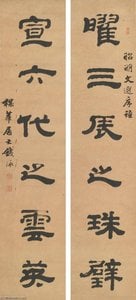
CALLIGRAPHY IN RUNNING SCRIPT

- 23.0 x 16.0 cm

 Lue lisää
Saat tulostusvalmiin tiedoston, jonka laatu ylittää verkkonäkymän huomattavasti. Jokainen myymämme digitaalinen kuva on peräisin arkistomme korkearesoluutioisesta mestariteoksesta — yleensä 5 000–15 000 pikselin levyisenä — joten voit tulostaa suuria kokoja, rajata tiukasti tai toistaa hienovaraiset yksityiskohdat luottavaisin mielin.
Mikään tiedosto ei lähde studiostamme muuttamatta. Digitaalinen asiantuntija vertaa värejä alkuperäiseen maalaukseen ja korjaa niitä tarvittaessa, minkä jälkeen hän parantaa kuvan selkeyttä ja yksityiskohtia ammattimaisilla retusointityökaluilla — säilyttäen aina uskollisena taiteilijan siveltimenjäljen ja tyylin. Lopputuloksena on kuva, joka näyttää maalaukselta, eikä suodatetulta skannaukselta.
Hyväksyt työn ennen valmistumistaan: asiantuntijamme lähettää kuvan tarkistettavaksi sähköpostitse 72 tunnin kuluessa. Etkö ole tyytyväinen? Pyydä parannuksia tai korjauksia, tai pyydä hyvitystä, mikäli laatu ei vastaa odotuksia.
Tämä on laatua, johon kustantamot, design-studiot, galleriat ja painotalot luottavat.
Digitaalinen kuva
Lataa korkearesoluutioinen tiedosto henkilökohtaiseen näyttelyyn, tulostamiseen ja luoviin projekteihin. ( Vaihda tulosteeseen Osta käsinmaalattu taideteos)
Sisältyy jokaiseen digitaalisen kuvan tilaukseen
Asiantunteva digitaalinen toimitus, laatu taattu
Kun valitset ArtsDot.com-palvelun, et saa vain kuvaa – saat ammattimaisesti viimeistellyn digitaalisen taideteoksen, joka on luotu tarkkuudella ja jonka takaa tulee tyytyväisyystakuu. Tässä on kaikki, mitä tilauksesi sisältää, automaattisesti:

Nopea sähköpostitoimitus
Saat korkearesoluutioisen digitaalisen kuvatiedostosi sähköpostiisi 72 tunnin kuluessa tilauksesta – valmiina käytettäväksi välittömästi.

Tekoälyllä parannettu digitaalinen tiedosto
Teoksesi on optimoitu ammattimaisesti edistyneiden tekoälytyökalujen ja manuaalisen jälkikäsittelyn avulla, mikä takaa maksimaalisen yksityiskohtaisuuden, selkeyden ja väritarkkuuden.

Ilmainen uudelleenlähetys elinikäisesti
Oletko vahingossa poistanut tai kadottanut tiedostosi? Ei hätää – lähetämme sen sinulle uudelleen milloin tahansa täysin maksutta.

Ei tuontimaksuja – koskaan
Nauti taiteestasi välittömästi ilman tullimaksuja, veroja tai toimituskuluja – digitaaliset lataukset ovat aina verovapaita.

Värintoiston tarkkuustakuu
Varmistamme, että digitaalinen kuvasi vastaa alkuperäisiä värejä mahdollisimman tarkasti käyttämällä ammattilaistason työkaluja ja värinhallintaa.

100 päivän tyytyväisyystakuu
Jos et ole tyytyväinen digitaaliseen kuvaasi, muokkaamme sitä tai palautamme 100% hinnan 100 päivän kuluessa – kysymystä ei esitetä.

100% Rahat takaisin -takuu
Et ole tyytyväinen? Saat täyden hyvityksen 100 päivän kuluessa digitaalisen tiedostosi vastaanottamisesta – kysymystä ei esitetä.

Määräalennukset
Osta 3 kuvaa, säästä 10% - Osta 5, säästä 15% - Osta 10+, säästä 20%. Erinomainen valinta luoviin projekteihin, gallerioille ja toimistoille.
Samankaltaisia teoksia




Taiteilijan esittely
A Life Etched in Brushstrokes: The World of Zha Shibiao
Zha Shibiao (also known as Cha Shih-Piao, born 1615 and died 1698) was a pivotal figure bridging the late Ming and early Qing dynasties in China. While not as widely celebrated in the West as some of his contemporaries, Zha Shibiao’s contribution to landscape painting – particularly his innovative use of ink washes and dramatic compositions – marks him as a significant artist whose work reflects a period of immense social and political upheaval. Born into a scholarly family during a time of declining imperial power, Zha Shibiao initially pursued a career in officialdom, passing the provincial examinations. However, the fall of the Ming dynasty in 1644 profoundly altered his path. He ultimately rejected further attempts to enter government service, choosing instead to dedicate himself fully to the art of painting, finding solace and expression within its traditions. This decision was not merely a personal one; it represented a broader retreat by many intellectuals from public life into the realm of artistic contemplation during a period of instability.The Evolution of a Style: From Tradition to Innovation
Zha Shibiao’s early works demonstrate a strong grounding in the traditions of the Wu School, known for its lyrical landscapes and emphasis on atmospheric effects. He meticulously studied the masters who came before him – figures like Shen Zhou and Wen Zhengming – absorbing their techniques and compositional principles. However, Zha Shibiao was not content with mere imitation. As his career progressed, he began to develop a distinctly personal style characterized by bold brushwork, heightened contrast, and a dramatic use of space. He moved away from the softer, more idealized landscapes of the Wu School towards a more rugged and imposing aesthetic. This shift can be seen as a reflection of the turbulent times in which he lived; his mountains became steeper, his trees more gnarled, and his overall compositions imbued with a sense of power and resilience. His mastery lay in his ability to convey both the grandeur of nature and the emotional weight of human experience. He frequently incorporated figures into his landscapes – often scholars or hermits – who served as symbolic representations of his own philosophical leanings, seeking refuge from the chaos of the world.Ink and Emotion: The Technical Prowess of Zha Shibiao
Zha Shibiao’s technical skill was exceptional. He possessed an extraordinary command of ink washes, utilizing a wide range of tones and textures to create depth and atmosphere in his paintings. His use of dry brushwork – leaving areas of white paper untouched – added a sense of starkness and immediacy to his compositions. He wasn't simply depicting landscapes; he was evoking them. He experimented with different ink consistencies, creating effects that ranged from delicate mistiness to powerful, almost sculptural forms. His paintings often feature towering peaks shrouded in clouds, cascading waterfalls, and dense forests – all rendered with a remarkable degree of precision and expressiveness. Beyond ink washes, Zha Shibiao was also adept at using color sparingly but effectively, adding subtle accents to his landscapes that enhanced their overall impact. He favored muted tones, creating a sense of harmony and balance within his compositions.Themes and Symbolism: A Scholar’s Retreat
The recurring themes in Zha Shibiao's work offer insight into his worldview. Landscapes were not merely aesthetic exercises for him; they served as vehicles for expressing philosophical ideas about nature, humanity, and the search for inner peace. The mountains often symbolize strength, stability, and longevity, while forests represent seclusion and contemplation.- The inclusion of scholars or hermits in his landscapes is particularly significant.
- These figures embody the Confucian ideal of withdrawing from public life to pursue self-cultivation.
- They are often depicted reading, writing poetry, or simply enjoying the beauty of nature – all activities that reflect a rejection of worldly ambition and a focus on spiritual enlightenment.
Legacy and Historical Significance
While Zha Shibiao may not enjoy the same level of international recognition as some other Chinese painters, his contribution to the development of landscape painting is undeniable. He successfully synthesized traditional techniques with a more personal and expressive style, paving the way for future generations of artists. His work reflects the profound social and political changes that occurred during the transition from the Ming to the Qing dynasty, offering valuable insights into the intellectual and emotional climate of the period. He stands as a testament to the enduring power of art to provide solace, meaning, and a sense of continuity in times of upheaval. His paintings continue to be admired for their technical brilliance, dramatic compositions, and profound philosophical depth, securing his place as an important figure in the history of Chinese art.
Zha Shibiao
1615 - 1698
Pähkinänkuoressa
- Full Name: Zha Shibiao
- Nationality: Chinese
- Date Of Birth: 1615
- Date Of Death: 1698
- Place Of Birth: Xiuning, Anhui Province
- Notable Artworks: ['Landscape Album in Various Styles: Pleasure in a Mountain Brook']
- Artistic Movement Or Style: Anhui School
- Artists Who Influenced This Artist:
- Dong Qichang
- Mi Fu
- Artists Or Movements Influenced By This Artist:
- Hong Ren
- Ni Zan