


Kuva noudattaa valintojasi: , .
Keräilykohteen kuvaus
 Lue lisää
Taiteilijan elämäkerta
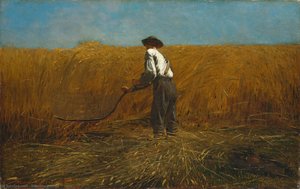
Winslow Homerin upea "Auringonlasku tulessa" -maalaus vangitsee meren ja taivaan värikkään loistavuuden. Tutustu realistiseen tyyliin ja Homerin tunnetun teoksen kauneuteen!
Käsinmaalattu öljyvärinen jäljennös
Käsinmaalattu öljyväri kankaalle haluamassasi koossa ja kehyksissä, taiteilijoidemme valmistamana tilauksesta. ( Vaihda tulosteeseen Siirry digitaaliseen kuvaan)
Lisää tästä teoksesta
 Esikatselu
 Jaa teos
 Jaa
Jaa
 Tiedot
 Opas
Opas

 Lataa kuva
 Samanlaisia kohteita
 Röntgenkuvaus
 Diaesitys
 Kysymykset ja vastaukset
 Tilastot
Tilaa maalauksesi neljässä helpossa vaiheessa
Älä kiirehdi. Voit muuttaa mitä tahansa vastausta; tilauksesi loppusumma päivittyy jokaisen valinnan myötä.
1 Ensimmäinen vaihe neljästä
Minkä kokoisen haluaisit?
Nämä koot säilyttävät alkuperäisen maalauksen mittasuhteet. Piirros näyttää valitsemasi koon seinällä, kahden metrin pitkän sohvan yläpuolella.
Tai anna omat mitat
Valitse valmiista mitoistamme sellaiset, jotka vastaavat teoksen alkuperäisiä mittasuhteita.

Kirjoita tarvitsemasi leveys ja korkeus, jotta teos sopii kehyksiisi tai seinällesi. Koska kyseessä on käsinmaalattu teos, taiteilija voi maalata hieman enemmän kuvan ympärille tai rajata sitä hieman, jos haluat eri muotoisen koon — valinta on sinun. Lähetämme sinulle digitaalisen mallikuvan hyväksyttäväksi ennen kuin maalaus alkaa. Tällä sivulla näkyvä kuva ei vastaa lopullista tulosta — vain mallikuva näyttää sen.
2 Toinen vaihe neljästä
Miten teoksen tulisi olla valmiina: rullattuna, kangasjännitteenä vai kehystettynä?
Alla olevat hinnat koskevat ensimmäisessä vaiheessa valitsemaasi kokoa.
Valitse kangaspinnan reunat
Valitse kehys

Valkoinen reuna €1

pehmennetty reuna €1

Jatkuva reuna €1

P118B €10

P118H €10

P118W €10

P438Z €10

P508JH €12

P508YH €12

P805H €10

P805Z €10

P919BZ €10

P919G €10

P919XJ €10

P959ZH €10

P968JZ €12

W106C €8

W218G €10

W218JH €8

W218Y €10

W307PJ €10

W316G €10

W316PJ €8

W316Y €10

W398PJ €8

W4111J €10

W500HY €15

W500JH €15

W692G €12

W849H €8

W940BG €15

W953PJ €8

H24-GOLD €30

H24-SILVER €30

H36-GOLD €45

H36-SILVER €45
Kehystetty
Kehystys: . Kokonaismitat kehyksen kanssa: .
3 Kolmas vaihe neljästä
Haluaisitko tehdä maalaukseen jonkin muutoksen?
Useimmat vastaavat kieltävästi. Koska jokainen maalaus on käsintehty, taiteilijamme voi myös muokata sitä sinua varten.
Tilauksen jälkeen ArtsDot.com -tiimi lähettää asiakkaalle sähköpostia ohjeita varten ja toimittaa luonnoksen esikatselun
4 Neljäs vaihe neljästä
Muutamia viimeistelyvaihtoehtoja
Kaikki ovat valinnaisia. Jo valitut vastaukset eivät aiheuta lisäkustannuksia.
Kuka sen maalaa?
Maailmanlaajuinen toimitus () 3–4 viikossa tavallisen 5 viikon sijaan. (4 marraskuu). Laadusta ei tingitä.
Nimikyltti, kuten museossa?
Kaiverretun pronssilaatan tiedot
This elegant plaque features the artist's name and the title of the artwork, finely engraved for a timeless presentation.
It is made from bronze with a refined, elegant finish. The text is precisely laser-engraved for a sharp and permanent result. Measuring 9x2 cm, the plaque is compact yet easy to read. It's built to be durable and scratch-resistant, offering a professional, museum-quality look. Mounting is simple thanks to the included adhesive backing.
Läpinäkyvän akryylilaatan tiedot
The plaque includes essential engraved details such as the artist's name, the title of the artwork, the date it was created, the type of media used-like oil on canvas or watercolor-a brief description of the piece, and a QR code that links to the complete artwork information.
It is crafted from clear acrylic, offering a sleek, modern appearance. The text is UV-engraved in black to ensure strong visual contrast. With a size of 10x15 cm, it ensures optimal readability. It comes equipped with two metal hooks for secure wall mounting. The plaque is designed to be weather-resistant, making it suitable for various environments, and it includes interactive features that work seamlessly with smartphone scanning.
Mustan akryylilaatan tiedot
This elegant plaque includes engraved information such as the artist's name, the title of the artwork, the date it was created, the type of media used (like oil on canvas or watercolor), a short description of the artwork, and a QR code for quick access to more information.
The plaque itself is made from refined black acrylic with a premium finish. The text is laser-engraved in white for high contrast and readability. Its size is 10x15 cm, designed to be easy to read. It comes with two metal hooks for professional mounting. The design is sleek and fits any interior style. It is also weather-resistant and durable, with built-in digital integration for mobile compatibility.
Suojaava lakka?
Milloin tarvitset sen?
✓ Tarkista ja tilaa
Maalauksesi juuri niin kuin tilasit

Jumping Trout
Reproduktiotekniikka
Replikaatin koko
-

Kokenut huipputaiteilija
Lisää yksityiskohtia, hienostuneisuutta ja enemmän aikaa tuotantoon
-

Reproduktion kehystysvaihtoehdot
-
-
Teoksille tai reproduktioille, joiden mikä tahansa sivu on suurempi kuin 105 cm (noin 41 tuumaa), kehys toimitetaan osina purettuna sarjana. Tämä menetelmä varmistaa turvallisen toimituksen ja ehkäisee vaurioita kuljetuksen aikana.
Vaatii ammattimaista kokoamista – kyseessä ei ole tee-se-itse-tuote.
Sarja on koottava ja kangas kiristettävä kokeneen kehystysammattilaisen toimesta käyttäen puuliimaa (ei sisälly pakkaukseen), kangaspinnetteitä ja puristimia, jotta kehyksen kulmat pysyvät suorina liiman kuivuessa. Virheellinen kokoaminen tai epätasainen kankaan kiristys voi vaurioittaa teosta pysyvästi, eikä tällaiset vauriot ala takuun piiriin.
 Teoksille tai reproduktioille, joiden mikä tahansa sivu on suurempi kuin 105 cm (noin 41 tuumaa), kehys toimitetaan osina purettuna sarjana. Tämä menetelmä varmistaa turvallisen toimituksen ja ehkäisee vaurioita kuljetuksen aikana.
Kaikki massiivipuupalat sisältyvät, tarkasti mittojen mukaan leikattuina.
Kootaan mukana tulevilla ruuveilla sekä kulmaliitoksia varten tarvittavalla puuliimalla, jota ei toimiteta, joten se on hankittava kehystäjältä.
Vaatii ammattilaisvälineitä, jotka eivät sisälly pakkaukseen: kankaan venytyspihdit (kiristin) ja puristimet, joilla pidetään kehyksen puut suorassa liiman kuivuessa.
Tärkeää:
Kulmaliitoksissa tarvitaan puuliimaa, kehyksien osat on pidettävä puristimilla, kunnes liima on täysin kuivunut, ja koottuun kehykseen jännitettävän kankaan kiristämiseen tarvitaan kangaspenssipihti. Mikään näistä ei sisälly pakkaukseen. Suosittelemme varmistamaan kokeneen kehystäjän saatavuuden ennen tämän kokoisen kehyksen tilaamista.

Nimilaatta
-
-

Suojalakkaus
Kiiltävä lakka (syventää värejä, suojaa valolta ja kosteudelta)
-

Mukauta taideteokseni
Esimerkkejä muokattavista asioista: Vaihda kasvot asiakkaan omaan valokuvaan; Lisää lemmikki (esim. vaihda kissa koiraan); Lisää taustalle piilotettu viesti; Muuta taustan maisemaa tai elementtejä.
-

Pikatoimitus
Maailmanlaajuinen toimitus () 3–4 viikossa tavallisen 5 viikon sijaan. (4 marraskuu). Laadusta ei tingitä.
-
Pikatoimitus
Maailmanlaajuinen toimitus () 5 viikon kuluessa. (11 marraskuu).
Sisältyy hintaan
Kokonaishinta
€ 235
Lasivaihtoehto on saatavilla vain alle 110 cm kokoisille teoksille
Sisältyy jokaiseen tilaukseen
- Ilmainen pikatoimitus ympäri maailman
- Korkealaatuinen pellavakangas
- Kattava kuljetusvakuutus
- Tulliveron palautustakuu
- Takuu täydellisestä värien vastaavuudesta
- 100 päivän palautusoikeus (vain valmistusvirheet)
- 100% rahat takaisin -takuu
- Määräalennus tarjolla


A Moment Frozen in Motion: Winslow Homer’s “Jumping Trout”
Winslow Homer's "Jumping Trout," painted in 1889 and now residing within the Brooklyn Museum’s collection, isn’t merely a depiction of a fish; it’s an embodiment of American spirit—a vibrant testament to observation, skill, and a deep connection with the natural world. Homer, born in Boston in 1836, forged his artistic path not through the hallowed halls of European academies, but through the gritty realities of early American life as a commercial illustrator. This formative experience instilled within him an unparalleled ability to capture fleeting moments and essential details – a gift that shines brilliantly in this watercolor masterpiece. The painting immediately draws the viewer into a dynamic scene, capturing the exhilarating burst of a trout leaping from the water’s surface. Homer masterfully utilizes the fluidity of watercolor to mimic the very essence of movement, creating an illusion of life and energy that is both captivating and profoundly satisfying.
The Language of Light and Water
Homer's technique in "Jumping Trout" is a revelation of watercolor mastery. He doesn’t simply paint *a* trout; he paints the *feeling* of water, light, and motion. Notice how the colors bleed and blend, creating an ethereal quality that suggests both transparency and depth. The artist employs broken washes – delicate layers of diluted pigment – to build up the form of the fish, allowing the white of the paper to peek through in places, further enhancing the sense of luminosity. The background is a carefully constructed symphony of blues and greens, subtly suggesting the depths of the stream and the dappled sunlight filtering through the foliage. The careful layering creates an incredible sense of atmosphere, pulling the viewer directly into this aquatic world.
A Symbol of American Resilience
Beyond its technical brilliance, “Jumping Trout” resonates with deeper symbolic meaning. Homer’s fascination with nature and the human experience is a recurring theme in his work, often reflecting themes of perseverance and the beauty found within the commonplace. The trout itself, a symbol of vitality and abundance in American folklore, embodies this spirit. Its powerful leap represents an assertion of life against the constraints of its environment – a metaphor for the resilience of the American character. The scattered smaller fish in the background aren’t merely decorative; they contribute to the overall sense of teeming life within the stream, reinforcing the painting's celebration of nature’s bounty.
Historical Context and Homer’s Realism
Painted in 1889, “Jumping Trout” firmly places itself within Winslow Homer’s broader body of work. It aligns with his signature style of Realism, a movement that sought to depict everyday life and the natural world with unflinching accuracy. Unlike idealized Romantic landscapes, Homer's paintings are grounded in observation, capturing the textures, colors, and rhythms of American life – particularly its connection to the outdoors. This commitment to realism is evident in the meticulous detail with which he renders the fish’s scales, the ripples on the water’s surface, and the subtle variations in color that suggest the play of light and shadow. Considering his earlier work as an illustrator for Harper's Weekly, this painting represents a significant evolution—a shift towards a more personal and expressive artistic vision.
Bringing “Jumping Trout” Home: A Reproduction Worth Cherishing
ArtsDot offers exquisite, hand-painted reproductions of Winslow Homer’s "Jumping Trout," allowing you to experience the full impact of this iconic artwork in your own space. Each reproduction is meticulously crafted by skilled artists who understand and appreciate Homer's unique style and technique. Whether displayed as a striking statement piece or incorporated into a serene interior design scheme, this painting will undoubtedly evoke a sense of wonder and connection with the natural world—a timeless reminder of American beauty and artistic genius. Explore our collection today to bring this captivating scene into your home.
Kysymykset ja vastaukset
Ovatko teoksen Winslow Homer:n "Jumping Trout" värit kirkkaita vai hillittyjä?
Winslow Homer:n "Jumping Trout"-teoksen värit ilmentävät Subtle Color kylläisyyttä ja Monochromatic voimakkuutta.
Mistä voin ostaa digitaalisen kuvan teoksesta Winslow Homer:n "Jumping Trout"?
"Jumping Trout" on saatavilla muodossa korkearesoluutioinen digitaalinen kuvalataus, ja sen voi ostaa suoraan sivulta Digitaalinen teos.
Onko olemassa teoksia, jotka muistuttavat teosta "Jumping Trout"?
Teoksen Winslow Homer:n "Jumping Trout" Samankaltaisia teoksia -sivu esittelee samankaltaisia teoksia.
Samankaltaisia teoksia


Winslow Homer
1836 - 1910, Yhdysvallat
Taiteilijan elämäkerta
A Brush with the American Spirit: The Life and Art of Winslow Homer
Winslow Homer, born in Boston in 1836, wasn’t sculpted by the traditional European art academies that shaped so many of his contemporaries. Instead, he emerged from a distinctly American experience, one rooted in practicality and observation. His journey began not with grand historical canvases, but as a commercial illustrator at the tender age of twelve for Harper's Weekly. This early apprenticeship was formative, honing an exceptional ability to capture scenes with clarity and detail – skills that would become hallmarks of his mature work. He wasn’t learning perspective in Paris; he was learning to *see* America, its people, and its unfolding story. The bustling streets of Boston, the quiet dignity of rural New England life, these were his first subjects, rendered with a precision born of necessity for the demands of print media. This foundation allowed him to transition into painting, initially in watercolor, before fully embracing the expressive potential of oil paints.From Pastoral Scenes to the Raw Power of Nature
Homer’s early paintings often depicted idyllic scenes – children playing, farmers tending their fields, quiet moments of domesticity. These works, while charming, hinted at a deeper artistic sensibility waiting to be unleashed. The catalyst for this transformation was undoubtedly the Civil War. As a war correspondent for Harper's Weekly, Homer witnessed firsthand the brutal realities of conflict. He didn’t focus on heroic battles or grand strategies; instead, he documented the everyday lives of soldiers and civilians, the quiet moments of grief and resilience amidst chaos. This experience profoundly altered his artistic vision. The pastoral scenes gave way to more challenging subjects: veterans grappling with trauma, freed slaves navigating a new world, and the stark beauty of landscapes touched by hardship. He began to explore themes of struggle, isolation, and humanity’s precar He wasn't interested in imitating European styles; he wanted to create an art that was uniquely American, reflecting its landscapes, its people, and its challenges. His style also evolved, becoming bolder and more direct, reflecting the raw emotional impact of what he had witnessed. Breezing Up (A Fair Wind), painted in 1876, exemplifies this skill – a quintessential depiction of American maritime life, brimming with energy and movement. The Gulf Stream, created decades later, is perhaps his most iconic work, a powerful and symbolic portrayal of a lone man battling the forces of nature, a metaphor for human struggle against overwhelming odds. He possessed an extraordinary ability to capture light, whether it was the dazzling glare of the sun on the ocean or the soft glow of twilight over a rural landscape. This mastery extended to his watercolors, where he achieved remarkable atmospheric effects through vibrant colors and delicate washes. Innocence, a poignant portrayal of childhood set against the backdrop of nature, and **Man of Science** are testaments to this commitment. His influence can be seen in the work of later American painters who sought to depict their own country with similar directness and emotional depth.Mastering Light, Texture, and the American Landscape
Winslow Homer's artistic technique is immediately recognizable for its solidity and texture. He wasn’t interested in fleeting impressions; he wanted to build up a sense of tangible reality on the canvas. His oil paintings are characterized by a direct painting approach – layers of paint applied with confidence, creating depth and luminosity. He wasn’t simply painting what he saw; he was conveying a feeling, an emotional truth about the human condition. His unwavering dedication to capturing the essence of American life—from the serene beauty of coastal vistas to the harrowing realities of wartime—established him as one of the foremost painters of 19th-century America and cemented his legacy as a pioneer of American Realism.A Lasting Impression: Homer’s Historical Significance
Winslow Homer's art offers a profound window into 19th-century America, providing invaluable insights into the social, political, and cultural landscape of his time. His paintings are not merely beautiful representations; they are powerful statements about human resilience, the beauty and power of nature, and the complexities of the American experience. He died in 1910, leaving behind a prolific body of work that continues to resonate with audiences today. His ability to capture the essence of a nation undergoing rapid change – from the aftermath of civil war to the dawn of a new century – ensures his place as one of America’s most important and enduring artists. He wasn't just painting pictures; he was documenting a moment in time, preserving it for generations to come.- His work continues to inspire contemporary artists.
- Homer remains a pivotal figure in the development of American Realism.




Aiheeseen liittyvät artikkelit

Amerikkalaisen realismin mestariteokset: Taidetta ja tarinoita kotiisi
Tutustu amerikkalaisen realismin 10 mestariteokseen! Andrew Wyethistä Edward Hopperiin – taidetta, tarinoita ja inspiraatiota kotiisi. Laadukkaat taideprintit ArtsDot.comissa. Tutustu kokoelmaan verkossa!

Ephemeral Visions: Exploring the Artistic Legacy & Nuances of Watercolor Painting
Explore the captivating world of watercolor painting! Discover its rich history, essential techniques, influential artists & collecting tips from art experts. A comprehensive guide for enthusiasts.

Ephemeral Visions: Exploring the Artistic Legacy & Contemporary Practice of Watercolor Painting
Explore the captivating world of watercolor painting! Discover its rich history, essential techniques, influential artists & collecting tips. A comprehensive guide for art enthusiasts from ArtsDot.