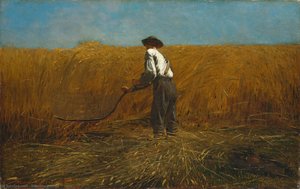
Winslow Homerin elämä ja juuret
Winslow Homer saapui Bostonin Massachusettsin rannikolle 24. helmikuuta 1836. Hän oli toinen kolmesta Charles Savage Homerin ja Henrietta Maria Bensonin synnyttämästä pojasta. Hänen isänsä, kauppias, lähti lopulta perheensä luota etsimään onnea Kalifornian kultaryntäyksestä, mikä jätti kodin äidin, Henrietta Maria Benson Homerin, kasvattavaksi. Äiti oli lahjakas amatööriakvarelinisti, josta tuli pojan ensimmäinen opettaja; hän siirsi pojalleen tavan nähdä maailma värien herkän ja hienovaraisen käytön kautta.
Poika kasvoi kodissa, jossa taiteen hiljainen läsnäolo oli luonnollinen osa arkea. Vaikka isä tavoitteli kaukaisia mahdollisuuksia, äidin akvarellien vaikutus jäi asumaan kotiin. Tämä varhainen kosketus vesiväriin loi pohjan hänen myöhemmälle työlleen. Lapsuus maaseudun Cambridge, Massachusettsissa, tarjosi vakaan ja tarkkailevan elämän taustan ennen kuin hän siirtyi kohti kaupallisen työn kiihkeämpää tahtia.
Nuoruus, perhe ja koulutus
Kasvu Massachusettsin Cambridgeen maaseutumaisten maisemien syleilyssä loi hiljaisen ja rauhallisen taustan Winslow Homerin varhaisille vuosille. Hän aloitti luonnostelun jo yksitoista vuotta vanhana, löytäen oman polkunsa piirtämisen yksinkertaisen mutta lumoavan teon kautta. Hänen ensimmäinen opettajansa oli äiti, taitava vesivärimaalari, joka tutki luonnon muotoja kasvien ja kukkien tutkimusmaalauksilla. Äidin ja pojan välillä vallitsi syvä yhteys, ja hän siirsi pojalleen paitsi taiteellisen lahjakkuuden, myös tietynlaisen temperamentin, joka väritti hänen myöhempää työtään. Isä taas oli levoton kauppias, joka lopulta jätti perheen etsiäkseen onnea Kalifornian kultaryöpystä ja myöhemmin Euroopan ääreltä.
Yksitoistatoista vuotta myöhemmin, 19-vuotiaana, hän aloitti kaksivuotisen oppisopimuksen Bostonin kaupallisella litograafilla J. H. Buffordilla. Kokemus oli luonteeltaan toistuva ja uuvuttava, kuin jatkuva juoksumatto. Hän vietti päivät nuottien kansien koristeluun, tehtävään, joka vaati erityistä kurinalaisuutta ja vakaata kättä. Tämä kaupallisen työn aikakausi auttoi kehittämään juuri sitä selkeyttä ja yksityiskohtien tarkkuutta, joka myöhemmin määritteli hänen ainutlaatuisen visioni. Lopulta hän siirtyi kohti virallisempaa taideopintoa osallistuen National Academy of Design -instituutin opetukseen vuoteen 1863 asti. Tänä aikana hän vietti myös lyhyen jakson opiskellen Frederic Rondelin oppina.
Freelance-kuvittaja ja sotavastaaja
Vuoteen 1857 mennessä Winslow Homer oli jo aloittanut oman itsenäisen uransa, mikä oli seurausta päätöksestä kieltäytyä työpaikasta Harper's Weekly -lehdessä. Hän avasi oman studionsa Bostonissa ja vietti lähes kaksi vuosikymmentä työskennellen kuvittajana. Hänen piirustuksensa ilmestyivät useisiin eri julkaisuihin, kuten teokseen Ballou's Pictorial. Vuonna 1859 hän muutti New Yorkiin, siirto, joka asetti hänet maan julkaisutoiminnan ytimeen.
Yhdysvaltain sisällissodan puhkeaminen muutti hänen havainnointinsa luonteen täysin. Harper's lähetti hänet rintamalle vuosien 1861 ja 1865 välisenä aikana. "Erikoiskuvaajana" hänet määriteltiin dokumentoimaan liittovaltion joukkojen elämää Virginian mailla. Hän vietti aikansa luonnostellen leirielämän todellisuutta ja taistelukenttien dramaattisia näkyjä. Nämä luonnokset eivät olleet pelkkiä piirustuksia; ne olivat eläväisiä tallenteita sotilaiden liikkeistä sekä heidän hiljaisista, usein raskasista hetkistään.
- Sharpshooter on Picket Duty (1862)
- Home, Sweet Home (1863)
- Prisoners from the Front (1866)
Taiteellinen kehitys New Yorkissa ja Euroopassa
Vuonna 1859 Winslow Homer muutti New Yorkiin ja avasi studion Tenth Street Studio Building -rakennukseen. Tämä siirto merkitsi käännekohtaa hänen urallaan, kun hän siirtyi aiemmasta freelance-kuvittajan roolistaan kohti syvällisempää ja keskittyneempää maalaustaiteen tutkimista. Hän opiskeli National Academy of Design -instituutissa vuoteen 1863 asti, ottaen oppitunteja Frédéric Rondelilta. Näiden vuosien aikana hän alkoi hylätä kaupallisten kaiverrustensa pelkistettyjä ääriviivoja ja siirtyi kohti öljymaalausten tuomaa massaa ja syvyyttä. Tämän aikakauden teokset käsittelivät usein oman aikansa todellisuutta, mukaan lukien sodan vaikutuksia kotirintamaan.
Seuraavat vuodet veivät häntä New Yorkin osavaltion, Virginian ja Massachusettsin halki. Vuonna 1867 hän vietti vuoden Ranskassa ja matkusti Euroopassa, mikä osui yhteen hänen kasvavan kiinnostuksensa maisemamaalaukseen kanssa. 1870-luvulle tultaessa hänen fokuksensa oli siirtynyt lapsuuden hetkiin ja nuorten naisten kuvauksiin, mikä heijasti tiettyä nostalgiaa yksinkertaisempia aikoja kohtaan. Hän oli kehittämässä tyyliä, joka oli objektiivinen ja uskollinen havainnoilleen, välttäen aikakauden akateemisuudelle tyypillistä liiallista hienostelua ja kiillotettua pintaa.
Vuonna 1881 hän aloitti kahden vuoden oleskelun Englannissa, asuen Cullercoatsissa, lähellä Newcastlea. Rannikon läheisyydessä vietetty tämä aika tulisi muokkaamaan merkittävästi sitä, miten hän lähestyi merta myöhemmillä vuosikymmenillään. Hän ei ollut enää pelkkä sosiaalisten tilanteiden kuvittaja; hänestä oli tulossa elementtien, luonnonvoimien todellinen maalaaja.
Mainen vuodet ja trooppiset matkat
Vuonna 1884 Winslow Homer muutti Prout's Neckiin, Maineen. Hän viipyi siellä seuraavat kolme vuosikymmentä, asuen ja maalaten ateljeessa, jota oli laajennettu ja muutettu vastaamaan hänen tarpeitaan. Rakennus sijaitsi rannikon kapealla kaistaleella, missä Atlantin valtameri oli jatkuvasti läsnä. Hän vietti suuren osan ajastaan siellä, maalaten usein parvekkeelta, josta avautui näkymä suoraan veden äärelle, jopa talvikuukausien kylmyydestä huolimatta.
Mainen ankarat talvet saivat hänet etsimään vaihtelua maisemiin. Vuosien 1884 ja 1905 välisenä aikana hän teki useita matkoja Mainen rannikolta trooppisille seuduille. Hänen matkansa veivät hänet Bahamalle, Floridaan, Kuubaan ja Bermudalle. Nämä retket johdattivat hänet Karibialle ja Adirondackien vuoristoon sekä Kanadan halki. Näissä lämpimissä kohteissa hän hyödynsi vesivärejä vangitakseen valon leikin ja maiseman moninaiset tekstuurit.
- Natural Bridge, Bahamas (1898)
- Woman Standing by a Gate, Bahamas (1885)
- Spanish Moss at Tampa (1886)
Tekniikka, tyyli ja taiteellinen mestaruus
Hänen varhaiset työnsä kaupallisissa kaiverruksissa perustuivat puhtaisiin ääriviivoihin ja pelkistettyihin muotoihin. Hän käytti valon ja varjon dramaattista kontrastia määrittämään kohteitaan, ja tämä graafinen selkeys siirtyi myöhemmin myös hänen maalauksiinsa. Hänen suurissa öljyvärityöissään maali kantaa mukanaan painon ja tiheyden tuntua. Hän hyödynnsi usein chiaroscuroa, käyttäen valon ja varjon vuoropuhelua muodon veistämiseen ja tunnelman rakentamiseen kankaalle.
Vastaavasti hän oli erittäin tuottava vesivärimaalauksissa. Hänen lähestymistapansa tähän välineeseen oli sujuva ja suora. Maalatessaan Karibialla hän käytti vesivärin luontaista läpinäkyvyyttä jäljitelläkseen Bahaman meren kristallinkirkasta selkeyttä. Tämä kyky hallita sekä öljyvärin raskasta kerrostamista että vesivärin herkkiä, ohennettuja sävyjä antoi hänelle mahdollisuuden vangita luonnon maailmasta sen eri puolia.
Keskeiset teokset ja mestariteokset
Winslow Homerin varhaiset työt paljastavat syvän keskittymisen arjen pieniin yksityiskohtiin ja kodikkaaseen elämään. Teoksessa Lady Wearing Spectacles, joka on maalattu noin vuonna 1840, kuvattu nainen istuu tuolissa, ja hänen silmälasinsa vangitsevat pehmeän valon. Tämä tuotannon vaihe heijastaa taiteilijan hiljaista ja tarkkaavaista tapaa havainnoida ympärillään olevia ihmisiä. Vuosien kuluessa ja siirryttyä kohti Yhdysvaltain sisällissodan rintamalinjoja, aihepiiri muuttuikin dramaattisemmaksi. Hän loi vuonna 1862 teoksen Sharpshooter on Picket Duty ja vuonna 1863 teoksen Home, Sweet Home, teokset, jotka vangitsivat konfliktin karun todellisuuden niin luonnoksissaan kuin maalauksissaan.
Merestä tuli pysyvä ja hallitseva läsnäolo hänen myöhemmillä vuosikymmenillään. Noin vuonna 1876 maalattu Breezing Up vangitsee liikkeen, kun vene nousee suotuisan tuulen voimasta. Vuoteen 1885 tultaessa hänen katseensa oli kääntynyt kalastajan kamppailuun teoksessa The Fog Warning, Halibut Fishing. Hän palasi usein Mainen karuille rannikoille, missä maalin paksuus ja kankaan tekstuuri heijastivat Atlantin raskasta, suolaisen veden kyllittämää tunnelmaa. Vuonna 1896 teos The Lookout - "All's Well" esitti näkymän maan reunalta kohti kaukaisuudessa siintävää horisonttia.
Hänen viimeiset vuotensa kuluivat vuoroveden ja luonnonvoimien äärellä. Vuonna 1906 luotu The Gulf Stream esittää ihmisen kohtaamassa valtameren äärettömyyden. Hänen viimeinen valmistunut teoksensa, vuonna 1909 maalattu Driftwood, on vaikuttava loppuhuipennus. Nämä myöhäiskauden maalaukset kantavat mukanaan fyysisen maailman tuntua – veden roiskeita, hiekan karheutta ja virtauksien armotonta vetovoimaa.
- Lady Wearing Spectacles, noin 1840
- Sharpshooter on Picket Duty, 1862
- Home, Sweet Home, 1863
- Breezing Up, noin 1876
- The Fog Warning, Halibut Fishing, 1885
- The Lookout - "All's Well", 1896
Myöhemmät vuodet ja kuolema
Prout's Neckissä sijaitseva atjio muuttui hänen maailmansa keskipisteeksi. Vuodesta 1884 aina elämänsä loppuun asti hän eli ja maalasi näiden seinien suojissa, tilassa, jota oli laajennettu ja muutettu vastaamaan hänen tarpeitaan. Hän vietti viimeiset vuosikymmenensä siellä, eläen vuodenaikojen tahdissa ja löytäen oman rytminsä rannikon valosta. Tämä kaksikerroksinen, noin 200 neliömetrin kokoinen rakennus kätki sisäänsä hänen elämänsä ja työnsä hiljaisessa, vakaassa läsnäolossa.
Hän kuoli Mainessa vuonna 1910. Elämän viimeiset hetket koituivat hänen ateljeissaan 30. syyskuuta 1910. Hän oli mies, joka oli omistanut koko elämänsä meren liikkeiden ja ilman painon tarkkailulle, ja hän pysyi tässä tilassa aina viimeiseen hetkeen asti. Hänen vainajansa lepäävät Mount Auburnissa, Lily Pathin kohdassa 563.
Perintö ja historiallinen merkitys
Winslow Homer säilyy keskeisenä hahmona amerikkalaisen realismin kehityksessä. Hänen työnsä avaa ikkunan 1800-luvun amerikkalaiseen kokemukseen, vangiten kansakunnan, joka oli keskellä nopeaa muutosta. Hän ei etsinyt Euroopan kiillotettuja ja akateemisia tyylejä, vaan keskittyi sen sijaan oman maansa rehellisiin ja usein vaikeisiin todellisuuksiin. Tämä omistautuminen asioiden näkemiselle sellaisina kuin ne olivat – sisällissodan jälkipulista rannikon muuttuviin maisemiin – takaa hänen paikkansa yhtenä amerikkalaisen perinteen merkittävimmistä taiteilijoista.
Hänen kykynsä dokumentoida ihmiselämän ja luonnonvoimien välistä jännitettä vaikuttaa edelleen siihen, miten nykytaiteilijat lähestyvät aiheitaan. Hän siirtyi nuoruutensa idyllisistä kohtauksista kohtaamaan meren alkukantaiset voimat ja niiden ihmisten hiljaisen kestävyyden, jotka kohtasivat hardshipia. Tämä siirtymä pastoraalisista näkymistä suorempaan, havainnoivaan tyyliin auttoi määrittelemään ainutlaatuisen amerikkalaisen tavan nähdä maailma. Hänen maalauksensa eivät tarjoa romantisoitua versiota historiasta; ne tarjoavat sen todellisen tallenteen.
- The Gulf Stream (1906)
- Breezing Up (1876)
- The Fog Warning (1885)
- Undertow (1886)
- Driftwood (1909)
Missä teoksia voi nykyään ihailla
Winslow Homerin taiteellisen perinnön fyysinen seuraaminen vaatii matkustamista useisiin Yhdysvaltojen merkittäviin instituutioihin. New Yorkin Metropolitan Museum of Art kantaa huolellisesti 26 hänen teostaan. Lähellä sijaitseva Brooklyn Museum New Yorkissa säilyttää 17 teoksen kokoelman. Niille, jotka suuntaavat pääkaupunkiin, Washingtonin National Gallery of Art tarjoaa 23 maalausta ja piirustusta.
Koillis-Yhdysvalloissa Bostonin Museum of Fine Arts pitää kokoelmassaan 16 teosta. Hieman etelämpänä, Williamsburgissa, Sterling and Francine Clark Art Institute säilyttää 12 teosta. Nämä kokoelmat tarjoavat ainutlaatuisen mahdollisuuden seurata taiteilijan käden jäljen kehitystä, aina sisällissodan aikaisista luonnoksista myöhempien vuosien voimakkaisiin ja raskaisiin tekstuureihin saakka.
- The Fog Warning, Halibut Fishing (1885)
- The Gulf Stream (1906)
- Driftwood (1909)
- Breezing Up (A Fair Wind) (1876)
- Old Settlers (1892)
Kysymykset ja vastaukset
Mistä löytää Winslow Homer -taiteilijan teokset aihepiireittäin ryhmiteltynä?
Winslow Homer:n teoksia voi tutkia aiheen mukaan artistin Aiheatlas -sivulla.
Mistä voin nähdä Winslow Homer'n teokset aikajärjestyksessä?
Winslow Homer:n teoksista on saatavilla aikajana: taiteilijan Teosten aikajana -sivulla teokset on järjestetty luomisjärjestykseen.
Kuinka monta Winslow Homer teosta on katseltavissa?
Voit selata taiteilijan Winslow Homer 755 teosta teosta sivulla Kaikki teokset.