


 Katso seinällä
 Lähetä
 Jaa
Jaa
 Tarkemmat tiedot
 Opas
Opas

 Lataa kuva
 Samanlaisia kohteita
 Röntgenkuvaus
 Diaesitys
 Tilastot
Landscape
 Impressionism
 45.0 x 33.0 cm
 Lue lisää
Käsinmaalattu öljyvärinen jäljennös
Käsinmaalattu öljyväri kankaalle haluamassasi koossa ja kehyksissä, taiteilijoidemme valmistamana tilauksesta. ( Vaihda tulosteeseen Siirry digitaaliseen kuvaan)




































Valitse valmiista mitoistamme sellaiset, jotka vastaavat teoksen alkuperäisiä mittasuhteita.

Voit syöttää omat mitat sopimaan tiettyyn kehykseen tai tilaan. Jos valitsemasi koko ei vastaa alkuperäisen kuvan mittasuhteita, rajaamme taideteoksen tai jatkamme maalausta käsin maalatuilla elementeillä. Digitaalinen esikatselu lähetetään hyväksyttäväksi ennen tuotannon aloittamista.
Huomioithan, että näytöllä oleva esikatselu ei vastaa todellista rajausta tai jatkamista. Vain digitaalinen mallikuva näyttää lopullisen sommittelun tarkasti.
Vaikka mittatilaustyöt ovat mahdollisia, suosittelemme valitsemaan mitan ennalta määritetystä listasta alkuperäisten mittasuhteiden säilyttämiseksi.
Tilauksen jälkeen ArtsDot.com -tiimi lähettää asiakkaalle sähköpostitse ohjeet ja esikatselukuvan.
Maailmanlaajuinen toimitus () 3–4 viikossa tavallisen 5 viikon sijaan. (25 syyskuu). Laadusta ei tingitä.

Ilmainen pikatoimitus ympäri maailman

Korkealaatuinen pellavakangas

Kattava kuljetusvakuutus

Tulliveron palautustakuu

Takuu täydellisestä värien vastaavuudesta

100 päivän palautusoikeus valmistusvirhetapauksissa

100% rahat takaisin -takuu

Määräalennus saatavilla
 Lasivaihtoehto on saatavilla vain alle 110 cm kokoisille teoksille

Landscape
Reproduktiotapa
Replikaatin koko
-


Kokonaishinta
$ 263
Samankaltaisia teoksia


Taiteilijan elämäkerta
Hachiro Nakagawa: Bridging East and West in Landscape Painting
Hachiro Nakagawa (1877 – 1922) stands as a pivotal figure in Japanese landscape painting, representing a fascinating confluence of Western Impressionism and traditional Japanese aesthetics. Born in Nagasaki Prefecture, Nakagawa’s artistic journey began under the tutelage of prominent artists Matsumoto Sangoro and Koyama Shotaro, grounding him in the foundational principles of Japanese art before embarking on a transformative European expedition in 1899. This formative experience profoundly impacted his stylistic sensibilities, propelling him toward mastering Western techniques while retaining an unwavering devotion to capturing the essence of Japan’s serene natural beauty.- Early Influences: Nakagawa's initial training instilled within him a deep appreciation for compositional balance and tonal gradation—characteristics prevalent in Japanese monochrome prints (ukiyo-e). These influences would subtly permeate his later works, demonstrating an enduring connection to the artistic heritage of his homeland.
- European Exploration & Impressionistic Transformation: His travels through Europe exposed Nakagawa to the burgeoning Impressionist movement, spearheaded by artists like Claude Monet and Camille Pissarro. He eagerly absorbed their innovative approaches to color and light, incorporating these techniques into his landscape paintings with remarkable success. This fusion resulted in canvases imbued with vibrant hues and shimmering textures—a deliberate departure from conventional Japanese painting styles.
- The Taiheiyo Gakai & Collaborative Spirit: Nakagawa’s artistic ambitions extended beyond individual creation; he actively participated in the establishment of the Taiheiyo Gakai (Pacific Ocean Society) alongside Maruyama Banka, a collective dedicated to promoting Japanese art and culture internationally. This collaborative endeavor underscores his belief in shared artistic endeavors as catalysts for cultural exchange and advancement.
- Signature Style: Nakagawa’s distinctive style is characterized by meticulous observation of nature combined with masterful execution—traits that define the best examples of his oeuvre. He skillfully blended Impressionistic color palettes with Japanese compositional conventions, producing landscapes that resonate with both Western dynamism and Eastern tranquility.
Notable Landscapes & Artistic Achievements
Nakagawa’s artistic output encompassed a considerable number of paintings depicting iconic Japanese vistas—mountains, rivers, forests, and coastal scenes—each rendered with exceptional detail and sensitivity. Among his most celebrated works are depictions of Mount Fuji, capturing its majestic grandeur under varying atmospheric conditions, and panoramic views of Nara Park, showcasing the lush greenery and blossoming cherry blossoms characteristic of springtime in Japan. His paintings were exhibited extensively throughout Europe during his lifetime, garnering critical acclaim for their artistic merit and conveying a profound appreciation for the beauty of the Japanese landscape.Legacy & Historical Significance
Hachiro Nakagawa’s contribution to Japanese art history is undeniable. He stands as one of the foremost proponents of Western Impressionism within Japan, successfully bridging the gap between Eastern tradition and Western innovation. His paintings continue to inspire artists today, serving as a testament to his artistic vision and enduring legacy—a reminder that beauty can flourish across cultural boundaries when informed by meticulous observation and skillful execution. Nakagawa’s work exemplifies the spirit of experimentation and adaptation that propelled Japanese art into the 20th century, securing its place as an important chapter in the broader narrative of global artistic development.
hachiro nakagawa
1877 - 1922 , Japan
Tietoa taiteilijasta
- Artistic Movement Or Style: Western Style Landscape Painting
- Artists Or Movements Influenced By This Artist: ['Utagawa Hiroshige']
- Artists Who Influenced This Artist:
- Matsubara Sangoro
- Koyama Shōtarō
- Date Of Death: 1922
- Full Name: Hachiro Nakagawa
- Nationality: Japanese
- Notable Artworks: ['Landscape']
- Place Of Birth: Japan
Aiheeseen liittyvät artikkelit

Ephemeral Visions: Exploring the History & Emotional Resonance of Watercolor Painting
Explore the captivating history of watercolor painting, from ancient techniques to modern masters like Kandinsky & Blake. Discover essential artists, collecting tips & the emotional power of this luminous medium. Expert insights for art enthusiasts.

Beyond the Horizon: A Curated Guide to Integrating Post-Impressionist Landscapes into Modern Interiors
Transform your home with the emotive power of Post-Impressionist landscapes. Discover expert tips on selecting hand-painted oil reproductions to create a soulful, vibrant interior that reflects your unique style and connection to nature.

Ephemeral Visions: Exploring the Artistic Legacy & Contemporary Practice of Watercolor Painting
Explore the captivating world of watercolor painting! Discover its rich history, essential techniques, influential artists & collecting tips. A comprehensive guide for art enthusiasts from ArtsDot.
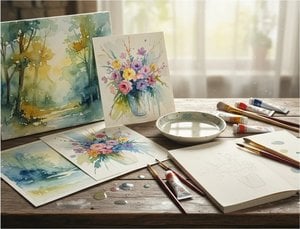
Ephemeral Visions: Exploring the Artistic Legacy & Nuances of Watercolor Painting
Explore the captivating world of watercolor painting! Discover its rich history, essential techniques, influential artists & collecting tips from art experts. A comprehensive guide for enthusiasts.

10 Vesivärimaalausta, Jotka Muuttivat Taiteen – Inspiroi Sisustuksesi ArtsDotilla
Tutustu 10 legendaariseen vesivärimaalaukseen, jotka muuttivat taiteen historiaa! Inspiroiva tarina Turnerista Monetiin. Löydä upeita akvarelleja ja sisustusideoita ArtsDotilla. Tutki kokoelma verkossa!