

 Katso seinällä
 Lähetä
 Jaa
Jaa
 Tarkemmat tiedot
 Opas
Opas

 Lataa kuva
 Samanlaisia kohteita
 Röntgenkuvaus
 Diaesitys
 Tilastot
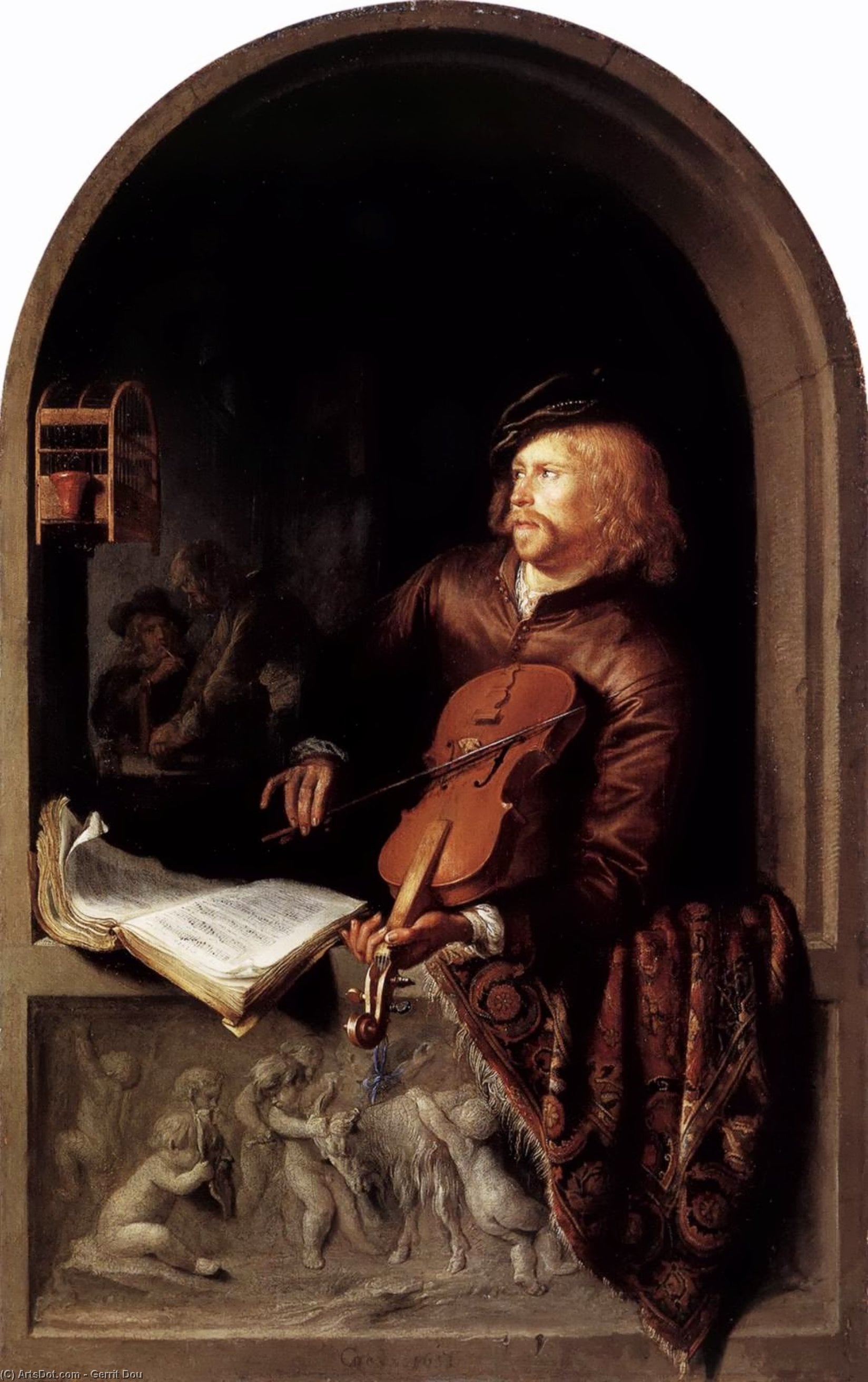
Violon Player
 Oil On Canvas
- WallArt
- Baroque Dutch Painting
 1653
1653- Renaissance
 32.0 x 20.0 cm
 Liechtenstein Museum
 Lue lisää
Giclée- ja taideprintit
Museolaatuisia giclée- tai kankaitaulun tulosteita nopealla tuotannolla ja joustavilla viimeistelyvaihtoehdoilla. ( Tilaa käsinmaalattu jäljennös Siirry digitaaliseen kuvaan)




P118B €10

P118H €10

P118W €10

P438Z €10

P508JH €12

P508YH €12

P805H €10

P805Z €10

P919BZ €10

P919G €10

P919XJ €10

P959ZH €10

P968JZ €12

W106C €8

W218G €10

W218JH €8

W218Y €10

W307PJ €10

W316G €10

W316PJ €8

W316Y €10

W398PJ €8

W4111J €10

W500HY €15

W500JH €15

W692G €12

W849H €8

W940BG €15

W953PJ €8




Valitse valmiista mitoistamme sellaiset, jotka vastaavat teoksen alkuperäisiä mittasuhteita.

Voit syöttää omat mitat sopiaksesi tiettyyn kehykseen tai tilaan. Jos valittu koko ei vastaa alkuperäisen kuvan mittasuhteita, rajaamme teosta tai laajennamme kuvaa peilatulla tai yhtenäisellä reunalla. Digitaalinen mallikuva lähetetään hyväksyttäväksi ennen tuotannon aloittamista.
Huomaathan, että näytöllä näkyvä esikatselu ei vastaa lopullista rajausta tai laajennusta. Vain mallikuva näyttää lopullisen sommittelun tarkasti.
Vaikka räätälöityjä kokoja on saatavilla, suosittelemme valitsemaan mitat valmiista listasta alkuperäisten mittasuhteiden säilyttämiseksi.
Maailmanlaajuinen toimitus () 2 viikossa tavallisen 4–5 viikon sijaan. (13 lokakuu)

Ilmainen pikatoimitus ympäri maailman

Korkealaatuinen pellavakangas

Kattava kuljetusvakuutus

Tulliveron palautustakuu

Takuu täydellisestä värien vastaavuudesta

100 päivän palautusoikeus valmistusvirhetapauksissa

100% rahat takaisin -takuu

Määräalennus saatavilla
 Lasivaihtoehto on saatavilla vain alle 110 cm kokoisille teoksille

Violon Player
Giclée- ja taideprintit
Replikaatin koko
-


Kokonaishinta
€ 54
Gerrit Dou’s ‘Violon Player’: A Masterclass in Dutch Golden Age Detail
This exquisite hand-painted reproduction captures Gerrit Dou's remarkable ability to distill the essence of human experience into a single, intensely observed moment. Painted in 1653, “Violon Player” offers a poignant glimpse into the life of a musician during the Dutch Golden Age – a period defined by burgeoning commerce, artistic innovation, and a profound appreciation for leisure and refinement. The painting’s subject, a man absorbed in his violin, is rendered with an almost unsettling realism, inviting us to contemplate not just his actions but also his inner world.
- Subject & Composition: The central figure dominates the canvas, his posture suggesting both concentration and perhaps a touch of melancholy. The inclusion of indistinct figures in the background – likely members of his audience – adds depth to the scene without disrupting the focus on the musician himself. This careful composition is characteristic of Dou’s approach, prioritizing narrative suggestion over explicit storytelling.
- Style & Technique: Dou was a key figure within the Leiden Fijnschilders group, renowned for their meticulous attention to detail and mastery of *sfumato* – a technique that employs subtle gradations of light and shadow to create an atmospheric effect. Notice the incredibly detailed rendering of the violin’s varnish, the folds in the man's clothing, and the play of light on his face. This level of precision was exceptionally demanding, requiring hours of painstaking work.
Chiaroscuro and the Drama of Light
Gerrit Dou’s command of chiaroscuro – the dramatic use of light and dark – is perhaps the most striking element of “Violon Player.” He expertly manipulates light to create a sense of depth, volume, and emotional intensity. The soft glow illuminating the musician's face contrasts sharply with the darker recesses of the room, drawing our attention to his expression and intensifying the scene’s mood. This technique was particularly favored by Dou, reflecting his fascination with capturing fleeting moments of illumination – often seen in his candlelit night-scenes.
- Material & Craftsmanship: Each reproduction is created using traditional hand-painting techniques, employing archival-quality pigments and canvas to ensure lasting beauty. The meticulous brushwork and the rich color palette faithfully recreate Dou’s original vision, capturing the nuances of light and texture that are essential to his style.
Symbolism and Context
“Violon Player” transcends a simple portrait; it offers a window into 17th-century Dutch society. The musician represents a segment of the middle class, enjoying a moment of respite from their daily activities. The violin itself was a symbol of status and refinement during this era. Dou’s work reflects the growing importance of secular pursuits and leisure within the burgeoning merchant culture of Leiden. This painting aligns with the broader artistic trends of the Dutch Golden Age, where artists sought to capture not just physical likenesses but also the psychological states of their subjects.
- Historical Significance: Created in 1653, this work exemplifies Dou’s peak creative period. It provides a valuable insight into the artistic practices and aesthetic sensibilities of the Dutch Golden Age – a time when art flourished alongside economic prosperity and intellectual curiosity.
Perfect for Your Space
This stunning reproduction of Gerrit Dou's “Violon Player” is more than just a beautiful image; it’s an investment in timeless artistry. Its elegant composition, masterful technique, and evocative atmosphere make it a perfect addition to any interior space – from a formal salon to a contemporary living room. Bring the drama and sophistication of the Dutch Golden Age into your home with this exceptional hand-painted reproduction.
Kysymykset ja vastaukset
Miten teoksen "Violon Player" tulisi suositeltavasti tulostaa – mikä koko ja mikä suunta?
Gerrit Dou:n "Violon Player" -teoksen painattamiseen suositellaan kokoa Large ja Portrait -suuntausta.
Mikä on Gerrit Dou:n "Violon Player" todellinen koko?
Teoksen "Violon Player" alkuperäiset mitat ovat 32 x 20 cm. Alkuperäiset mitat ovat hyödyllinen vertailukohta, kun valitset reproduktion kokoa.
Millaista tunnelmaa "Violon Player" toisi tilaan?
Elegant-tunnelmansa ansiosta "Violon Player" sopii erinomaisesti tilaan Living Room.
Onko teokselle Gerrit Dou:n "Violon Player" opasta?
Opas teokseen "Violon Player" on teoksen Opas -sivu – tulostettava tietolomake, joka esittää teoksen kuvatekstin, tekijätiedot ja tunnistetaulukon (taiteilija, päivämäärät, tekniikka, alkuperäinen koko, kokoelma) sisältäen.
Onko teoksessa Gerrit Dou:n "Violon Player" värit kylläisiä vai hillittyjä?
Teoksen Gerrit Dou:n "Violon Player" värikylläisyys on Muted.
Mistä "Violon Player" on tehty ja millä tyylillä?
"Violon Player" on valmistettu Oil On Canvas, ja se edustaa Baroque Dutch Painting-tyyliä.
Sallitaanko Gerrit Dou:n "Violon Player" -teoksen tekijänoikeuksien perusteella sen jäljentäminen?
Teoksen Gerrit Dou:n "Violon Player" tekijänoikeustilanne on selvä: teos on tekijänoikeusvapaa – sen tekijänoikeussuoja on päättynyt. Sen sijainti museossa Liechtenstein Museum ei muuta tätä tilaa.
Miten teos "Violon Player" sijoittuu osaksi Gerrit Dou'n tuotantoa?
"Violon Player" jakaa Gerrit Dou'n muiden teosten kanssa Baroque Dutch Painting-tyylin sekä toistuvat teemat: dutch golden age, genre scene painting, chiaroscuro mastery”, “leiden fijnschilders influence”, “portraiture, social commentary.
Samankaltaisia teoksia


Taiteilijan elämäkerta
tuotteliaan taidemaalarin elämäkerta
gerrit (gérard) dou, hollantilaisen kultakauden maalauksen merkittävä hahmo, syntyi 7. huhtikuuta 1613 Leidenissä, Alankomaissa. Hän kuoli 9. helmikuuta 1675 jättäen jälkeensä vaikuttavan perinnön äärimmäisen viimeisteltyjä maalauksia, jotka lumoavat taiteen ystäviä ympäri maailmaa edelleen.taiteellinen tyyli ja erikoistuminen
gerrit dou'n taiteellista tyyliä leimaa pikkutarkka ja yksityiskohtainen käsittely, joka usein ilmentyy genremaisina kohtauksina sekä trompe l'oeil -tyylisissä "niche"-maalauksissa. Hänen mestarillinen kykynsä hallita chiaroscuro-tekniikkaa on erityisen huomionarvoista, mikä näkyy selvästi hänen kynttilänvalon valaisemissa yökohtauksissaan. Tämä ainutlaatuinen taitojen yhdistelmä on liittänyt hänet Leidenin fijnschilder-maalareihin.merkittäviä teoksia ja kokoelmia
the astronomer by candlelight on maalaus, joka osoittaa dou'n asiantuntemuksen valon hienovaraisuuden vangitsemisessa, ja se on löydettävissä osoitteesta ArtsDot.com. Tunnettu taidemuseo Leiden Collection, New York esittelee gerrit dou'n teoksia muiden merkittävien taiteilijoiden rinnalla. Lisätietoja kokoelmasta löydät sivustolta the leiden collection, new york: a comprehensive guide ArtsDot.com-palvelussa.vaikutus ja perintö
gerrit dou'n vaikutus näkyy hänen oppilaissaan, kuten frans van mieris van van van mieris van van mieris the elder ja gabriël metsu. Hänen teoksensa ovat esillä myös useissa museoissa, kuten Haagissa sijaitsevassa Museum Huis ten Bosch -museossa Alankomaissa, joka kätkee sisäänsä upean kokoelman eurooppalaista taidetta 1500-luvulta 1700-luvulle.- tärkeimmät faktat:
* syntynyt: 7. huhtikuuta 1613, Leiden, Alankomaat
* kuollut: 9. helmikuuta 1675
* merkittäviä teoksia: the astronomer by candlelight, genremalaukset ja kynttilänvalon yökohtaukset
* vaikutus: frans van mieris the elder, gabriel metsu ja muut - suositeltua luettavaa:
* gerrit (gérard) dou ArtsDot.com-sivustolla
* dutch golden age painting Wikipediassa
johtopäätös
gerrit (gérard) dou'n poikkeukselliset panostukset hollantilaisen kultakauden maalaustaiteeseen ovat jättäneet peruuttamattoman jäljen taidemaailmaan. Hänen lumoavat maalauksensa, jotka tunnetaan monimutkaisista yksityiskohdistaan ja mestarillisesta valon käytöstä, jatkavat inspiroimaan taiteilijoita ja taiteen harrastajia samalla tavalla. Tutustuaksesi lisää hänen teoksiinsa sekä muiden merkittävien taiteilijoiden tuotantoon, vieraile ArtsDot.com-sivustolla.
Gerrit Dou
1613 - 1675 , Alankomaat
Tietoa taiteilijasta
- Artistic Movement Or Style: Fijnschilder
- Artists Or Movements Influenced By This Artist: ['Leiden Fijnschilders']
- Artists Who Influenced This Artist: ['Rembrandt van Rijn']
- Date Of Birth: 7 huhtikuuta 1613
- Date Of Death: 9 helmikuuta 1675
- Full Name: Gerrit Dou
- Nationality: Alankomaalainen
- Notable Artworks:
- Astronomi kynttilänvalossa
- Nuori tyttö pianolla
- Place Of Birth: Leiden, Alankomaat
Aiheeseen liittyvät artikkelit
Gerrit Dou: Intimacy & Light in the Dutch Golden Age
Explore the exquisite world of Gerrit Dou, a master of Dutch Golden Age painting. Discover his intimate genre scenes, signature use of light, and lasting legacy. Learn about collecting Dou's works & their value.
Illuminating Realism: Exploring the Dutch Golden Age of Painting (1600-1700)
Explore the Dutch Golden Age of painting (1600-1700) with ArtsDot. Discover Rembrandt, Vermeer & other masters. Learn about techniques, history & find museum-quality reproductions.

Golden Age Reflections: Dutch Baroque Painting & Cultural Innovation
Explore the Dutch Golden Age of painting! Discover key artists like Vermeer & ter Borch, their innovative techniques, and the rich cultural context behind these Baroque masterpieces. Learn about collecting & appreciating this iconic art period.

Hollantilaisen kultakauden 10 mestariteosta – Taidetta kotiisi ArtsDot.com
Uppoudu hollantilaisen kultakauden taiteen maailmaan! Tutustu Rembrandtin, Vermeerin ja muiden mestareiden ikonisiin maalauksiin. Löydä inspiraatiota kotiisi ArtsDot.com:ista – laadukkaat taidevedokset ja sisustustaulut jokaiseen tilaan. Explore the full collection online!

Illuminating Innovation: Exploring the Dutch Golden Age of Painting
Explore the Dutch Golden Age of painting with ArtsDot. Discover Rembrandt, Vermeer & other Masters. Learn about key characteristics, iconic artworks, and lasting influence. Expert insights for collectors & enthusiasts.


