

 Esikatselu
 Jaa
Jaa Jaa
Jaa
 Tarkemmat tiedot

 Lataa
Lataa
 Samanlaisia
 Röntgenkuva
 Diaesitys
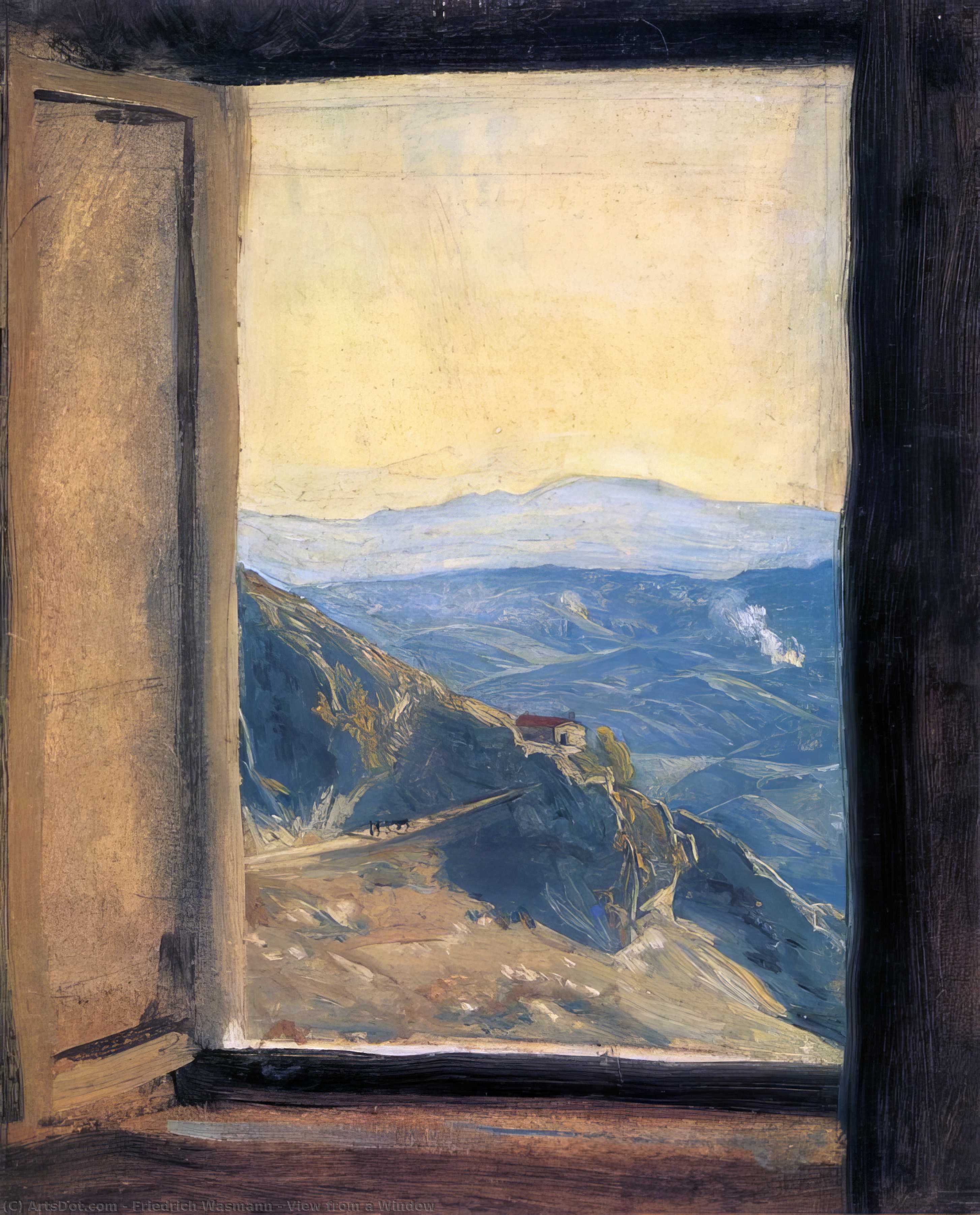
View from a Window


 Näytä lisää
Osta korkearesoluutioinen, parannettu digitaalikuva, joka on laadultaan huomattavasti parempi kuin verkkosivuston esikatselu.
Jokainen tiedosto valmistellaan huolellisesti omien asiantuntijoidemme toimesta käyttäen edistyneitä työkaluja ja ammattitaitoista manuaalista retusointia. Varmistamme, että jokaisessa kuvassa on poikkeuksellinen selkeys, tarkka värintoisto ja hienovaraiset yksityiskohdat.
Lopputiedosto toimitetaan sähköpostitse 72 tunnin kuluessa, ja se on optimoitu välittömään käyttöön ammattimaisissa, toimituksellisissa ja painoympäristöissä. Laatu on sama, johon huipputason suunnittelustudiot, kustantajat ja galleriat luottavat.
Digitaalinen kuva
Lataa korkearesoluutioinen tiedosto henkilökohtaiseen näyttelyyn, tulostamiseen ja luoviin projekteihin. ( Siirry tulosteeseen Vaihda käsinmaalattuun versioon)
Sisältyy jokaiseen digitaalisen kuvan tilaukseen
Asiantunteva digitaalinen toimitus, taattuun laatuun
Kun valitset ArtsDot.com-palvelun, et saa vain kuvaa – saat ammattimaisesti parannetun digitaalisen taideteoksen, joka on luotu tarkkuudella ja jonka takaa tulee tyytyväisyystakuu. Tässä on kaikki, mitä tilauksesi sisältää, automaattisesti:

Nopea digitaalinen toimitus
Korkearesoluutioinen digitaalinen kuvatiedostosi lähetetään sähköpostiisi 72 tunnin kuluessa tilauksesta – valmiina käytettäväksi välittömästi.

Tekoälyllä parannettu digitaalinen tiedosto
Taiteilijasi teos on optimoitu ammattimaisesti edistyneiden tekoälytyökalujen ja manuaalisen muokkauksen avulla, mikä takaa maksimaalisen yksityiskohtaisuuden, selkeyden ja väritarkkuuden.

Ilmainen elinikäinen uudelleenlähetyspalvelu
Oletko vahingossa poistanut tai kadottanut tiedostosi? Ei hätää – lähetämme sen sinulle uudelleen milloin tahansa täysin maksutta.

Ei tuontimaksuja – koskaan
Nauti taiteestasi välittömästi ilman tulleja, veroja tai toimitusmaksuja – digitaaliset lataukset ovat aina verovapaita.

Värintoiston tarkkuustakuu
Varmistamme, että digitaalinen kuvasi vastaa alkuperäisiä värejä mahdollisimman tarkasti käyttämällä ammattilaistason työkaluja ja värinhallintaa.

60 päivän tyytyväisyystakuu
Jos et ole tyytyväinen digitaaliseen kuvaasi, muokkaamme sitä tai palautamme 100% takaisin 60 päivän kuluessa – ilman kysymyksiä.

100% Rahat takaisin -takuu
Etkö ole tyytyväinen? Saat täyden hyvityksen 60 päivän kuluessa digitaalisen tiedostosi vastaanottamisesta – ilman kyselyitä.

Suurtilaaja-alennukset
Osta 3 kuvaa, säästä 10% - Osta 5, säästä 15% - Osta 10+, säästä 20%. Erinomainen valinta luoviin projekteihin, gallerioille ja toimistoille.
Samankaltaisia teoksia


Taiteilijan elämäkerta
The Quiet Observer: The Life and Art of Friedrich Wasmann
Rudolph Friedrich Wasmann (1805–1886) remains one of the most poignant voices of the Biedermeier era, a period defined by its retreat into domestic intimacy and the serene observation of the natural world. Born in the bustling port city of Hamburg, Germany, Wasmann’s artistic soul was shaped early on through a rigorous apprenticeship under the painter Christoffer Suerr. This foundational training instilled in him a lifelong devotion to meticulous detail and a technical precision that would become his hallmark. His journey took him from the influential artistic circles of Hamburg to the prestigious halls of the Dresden Academy of Fine Arts and the Munich Academy of Fine Arts, where he refined his ability to capture the subtle interplay of light, texture, and atmosphere. As his career unfolded, Wasmann’s gaze drifted southward toward the breathtaking landscapes of the Tyrol, a region that would become the spiritual and creative heart of his life. Settling in Merano—now part of Italy—he found himself immersed in an environment that offered both topographical grandeur and a sense of profound tranquility. It was here that his style began to coalesce into a unique synthesis of Biedermeier realism and the spiritual depth of the Nazarene movement.A Synthesis of Spirit and Realism
The period between 1832 and 1835 marked a transformative chapter in Wasmann’s development as he lived in Rome. During these years, he encountered the luminaries of the Nazarene movement, including Friedrich Overbeck and Joseph Anton Koch. This exposure to a community dedicated to religious iconography and spiritual contemplation left an indelible mark on his psyche. His conversion to Catholicism during this time was not merely a personal milestone but a profound artistic pivot; it infused his work with a sense of quiet dignity and moral gravity. Unlike the more theatrical or melodramatic tendencies found in some Romantic contemporaries, Wasmann utilized these influences to pursue a more restrained, meditative beauty. His oeuvre reflects this delicate balance between the earthly and the divine. In his landscapes, one can observe the atmospheric weight of the Alpine scenery, rendered with a clarity that honors the physical world while hinting at a deeper, more contemplative stillness. His portraits, too, embody the Biedermeier ideal of domestic peace. Works such as “Paul, Maria, and Filomena von Putzer” serve as exquisite windows into the private lives of the era, capturing childhood innocence and familial warmth through a palette of muted earth tones and soft, luminous blues.Legacy and Historical Significance
Beyond his canvases, Wasmann’s life was characterized by a deep connection to the regions he inhabited. After years spent working as a portrait painter in Merano and Bolzano, he eventually returned to Hamburg, where he married Emilie Krämer. His legacy is preserved not only in the galleries of the Kunsthalle Hamburg but also through his literary contributions, most notably his popular autobiography, which provides a rare, firsthand glimpse into the life of a nineteenth-century German master. The historical significance of Friedrich Wasmann lies in his ability to navigate the shifting tides of nineteenth-century art—moving from the precision of his early training to the spiritualized realism of his maturity. He remains a vital figure for understanding how the Biedermeier style functioned as a sanctuary of calm amidst the larger, more turbulent movements of European history. His work continues to resonate with those who find beauty in the understated, the intimate, and the eternally serene.- Artistic Movements: Biedermeier Realism, Nazarene Movement
- Key Influences: Christoffer Suhr, Friedrich Overbeck, Joseph Anton Koch
- Notable Locations: Hamburg, Dresden, Munich, Rome, Merano
- Major Themes: Alpine landscapes, religious iconography, domestic portraiture

Friedrich Wasmann
1805 - 1886 , Germany
Lyhyesti esiteltynä
- Artistic Movement Or Style: Biedermeier Painting
- Artists Or Movements Influenced By This Artist: ['Nazarene Movement']
- Artists Who Influenced This Artist: ['Christoffer Suhr']
- Date Of Birth: Hamburg, Germany (1805)
- Date Of Death: 1886
- Full Name: Rudolph Friedrich Wasmann
- Nationality: German
- Notable Artworks:
- Portrait of Mrs Pastor Hiibbe
- Bildnis Der Frau Pastor Hübbe, Geborener Wasmann
- View from a Window
- Place Of Birth: Hamburg

