


 Katso seinällä
 Lähetä
 Jaa
Jaa
 Tarkemmat tiedot
 Opas
Opas

 Lataa kuva
 Samanlaisia kohteita
 Röntgenkuvaus
 Diaesitys
 Tilastot
Kreposti


 Lue lisää
Giclée- ja taideprintit
Museolaatuisia giclée- tai kankaitaulun tulosteita nopealla tuotannolla ja joustavilla viimeistelyvaihtoehdoilla. ( Tilaa käsinmaalattu jäljennös Siirry digitaaliseen kuvaan)




P118B €10

P118H €10

P118W €10

P438Z €10

P508JH €12

P508YH €12

P805H €10

P805Z €10

P919BZ €10

P919G €10

P919XJ €10

P959ZH €10

P968JZ €12

W106C €8

W218G €10

W218JH €8

W218Y €10

W307PJ €10

W316G €10

W316PJ €8

W316Y €10

W398PJ €8

W4111J €10

W500HY €15

W500JH €15

W692G €12

W849H €8

W940BG €15

W953PJ €8




Valitse valmiista mitoistamme sellaiset, jotka vastaavat teoksen alkuperäisiä mittasuhteita.

Kirjoita tarvitsemasi leveys ja korkeus, jotta tuloste sopii kehyskokoon tai seinällesi. Tulostetta voidaan vain leikata, sitä ei voi koskaan tehdä suuremmaksi kuin alkuperäinen kuva, joten eri muotoinen koko aiheuttaa osan kuvasta katoamisen. Lähetämme sinulle digitaalisen mallikuvan hyväksyttäväksi ennen kuin aloitamme tulostuksen. Tällä sivulla näkyvä kuva ei näytä lopullista leikkausta — vain mallikuva näyttää sen.
Maailmanlaajuinen toimitus () 2 viikossa tavallisen 4–5 viikon sijaan. (21 lokakuu)

Ilmainen pikatoimitus ympäri maailman

Korkealaatuinen pellavakangas

Kattava kuljetusvakuutus

Tulliveron palautustakuu

Takuu täydellisestä värien vastaavuudesta

100 päivän palautusoikeus valmistusvirhetapauksissa

100% rahat takaisin -takuu

Määräalennus saatavilla
 Lasivaihtoehto on saatavilla vain alle 110 cm kokoisille teoksille

Kreposti
Giclée- ja taideprintit
Replikaatin koko
-


Kokonaishinta
€ 54
Ceres: A Symphony of Line and Myth
Francesco Primaticcio’s “Ceres” – painted in 1552 – transcends mere visual representation; it embodies the spirit of Mannerist art, a movement that prioritized stylized form over naturalism and sought to evoke emotion through complex compositions. This monumental drawing on paper captures the essence of Roman mythology, specifically the goddess Ceres, protector of agriculture and harvest, amidst an opulent tableau populated by figures imbued with grace and dynamism. The photograph itself reveals a masterful execution—a dense layering of hatching and cross-hatching skillfully renders tonal variations that convey textures and depth, creating an immersive experience for the viewer.Composition and Technique: Mastering Illusion
The artwork’s brilliance lies in its meticulously crafted arrangement. Primaticcio employs a dynamic perspective, subtly guiding the eye through the scene's intricate details—columns supporting a façade, nude figures suspended in space, and a central female figure seated serenely amidst baskets overflowing with fruit. Lines dominate the image, defining contours and establishing relationships between forms; these aren’t merely lines of sight but active elements shaping the overall aesthetic. The artist’s technique is characterized by painstaking attention to detail—the drapery folds are rendered with exquisite precision, conveying movement and volume—demonstrating a commitment to illusionistic representation that was revolutionary for its time.Mythological Narrative and Symbolic Resonance
“Ceres” isn't simply a depiction of a goddess; it’s an allegory of fertility and abundance. The central figure represents Ceres herself, surrounded by attendants who embody various aspects of the harvest cycle. Decorative elements—such as the baskets laden with produce—serve as potent symbols of prosperity and nourishment, reinforcing the artwork’s thematic core. Primaticcio's stylistic choices – elongated figures, stylized drapery – align perfectly with Mannerist conventions, prioritizing expressive gesture over anatomical accuracy. This deliberate departure from Renaissance ideals reflects a broader artistic preoccupation with conveying emotion and psychological complexity.Historical Context: Fontainebleau and Artistic Innovation
Primaticcio’s work flourished during the reign of Henry II at Fontainebleau Palace, where he spearheaded ambitious decorative projects aimed at elevating royal prestige. He was instrumental in establishing Fontainebleau as a center for Mannerist art, attracting artists from across Europe and fostering experimentation with new techniques and styles. “Ceres” stands as a testament to this period’s artistic fervor—a bold assertion of stylistic independence that challenged prevailing aesthetic norms and cemented Primaticcio's place among the foremost innovators of his era. Its influence can be seen in subsequent artworks, demonstrating its enduring legacy within the history of art.Emotional Impact: Beauty Beyond Reality
Ultimately, “Ceres” succeeds in captivating viewers not through realistic representation but through its masterful manipulation of form and line. The artwork evokes a sense of grandeur and serenity—a contemplative gaze upon idealized beauty—that transcends the constraints of historical context. It invites contemplation on themes of fertility, prosperity, and divine grace, leaving an indelible impression on anyone who encounters it. Like many masterpieces of Mannerist art, “Ceres” prioritizes emotional resonance over literal accuracy, securing its position as a timeless symbol of artistic excellence.Kysymykset ja vastaukset
Miten materiaali ja liike yhdistyvät teoksessa "Kreposti"?
Teoksessa "Kreposti" Akryyli kankaalle-tekniikka kohtaa Italian Mannerism-suuntauksen.
Sallitaanko Francesco Primaticcio:n "Kreposti" -teoksen tekijänoikeuksien perusteella sen jäljentäminen?
Alkuperäinen "Kreposti" sijaitsee kohteessa Condé-museo, ja teos on tekijänoikeusvapaa – sen tekijänoikeussuoja on päättynyt.
Onko teoksessa "Kreposti" voimakkaita valon ja varjon kontrasteja?
Teoksen Francesco Primaticcio:n "Kreposti" kontrastitaso on Seesteinen.
Samankaltaisia teoksia


Aiheeseen liittyvät artikkelit

The Enduring Form: Exploring Themes & Techniques in Sculpture Across Historical Periods
Explore the rich history of sculpture from ancient masterpieces to contemporary innovations. Discover key techniques, influential artists & investment potential for discerning art collectors.

10 legendaarista pronssiveistosta, jotka mullistivat taiteen – ArtsDot.com
Tutustu 10 legendaariseen pronssiveistokseen, jotka ovat muuttaneet taiteen historiaa! Rodinista Michelangeloon – opi mestareiden tarinat ja löydä täydellinen taideteos kotiisi ArtsDot.com:ssa. Laadukkaat jäljennökset & sisustusideat.

The Enduring Form: Sculpture Across History, Technique & Emotional Resonance
Explore the rich history of sculpture with ArtsDot. Discover key techniques, influential artists & investment potential for discerning collectors. Expert insights into valuing and collecting timeless masterpieces.
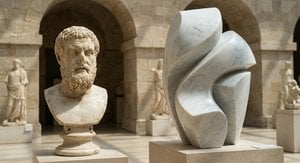
The Enduring Allure of Marble in Art History: From Classical Sculpture to Modern Abstraction
Explore the captivating history of marble sculpture from ancient Greece to modern art. Discover renowned artists like Canova & Michelangelo, carving techniques, and investment insights at ArtsDot.

10 legendaarista pronssiveistosta, jotka mullistivat taiteen – ArtsDot.com
Tutustu 10 legendaariseen pronssiveistokseen, jotka ovat muokanneet taiteen historiaa! Michelangelo, Rodin ja muut mestarit. Löydä inspiraatiota sisustukseesi ja tutki upeita taideteoksia ArtsDot.com-sivustolta.


