Nuoruusvuodet, perhe ja koulutus
Barbara Hepworth syntyi 10. tammikuuta 1903 Wakefieldissä, Yorkshiren West Ridingissä, Englannissa. Hän oli Gertrude Hepworthin ja Herbert Hepworthin vanhin lapsi. Hänen isänsä työskenteli siviilitekniikan insinöörinä West Ridingin piirikunnan neuvostossa, mikä loi käytännönläheisen ja rakenteellisen pohjan hänen kasvatukselleen. Tämä varhainen ympäristö Yorkshiressä muovasi juuri sen tilallisen hahmotuskyvyn, joka määritteli myöhemmin hänen lähestymistapansa kolmiulotteiseen muotoon.
Hänen virallinen koulutuksensa alkoi Wakefield Girls' High Schoolissa. Tämä akateeminen alku johti hänet Leeds School of Artiin vuonna 1920, jossa hän alkoi kehittää vakavaa veistotaiteellista tutkimusta vaativaa teknistä kurinalaisuutta. 1920-luvulle tultaessa hän oli muuttanut Lontooseen opiskelemaan Royal College of Artissa (RCA). Tämä koulutusjakso oli välttämätön älyllisen tarkkuuden luomiseksi, joka erottaa hänen työnsä pelkästä koristelusta. Hän ei ollut vain oppimassa käsityötä; hän oli hallitsemassa suhdetta materiaalin ja tyhjyyden välillä.
Muotoutuvat vuodet ja varhainen ura
Barbara Hepworthin varhaista ammatillista polkua määrittivät sarja merkittäviä henkilökohtaisia ja taiteellisia käännekohtia, jotka heijastelivat brittiläisen modernismin radikaaleja muutoksia. Toukokuussa 1925 hän avioitui veistäjä John Skeapingin kanssa Firenzessä. Tätä kautta leimasi siirtymä suoraan veistotapaan, menetelmä, joka vaati fyysistä ja välitöntä vuorovaikutusta kiven ja puun kanssa. Vuoteen 1931 mennessä hänen henkilökohtainen ja luova elämänsä koki uuden muodonmuutoksen, kun hän rakastui taidemaalari Ben Nicholsoniin. Tämä yhteys oli osa laajempaa, intensiivistä modernien taiteilijoiden älyllistä piiriä, jonka keskiössä oli Lontoon Hampstead. Nämä sosiaaliset ja romanttiset kohtaamiset eivät olleet pelkkiä häiriötekijöitä; ne olivat sulatupia, joissa hänen lähestymistapansa tilaan ja muotoon testattiin aikakauden vallitsevia trendejä vasten.
Ensimmäisen avioliiton päättyminen maaliskuussa 1933 merkitsi poikkeamaa hänen aiemmista, figuratiivisemmista tutkimuksistaan. Hän avioitui lopulta Ben Nicholsonin kanssa vuonna 1938, liitto, joka vakiinnutti hänen asemansa brittiläisen abstraktion eturintamassa. Näiden vuosien aikana hänen työnsä etääntyi esittävämmistä perinteistä ja pyrki sen sijaan tiivistämään muodon olemuksen pelkistetymmän, geometrisemman kielen kautta. Tämä siirtymävaihe toi hänet pois muinaisten monumenttien tutkimisesta kohti hienostuneempaa ymmärrystä siitä, miten negatiivinen tila toimii rakenteellisena elementtinä. Hänen kehityksensä ei ollut lineaarinen eteneminen, vaan sarja tietoisia ja usein vaikeita katkoja menneisyyteen.
Unit One -taidesuuntaus
Vuonna 1933 Barbara Hepworth oli mukana perustamassa Unit One -taidesuuntausta, kollektiivia, joka muutti perustavanlaatuisesti brittiläisen modernismin suunnan. Yhdessä Ben Nicholsonin, Paul Nashin ja useiden muiden taiteilijoiden kanssa hän pyrki kurokseen surrealismin ja abstraktion välistä kuilua. Kyseessä ei ollut pelkkä tyylillinen mieltymys, vaan tietoinen pyrkimys yhdistää nämä kaksi hallitsevaa voimaa brittiläisessä taideskunnassa. Liike haastoi perinteiset esittävän taiteen rajat etsien uutta visuaalista kieltä, joka kykenisi vastaamaan modernin aikakauden monimutkaisuuteen.
Tämän aikakauden vaikutus näkyy siinä, kuinka Barbara Hepworth siirtyi varhaisista figuuraalisista kokeiluistaaan kohti kurinalaisempaa ja abstraktimpaa muotokieltä. Tämä muutos ei ollut erillinen kehityskulku, vaan osa Unit One -ryhmän laajempaa ja koordinoitua pyrkimystä viedä brittiläinen taide pois provinsialismista kohti kansainvälistä avantgardea. Hänen osallistumisensa tähän piiriin vahvisti hänen asemansa keskeisenä hahmona liikkeessä, joka asetti muodon ja tilan olennaiset ominaisuudet kirjaimellisen kuvauksen edelle.
Toisen maailmansodan lähestyessä tämän taiteellisen yhteisön painopiste siirtyi maantieteellisesti. Barbara Hepworthista tuli johtava hahmo taiteilijayhteisössä, joka asettui Cornwallin St Ivesiin. Tämä muutto muutti rannikkokaupungin merkittäväksi modernistisen ajattelun keskukseksi. St Ivesin lahjakkuuksien keskittymä mahdollisti abstraktin muodon ja luonnonmaiseman välisen suhteen jatkuvan tutkimisen, varmistaen samalla, että Unit One -liikkeen puolustamat radikaalit ideat pysyivät keskeisenä osana brittiläisen kuvanveiston kehitystä.
Tekniikka ja taiteellinen tyyli
Barbara Hepworthin lähestymistapa moderniin kuvanveistoon on määritelty tinkimättömällä omistautumisella suoralle kaiverrukselle. Sen sijaan, että hän olisi muotoillut savesta valun pohjaksi, hän työskenteli suoraan materiaalin parissa, antaen itse aineksen ohjata lopullista muotoa. Tämä menetelmä vaatii välitöntä ja fyysistä vuorovaikutusta teoksen olemuksen kanssa. Hän käytti talttoja ja kaiverruksia muotoillakseen marmoria ja puuta, ja usein hän maalasi muotojensa onkalot hallitakseen sitä, miten valo ja varjo leikkivät sisäpinnoilla. Monissa teoksissaan hän vei tämän vielä pidemmälle sitomalla veistostensa sivut langalla tai narulla, luoden näin konkreettisen jännitteen yhden kohteen eri osien välille.
Hänen merkittävin panoksensa abstraktion kieleen on negatiivisen tilan käyttö. Tuomalla veistoksiinsa avoimia tyhjiöitä hän muutti aukon pelkästä poissaolosta rakenteelliseksi elementiksi. Nämä aukot tekevät enemmän kuin vain luovat reikiä; ne luovat yhteyden kohteen ja sitä ympäröivän tilan välille. Tämä tekniikka pakottaa katsojan tunnustamaan muodon sisällä olevan ilman sommittelun käsin kosketeltavana osana. Tuloksena on läsnäolon ja poissaolon välinen jännite, joka määrittelee hänen modernistisen estetiikkansa.
- Pierced Form (1932)
- Single Form (Chûn Quoit) (1961)
- Two Forms (1937)
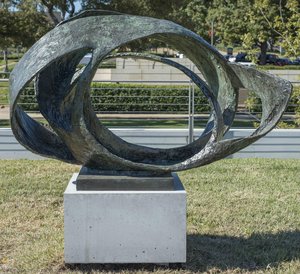
- Oval Form (Trezion) (1962)
Keskeiset teokset ja veistotaiteelliset innovaatiot
Barbara Hepworthin merkittävin panos modernille kuvanveistolle oli hänen radikaali tapansa hyödyntää negatiivista tilaa. Vuonna 1931 hän esitteli läpäistyn muodon, tekniikan, joka muutti tyhjän tilan pelkästä poissaolosta rakenteelliseksi elementiksi. Tämä murros siirsi veistotaiteen pois massiivisesta massasta kohti tutkimusmatkaa siihen, miten valo ja avaruus vuorovaikuttavat materiaalin kanssa. Hänen läpimurtonsa saavutettiin vuonna 1937 teoksella Oval Form (Trezion), joka vahvisti hänen hallintansa näihin geometrisiin, onttoihin tilavuuksiin. Kaivertamalla suoraan teoksen ytimeen hän pakotti katsojan tunnustamaan sisällä olevan tilan yhtä elintärkeänä osana kuin itse materiaalin.
Hänen kykynsä tasapainottaa orgaanisia teemoja tiukan abstraktion kanssa näkyy selvästi 1930-luvun työssä Mother and Child. Tämä teos osoittaa, kuinka hän tiivisti inhimilliset suhteet pelkistetyiksi, pyöreiksi muodoiksi. Myöhemmin hänen tekninen repertuaarinsa laajeni sisältämään myös muiden kuin perinteisten veistomateriaalien integroimisen teoksiinsa. Vuonna 1956 hän loi teoksen Stringed Figure (Curlew), jossa käytettiin puuvillasuutta puisten muotojen sitomiseen. Tämä loi fyysisen jännityksen, joka heijasti veistoksen sisäistä geometriaa, ja menetelmä korosti yksittäisen kohteen eri osien välistä yhteyttä konkreettisen ja haptisen sitomisen kautta.
Hänen visionäärisen näkemyksensä mittakaava saavutti monumentaalisen tason teoksessa Single Form. Tämä kuusitoista metriä korkea, viisi tonnin painoinen pronssiveistos valmistui muistomerkiksi Dag Hammarskjöldille. Se säilyy edelleen määräävänä esimerkkinä siitä, kuinka hänen abstrakti kielensä pystyi kääntymään massiivisiksi, julkisiksi rakenteiksi menettämättä keskittymistään olennaiseen muotoon.
Myöhemmät vuodet ja kuolema
Barbara Hepworthin uran viimeinen luku sijoittui Cornwallin St Ivesiin. Kun hän oli ostanut Trewyn Studion syyskuussa 1949, hän asettui tähän rannikkoympäristöön 26 vuodeksi. Tätä aikakautta leimasi hänen tuotantonsa mittakaavan ja monimutkaisuuden merkittävä laajentuminen. Taiteellisen työn vaatimusten hallitsemiseksi hän työskenteli 16 avustajan kanssa vuodesta 1949 alkaen, mikä oli välttämätöntä suurikokoisten veistosten kaivertamiseen ja pronssivaluun tarvittavan fyysisen työn vuoksi.
Hänen elämänsä päättyi äkillisesti vuonna 1975. Tulipalo hänen studiollaan vei häneltä hengen 72 vuoden iässä. Onnettomuus tapahtui tiloissa, joissa hän oli asunut ja työskennellyt yli kaksi vuosikymmentä. Tämä äkillinen loppu jätti jälkeensä teoskannan, joka oli liikkunut päättäväisesti kohti figuraalisuudesta kohti kurinalaista ja pelkistettyä abstraktiota.
Perintö ja museokokoelmat
Barbara Hepworthin vaikutus elää edelleen instituutioissa, jotka säilyttävät hänen fyysistä tuotantoaan. Yhdistyneessä kuningaskunnassa sijaitseva The Hepworth Wakefield kantaa hänen nimeään ja on merkittävä kulttuurinen voimavara hänen syntymäalueellaan. Museo kätkee sisäänsä yli 400 hänen veistostaan ja piirustustaan, varmistaen, että hänen ainutlaatuinen tapansa käsitellä muotoa ja tilaa säilyy yleisön saavutettavissa. Kokoelma tarjoaa suoran linkin hänen kehitykseensä veistäjänä, seuraten polkua varhaisista figuratiivisista kokeiluista kohti myöhempiä, abstraktimpia teoksia.
Cornwallin St Ivesissä Barbara Hepworth Museum and Sculpture Garden tarjoaa toisenlaisen tavan vaalia taiteilijan muistoa. Tämä kohde säilyttää hänen studionsa ja puutarhansa juuri sellaisena kuin ne olivat hänen elämänsä ja työnsä aikana. Se toimii pysyvänä kiintopisteenä hänen taiteelliselle käytännölleen, näyttäen, kuinka hänen ympäristönsä muovasi hänen estetiikkaansa. Vuonna 1980 hänen perheensä siirsi museon Tate-gallerialle, mikä takasi sen pitkäaikaisen säilymisen osana merkittävää kansallista kokoelmaa.
Missä teoksia voi nähdä tänään
Barbara Hepworthin fyysinen läsnäolo taidemaailmassa on edelleen vahvasti ankkuroituna Yhdistyneeseen kuningaskuntaan, Hepworth Wakefelfin museoon. Tämä instituutio kätkee sisäänsä merkittävän osan hänen tuotantoaan, tarjoten tiiviin ja syvällisen katsauksen hänen veistokselliseen kehitykseensä. Museon kokoelmat mahdollistavat suoran kohtaamisen hänen ainutlaatuisen materiaalisen käsittelynsä ja sen kanssa, miten hän hallitsi tilaa tunnusomaisilla, lävistetyillä muodoillaan.
Yhdistyneen kuningaskunnan rajojen ulkopuolella hänen vaikutuksensa leviää useisiin merkittäviin kansainvälisiin kokoelmiin. Yhdysvalloissa Fort Worthin Kimbell Art Museum säilyttää teosta 'Oval Form (Trezion)'. Tämä teos ilmentää hänen kykynsä hallita tilavuutta pronssin avulla. Samoin New Orleans Museum of Art -museossa on teos 'River Form', joka korostaa hänen kiinnostustaan orgaanisiin ja virtaaviin muotoihin. Nämä sijainnit varmistavat, että hänen työnsä pysyy osana globaalia taiteellista vuoropuhelua, eikä jää vain paikalliseksi ilmiöksi.
Hänen taiteellinen ulottuvuutensa ulottuu aina Auckland Art Gallery Toi o Tāmaki -museoon asti, jossa on esillä teos 'Torso II (Torcello)'. Näiden teosten kohtaaminen niiden omissa museoympäristöissään paljastaa abstraktion mittakaavan ja materiaaliset todellisuuden. Hänen veistoksensa vaativat omanlaisensa tarkastelutavan; ne kutsuvat katsojaa liikkumaan kohteen ympärillä, jotta voisi todella ymmärtää kiinteän massan ja tyhjän tilan välinen herkkä suhde.
Kysymykset ja vastaukset
Voinko selata Barbara Hepworth teoksia tunnelman mukaan?
Barbara Hepworth:n teoksia voi selata tunnelman mukaan artistin Tunnelmallinen huone -sivulta, jossa teokset on järjestetty niiden välittämän tunnelman mukaan.
Miten Barbara Hepworthn taide kehittyi ajan myötä?
Barbara Hepworth-taiteilijan Ura kronikka on vieritettävä aikajana, joka esittää taiteilijan teokset kronologisessa järjestyksessä jaettuna uravaiheita vastaaviin lukuihin.
Mihin tyylisuuntauksiin Barbara Hepworth kuului?
Kaikki taidesuuntaukset-sivulla Barbara Hepworth:n teokset on ryhmitelty taidesuuntauksen mukaan.