New to Ukiyo-e? Start here

Famous Ukiyo-e Kunstnikud: Our Top 39

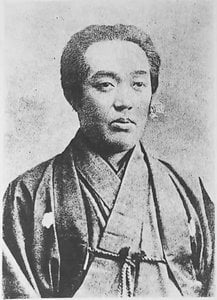
If you remember one Ukiyo-e kunstnik, make it Katsushika Hokusai (1760–1849), the name behind Suurte laine Kanagawast ja Kingfisher and Bulrushes. After that come Hiroshige, Kitagawa Utamaro, Tsukioka Yoshitoshi ja Torii Kiyonaga. Our 39 picks go from Hishikawa Moronobu (born 1618) to Goyō Hashiguchi (born 1880), from 3 countries.

How we picked them. We list the artists our catalogue links to Ukiyo-e, from the most famous down. Artists born after 1955 that we cannot yet check on Wikidata are left out. The Wikipedia number shows in how many of our 32 languages Wikipedia writes about them.

  1. Suurte laine Kanagawast teos, autor Katsushika Hokusai1Katsushika Hokusai
  2. Early Department from a Daimyo teos, autor Hiroshige2Hiroshige
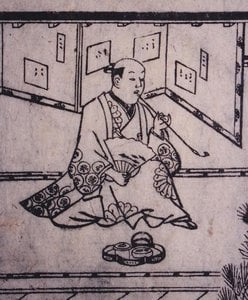
  3. Courtesan or Kneeling Lady with Fan from the series Seasonal Poems Composed by Famous Women teos, autor Kitagawa Utamaro3Kitagawa Utamaro

Quick facts

Ukiyo-e in a nutshell

  • 39Kunstnikud
  • 1618–1880Sünniaastad
  • 3Sünnimaad
  • 0Naised
  • 1Elavad kunstnikud
  • 5896Meie kataloogis olevad teosed
Linnad kõige rohkem sünnilaikadega
Edo (8), Tokio (7), Tokyo (6), Osaka (2)
Muuseumid, kus on kõige rohkem olulisi teoseid
Metropolitan Museum of Art (12), Keio University Library (10), Bujalance Collection (10), Cleveland Museum of Art (3)

Meet them one by one

The 39 famous Ukiyo-e artistid, from most famous down

1of 39

Katsushika Hokusai

Jaapani From Tokio Ukiyo-e On Wikipedia in 32 of 32 languages

Katsushika Hokusai

By the age of six, the boy is already sketching, driven by a hunger that his father, Nakajima Ise, recognizes but cannot fully direct. By twelve, he enters the studio of Katsukawa Shunshō, learning the demanding precision of ukiyo-e woodblock printing. Around 1831, the series Thirty-six Views of Mount Fuji emerges, fundamentally altering the scope of Japanese printmaking.

Works to know · Their 100 best-known works

2of 39

Hiroshige

Jaapani From Edo Ukiyo-e On Wikipedia in 30 of 32 languages

Hiroshige

Utagawa Hiroshige, kes sündis 1797. aastal Edo puldavas linnas (tänapäeva Tokyo) kui Andō Tokutarō, seisab ukiyo-e ehk "ujuvate maailmade piltide" maailmas kui murdiliseks kujundajaks. See monumentaalne teos dokumenteeris Teekonks Tōkaidō reisitud teel, mis oli peamine marsruut Edo ja Kyoto vahel, mitte lihtsalt reisikiri, vaid kütklevate viinetite kogum – äkiline vihmavale Shonos, kauge vaade Fuji mäele Kanayast või Odawaras puldikas elu.

Learned from Utagawa Toyohiro #26

Works to know · Their 100 best-known works

3of 39

Kitagawa Utamaro

Jaapani From Tokio Ukiyo-e On Wikipedia in 27 of 32 languages

Kitagawa Utamaro

Ta on üks Edo perioodi kuulsimaid puulahendusprintide ja maaliduste loojaid, kaskeldades püsivat jälgi nii Jaapani kunstile kui ka Lääne impressionismile. Arvatakse, et ta sündis Kitagawa Ichitarō nimega umbes aastal 1753, kuid tema sünnikoht jääb ebaselgeks, pakkudes erinevaid võimalusi nagu Kioto, Osaka, Yoshiwara (Edo) või Kawagoe. Kiyonaga: Utamaro oli mõjutatud Torii Kiyonagast, 1780. aastate silmapaistvast ilupurtretist, omandades ja täiendades Kiyonaga loodud graatsilist esteetikat.

Works to know · Their 100 best-known works

4of 39

Tsukioka Yoshitoshi

Jaapani From Edo Ukiyo-e On Wikipedia in 15 of 32 languages

Tsukioka Yoshitoshi

Sündides Owariya Yonejiroks vanas Edos, Shimbashi piirkonnas, kasvas poiss, kes saaks hiljem tuntud nime Tsukioka Yoshitoshi, kodus, mida kujustas suurepärane sotsiaalne ambitsioon. Ta liikus kunstiliselt vahelduselt tumedate teemade ja narratiivsemate üliksuste vahel, nagu tema sarja Tsūzoku saiyūki, mis on tuntud ka nime A Modern Journey to the West all. Vahemikus 1885–1892 töötas ta sarja One Hundred Aspects of the Moon nimel, mis uuris kuu ilminatust läbi erinevate vaatenurkad.

Learned from Utagawa Kuniyoshi #6

Works to know · Their 100 best-known works

5of 39

Torii Kiyonaga

Jaapani From Edo Ukiyo-e On Wikipedia in 16 of 32 languages

Torii Kiyonaga

Sündinud 1752. aastal Sekiguchi Shinsuke nimega Edo (tänapäevane Tokyo) pulsisvas südames, tõusev Torii Kiyonaga sai ühe kuulsaima ukiyo-e ehk „ujuvat maailma piltide” meistriks. Raamatukaupmehe pojana andis Kiyonagaga varajane elu talle ligipääsu Edo ühiskonna kultuurilistele voogudele, haksustades tema austust selle vibrantsete meelelahutusdistriktide ja rahvaste peenide maitsete vastu. Ta võttis kunstinime Torii Kulus, märkides oma ambitsiooni auastatud Torii koolis – kuigi ta ei oli biologiliselt perega seotud, sai ta lõpuks selle juhtimiseks.

Works to know · Their 100 best-known works

6of 39

Utagawa Kuniyoshi

Jaapani From Tokio Ukiyo-e On Wikipedia in 24 of 32 languages

Utagawa Kuniyoshi

Utagawa Kuniyoshi, sündinud Yoshisaburōna 1. jaanuaril 1798. aastal Edo linnas (kaasaegne Tokyo), on kahtlemata ukiyo-e traditsiooni säravaim täht hilises perioodis – “ujuvate maailmade pildid”, mis kujutasid nii elavat ja värvilist Jaapani elu Edo ajastul. Need varased muljed süütasid temas kirge, mis määras tema elutee. 1811. aastal astus ta Utagawa Toyokuni I stuudiosse, võttes nime Kuniyoshi ja alustades ranget õpipäeva, mis lihvis tema oskusi ning tutvustas teda Utagawa kooli konventsioonidega.

Learned from Utagawa Toyokuni I #13 · Taught Utagawa Yoshitora #32, Kawanabe Kyōsai #11

Works to know · Their 100 best-known works

7of 39

Suzuki Harunobu

Jaapani From Edo Ukiyo-e On Wikipedia in 21 of 32 languages

Suzuki Harunobu

Umbes aastal 1725 alguseisnud tema pere lugu oli tähistatud eksiidiga; nii tema isa Shigekazu kui ka tema vana grandfather Shigemitsu olid läsul Edo-st Kioto-sse. Ta kogas stiile Torii Kiyomitsu ja Ishikawa Toyonobu loomingust, samal ajal omades elemente ka Kawamata- ja Kanō-koolidest. USA-s hoiavad oma kogumust tema printsid Indianapolis Museum of Art, samas kui Jaapanis on tema pärand sama väga kindlalt kohal – näiteks Fukuoka City Museum säilitab olulisi tema teoseid.

Works to know · Their 100 best-known works

8of 39

Hishikawa Moronobu

Jaapani From Hota Ukiyo-e On Wikipedia in 20 of 32 languages

Hishikawa Moronobu

Hishikawa Moronobu, kes sündis 1618. aastal Edos (tänapäevne Tokyo), seisab jaapani kunsti ajaloos murdepunktina. Enne Moronobust olid maali- ja trükitekunst peaaegu piiratud traditsiooniliste teemade seas: Hiina meistrite inspiratsiooniga maastikud, eliidi portreid ja religioosne süsteem. Edo periood (1603–1868) oli linakultuuri õitsemise aeg, mida toetas majanduslik prosperity ja suhteveeline rahu.

Works to know · Their 100 best-known works

9of 39

Utagawa Kunisada

Jaapani From Edo Ukiyo-e On Wikipedia in 17 of 32 languages

Utagawa Kunisada

Utagawa Kunisada, kes sündis Jaapani vibratil Honjo piirkonnal Sumida Shōgorō IX nimega, seisab tõlgistatavasti kui 19. sajandi kulubumimast ukiyo-e kunstnik. Tema tohutu loominguline viljakus ja võrratu kommertsial réussite kinnistasid tema positsiooni tiitanina oma ajakaudsete meistrite — Hiroshige, Hokusai ja Kuniyoshi — seas, positsioneerides teda Edo perioodi (1603–1867) värvilise puustruktuuriga trükite võitmatuks meistriks.

Learned from Utagawa Toyokuni I #13

Works to know · Their 100 best-known works

10of 39

Chobunsai Eishi

Jaapani From Tokio Ukiyo-e, Bijin-ga On Wikipedia in 11 of 32 languages

Chobunsai Eishi

While the exact circumstances surrounding his artistic awakening remain somewhat shrouded in mystery, it’s believed he received early instruction from Kanō Michinobu, a prominent master of the Kanō school of painting – renowned for its meticulous detail and stylized depictions of nature and religious subjects.

Works to know · Their 100 best-known works

11of 39

Kawanabe Kyōsai

Japanese From Koga Ukiyo-e, Caricature, Manga pioneer On Wikipedia in 10 of 32 languages

Kawanabe Kyōsai

This early shock preceded a formal education under the masters of the Kanō school and Utagawa Kuniyoshi. During the political shifts from the Edo period to the Meiji era, he became a figure of both fascination and friction.

Learned from Utagawa Kuniyoshi #6

Works to know · Their 100 best-known works

12of 39

Keisai Eisen

Japanese From Edo Bunsei Era Ukiyo-e On Wikipedia in 15 of 32 languages

Keisai Eisen

In the vibrant, flickering light of 19th-century Edo, few artists captured the pulse of the "floating world" with as much evocative intensity as Keisai Eisen. This shift defined the aesthetic of the Bunsei era (1818–1830), a period often characterized by its decadent and psychologically complex atmosphere. In works such as his depictions of Fukaya Station or Ageo Station, he transformed mere topographical records into cinematic snapshots of life in motion.

Works to know · Their 100 best-known works

13of 39

Utagawa Toyokuni I

Japanese From Shiba Ukiyo-e On Wikipedia in 13 of 32 languages

Utagawa Toyokuni I

His father, Kurahashi Gorobei, was a skilled carver specializing in dolls and puppets – miniature representations often modeled after the celebrated performers of the kabuki stage.

Taught Utagawa Kunimasa #15, Utagawa Kunisada #9, Utagawa Kuniyoshi #6, Utagawa Toyokuni II #35

Works to know · Their 100 best-known works

14of 39

Hiroshige I (Utagawa & Kiemon, Tsuruya)

Japanese From Tokio Ukiyo-e

Hiroshige I (Utagawa & Kiemon, Tsuruya)

Hiroshige I, Utagawa & Kiemon, Tsuruya, üks Japani ukiyo-e kunsti kuulsima meister, on jätnud ajalukku jälgi peamiselt oma imetlusväärsete maastikupiltide kaudu, nagu näiteks Tōkaidō ellu 53 jaamast ja Kiso Kaidō 69 jaamast. Sündinud aastal 1797, pärnes ta ukiyo-e traditsiooni viimaste suurte meistrite hulka, luues teoseid, mis sündisid tihedas koostöös jaapani kirjastaja ning trükilugeja Tsuruya Kiemoni ga, sillutades teed ajastu kõige ikoonilisemate impressionide loomisele.

Works to know · Their 100 best-known works

15of 39

Utagawa Kunimasa

Japanese From Aizuwakamatsu Utagawa School

Utagawa Kunimasa

In the bustling, neon-lit atmosphere of Edo-period Japan, few artists captured the electric pulse of urban life as evocatively as Utagawa Kunimasa. Born in 1773 in the rugged landscape of Aizuwakamatsu, Kunimasa’s journey to becoming a master of the Ukiyo-e woodblock print was one of unexpected transformation.

Works to know · Their 100 best-known works

17of 39

Sharaku

Japan ukiyo-e On Wikipedia in 19 of 32 languages

Sharaku

Sharaku was a Japanese ukiyo-e print designer active between 1794 and 1795. His prolific output focused primarily on yakusha-e, which are portraits of kabuki actors. These works often emphasized the dynamism and energy of the subjects, frequently utilizing a realism that highlighted unflattering details such as wrinkles or large noses.

Works to know · Their 100 best-known works

18of 39

Utashige

Japanese Ukiyo-e

Utashige

Born Andō Tokutarō in 1797, within the bustling heart of Edo (modern Tokyo), Utagawa Hiroshige’s path to becoming Japan's last great ukiyo-e master was not one initially paved with artistic ambition. This shift was significantly influenced by Hokusai’s groundbreaking Thirty-six Views of Mount Fuji, a series that demonstrated the power of focusing on a single motif across multiple compositions.

Works to know · Their 100 best-known works

19of 39

Miyagawa Chōshun

Japanese From Miyagawa Ukiyo-e On Wikipedia in 9 of 32 languages

Miyagawa Chōshun

In the vibrant tapestry of Japan's Edo period, Miyagawa Chōshun emerged as a singular voice, a painter who captured the ephemeral beauty of the "floating world" with unparalleled grace. Furthermore, his connection to the pioneer of ukiyo-e, Hishikawa Moronobu, provided him with the foundational spirit of the genre.

Works to know · Their 100 best-known works

21of 39

Isoda Koryūsai

Japanese From Tokyo Ukiyo-e On Wikipedia in 10 of 32 languages

Isoda Koryūsai

In the vibrant, bustling heart of the Edo period, a golden age of Japanese creativity, few names resonate with as much elegance and prolific energy as Isoda Koryūsai. Born in 1735 in the burgeoning metropolis of Tokyo—then known as Edo—Koryūsai was a man shaped by the dualities of his era.

Works to know · Their 100 best-known works

22of 39

Ogata Gekko

Japanese From Tokyo Ukiyo-e, Nihonga On Wikipedia in 9 of 32 languages

Ogata Gekko

Ogata Gekko (1859-1920) stands as a pivotal figure in late 19th and early 20th century Japanese art, a master who defied convention and forged a uniquely captivating style. Born Nakagami Masanosuke in Edo (modern Tokyo), his journey from humble beginnings to international recognition is as compelling as the vibrant scenes he brought to life on woodblock prints.

Works to know · Their 100 best-known works

23of 39

Kobayashi Kiyochika

Jaapani From Tokio Ukiyo-e, Kōsen-ga On Wikipedia in 10 of 32 languages

Kobayashi Kiyochika

Sündides Tokios aastal 1847, Edo-ajastu Jaapani häädumispäevadel, tõusis Kobayashi Kiyochika riigi kunstilise ülemineku võtmekujundiks. Kiyochika kunstiline arengu protsess oli sügavalt mõjutatud lääne kunstitehnikatest, eriti läbi tema õppimisest Charles Wirgmaniga, Jaapanis elanud Briti karikaturistiga. Ta teekas Koppi Dojiniga (Nishimori Takeeritud) propaganda seeria "nihon banzai hyakusen hyakushō" ("Long live Japan: 100 victories, 100 laughs"), demonstreerides oma valmidust osaleda kaasaegsetel poliitilistel vooludel.

Learned from Kawanabe Kyōsai #11

Works to know · Their 100 best-known works

24of 39

Adachi Ginko

Japanese Ukiyo-e

Adachi Ginko

In the vibrant, transformative era of the late Meiji period, few artists captured the shifting soul of Japan as vividly as Adachi Ginkō. Born in 1853, a time when the traditional structures of the Edo period were beginning to yield to the rapid modernization of the West, Ginkō emerged as a master of the Ukiyo-e tradition.

Works to know · Their 100 best-known works

25of 39

Toyohara Chikanobu

Japanese Shin-hanga

Toyohara Chikanobu

In the twilight of the Edo period and the dawn of a modernizing Japan, few artists captured the profound tension between tradition and transformation as masterfully as Toyohara Chikanobu. Born in 1838, an era of profound cultural shifts, Chikanobu—often recognized by his art name Yōshū Chikanobu —emerged as a monumental figure in the world of Japanese woodblock printing.

Works to know · Their 100 best-known works

26of 39

Utagawa Toyohiro

Japanese From Toyooka Ukiyo-e On Wikipedia in 8 of 32 languages

Utagawa Toyohiro

In the vibrant tapestry of the Edo period, few names resonate with the quiet elegance and technical mastery of Utagawa Toyohiro. Born as Okajima Tōjiro in Toyooka, Japan, this distinguished artist emerged as a pivotal figure within the renowned Utagawa school.

Works to know · Their 100 best-known works

27of 39

Mizuno Toshikata

Japanese From Tokyo Ukiyo-e, Kuchi-e

Mizuno Toshikata

Mizuno Toshikata (1866-1908) stands as a quietly significant figure within the vibrant tapestry of ukiyo-e art, a tradition that flourished in Japan from the 17th to the 19th centuries.

Works to know · Their 100 best-known works

28of 39

Ishikawa Toyonobu

Japanese From Tokyo Ukiyo-e (Lacquer Print Art) On Wikipedia in 7 of 32 languages

Ishikawa Toyonobu

Among them stands Nishimura Shigenobu, also known as Ishikawa Toyonobu (1711–1785), a figure whose work embodies both the elegance and subtle sensuality characteristic of early ukiyo-e. He is often considered to have been the same person as Nishimura Shigenobu, a contemporary artist and student of Nishimura Shigenaga. Toyonobu’s artistic education began under the tutelage of Nishimura Shigenaga, a pupil of the renowned Okumura Masanobu.

Works to know · Their 100 best-known works

29of 39

Kogyo Sakamaki

Japanese Noh Theatre Prints

Kogyo Sakamaki

Kōgyo Sakamaki, whose name translates to “Moonlit Harvest,” stands as one of Japan’s most revered printmakers of the Meiji era (1868–1912), a period marked by rapid modernization and cultural introspection.

Works to know · Their 100 best-known works

30of 39

Hokkei

From Tokyo On Wikipedia in 8 of 32 languages

Hokkei

Born in Edo (modern Tokyo) in 1780, Toyota Hokkei emerged as a significant, though often understated, figure within the vibrant world of ukiyo-e, the “pictures of the floating world.” Unlike some of his more flamboyant contemporaries, Hokkei cultivated a style characterized by serene beauty and meticulous detail.

Learned from Katsushika Hokusai #1

Works to know · Their 100 best-known works

31of 39

Sadatora

Japanese From Tokyo Ukiyo-e

Sadatora

In the vibrant, pulsing heart of Edo-period Japan, where the concept of ukiyo —the floating world—defined the very essence of existence, Utagawa Sadatora emerged as a master of capturing the ephemeral. Born around 1825 in the bustling metropolis of Tokyo, Sadatora was more than just a practitioner of woodblock printing; he was a poet of the atmospheric and the transient.

Works to know · Their 100 best-known works

32of 39

Utagawa Yoshitora

Utagawa Yoshitora

Born into a lineage of printmakers – though precise dates remain elusive – Yoshitora flourished during the late Edo and early Meiji periods (roughly 1830s to 1880s), a time of immense social and artistic upheaval in Japan.

Works to know · Their 100 best-known works

33of 39

Toyohara Kunichika

Jaapani From Edo Ukiyo-e (Yakusha-e, Bijinga) On Wikipedia in 10 of 32 languages

Toyohara Kunichika

Toyohara Kunichika, üks Jaapani kuulusima puust lätistamise kunstnikest, sündis 30. juunil 1835. Tema eriline talent oli märkav juba noorelt, mistõttu sai ta juba kolmnädalases eas õpilaseks Tokyo juhtiva graafika meisteri Utagawa Kunisada. The Actor's Portrait (1880) – suurepärane näide Kunichika yakusha-e stiilist.

Works to know · Their 100 best-known works

34of 39

Utagawa Kunisada Ii

Jaapani From Tokio Ukiyo-e (yakusha-e) On Wikipedia in 6 of 32 languages

Utagawa Kunisada Ii

utagawa kunisada ii, tuntud ka nimega toyokuni iv, oli silmapaistva ja kuulsuse nimetatud Jaapani ukiyo-e puujookide disainer, kes sündis 1823. aastal Edos, Jaapanis. Tema kunstiline teekond algas utagawa kunisada i õpilasena ning oma varase loomingu alla kirjutas ta sageli nime kunimasa iii all.

Works to know · Their 100 best-known works

35of 39

Utagawa Toyokuni II

Japanese Ukiyo-e On Wikipedia in 4 of 32 languages

Utagawa Toyokuni II

Hiroshige Utagawa II (1797 – 1858), alongside his collaborator Toyokuni Utagawa IV, stands as a pivotal figure in the history of Japanese art and printmaking—specifically, ukiyo-e. Their partnership revolutionized the genre, elevating it from mere decorative illustration to a powerful medium for conveying emotion and capturing the essence of Edo period Japan (1603–1868).

Learned from Utagawa Toyokuni I #13

Works to know · Their 100 best-known works

36of 39

Utagawa Yoshitaki

Japanese From Osaka Ukiyo-e On Wikipedia in 4 of 32 languages

Utagawa Yoshitaki

Ichiyosai Yoshitaki (歌川 芳滝, April 13, 1841 – June 28, 1899), also known as Utagawa Yoshitaki, stands as a towering figure in the history of Japanese woodblock prints. Active primarily during the late Edo and early Meiji periods, he dedicated his life to capturing the dynamism and captivating presence of Kabuki actors —a pursuit that cemented his legacy as Osaka’s most prolific designer of yakusha-e (役者絵) for nearly four decades.

Works to know · Their 100 best-known works

37of 39

Utagawa Kunitsuna Ii, Ichiransai, Sadashige

Japanese Ukiyo-e

Utagawa Kunitsuna Ii, Ichiransai, Sadashige

Utagawa Kunitsuna Ii, a name that echoes through the annals of late Edo period ukiyo-e, remains a figure shrouded in intriguing mystery. Also known as Ichiransai Sadashige, his life is documented with frustrating sparseness, making him a compelling subject for art historians and enthusiasts alike.

Works to know · Their 100 best-known works

38of 39

Utagawa Yoshikazu

Japanese From Edo Ukiyo-e, Yokohama-e On Wikipedia in 3 of 32 languages

Utagawa Yoshikazu

Utagawa Yoshikazu, born in Tokyo during the late Edo period (approximately 1850-1870), stands as a pivotal figure in the vibrant world of Ukiyo-e art. While not as widely celebrated as some of his contemporaries like Hiroshige or Hokusai, Yoshikazu’s contribution is particularly significant for his extensive and insightful series documenting the arrival of Westerners and Western influences in Japan following the Treaty of Kanagawa with the United States in 1854.

Learned from Utagawa Kuniyoshi #6

Works to know · Their 100 best-known works

39of 39

Shunkōsai Hokushū

Japanese From Osaka Kamigata-e On Wikipedia in 3 of 32 languages

Shunkōsai Hokushū

Shunkōsai Hokuchō (春曙斎 北頂), born around 1802 in Osaka, Japan, stands as a fascinating figure within the vibrant tapestry of Edo-period art history. Though overshadowed by contemporaries like Hokusai and Hiroshige—whose flamboyant landscapes captivated audiences—Hokuchō carved out a distinctive niche as a producer of kabuki actor prints, establishing what is now known as the Osaka style (kamigata-e) and leaving an indelible mark on Japanese visual culture.

Learned from Katsushika Hokusai #1

Works to know · Their 100 best-known works

Pictures worth knowing

Famous Ukiyo-e works to recognise

  1. Suurte laine Kanagawast teos, autor Katsushika Hokusai

    Suurte laine Kanagawast

    Katsushika Hokusai

    1831

  2. Early Department from a Daimyo teos, autor Hiroshige

    Early Department from a Daimyo

    Hiroshige

    Nakagawa-machi Bato Hiroshige muuseum, Nagasaki

  3. Courtesan or Kneeling Lady with Fan from the series Seasonal Poems Composed by Famous Women teos, autor Kitagawa Utamaro

    Courtesan or Kneeling Lady with Fan from the series Seasonal Poems Composed by Famous Women

    Kitagawa Utamaro

    1790 · Hill-Stead Museum, Farmington

  4. Uesugi Kenshin Nyudo Terutora ratsastamas lahingusse teos, autor Tsukioka Yoshitoshi

    Uesugi Kenshin Nyudo Terutora ratsastamas lahingusse

    Tsukioka Yoshitoshi

    1883 · Los Angeles County Museum of Art

  5. Beauty in Summer Breeze teos, autor Torii Kiyonaga

    Beauty in Summer Breeze

    Torii Kiyonaga

    701 · Metropolitan Museum of Art, New York

  6. Musashi on the back of a whale teos, autor Utagawa Kuniyoshi

    Musashi on the back of a whale

    Utagawa Kuniyoshi

  7. Hunting for fireflies teos, autor Suzuki Harunobu

    Hunting for fireflies

    Suzuki Harunobu

    1768

  8. Spring Dance Scene teos, autor Hishikawa Moronobu

    Spring Dance Scene

    Hishikawa Moronobu

    1667 · Cleveland Museum of Art

When it happened

Ukiyo-e, step by step

  1. 1667
  2. 1768
  3. 1776
  4. 1790
  5. 1800
  6. 1809
  7. 1825
  8. 1825
  9. 1831
  10. 1857
  11. 1870
  12. 1873
  13. 1883
  14. 1888

Fun figures

The numbers behind the list

Just the names

List of 39 famous Ukiyo-e artistid to know

  1. 1Katsushika HokusaiKatsushika HokusaiJaapani · 1760–1849
  2. 2HiroshigeHiroshigeJaapani · 1797–1858
  3. 3Kitagawa UtamaroKitagawa UtamaroJaapani · 1753–1806
  4. 4Tsukioka YoshitoshiTsukioka YoshitoshiJaapani · 1839–1892
  5. 5Torii KiyonagaTorii KiyonagaJaapani · 1752–1815
  6. 6Utagawa KuniyoshiUtagawa KuniyoshiJaapani · 1798–1861
  7. 7Suzuki HarunobuSuzuki HarunobuJaapani · 1724–1770
  8. 8Hishikawa MoronobuHishikawa MoronobuJaapani · 1618–1694
  9. 9Utagawa KunisadaUtagawa KunisadaJaapani · 1786–1865
  10. 10Chobunsai EishiChobunsai EishiJaapani · 1756–1829
  11. 11Kawanabe KyōsaiKawanabe KyōsaiJapanese · 1831–1889
  12. 12Keisai EisenKeisai EisenJapanese · 1790–1848
  13. 13Utagawa Toyokuni IUtagawa Toyokuni IJapanese · 1769–1825
  14. 14Hiroshige I (Utagawa & Kiemon, Tsuruya)Hiroshige I (Utagawa & Kiemon, Tsuruya)Japanese · 1797–1858
  15. 15Utagawa KunimasaUtagawa KunimasaJapanese · 1773–1810
  16. 16Nishikawa SukenobuNishikawa SukenobuJapanese · 1671–1750
  17. 17SharakuSharakuJapan ·
  18. 18UtashigeUtashigeJapanese ·
  19. 19Miyagawa ChōshunMiyagawa ChōshunJapanese · 1683–1753
  20. 20Goyō HashiguchiGoyō HashiguchiDutch · 1880–1921
  21. 21Isoda KoryūsaiIsoda KoryūsaiJapanese · 1735–1790
  22. 22Ogata GekkoOgata GekkoJapanese · 1859–1920
  23. 23Kobayashi KiyochikaKobayashi KiyochikaJaapani · 1847–1915
  24. 24Adachi GinkoAdachi GinkoJapanese · sündinud 1853
  25. 25Toyohara ChikanobuToyohara ChikanobuJapanese · 1838–1912
  26. 26Utagawa ToyohiroUtagawa ToyohiroJapanese · 1773–1828
  27. 27Mizuno ToshikataMizuno ToshikataJapanese · 1866–1908
  28. 28Ishikawa ToyonobuIshikawa ToyonobuJapanese · 1711–1785
  29. 29Kogyo SakamakiKogyo SakamakiJapanese · 1869–1927
  30. 30HokkeiHokkei1780–1850
  31. 31SadatoraSadatoraJapanese ·
  32. 32Utagawa YoshitoraUtagawa Yoshitora
  33. 33Toyohara KunichikaToyohara KunichikaJaapani · 1835–1900
  34. 34Utagawa Kunisada IiUtagawa Kunisada IiJaapani · 1823–1880
  35. 35Utagawa Toyokuni IIUtagawa Toyokuni IIJapanese · 1777–1835
  36. 36Utagawa YoshitakiUtagawa YoshitakiJapanese · 1841–1899
  37. 37Utagawa Kunitsuna Ii, Ichiransai, SadashigeUtagawa Kunitsuna Ii, Ichiransai, SadashigeJapanese ·
  38. 38Utagawa YoshikazuUtagawa YoshikazuJapanese ·
  39. 39Shunkōsai HokushūShunkōsai HokushūJapanese ·

Good questions

What people ask about Ukiyo-e

Read more

More stories on ArtsDot.com

Other styles

Famous artists of other styles

Other eras

Famous artists of other eras

Keep exploring

Where to go next