

 Eelvaade
 Saada
Saada Jaga
Jaga
 Teave teose kohta

 Laadi alla
 Sarnased teosed
 Röntgenuuring
 Slaidietendus
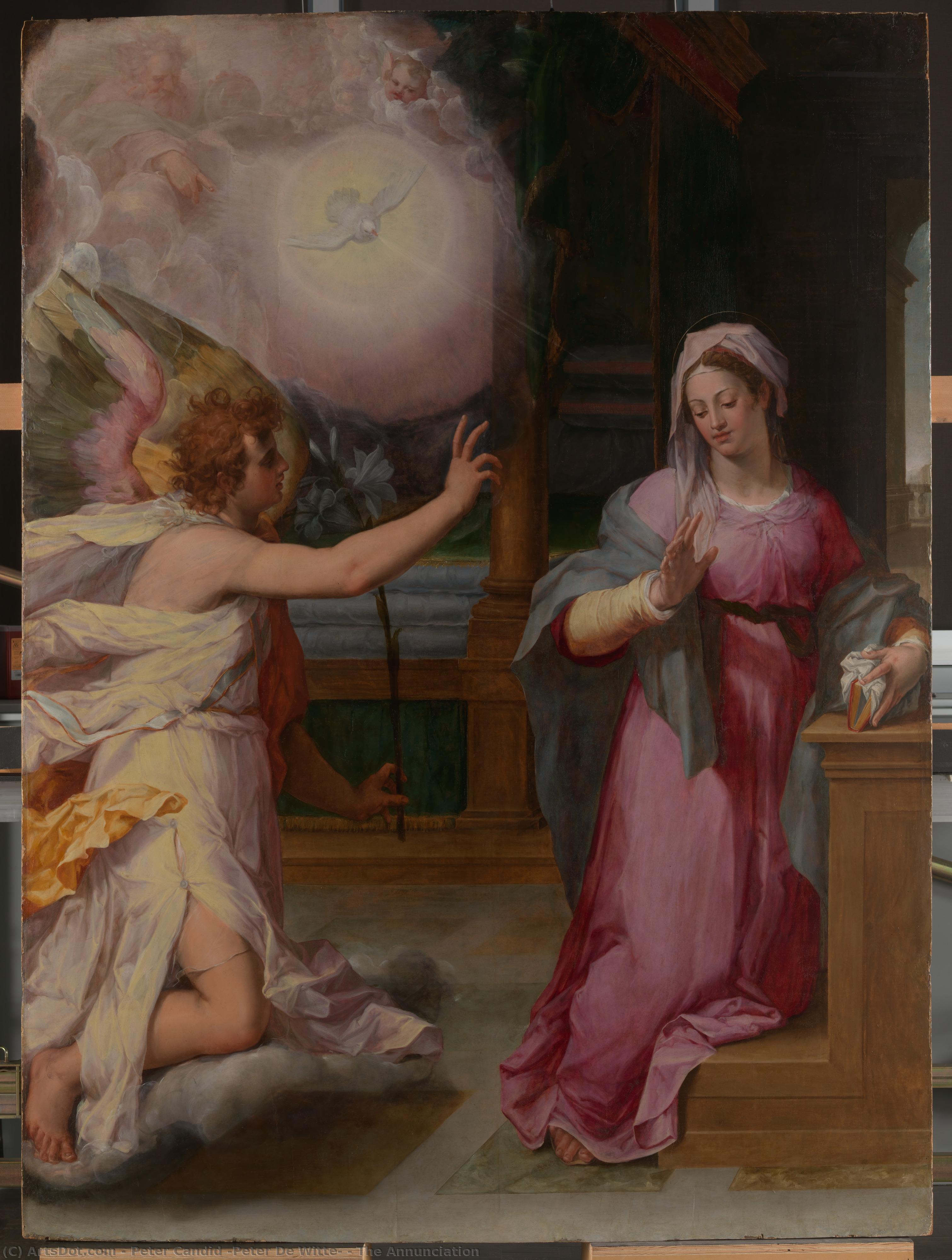
The Annunciation
 Oil On Canvas
- WallArt
- Baroque
 1585
1585 232.0 x 173.0 cm
 Metropolitani Kunstimuuseum
 Loe lähemalt
Giclée / Kunstiprint
Muuseumikvaliteediga giclée- või kangasprint kiire tootmisega ja paindlikud viimistlusvõimalused. ( Lülita käsitsi maalatud版本le Vaata pilti)




P118B $10

P118H $10

P118W $10

P438Z $10

P508JH $12

P508YH $12

P805H $10

P805Z $10

P919BZ $10

P919G $10

P919XJ $10

P959ZH $10

P968JZ $12

W106C $8

W218G $10

W218JH $8

W218Y $10

W307PJ $10

W316G $10

W316PJ $8

W316Y $10

W398PJ $8

W4111J $10

W500HY $15

W500JH $15

W692G $12

W849H $8

W940BG $15

W953PJ $8




Vali meie eelmääratud suurused, mis vastavad teose algupärastele proportsioonidele.

Saate sisestada oma mõõdud, et need sobiks konkreetse raami või ruumi sisse. Kui valitud suurus ei vasta originaalteose proportsioonidele, lõigame teose ära või laiendame pilti peegeldatud või ühtlase servaga. Enne tootmisprotsessi algust saadetakse Teie kinnitamiseks digitaalne näidis.
Palun märka, et ekraanil kuvatav eelvaade ei kajasta tegelikku lõigamist või laiendamist. Ainult näidis kujutab täpselt lõplikku kompositsiooni.
Kuigi erimõõdu on saadaval, soovitame originaaproportsioonide säilitamiseks valida mõõt ette määratud nimekirjast.
Ülemaailmne tarne () 2 nädala jooksul, tavalise 4/5 nädala asemel. (11 august)

Tasuta ekspresssaatmine üle maailma

Kõrgekvaliteediline linakangas

Täielik transpordikindlustus

Tollimaksude tagastamise garantii

Värvitoime täpsuse garantii

60-päevane tagastusõig: ainult tootmisdefektide korral

100% raha tagasi garantii

Hulgusoodustus
 Klaasivalik on saadaval ainult suuruses kuni 110 cm

The Annunciation
Giclée / Kunstiprint
Reproduktsiooni suurus
-


Kogusumma
$ 62
Kogumuse kirjeldus
Sarnased teosed


Kunstniku elulugu
Peter Candid (Peter de Witte): A Flemish Master Bridging Mannerism and Baroque
Peter Candid, known as Peter de Witte in English, was a prolific Flemish painter born in Bruges around 1548 and died in 1628. His artistic journey spanned across Europe, leaving an indelible mark on the visual arts of his time—primarily within the realms of Mannerism and Baroque painting styles. Candid’s distinctive approach combined meticulous detail with expressive dynamism, reflecting the intellectual currents of the Renaissance and its subsequent transformations.- Early Life & Training: Born into a wealthy Bruges family, Candid received an exceptional artistic education under Jan Messerschmidt, a leading Mannerist painter who instilled in him a profound understanding of classical ideals and compositional principles. This formative influence would permeate his entire oeuvre.
- Brussels Period (1576-1608): Candid established himself as a successful artist in Brussels during the Habsburg reign, attracting commissions from prominent patrons—including Maximilian I Holy Roman Emperor—and collaborating with fellow Mannerist masters like Anthony van Dyck and Rubens. His paintings showcased an impressive command of color and texture, capturing both grandeur and psychological depth.
- Roman Influence & Artistic Evolution: Candid undertook a pilgrimage to Rome in 1598, immersing himself in the artistic fervor of the Baroque era. This experience broadened his stylistic horizons, introducing him to new techniques and compositional strategies—particularly evident in his later works. He embraced dramatic lighting and theatrical staging, aligning with the prevailing aesthetic sensibilities of the period.
- Notable Works & Patronage: Candid’s output encompassed a diverse range of subjects—religious iconography, portraits, mythological scenes—demonstrating versatility and artistic ambition. His paintings graced churches and aristocratic residences throughout Europe, securing his reputation as one of the most respected artists of his generation. Among his celebrated masterpieces are “The Annunciation,” “St Margaret of Antioch,” and “Allegory of Vanity.”
- Legacy & Historical Significance: Candid’s contribution to Flemish art is undeniable. He stands as a pivotal figure in bridging the gap between Mannerism's intellectual rigor and Baroque's emotional intensity—a testament to his artistic genius and enduring influence on subsequent generations of painters. His meticulous attention to detail and expressive dynamism continue to inspire admiration and scholarly study today.
Style & Technique: A Synthesis of Classical Idealism and Baroque Drama
Candid’s artistic style was characterized by a masterful blend of Mannerist precision and Baroque theatricality. He adhered to classical proportions and idealized forms—inherited from Messerschmidt—yet infused his compositions with dramatic lighting, swirling draperies, and emotionally charged gestures. Candid skillfully employed sfumato—a technique pioneered by Leonardo da Vinci—to create subtle gradations of tone and color, enhancing the illusionistic depth of his paintings. Furthermore, he utilized chiaroscuro—the interplay between light and shadow—to sculpt figures and convey psychological states with remarkable effectiveness.- Color Palette: Candid favored vibrant hues—particularly reds, blues, and golds—reflecting the opulent tastes of his aristocratic patrons and aligning with Baroque’s expressive chromaticism.
- Compositional Devices: He employed asymmetrical arrangements and dynamic diagonals to generate visual tension and captivate the viewer's gaze—a hallmark of Mannerist aesthetics adapted for Baroque grandeur.
- Brushwork & Texture: Candid’s brushstrokes were deliberate and controlled, conveying both smoothness and textural richness—essential elements in achieving a convincing illusionistic surface.
Influences & Artistic Connections
Candid's artistic development was profoundly shaped by the intellectual environment of Bruges and Brussels during his formative years. The humanist ideals championed by Erasmus of Rotterdam instilled in him a belief in reason and observation—influencing his meticulous rendering of anatomical detail and classical references. He closely followed the stylistic innovations of Mannerist masters like Parmigianino and Bronzino, absorbing their techniques and compositional strategies. Simultaneously, Candid engaged with the burgeoning Baroque movement in Rome, recognizing its expressive potential and embracing new artistic conventions. His collaborations with Rubens and Van Dyck fostered a vibrant artistic dialogue—enriching his oeuvre and cementing his place within the Flemish Renaissance canon.
peter candid (peter de witte)
1548 - 1628 , Belgium
Lühikesed faktid
- Artistic Movement Or Style: Mannerism & Baroque
- Date Of Birth: 1548
- Full Name: Peter Candid (Peter de Witte)
- Nationality: Flemish
- Notable Artworks:
- The Annunciation
- St Margaret of Antioch
- Allegory of Vanity
- Place Of Birth: Bruges, Belgium
Seotud artiklid

Dante Gabriel Rossetti 25 parimat teost: kunstiline pärand ja kodukaunistuse inspiratsioon
Avastage Dante Gabriel Rossetti 25 parimat teost! Sukeldume viktoriaanliku romantika ja Pre-Raphaelite kunstiliikumise maailma. Leidke inspiratsiooni kodukaunistuseks ning ostke kvaliteetseid Rossetti reproduktsioone ArtsDot.com-is. Avastage kogu kollektsioon online!

Celestial Messengers: A Comprehensive Exploration of Angelic Representation in Art History
Explore the captivating history of angels in art! Discover symbolism, iconic Renaissance masterpieces & renowned artists. Expert insights for art lovers & collectors at ArtsDot.

Celestial Messengers: Angels in Painting – A Historical & Artistic Exploration
Explore the captivating history of angels in painting! Discover symbolism, iconic Renaissance & Byzantine masterpieces, and renowned artists. Expert insights for art lovers & collectors at ArtsDot.

The Dramatic Flourish: Exploring the Baroque Movement's Enduring Legacy in Art History
Explore the dramatic world of Baroque art! Discover iconic artists like Caravaggio & Rubens, defining techniques, and its lasting impact on art history. Expert insights for collectors & enthusiasts at ArtsDot.
Sacred Narratives Embodied: A Comprehensive Exploration of Religious Iconography in Art History
Explore the rich history of religious iconography in art! Discover symbolism, movements & masterpieces from Byzantine to Renaissance periods. Expert insights for collectors and enthusiasts at ArtsDot.

