


 Vista previa
 Compartir
 Compartir
 Ver detalles
 Guía
Guía

 Descargar
 Ver artículos similares
 Radiografía
 Presentación de diapositivas
 Estadísticas
Grand Canyon


 Leer más
Reproducción al óleo hecha a mano
Óleo sobre lienzo pintado a mano en el tamaño y marco de su elección, realizado por encargo por nuestros artistas. ( Cambiar a formato impreso Ver versión en imagen digital)




P118B $10

P118H $10

P118W $10

P438Z $10

P508JH $12

P508YH $12

P805H $10

P805Z $10

P919BZ $10

P919G $10

P919XJ $10

P959ZH $10

P968JZ $12

W106C $8

W218G $10

W218JH $8

W218Y $10

W307PJ $10

W316G $10

W316PJ $8

W316Y $10

W398PJ $8

W4111J $10

W500HY $15

W500JH $15

W692G $12

W849H $8

W940BG $15

W953PJ $8




Elija entre nuestros tamaños predefinidos que respetan las proporciones originales de la obra.

Puede ingresar sus propias dimensiones para adaptarse a un marco o espacio específico. Si el tamaño seleccionado no coincide con las proporciones de la imagen original, recortaremos la obra o extenderemos la pintura con elementos adicionales pintados a mano. Se le enviará una maqueta digital para su aprobación antes de comenzar la producción.
Tenga en cuenta que la vista previa en pantalla no refleja el recorte o la extensión reales. Solo la maqueta mostrará con precisión la composición final.
Si bien existen tamaños personalizados, recomendamos seleccionar una dimensión de la lista predefinida para preservar las proporciones originales.
Tras realizar el pedido, el equipo de ArtsDot.com enviará un correo electrónico al cliente para solicitar instrucciones y proporcionarle una vista previa del boceto.
Envío a todo el mundo () en 3-4 semanas en lugar de las 5 semanas estándar. (21 septiembre). Sin comprometer la calidad.

Envío exprés gratuito a todo el mundo

Lienzo de lino de alta calidad

Seguro de envío completo

Garantía de reembolso de impuestos aduaneros

Garantía de fidelidad cromática exacta

Política de devolución de 100 días (solo por defectos)

Garantía de devolución del 100% del dinero

Oferta por volumen
 La opción de vidrio solo está disponible en tamaños inferiores a 110 cm.

Grand Canyon
Técnica de reproducción
Tamaño de la reproducción
-


Precio total
$ 263
A Symphony in Stone and Sky
To gaze upon Thomas Moran’s 1912 masterpiece, Grand Canyon, is to step into the very heart of the American Romantic spirit. This is not merely a geological record of one of Earth's most profound chasms; it is an evocative embodiment of the sublime, designed to stir the deepest recesses of the human soul. As a prominent figure of the Hudson River School, Moran possessed a rare ability to translate the untamed wilderness into a visual language of awe and reverence. In this oil on canvas, the artist transcends simple representation, striving instead to capture the ephemeral essence of light, atmosphere, and the overwhelming majesty of the American West.
The painting serves as a breathtaking window into a landscape where the earth meets the heavens in a dramatic embrace. Through a masterful use of diagonal perspective, Moran draws the viewer’s eye upward, navigating through textured foreground rocks and lush foliage toward the dizzying heights of the canyon walls. This compositional choice is deeply intentional, reinforcing a sense of human insignificance when confronted with such monumental natural power. The interplay of light and shadow creates a palpable sense of depth, as if one could reach out and feel the cooling mist rising from the depths or the warmth of the sun breaking through a turbulent sky.
The Mastery of Light and Color
Moran’s technical prowess is most evident in his exquisite handling of color and light, a hallmark of his reputation as an unparalleled colorist. He employs a sophisticated technique of layering thin glazes of oil paint, a method that allows light to penetrate the surface and glow from within, creating a luminous, ethereal effect. The palette is a study in contrasts: warm, radiant yellows and fiery oranges illuminate the canyon's edges where sunlight pierces the clouds, while cooler blues, deep grays, and muted violets dominate the distant, receding peaks. This atmospheric perspective does more than create distance; it evokes the very breath of the continent.
The brushwork further enhances this sensory experience. While the foreground features textured, vigorous strokes that ground the viewer in the rugged reality of the terrain, the background transitions into smoother, softer applications that suggest the hazy, moisture-laden air of a storm passing over the mountains. This meticulous attention to detail—from the jagged edges of ancient stone to the soft, billowing clouds—ensures that the painting remains a visceral experience, inviting the observer to participate in the drama of the landscape.
A Timeless Legacy for the Discerning Collector
For the art lover, the collector, or the interior designer, a high-quality reproduction of this work offers more than mere decoration; it provides an emotional anchor for a space. The Grand Canyon by Thomas Moran carries with it a sense of historical grandeur and a profound connection to the American identity. Its scale and dramatic movement make it a commanding centerpiece, capable of transforming a room into a sanctuary of contemplation and wonder.
Whether placed in a sophisticated gallery setting or integrated into a curated residential interior, this painting brings the spirit of exploration and the beauty of the untamed world into the home. It remains a testament to a period when art sought to bridge the gap between the seen and the felt, making it an enduring choice for those who seek to surround themselves with works that possess both historical significance and an everlasting emotional resonance.
Obras relacionadas


Biografía del artista
**Primeros años y carrera**
Thomas Moran, un renombrado pintor y grabador estadounidense, nació el 12 de febrero de 1837 en Bolton, Inglaterra. Su familia se mudó más tarde a los Estados Unidos, estableciéndose en Nueva York, donde Moran eventualmente encontró su voz artística. Siendo hermano menor del artista marino Edward Moran, Thomas compartió un estudio con él, marcando el comienzo de su viaje artístico.**Estilo artístico e influencias**
El trabajo de Moran estuvo fuertemente influenciado por el artista británico J. M. W. Turner, cuyo uso del color y la elección de paisajes inspiraron a Moran a explorar temas similares en su propio trabajo. Esto es evidente en sus pinturas, que a menudo presentaban las montañas rocosas y el oeste americano. Su estilo, caracterizado por meticulosos detalles y una mezcla de realismo y romanticismo, le valió un lugar destacado dentro del movimiento Hudson River School.**Obras notables y logros**
- El Gran Cañón del Yellowstone (1872): Esta monumental pintura fue comprada por el gobierno por $10,000, marcando el primer reconocimiento significativo de Moran como artista.
- Parque Nacional Yellowstone: Los bocetos y pinturas de Moran jugaron un papel crucial en el establecimiento de Yellowstone como el primer parque nacional en 1872.
**Legado e impacto**
Las contribuciones de Moran a la pintura del paisaje americano son innegables. Su trabajo no solo reflejó la belleza del oeste americano, sino que también inspiró a una nueva generación de artistas. Hoy en día, sus pinturas se pueden encontrar en varios museos, incluido el Smithsonian American Art Museum, un testimonio de su legado duradero.- Ver las obras de arte de Thomas Moran en ArtsDot.com
- Más sobre Thomas Moran en Wikipedia
- Explore el movimiento artístico del Hudson River School en ArtsDot.com
Fechas clave:
- 12 de febrero de 1837: Nació en Bolton, Inglaterra
- 25 de agosto de 1926: Falleció en Santa Bárbara, California

Thomas Moran
1837 - 1926 , Reino Unido
Datos clave
- Artistas Que Influyeron: ['J.M.W. Turner']
- Fecha De Fallecimiento: 25 de agosto de 1926
- Fecha De Nacimiento: 12 de febrero de 1837
- Influenciado A Artistas: ['Nueva generación de artistas']
- Lugar De Nacimiento: Bolton, Reino Unido
- Movimiento Artístico: Escuela del Río Hudson
- Nacionalidad: Británico-estadounidense
- Nombre Completo: Thomas Moran
- Obras Notables:
- Gran Cañón del Yellowstone
- Parque Nacional Yellowstone
Artículos relacionados
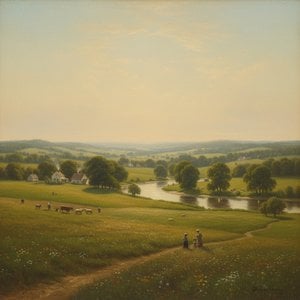
Thomas Worthington Whittredge: Capturing the American Pastoral Ideal with Luminist Light
Explore the luminous landscapes of Thomas Worthington Whittredge, a key figure in the Hudson River School and master of Luminism. Discover his captivating paintings & legacy with ArtsDot.

Thomas Hill: Luminosity, Landscape & the American Pastoral Ideal
Explore the luminous landscapes of Thomas Hill, a pivotal figure in the Hudson River School & Luminism movements. Discover his artistic journey, philosophical depth, and enduring legacy with ArtsDot.

El Sublime Paisaje Americano: Explorando el Movimiento de la Escuela del Río Hudson
Descubre la Escuela del Río Hudson: un movimiento artístico clave en la historia de la pintura estadounidense. Explora su estética romántica, sus artistas más destacados y el concepto del sublime paisaje americano.

Robert Spencer: Luminism, Narrative & the American Landscape Tradition
Explore the captivating world of Luminism & the Hudson River School with our expert analysis. Discover the history, artists, and enduring beauty of 19th-century American landscape painting. Find museum-quality reproductions at ArtsDot.

Los 10 Maestros del Río Hudson: Obras que Definieron un Movimiento Artístico
Descubre los 10 lienzos más emblemáticos de la Escuela del Río Hudson. Explora las obras maestras de Thomas Cole, Church y Bierstadt que capturan la belleza del paisaje americano. Encuentra reproducciones de arte exclusivas en ArtsDot.com.


