Vista previa
 Compartir
 Compartir
 Ver detalles
 Guía
Guía

 Descargar
 Ver artículos similares
 Radiografía
 Presentación de diapositivas
 Estadísticas
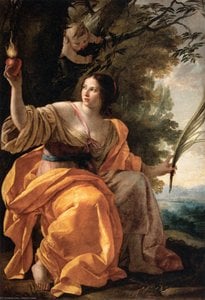
Prince Marcantonio Doria
 Oil On Canvas
- WallArt
- Baroque
 1621
1621- Early Modern
 129.0 x 95.0 cm
 Museo del Louvre
 Leer más
Giclée / Impresión de arte
Impresiones giclée o en lienzo de calidad de museo con producción rápida y opciones de acabado flexibles. ( Encargar reproducción pintada a mano Ver versión en imagen digital)




P118B $10

P118H $10

P118W $10

P438Z $10

P508JH $12

P508YH $12

P805H $10

P805Z $10

P919BZ $10

P919G $10

P919XJ $10

P959ZH $10

P968JZ $12

W106C $8

W218G $10

W218JH $8

W218Y $10

W307PJ $10

W316G $10

W316PJ $8

W316Y $10

W398PJ $8

W4111J $10

W500HY $15

W500JH $15

W692G $12

W849H $8

W940BG $15

W953PJ $8




Elija entre nuestros tamaños predefinidos que respetan las proporciones originales de la obra.

Puede introducir sus propias dimensiones para adaptarse a un marco o espacio específico. Si el tamaño seleccionado no coincide con las proporciones de la imagen original, recortaremos la obra de arte o extenderemos la imagen con un borde con efecto espejo o de color sólido. Se enviará una maqueta digital para su aprobación antes de que comience la producción.
Tenga en cuenta que la vista previa en pantalla no refleja el recorte o la extensión real. Solo la maqueta mostrará con precisión la composición final.
Aunque existen tamaños personalizados, recomendamos seleccionar una dimensión de la lista predefinida para preservar las proporciones originales.
Envío a todo el mundo () en 2 semanas en lugar de las 4/5 semanas estándar. (26 septiembre)

Envío exprés gratuito a todo el mundo

Lienzo de lino de alta calidad

Seguro de envío completo

Garantía de reembolso de impuestos aduaneros

Garantía de fidelidad cromática exacta

Política de devolución de 100 días (solo por defectos)

Garantía de devolución del 100% del dinero

Oferta por volumen
 La opción de vidrio solo está disponible en tamaños inferiores a 110 cm.

Prince Marcantonio Doria
Giclée / Impresión de arte
Tamaño de la reproducción
-


Precio total
$ 62
A Gaze Across Centuries: The Majesty of Prince Marcantonio Doria
In the hallowed halls of the Musée du Louvre, there exists a window into the soul of the seventeenth century, captured through the masterful brushstrokes of Simon Vouet. His portrait of Prince Marcantonom Doria is far more than a mere likeness; it is a profound encounter with the weight of nobility and the dramatic intensity of the Baroque era. As one stands before this canvas, the Prince’s steady, piercing gaze seems to bridge the vast chasm of time, demanding an immediate and visceral connection from the viewer. Vouet, a pioneer who bridged the gap between Italian dynamism and French elegance, imbues this work with a psychological depth that transcends the formal requirements of aristocratic portraiture.
The composition is a masterclass in the use of chiaroscuro, the dramatic interplay of light and shadow that defines the Baroque spirit. The background remains shrouded in an enigmatic darkness, a void that serves to push the subject forward, making his presence feel almost sculptural. From the left, a soft yet decisive light washes over the Prince’s features, illuminating the intricate textures of his attire and the subtle contours of his face. This lighting does not merely reveal; it sculpts, creating a sense of three-dimensionality that breathes life into the dark pigments. The slight furrow in his brow and the meticulous rendering of his curly hair suggest a man of deep thought and formidable character, caught in a moment of quiet, commanding stillness.
Symbolism and the Language of Status
Every element within this portrait serves as a silent herald of the subject's station and the cultural values of 1621. The Prince is adorned in the height of contemporary fashion, most notably the crisp, white ruff collar. This intricate piece of linen, with its rhythmic folds and delicate texture, acts as a luminous frame for his face, drawing the eye toward his expression. Beneath this, the dark, high-collared shirt provides a stark, somber contrast that emphasizes the brilliance of the white lace, signaling both wealth and the disciplined restraint expected of his rank.
Adding a layer of spiritual and social significance is the cross pendant suspended from a fine chain around his neck. This subtle detail serves as a poignant reminder of the era's deep religious devotion, suggesting that the Prince’s worldly power was inextricably linked to his faith. The grooming of his full beard and mustache—neat, dark, and precisely maintained—further reinforces an image of masculine authority and social refinement. For the collector or interior designer, such details offer a rich tapestry of meaning, making this piece an ideal centerpiece for spaces that celebrate heritage, history, and the enduring elegance of classical European tradition.
An Enduring Legacy for the Discerning Collector
To possess a reproduction of Simon Vouet’s work is to invite the grandeur of the French Baroque into one's personal sanctuary. This painting is not merely an object of decoration; it is an atmospheric force. Its ability to command attention through subtle nuance rather than overwhelming color makes it a versatile choice for sophisticated interiors, ranging from traditional libraries to modern, minimalist galleries where a single, powerful focal point is desired. The emotional impact of the Prince’s serious, unwavering expression provides a sense of stability and timelessness.
As an art historian would observe, Vouet’s ability to balance the theatricality of his Italian training with a refined French sensibility makes this portrait a cornerstone of seventeenth-century achievement. For those seeking to surround themselves with works that evoke intellect, prestige, and a profound sense of history, the portrait of Prince Marcantonio Doria stands as an incomparable inspiration. It remains a testament to a period when art was used not just to decorate, but to immortalize the very essence of human dignity.
Obras relacionadas


Biografía del artista
Simón Vouet: Pionero de la Pintura Barroca Francesa
- Nacido: 9 de enero de 1590, París, Francia
- Fallecido: 30 de junio de 1649, París, Francia
Simón Vouet fue una figura clave en la transición de la pintura francesa del manierismo al estilo barroco. Nacido en una familia artística – su padre Laurent era pintor y su hermano Aubin también se dedicó al arte – Vouet recibió una formación temprana que sentó las bases para su futuro éxito. Su nieto, Ludovico Dorigny, continuaría el legado artístico de la familia.
Primeros Años e Influencias Italianas (1608-1627)
- Primeros Retratos: Vouet comenzó su carrera como retratista, demostrando un talento temprano.
- Viaje a Inglaterra (1608): Con tan solo 14 años, viajó a Inglaterra para pintar un retrato por encargo, mostrando su creciente reputación.
- Imperio Otomano y Venecia: En 1611, Vouet se unió a la comitiva del Barón de Sancy, embajador francés en el Imperio Otomano, nuevamente para trabajos de retratismo. Este viaje lo llevó por Constantinopla y luego a Venecia en 1612.
- Roma (1614-1627): Su tiempo en Roma resultó transformador. Permaneció allí durante trece años, sumergiéndose en la vibrante escena artística del floreciente período barroco.
Durante su estancia italiana, Vouet absorbió una diversa gama de influencias. Estudió las técnicas de iluminación dramática pioneras por Caravaggio, abrazó elementos del manierismo italiano y analizó meticulosamente las paletas de colores y el di sotto in su (perspectiva acortada) empleadas por Paolo Veronese. También se inspiró en las obras de Carracci, Guercino, Lanfranco y Guido Reni, sintetizando estos diversos estilos en una visión artística única.
Desarrollo del Estilo Distintivo de Vouet
- Elección a la Accademia di San Luca (1624): Su éxito en Roma culminó con su elección como presidente de la prestigiosa Accademia di San Luca, un testimonio de su habilidad y reconocimiento dentro del mundo artístico italiano.
- Síntesis de Influencias: El estilo de Vouet se caracterizó por su capacidad para absorber y destilar diversas influencias artísticas. No simplemente copiaba; integró estos elementos en una estética barroca distintivamente italianizante y cohesiva.
- Introducción del Barroco a Francia: Tras su regreso a Francia en 1627, Vouet jugó un papel crucial en la introducción del estilo barroco italiano a la pintura francesa, impactando significativamente el panorama artístico del país.
Logros Principales y Legado
- Premier Peintre du Roi: Vouet fue nombrado Premier peintre du Roi (Primer Pintor del Rey), un puesto de considerable prestigio e influencia.
- Taller Prolífico: Mantuvo un taller grande y activo, formando a numerosos artistas que moldearían la generación francesa de pintores posterior.
- Alumnos Destacados: Entre sus alumnos más influyentes se encontraban Charles Le Brun (quien luego organizó toda la pintura decorativa en Versalles), Valentin de Boulogne, Charles Alphonse du Fresnoy, Pierre Mignard, Eustache Le Sueur y Claude Mellan.
- Influencia en el Arte Francés: El impacto de Vouet se extendió más allá de sus propias obras; sus alumnos llevaron su estilo y técnicas por toda Francia, estableciendo una escuela distintivamente barroca de pintura. Su influencia es particularmente evidente en los grandes esquemas decorativos encargados por Luis XIV.
Significado Histórico
El legado de Simón Vouet reside en su papel fundamental como puente entre el arte italiano y francés. Importó con éxito el dinamismo y la grandeza del barroco italiano, transformándolo en un estilo que resonaba con los gustos de la corte y la aristocracia francesas. Su influencia es innegable en el desarrollo de la pintura francesa durante el siglo XVII, y sus contribuciones continúan siendo reconocidas por los historiadores del arte en la actualidad.

Simón Vouet
1590 - 1649 , Francia
Datos clave
- Artistas Influenciados:
- Charles Le Brun
- Valentin de Boulogne
- Eustache Le Sueur
- Artistas Que Influyeron:
- Caravaggio
- Paolo Veronese
- Carracci
- Guercino
- Lanfranco
- Guido Reni
- Fecha De Fallecimiento: 30 de junio de 1649
- Fecha De Nacimiento: 9 de enero de 1590
- Lugar De Nacimiento: París, Francia
- Movimiento Artístico: Barroco francés
- Nacionalidad: Francés
- Nombre Completo: Simón Vouet
- Obras Notables:
- Gaucher de Châtillon
- La Riqueza
- Venus y Adonis
- Apoteosis de San Luis
- Presentación en el templo
Artículos relacionados

Drama Barroca: Llevando la Grandeza y la Emoción a los Interiores Contemporáneos
Descubre cómo el drama y la grandeza del arte barroco pueden transformar tus interiores. Guía experta, inspiración y reproducciones de alta calidad en .

Blanco Sublime: Los 10 Cuadros Más Famosos Dominados por la Luz y el Color
Descubre los 10 cuadros blancos más emblemáticos de la historia del arte. Explora Monet, Van Gogh y Klimt, y su magistral uso de la luz y el color. Encuentra reproducciones de alta calidad e inspírate para tu decoración en .

The Visceral Stage: Exploring Dramatic Narratives & Emotional Intensity in Baroque Art
Explore the dramatic world of Baroque art! Discover iconic masters like Caravaggio & Rembrandt, their techniques, and the movement's lasting impact. Expert insights for collectors & enthusiasts at ArtsDot.

The Dramatic Flourish: Exploring the Baroque Movement's Enduring Legacy in Art History
Explore the dramatic world of Baroque art! Discover iconic artists like Caravaggio & Rubens, defining techniques, and its lasting impact on art history. Expert insights for collectors & enthusiasts at ArtsDot.

Simon Vouet: A Baroque Master's Journey from Italian Influence to French Classicism
Explore the life & art of Simon Vouet, a pivotal French Baroque painter who introduced Italian styles to France. Discover his masterpieces and lasting influence on 17th-century art.