- Inicio

- Impresión en lienzo
- Roy Lichtenstein
- Art Critic

 Encargar reproducción Comprar imagen en alta resolución
 Enviar
 Compartir
 Details
 Añadir a favoritos

 Descargar
 Similares
 X-Ray
X-Ray
 Presentación de diapositivas
Art Critic


 Ver más
Giclée / Impresión de arte
Impresión giclée o en lienzo de calidad de museo con producción rápida y opciones de acabado flexibles.
 Leer más información



P118B $10

P118H $10

P118W $10

P438Z $10

P508JH $12

P508YH $12

P805H $10

P805Z $10

P919BZ $10

P919G $10

P919XJ $10

P959ZH $10

P968JZ $12

W106C $8

W218G $10

W218JH $8

W218Y $10

W307PJ $10

W316G $10

W316PJ $8

W316Y $10

W398PJ $8

W4111J $10

W500HY $15

W500JH $15

W692G $12

W849H $8

W940BG $15

W953PJ $8




Elija entre nuestros tamaños predefinidos que respetan las proporciones originales de la obra.

Puede introducir sus propias dimensiones para adaptarse a un marco o espacio específico. Si el tamaño seleccionado no coincide con las proporciones de la imagen original, recortaremos la obra de arte o extenderemos la imagen con un borde con efecto espejo o de color sólido. Se enviará una maqueta digital para su aprobación antes de que comience la producción.
Tenga en cuenta que la vista previa en pantalla no refleja el recorte o la extensión real. Solo la maqueta mostrará con precisión la composición final.
Aunque existen tamaños personalizados, recomendamos seleccionar una dimensión de la lista predefinida para preservar las proporciones originales.
Entrega mundial () en 2 semanas en lugar de las 4/5 semanas estándar. (1 julio)

Envío exprés gratuito a todo el mundo

Lienzo de lino de alta calidad

Seguro de envío total

Garantía de reembolso de impuestos aduaneros

Garantía de fidelidad de color

Política de devolución de 60 días (solo por defectos)

Garantía de devolución del 100% del dinero

Descuento por pedido múltiple
 La opción de vidrio solo está disponible en tamaños inferiores a 110 cm.

Art Critic
Giclée / Impresión de arte
Tamaño de la reproducción
-


Precio total final
-
Descripción de la obra
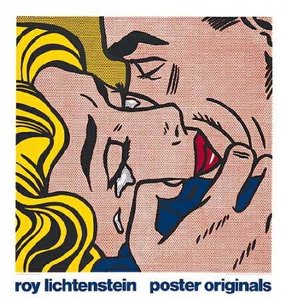
The Stark Beauty of Pop: Roy Lichtenstein’s “Art Critic”
Roy Lichtenstein's "Art Critic," painted in 1996, isn’t merely a portrait; it’s an arresting collision of styles and ideas – a deliberate provocation that encapsulates the core tenets of Pop Art. The image immediately grabs attention with its bold simplicity: a woman’s face, rendered in stark black outlines against a vibrant, almost aggressively cheerful background of meticulously placed dots. Her blue eyes meet the viewer's gaze directly, creating an unnerving intimacy and demanding engagement. This isn’t a delicate, romanticized depiction; it’s a confrontational image that forces us to consider our own role as observers within the art world itself. The composition is strikingly reminiscent of comic book panels – a deliberate nod to Lichtenstein’s primary inspiration – yet elevated through his masterful control of color and form. The red lips, a small but potent detail, hint at both allure and critique, suggesting a playful awareness of the power dynamics inherent in the act of judging art.Echoes of the Comic Book: Style and Technique
Lichtenstein’s signature style is instantly recognizable, and “Art Critic” exemplifies it perfectly. He employed a technique he termed ‘Ben-Day dots,’ meticulously applying small, colored dots to create the illusion of shading and texture – a direct adaptation from the printing methods used in commercial comics. This process lends the painting a slightly mechanical quality, mirroring the mass production and consumer culture that Pop Art sought to challenge. The sharp, clean lines defining the face and features are another key element, echoing the graphic clarity of comic book illustrations. Unlike traditional portraiture which often strives for realism, Lichtenstein deliberately flattened perspective and simplified forms, prioritizing visual impact over meticulous detail. This simplification wasn’t a rejection of skill; rather, it was a strategic choice to distill the essence of his subject and convey its meaning with maximum efficiency – a characteristic deeply rooted in the advertising world, another significant influence on his work. The background's dense field of dots isn't just decorative; it creates a sense of overwhelming visual information, mirroring the bombardment of images we experience daily.A Commentary on Art and Spectatorship
“Art Critic” operates as a potent commentary on the role of the art critic – and indeed, the viewer – within the art world. The woman’s direct gaze compels us to question our own judgments and biases. Is she offering an opinion? Is she challenging our perceptions? The painting subtly suggests that the act of criticism itself is often subjective and potentially reductive. Lichtenstein wasn't simply depicting a face; he was presenting a scenario, inviting us to become participants in a silent dialogue about art’s value and its reception. The style deliberately avoids sentimentality or emotional depth, reinforcing this critical stance. The work can be interpreted as a reflection on the commodification of art – transforming a human subject into an object of observation and evaluation, much like a piece of artwork itself.Historical Context: Pop Art’s Rebellion
To fully appreciate “Art Critic,” it's crucial to understand its place within the broader context of Pop Art in the 1960s. Emerging as a reaction against Abstract Expressionism’s perceived elitism, Pop Art embraced imagery from popular culture – advertising, comic books, mass-produced goods – elevating these everyday subjects to the level of fine art. Artists like Lichtenstein sought to dismantle traditional notions of artistic value by blurring the boundaries between high and low culture. Roy Lichtenstein's work was a direct challenge to the established art world, questioning its conventions and inviting viewers to reconsider their relationship with images and consumerism. His use of readily available materials – Ben-Day dots, bold outlines – further emphasized this democratization of artistic expression. The painting’s creation coincided with a period of significant social and cultural change in America, reflecting anxieties about mass media, consumerism, and the shifting role of the individual within society.Collecting and Displaying: A Vibrant Addition to Your Space
ArtsDot offers meticulously crafted hand-painted reproductions of Roy Lichtenstein's “Art Critic,” allowing you to bring this iconic work into your home or office. Our reproductions faithfully capture the painting’s vibrant colors, sharp lines, and distinctive Ben-Day dot technique, ensuring an authentic representation of Lichtenstein’s artistic vision. Consider framing "Art Critic" in a bold, minimalist setting to further emphasize its graphic qualities – perhaps with clean white walls and simple black frames. The piece's dynamic composition would also work well within a contemporary interior design scheme, adding a touch of playful intellectualism and referencing the enduring legacy of Pop Art.- Size Options: Available in a range of sizes to suit your space.
- Material: Printed on high-quality archival canvas for lasting beauty.
- Hand-Painted Reproduction: Each reproduction is meticulously hand-painted by skilled artists, ensuring unparalleled detail and accuracy.
Obras similares


Biografía del artista
vida temprana y educación
Roy Fox Lichtenstein, un destacado artista pop estadounidense, nació el 27 de octubre de 1923 en la ciudad de Nueva York. Creció en una familia judía de clase media alta, con su padre como corredor de bienes raíces y su madre como ama de casa. El interés de Lichtenstein por el arte y el diseño comenzó como un pasatiempo durante sus años escolares.Carrera artística
Después de completar su educación secundaria en la Dwight School en 1940, Lichtenstein asistió a la Art Students League of New York bajo la tutela de Reginald Marsh. Luego continuó con una licenciatura en artes visuales de la Universidad de Ohio, que fue interrumpida por un servicio militar de tres años durante la Segunda Guerra Mundial.- Look Mickey (1961, Galería Nacional de Arte, Washington D.C.), una de las primeras obras pop art de Lichtenstein, marcó el comienzo de su influyente carrera.
- Su trabajo estuvo fuertemente influenciado por los estilos de publicidad y cómics populares, con obras notables como Wham!, Drowning Girl y Oh, Jeff... I love you too... but...
- La obra más cara de Lichtenstein, Masterpiece, se vendió por 165 millones de dólares en enero de 2017.
Enseñanza e influencias
Lichtenstein enseñó en varias instituciones, incluyendo la Universidad Estatal de Nueva York en Oswego y la Universidad Rutgers. Su trabajo fue influenciado por Allan Kaprow, un colega profesor en Rutgers, lo que reavivó su interés en las imágenes proto-pop. Exposiciones notables:- The Museum Chambre de Commerce (Tolosa, Francia), que presentaba varias obras de arte, incluyendo aquellas del movimiento pop art.
- El trabajo de Lichtenstein fue exhibido en la Leo Castelli Gallery en la ciudad de Nueva York, con su primera exposición individual en 1962 siendo comprada por completo por coleccionistas influyentes antes de que abriera.
Legado e impacto
Roy Lichtenstein falleció el 29 de septiembre de 1997, dejando atrás un legado como figura destacada del movimiento pop art. Su obra continúa siendo celebrada por su innovadora mezcla de arte alto y bajo, haciendo que sea accesible a una audiencia más amplia.- Explore más obras de Lichtenstein en ArtsDot.com
- Descubra el mundo del pop art y sus influyentes artistas en Pop Art y más allá: navegando los estilos contemporáneos con ArtsDot.com

Roy Lichtenstein
1923 - 1997 , Estados Unidos de América
Datos clave
- Artistas Que Influyeron:
- Reginald Marsh
- Allan Kaprow
- Fecha De Muerte: 29 de septiembre de 1997
- Fecha De Nacimiento: 27 de octubre de 1923
- Lugar De Nacimiento: Manhattan, EE. UU.
- Movimiento Artístico: Pop Art
- Nacionalidad: Estadounidense
- Nombre Completo: Roy Lichtenstein
- Obras Notables:
- Look Mickey
- Whaam!
- Drowning Girl
- Masterpiece
Artículos relacionados
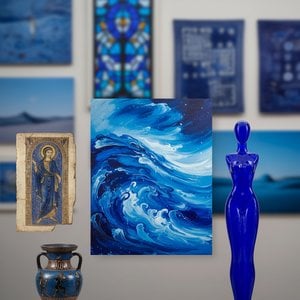
The Allure of Azure: Exploring the Symbolic & Aesthetic Depths of Blue in Art History
Explore the rich history of blue in art! Discover its symbolism, from ancient pigments to modern masterpieces by Kandinsky & Seurat. Uncover the psychological impact and cultural meanings behind this captivating hue.

Elevando los Interiores: Guía para una Curación Sofisticada del Arte Pop y la Expresión Madura de la Afición
Guía experta para integrar el vibrante Arte Pop en tu hogar con sofisticación. Descubre artistas clave, consejos de decoración y cómo invertir inteligentemente en arte. ¡Transforma tus espacios!

Desafiando las Convenciones: Orígenes, Evolución y Legado Duradero del Pop Art
Descubra la fascinante historia del Pop Art: orígenes, artistas clave como Warhol y Lichtenstein, técnicas innovadoras y su impacto duradero en el arte y la cultura. Guía experta para coleccionistas.

De la Pasión del Fandom a la Obra de Arte Única: Una Guía Completa para Encargar Pinturas Personalizadas de Cultura Popular
¿Sueñas con ver tus personajes favoritos plasmados en arte único? Guía completa para encargar pinturas personalizadas de alta calidad a artistas profesionales. ¡Convierte tu pasión en una obra maestra!

Los 10 Maestros del Pop Art: Obras Icónicas para Decorar con Estilo
Descubre los 10 iconos del Pop Art: Warhol, Lichtenstein y más. Explora la historia, técnica y significado de estas obras maestras que revolucionaron el arte moderno. Encuentra reproducciones exclusivas en .