
- Inicio

- Reproducción al óleo
- Man Ray
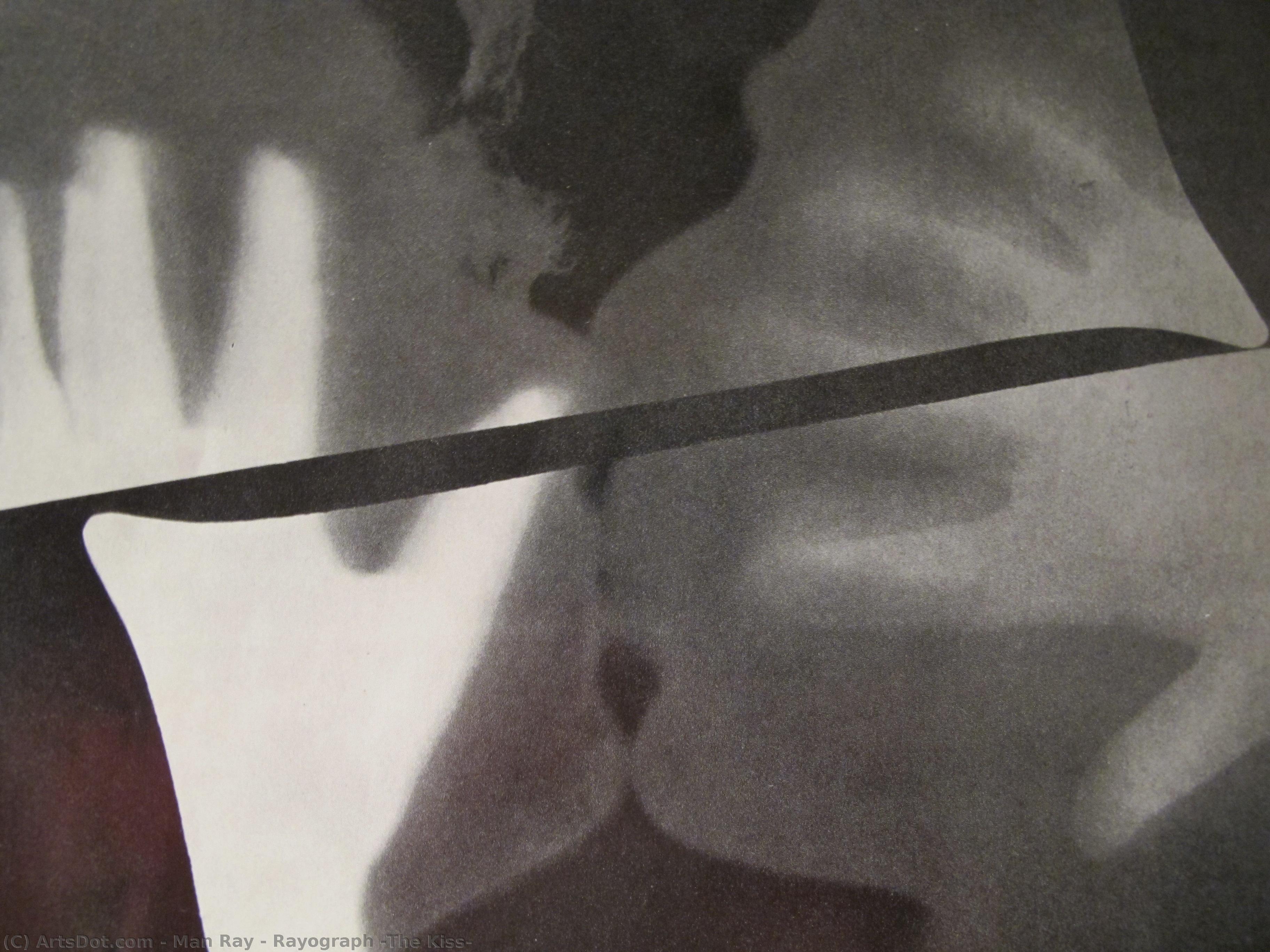
- Rayograph (The Kiss)
 Comprar impresión Comprar imagen en alta resolución
 Enviar
 Compartir
 Details
 Añadir a favoritos

 Descargar
 Similares
 X-Ray
X-Ray
 Presentación de diapositivas
Rayograph (The Kiss)


Reproducción al óleo hecha a mano
Óleo sobre lienzo pintado a mano en el tamaño y marco de su elección, realizado por encargo por nuestros artistas.




































 Leer más información
Elija entre nuestros tamaños predefinidos que respetan las proporciones originales de la obra.

Puede ingresar sus propias dimensiones para adaptarse a un marco o espacio específico. Si el tamaño seleccionado no coincide con las proporciones de la imagen original, recortaremos la obra o extenderemos la pintura con elementos adicionales pintados a mano. Se le enviará una maqueta digital para su aprobación antes de comenzar la producción.
Tenga en cuenta que la vista previa en pantalla no refleja el recorte o la extensión reales. Solo la maqueta mostrará con precisión la composición final.
Si bien existen tamaños personalizados, recomendamos seleccionar una dimensión de la lista predefinida para preservar las proporciones originales.
Tras realizar el pedido, el equipo de ArtsDot.com enviará un correo electrónico al cliente para solicitar instrucciones y proporcionarle una vista previa del boceto.
Entrega mundial () en 3-4 semanas en lugar de las 5 semanas estándar. (1 julio). Sin compromisos con la calidad.

Envío exprés gratuito a todo el mundo

Lienzo de lino de alta calidad

Seguro de envío total

Garantía de reembolso de impuestos aduaneros

Garantía de fidelidad de color

Política de devolución de 60 días (solo por defectos)

Garantía de devolución del 100% del dinero

Descuento por pedido múltiple
 La opción de vidrio solo está disponible en tamaños inferiores a 110 cm.

Rayograph (The Kiss)
Técnica de reproducción
Tamaño de la reproducción
-


Precio total final
-
Descripción de la obra
A Dance Between Light and Shadow: Exploring Man Ray’s “The Kiss”
Man Ray's "The Kiss," created in 1922 during the heady days of Dada and Surrealism, transcends mere photographic representation; it embodies a radical reimagining of artistic process and perception. This striking photogram—a technique pioneered by Ray himself—captures an intimate moment frozen in time, transforming commonplace objects into symbols of desire and connection. Unlike traditional painting, where artists meticulously render form and color, Ray embraced chance and spontaneity, trusting the unpredictable interplay of light and shadow to reveal hidden truths about human experience.- The Technique: Ray’s method was deceptively simple yet profoundly innovative. He placed sheets of photographic paper onto a darkroom tray containing two trays filled with water—one holding a pair of hands, another holding a pair of heads locked in an embrace. Above these objects, he positioned a lamp, casting shadows that imprinted themselves onto the paper surface. This process relied entirely on natural forces, rejecting the artist’s conscious control and yielding to the inherent beauty of accidental composition.
- Dada's Influence: The Dada movement, born in Zurich during World War I, vehemently rejected bourgeois values and embraced absurdity as a weapon against societal norms. Ray’s embrace of photogram aligns perfectly with Dada’s ethos—a deliberate disruption of artistic conventions aimed at challenging viewers’ assumptions about reality. It signaled a rejection of representational art's obsession with illusion and championed instead the exploration of subconscious imagery.
- Symbolism Beyond Form: “The Kiss” isn’t merely a depiction of physical intimacy; it operates on multiple symbolic levels. The hands, positioned close together, represent connection and vulnerability—a yearning for closeness amidst uncertainty. The darkroom trays symbolize the hidden depths of emotion and desire, mirroring the unseen forces that drive human relationships. Ray deliberately avoided portraying recognizable figures or landscapes, prioritizing instead the emotional resonance of the image itself.
- Emotional Impact: Viewing “The Kiss” evokes a sense of quiet contemplation—a fascination with the ephemeral beauty of fleeting moments. The photograph’s monochrome palette enhances its dramatic effect, emphasizing texture and form while stripping away distracting color hues. Like many Surrealist artworks, it invites viewers to delve into their own subconscious fantasies and confront uncomfortable truths about human desire.
Historical Context: Weimar Republic & Artistic Avant-Garde
The creation of “The Kiss” occurred during the Weimar Republic—a period marked by economic instability, political upheaval, and a burgeoning artistic ferment. Artists like Man Ray were actively experimenting with new mediums and techniques, rejecting academic traditions in favor of radical innovation. The influence of Surrealist thinkers such as André Breton was palpable, shaping artists’ preoccupation with dreams, irrationality, and the exploration of psychological landscapes. This era witnessed a fervent debate about the role of art in society—a rejection of decorative conventions and an insistence on confronting viewers with unsettling visions of the human condition.Further Exploration: Man Ray's Legacy
Man Ray’s pioneering use of photogram established him as one of the foremost figures in 20th-century photography, influencing generations of artists who followed. His work continues to inspire contemporary creatives seeking new ways to express emotion and challenge conventional perceptions of reality. Consider examining his other photographic explorations—including portraits of fellow Surrealists like Marcel Duchamp and René Magritte—to gain a deeper understanding of Ray’s artistic vision and enduring contribution to the history of art.Where to Find Reproductions
High-quality reproductions of “The Kiss” are available at ArtsDot.com, offering collectors and interior designers alike access to stunning artwork that captures the essence of Dada and Surrealist aesthetics. Explore our curated collection today!Obras similares




Biografía del artista
A Life Illuminated by Shadows
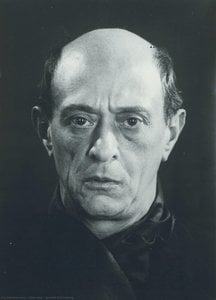
Emmanuel Radnitzky, known to the world as Man Ray, was a restless spirit who defied easy categorization. Born in 1890 in Philadelphia to Russian Jewish immigrant parents, his journey from aspiring painter to pioneering photographer and filmmaker embodies the radical artistic ferment of the early 20th century. The shift from “Manny” Radnitzky to the enigmatic “Man Ray” itself speaks volumes about an artist determined to forge a new identity, one unbound by convention. His family’s move to New York City proved pivotal, exposing him to the burgeoning modernist scene and instilling in him a lifelong fascination with experimentation. Early influences included the European avant-garde showcased at Alfred Stieglitz's 291 gallery, and the raw realism of the Ashcan School – a blend that would subtly inform his later work. Though initially dedicated to painting, it was photography that ultimately became Ray’s most potent medium for exploring the boundaries of perception and reality. He wasn’t merely capturing images; he was inventing new ways of *seeing*.- Early Life & Artistic Beginnings: Man Ray’s formative years were marked by a profound engagement with art from a young age. His family’s relocation to Brooklyn instilled in him an appreciation for diverse artistic traditions, fostering his initial interest in painting and sculpture. He honed his skills at the National Academy of Design, absorbing techniques from established masters while simultaneously cultivating his own distinctive vision.
- The Dada Movement & Marcel Duchamp: Ray’s artistic breakthrough arrived with his encounter with Marcel Duchamp around 1915. This pivotal meeting ignited a shared passion for challenging conventional notions of art, propelling him into the heart of Dada—a defiant reaction to the horrors of World War I. Together they championed radical experimentation and questioned established aesthetic standards.
- Surrealism & Collaboration with Dalí: Ray embraced Surrealism’s exploration of the unconscious mind, forging a fruitful partnership with Salvador Dalí. His surrealist works—characterized by dreamlike imagery and unsettling juxtapositions—became emblems of the movement's aesthetic principles.
- Photography Innovations: Ray revolutionized photographic technique through inventions like rayography and solarization. These methods bypassed traditional optics, prioritizing intuition and capturing ephemeral qualities that defied conventional representation. He skillfully manipulated light and shadow to create evocative images that resonated with psychological depth.
- Film Experiments & Legacy: Beyond still photography, Ray ventured into filmmaking, crafting experimental films that pushed the boundaries of cinematic storytelling. His pioneering work influenced subsequent generations of avant-garde filmmakers and cemented his place as a visionary innovator.

Man Ray
1890 - 1976 , Estados Unidos
Datos clave
- Artistic Movement Or Style: Dada, Surrealism
- Artists Or Movements Influenced By This Artist: ['Surrealism']
- Artists Who Influenced This Artist: ['Marcel Duchamp']
- Date Of Birth: August 27, 1890
- Date Of Death: November 18, 1976
- Full Name: Emmanuel Radnitzky
- Nationality: American
- Notable Artworks:
- Rayographs
- Le Retour à la Raison
- L'Étoile de Mer
- Place Of Birth: Philadelphia, USA
Artículos relacionados

Dadá: La Revolución Antiartística del Siglo XX y su Legado Estético
Descubra el dadaísmo: su origen radical, artistas clave como Arp y Richter, y su impacto en el arte moderno. Análisis experto de este movimiento revolucionario y su legado estético.


De Instantánea a Lienzo: El Arte de Transformar la Fotografía de Viaje en Pinturas al Óleo Atemporales
Transforma tus fotos de viaje en atemporales pinturas al óleo hechas a mano por artistas expertos. Calidad museo, personalización total y una inversión duradera. ¡Descubre el arte que perdura!

Pop Surrealismo: Una Colisión de Cultura, Sueños y el Subconsciente en el Arte de la Posguerra
Descubre el fascinante mundo del Pop Surrealismo. Explora sus orígenes, artistas clave como Mark Ryden y su impacto en el arte contemporáneo. Guía experta para coleccionistas.
El Arte de lo Inquietante: Transformando Fotografías en Paisajes Oníricos con IA
Transforma tus fotos en obras de arte surrealistas únicas con ArtsDot. Pintura a mano por artistas expertos, calidad museística y un legado personal que perdura. ¡Descubre la magia del arte personalizado!

Más Allá de la Realidad Tangible: Surrealismo y Expresionismo en el Arte del Siglo XX
Descubre el expresionismo y surrealismo en profundidad. Análisis de artistas clave, obras maestras y su impacto en el arte moderno. Explora la angustia, el inconsciente y la revolución artística del siglo XX con ArtsDot.



