

 Comprar impresión Comprar imagen en alta resolución
 Enviar
 Compartir
 Details
 Añadir a favoritos

 Descargar
 Similares
 X-Ray
X-Ray
 Presentación de diapositivas
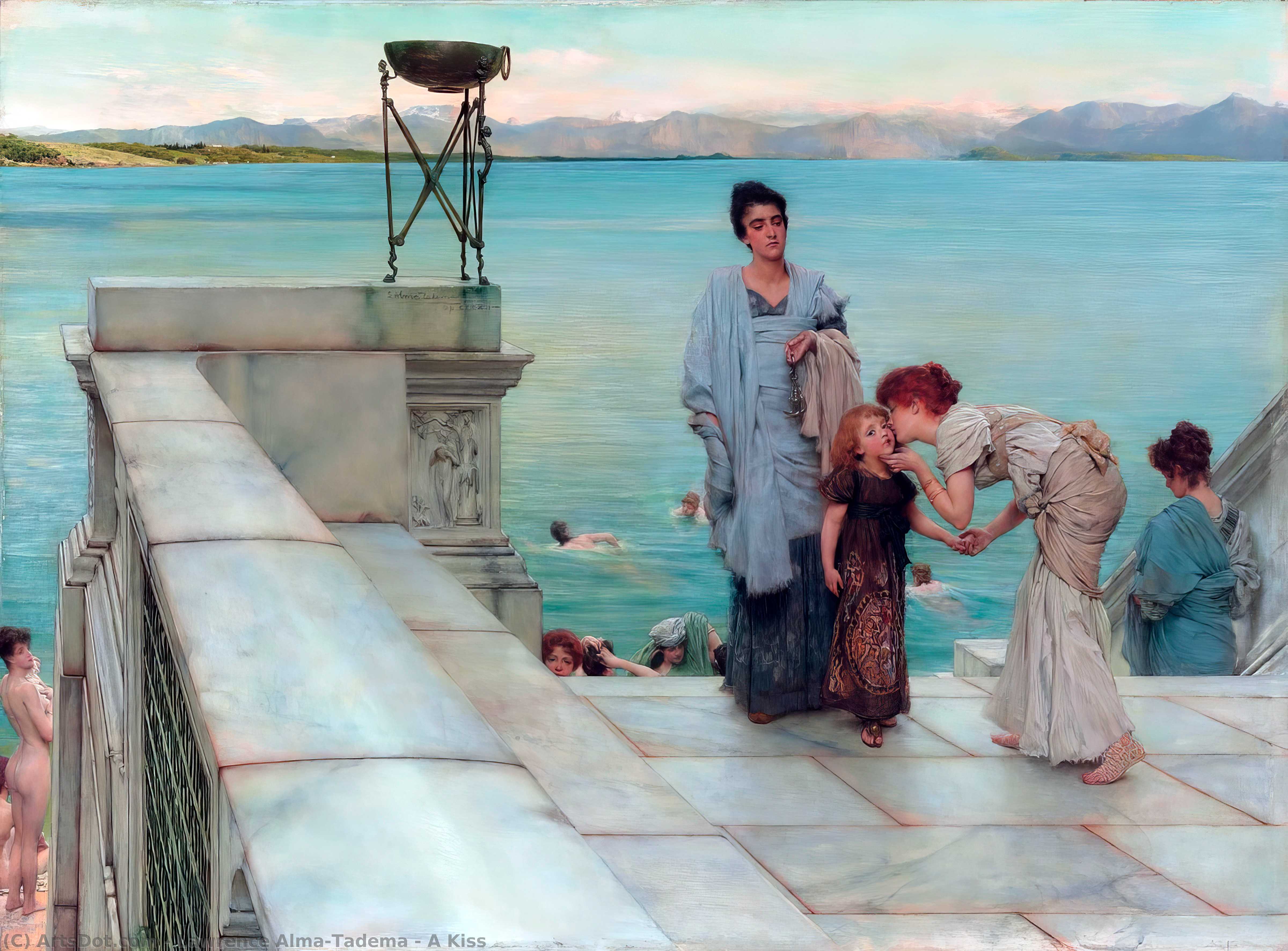
Un Beso
 Óleo sobre lienzo
- Arte de pared
- Clasicismo Académico
 1891
1891- Siglo XIX
 63.0 x 45.0 cm
Reproducción al óleo hecha a mano
Óleo sobre lienzo pintado a mano en el tamaño y marco de su elección, realizado por encargo por nuestros artistas.




P118B $10

P118H $10

P118W $10

P438Z $10

P508JH $12

P508YH $12

P805H $10

P805Z $10

P919BZ $10

P919G $10

P919XJ $10

P959ZH $10

P968JZ $12

W106C $8

W218G $10

W218JH $8

W218Y $10

W307PJ $10

W316G $10

W316PJ $8

W316Y $10

W398PJ $8

W4111J $10

W500HY $15

W500JH $15

W692G $12

W849H $8

W940BG $15

W953PJ $8




 Leer más información
Elija entre nuestros tamaños predefinidos que respetan las proporciones originales de la obra.

Puede ingresar sus propias dimensiones para adaptarse a un marco o espacio específico. Si el tamaño seleccionado no coincide con las proporciones de la imagen original, recortaremos la obra o extenderemos la pintura con elementos adicionales pintados a mano. Se le enviará una maqueta digital para su aprobación antes de comenzar la producción.
Tenga en cuenta que la vista previa en pantalla no refleja el recorte o la extensión reales. Solo la maqueta mostrará con precisión la composición final.
Si bien existen tamaños personalizados, recomendamos seleccionar una dimensión de la lista predefinida para preservar las proporciones originales.
Tras realizar el pedido, el equipo de ArtsDot.com enviará un correo electrónico al cliente para solicitar instrucciones y proporcionarle una vista previa del boceto.
Entrega mundial () en 3-4 semanas en lugar de las 5 semanas estándar. (1 julio). Sin compromisos con la calidad.

Envío exprés gratuito a todo el mundo

Lienzo de lino de alta calidad

Seguro de envío total

Garantía de reembolso de impuestos aduaneros

Garantía de fidelidad de color

Política de devolución de 60 días (solo por defectos)

Garantía de devolución del 100% del dinero

Descuento por pedido múltiple
 La opción de vidrio solo está disponible en tamaños inferiores a 110 cm.

Un Beso
Técnica de reproducción
Tamaño de la reproducción
-


Precio total final
-
Descripción de la obra
Una Obra Maestra del Romancismo Clásico
Sumérgete en la elegancia atemporal de esta exquisita pintura de Sir Lawrence Alma-Tadema, un reconocido artista holandés-británico celebrado por sus meticulosas representaciones de escenas clásicas. Esta obra de arte captura un momento sereno e íntimo junto al mar, combinando precisión histórica con encanto romántico.
Sujeto y Composición
La composición presenta a un grupo de personas reunidas en una plataforma de piedra cerca del agua, creando una armoniosa mezcla de interacción humana y belleza natural. En primer plano, se destacan tres mujeres: una de pie erguida, otra inclinada para ayudar a un niño y una tercera figura parcialmente visible a la derecha. Los escalones de piedra conducen al agua donde se pueden ver varias figuras nadando o preparándose para entrar en el mar. El fondo muestra una vasta extensión de agua azul calma que se extiende hasta montañas lejanas bajo un cielo despejado.
Estilo y Técnica
El estilo de Alma-Tadema se caracteriza por su detallismo realista y su manejo impresionista de la luz y el color. Esta pintura ejemplifica su maestría en óleo sobre lienzo, con pinceladas precisas que capturan detalles finos al tiempo que permiten transiciones suaves en tono y color. El uso de líneas horizontales y verticales crea estructura y profundidad, guiando la mirada del espectador a través de la escena.
Contexto Histórico
Creada en 1891 durante la era victoriana, esta obra de arte refleja la fascinación de Alma-Tadema por los temas clásicos, particularmente el lujo y la decadencia del Imperio Romano. Sus pinturas a menudo presentaban figuras languidecientes contra un telón de fondo de deslumbrantes aguas azules mediterráneas y cielos, evocando una sensación de opulencia y tranquilidad.
Simbolismo e Impacto Emocional
El tema parece representar un momento despreocupado junto al mar, posiblemente involucrando baños o natación. La interacción entre las mujeres y el niño sugiere temas de cuidado, comunidad y el paso del tiempo. El ambiente sereno y las posturas relajadas evocan sentimientos de tranquilidad y conexión con la naturaleza, haciendo de esta obra de arte una adición perfecta a cualquier espacio que busque transmitir elegancia y romance.
¿Por Qué Elegir Esta Reproducción?
Esta reproducción de alta calidad captura la esencia de la obra maestra original de Alma-Tadema, ofreciendo a los amantes del arte, coleccionistas e diseñadores de interiores la oportunidad de poseer una pieza de belleza clásica. Su realismo detallado y su atmósfera serena lo convierten en una opción ideal para mejorar cualquier interior con un toque de elegancia histórica y encanto romántico.
Obras similares


Biografía del artista
Sir Lawrence Alma-Tadema (1836–1912): The Architect of Atmospheric Detail
Lawrence Alma Tadema, later Lawrence Alma Tadema, was born in Dronryp, Friesland, Netherlands, on January 8, 1836. His father, Pieter Jiltes Tadema, a village notary, had three sons by his first marriage, and his mother, Hinke Dirks Brouwer, was the half sister of Pieter’s first wife. The Tadema family moved to Leeuwarden in 1838 where Pieter's position as a notary would be more lucrative. His father died when Laurens was four, leaving his mother with five children: Laurens, his sister, and three boys from his father’s first marriage. Hinke Brouwer had artistic leanings, and decided that drawing lessons should be incorporated into the children’s education. He received his first art training with a local drawing master hired to teach his older half-brothers. It was intended that Laurens would become a lawyer; but in 1851 he suffered a physical and mental breakdown. Diagnosed as consumptive; given only a short time to live, he was allowed to spend his remaining days at his leisure, drawing and painting. Left to his own devices he regained his health and decided to pursue a career as an artist. In 1852 he entered The Royal Academy of Antwerp where he studied early Dutch and Flemish masters, alongside absorbing the meticulous detail demanded by historical accuracy. During Laurens’ four years as a registered student at the Academy, he won several respectable awards. Before leaving school, towards the end of 1855, he became assistant to the painter Louis Jan de Taeye, whose courses in history and historical costume he had greatly enjoyed at the Academy. De Taeye introduced him to books that influenced his desire to portray Merovingian subjects early in his career. He was encouraged to depict historic accuracy in his paintings, a trait for which the artist became known. Laurens Tadema took this criticism very seriously, and it led him to improve his technique and to become the world’s foremost painter of marble and variegated granite.- Early Life: Alma-Tadema’s childhood was marked by tragedy when his father died prematurely, leaving his mother with five children. Despite facing significant hardship, Hinke Brouwer fostered Laurens' artistic inclinations through drawing lessons.
- Academic Training: He enrolled at The Royal Academy of Antwerp in 1852, immersing himself in the study of classical masters and honing his skills in historical representation.
- Personal Struggles: A debilitating illness struck Alma-Tadema in 1851, forcing him to abandon legal aspirations and dedicate himself entirely to artistic pursuits—a decision that ultimately revitalized his health.
Exploring Antiquity: Merovingian Mysteries and Egyptian Visions
Alma Tadema’s artistic trajectory began with explorations of Merovingian themes—the Frankish dynasty that ruled after the fall of the Western Roman Empire. These early works, though demonstrating his burgeoning talent for historical detail and narrative composition, didn’t achieve the widespread acclaim he would later find. It is perhaps in this series that Laurens Tadema moved by the deepest feeling and the strongest spirit of romance. He was encouraged to depict historic accuracy in his paintings, a trait for which the artist became known. However Merovingian subjects did not have a wide international appeal, so he switched to themes of life in ancient Egypt, then to the classical world of Greece and Rome. This transition wasn't arbitrary; it reflected a growing public appetite for romanticized visions of antiquity, fueled by archaeological discoveries and a Victorian fascination with moral lessons drawn from the past. He was captivated by the grandeur and elegance of Roman villas and interiors—a fascination that would define his artistic output for decades to come.The Architect of Atmosphere: Detail and Light
What truly set Alma Tadema apart was his unparalleled ability to create atmosphere. He wasn't just painting objects; he was capturing the very *feeling* of sunlight on marble, the coolness of mosaic floors underfoot, the gentle murmur of fountains in a Roman atrium. This mastery stemmed from an obsessive attention to detail and a deep understanding of materials. He meticulously researched ancient architecture, furniture, and clothing, ensuring that every element within his compositions was historically plausible. But beyond accuracy, he possessed a remarkable talent for rendering light and texture. His marble gleamed with a lifelike luminosity, his fabrics flowed with graceful realism, and his water shimmered with captivating clarity. This dedication to verisimilitude wasn’t merely about technical skill; it was about creating an illusion of reality so convincing that viewers felt transported to another time and place. He even went as far as to build miniature models of the settings he intended to paint, ensuring perfect perspective and architectural accuracy.Victorian Fame and Legacy
Alma Tadema enjoyed immense popularity during his lifetime, becoming a household name and receiving numerous accolades, including knighthood in 1899. His paintings—particularly those depicting Roman life—became symbols of Victorian elegance and moral virtue. Despite the stylistic shifts of the early 20th century, Alma Tadema’s meticulous realism endured, securing his place as one of the most influential artists of his era. Scholars and collectors rediscovered the beauty and technical brilliance of his works in the 1960s, recognizing him as a master of Victorian art and a significant figure in the history of classical representation—a testament to his enduring vision and unparalleled skill. His legacy continues to inspire contemporary artists who strive for similar levels of detail and atmospheric realism.
lourens alma tadema
1836 - 1912 , Países Bajos
Datos clave
- Artistic Movement Or Style: Pintura Victoriana
- Artists Or Movements Influenced By This Artist: ['Romanticismo']
- Artists Who Influenced This Artist: ['Louis Jan de Taeye']
- Date Of Birth: 8 enero 1836
- Date Of Death: 25 junio 1912
- Full Name: Lourens Alma Tadema
- Nationality: Holandés
- Notable Artworks:
- Un Beso
- Pregúntame No Más
- Un Rincón de Vista
- Place Of Birth: Dronryp, Países Bajos
Artículos relacionados

Victorian Botanical Painting: Science, Art & Aesthetic Sensibility
Explore the exquisite world of Victorian botanical art! Discover the science & artistry behind stunning floral illustrations by Gould, Muckley & more. Learn about collecting, value & investment at ArtsDot.


Sir Hubert von Herkomer: A Life Painted with Realism, Ambition & Victorian Art
Explore the life & art of Sir Hubert von Herkomer, a pivotal Victorian realist painter. Discover his powerful portraits, social commentary & pioneering film work. Learn about his legacy and find high-quality reproductions at ArtsDot.

Henry Thomas Dawson: Navigating Light, Sea & Sentiment in Victorian Marine Painting
Explore the captivating world of Henry Thomas Dawson (1811-1878), a master of Victorian marine painting. Discover his evocative coastal scenes, landscapes & lasting artistic legacy. Learn about collecting Dawson's work and find reproductions at ArtsDot.

Convergencia de Siglos: Visualización Digital y Técnicas Clásicas del Óleo en la Comisionada Contemporánea
Descubre pinturas al óleo personalizadas y reproducciones de alta calidad hechas a mano por artistas expertos. Transforma tus recuerdos en obras maestras atemporales con ArtsDot.

Edmund Blair Leighton: Victorian Romance & Narrative Painting's Golden Age
Explore the captivating world of Edmund Blair Leighton, Victorian master of romantic narrative painting. Discover his iconic works & Pre-Raphaelite influences at ArtsDot.



