


 Vista previa
 Compartir
 Compartir
 Ver detalles

 Descargar
 Ver artículos similares
 Radiografía
 Presentación de diapositivas
 Estadísticas
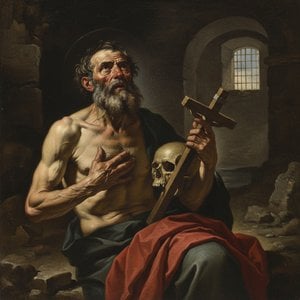
Saint Peter and Saint Paul


 Leer más
Reproducción al óleo hecha a mano
Óleo sobre lienzo pintado a mano en el tamaño y marco de su elección, realizado por encargo por nuestros artistas. ( Cambiar a formato impreso Ver versión en imagen digital)




P118B $10

P118H $10

P118W $10

P438Z $10

P508JH $12

P508YH $12

P805H $10

P805Z $10

P919BZ $10

P919G $10

P919XJ $10

P959ZH $10

P968JZ $12

W106C $8

W218G $10

W218JH $8

W218Y $10

W307PJ $10

W316G $10

W316PJ $8

W316Y $10

W398PJ $8

W4111J $10

W500HY $15

W500JH $15

W692G $12

W849H $8

W940BG $15

W953PJ $8




Elija entre nuestros tamaños predefinidos que respetan las proporciones originales de la obra.

Puede ingresar sus propias dimensiones para adaptarse a un marco o espacio específico. Si el tamaño seleccionado no coincide con las proporciones de la imagen original, recortaremos la obra o extenderemos la pintura con elementos adicionales pintados a mano. Se le enviará una maqueta digital para su aprobación antes de comenzar la producción.
Tenga en cuenta que la vista previa en pantalla no refleja el recorte o la extensión reales. Solo la maqueta mostrará con precisión la composición final.
Si bien existen tamaños personalizados, recomendamos seleccionar una dimensión de la lista predefinida para preservar las proporciones originales.
Tras realizar el pedido, el equipo de ArtsDot.com enviará un correo electrónico al cliente para solicitar instrucciones y proporcionarle una vista previa del boceto.
Envío a todo el mundo () en 3-4 semanas en lugar de las 5 semanas estándar. (17 septiembre). Sin comprometer la calidad.

Envío exprés gratuito a todo el mundo

Lienzo de lino de alta calidad

Seguro de envío completo

Garantía de reembolso de impuestos aduaneros

Garantía de fidelidad cromática exacta

Política de devolución de 100 días (solo por defectos)

Garantía de devolución del 100% del dinero

Oferta por volumen
 La opción de vidrio solo está disponible en tamaños inferiores a 110 cm.

Saint Peter and Saint Paul
Técnica de reproducción
Tamaño de la reproducción
-


Precio total
$ 263
A Study in Shadow and Faith: Jusepe de Ribera’s “Saint Peter and Saint Paul”
Jusepe de Ribera's "Saint Peter and Saint Paul," painted circa 1630, is not merely a portrait; it’s a profound meditation on faith, mortality, and the enduring legacy of two pivotal figures in Christianity. Born in Xàtiva, Spain, in 1591, Jusepe de Ribera, or “Lo Spagnoletto” as he was known, forged a distinctive artistic path marked by dramatic chiaroscuro – an intense contrast between light and dark – and a brutally honest depiction of the human form. His time spent in Naples, under Spanish rule, profoundly shaped his style, imbuing it with a sense of gravitas and a fascination with religious subjects often rendered with unflinching realism.
The painting immediately commands attention through its masterful use of light. Ribera doesn’t shy away from the shadows; instead, he employs them to sculpt the figures, creating an almost sculptural quality. The deep, velvety blacks that envelop Peter and Paul are punctuated by shafts of brilliant illumination, highlighting their faces, hands, and the folds of their garments. This dramatic lighting isn't simply aesthetic; it serves to emphasize the spiritual weight of the scene, suggesting a divine presence casting its gaze upon these two venerable apostles.
The Figures: Dignity in Decay
Ribera’s depiction of Saint Peter and Saint Paul is remarkably unconventional for his time. Rather than presenting them as idealized saints radiating youthful beauty, he portrays them as men nearing the end of their lives – weathered, aged, and bearing the marks of earthly experience. Peter's face is lined with wrinkles, his beard thick and graying; Paul’s features are etched with a quiet sorrow. This deliberate choice to depict aging isn’t meant to diminish their importance but rather to underscore the universality of human suffering and the enduring power of faith in the face of mortality. The figures aren’t presented as triumphant heroes, but as men wrestling with doubt and seeking solace in their shared devotion.
Notice the subtle details: Peter holds a book open before him, suggesting his role as an interpreter of scripture; Paul clutches a scroll, perhaps representing his writings and teachings. Their hands are clasped together, symbolizing unity and fellowship within the Christian community. The posture of both men is one of quiet contemplation, inviting the viewer to join them in their silent dialogue with God.
Baroque Drama and Neapolitan Influence
“Saint Peter and Saint Paul” firmly establishes Ribera’s place within the Baroque movement, a period characterized by dramatic intensity, emotional depth, and an embrace of theatricality. His style was heavily influenced by Caravaggio, with whom he worked in Naples, adopting his signature use of tenebrism – extreme contrasts between light and dark – to create powerful visual effects. However, Ribera’s work possesses a unique character, rooted in the Spanish tradition of religious painting and infused with the gritty realism of life in Naples.
The background is deliberately indistinct, contributing to the overall sense of drama and focusing attention on the central figures. The muted colors – browns, grays, and ochres – further enhance the somber mood of the scene. Ribera’s meticulous attention to detail, particularly in rendering the textures of fabric and skin, adds a remarkable level of realism to the painting.
Symbolism and Spiritual Resonance
Beyond its technical brilliance, “Saint Peter and Saint Paul” is rich in symbolic meaning. The apostles' shared devotion represents the core tenets of Christianity – faith, hope, and charity. Their presence together speaks to the enduring power of community and the importance of mutual support in times of hardship. The painting serves as a poignant reminder that even in old age, faith can offer solace and guidance. It’s a testament to Ribera's ability to capture not just physical likeness but also the profound spiritual essence of his subjects.
Today, “Saint Peter and Saint Paul” remains a powerful and evocative work of art, captivating viewers with its dramatic lighting, realistic portrayal of aging, and enduring message of faith. It’s a piece that invites contemplation and offers a glimpse into the heart of the Baroque era – a time when artists sought to capture not only the beauty of the world but also the complexities of the human spirit.
Obras relacionadas


Biografía del artista
Jusepe de Ribera (Lo Spagnoletto): Una Vida en el Drama Barroco
- Nacido: Xativa, España (1591)
- Fallecido: 1652
Jusepe de Ribera, también conocido como Lo Spagnoletto ("El Españolecito"), fue una figura clave en la pintura barroca española. Nacido en Valencia, España, en 1591, se hizo famoso por sus representaciones dramáticas e intensamente realistas de temas religiosos, martirios, retratos, bodegones y paisajes. Su carrera abarcó tanto España como Italia, siendo Nápoles su principal base artística durante gran parte de su vida.
Vida Temprana, Formación e Influencia Italiana
Los detalles tempranos de la vida de Ribera siguen siendo algo oscuros. Se cree que inicialmente se formó en Valencia antes de trasladarse a Italia alrededor de 1607. Su tiempo en Roma lo expuso a las obras de Caravaggio y Guido Reni, influyendo profundamente en su desarrollo artístico. Ribera absorbió el uso dramático de la luz y la sombra pionero por Caravaggio (tenebrismo) mientras incorporaba elementos de composición clásica de artistas como Reni. Esta síntesis resultó en un estilo único caracterizado por una intensa emotividad, un realismo austero y poderosas narrativas.
Obras Clave y Estilo Artístico
El legado artístico de Ribera se basa en una serie de obras convincentes que ejemplifican la estética barroca. Algunas de sus pinturas más celebradas incluyen:
- Martirio de San Bartolomé: Una representación brutal que muestra la maestría de Ribera en el tenebrismo y el realismo implacable.
- San Jerónimo y el Ángel: Demuestra un lado más suave y contemplativo, manteniendo su característico iluminación dramática.
- Martirio de San Andrés: Otro ejemplo poderoso de sus temas religiosos y la intensa representación emocional.
- Mujer Barbuda: Una obra notable que destaca su capacidad para capturar la forma humana con una precisión y emoción notables.
Su estilo es inmediatamente reconocible a través de:
- Tenebrismo: El uso dramático de fuertes contrastes entre luz y oscuridad, creando una sensación de drama e intensidad emocional acentuados.
- Realismo: El compromiso de Ribera con la representación de figuras con una precisión implacable, a menudo retratando imperfecciones y signos de edad o sufrimiento.
- Intensidad Emocional: Sus obras evocan emociones poderosas a través de las expresiones y los gestos de sus sujetos.
Desarrollo y Legado
La carrera de Ribera se puede dividir ampliamente en dos fases. Su trabajo anterior, fuertemente influenciado por Caravaggio, se caracteriza por un realismo más austero y un uso más dramático del tenebrismo. Más adelante en su carrera, particularmente después de establecerse permanentemente en Nápoles, su estilo evolucionó para incorporar colores más ricos, una iluminación más suave y composiciones más complejas. Si bien mantuvo los elementos centrales de su estética barroca, sus obras posteriores demuestran un mayor grado de refinamiento.
La influencia de Ribera se extendió más allá de España, impactando a artistas en toda Europa. Su innovador uso del tenebrismo y su realismo implacable establecieron un nuevo estándar para la pintura religiosa. Artistas como José de Ribera (un artista posterior influenciado por Jusepe) exploraron aún más estas técnicas. Hoy en día, las obras de Ribera se encuentran en prestigiosos museos de todo el mundo, incluido el Museo del Prado en España, la Galería Nacional de Arte en Washington D.C., y numerosas instituciones en Europa.
Significado Histórico
Jusepe de Ribera es una figura central en el arte barroco español, junto con Francisco de Zurbarán, Bartolomé Esteban Murillo y Diego Velázquez. Sus contribuciones al desarrollo del tenebrismo son innegables, y sus poderosas representaciones de temas religiosos continúan resonando con el público hoy en día. La colección de ArtsDot ofrece una visión general completa de su producción artística, permitiendo a los espectadores apreciar la totalidad de su talento y su legado perdurable.

Jusepe de Ribera
1591 - 1652 , España
Datos clave
- Artistas Influenciados: ['José de Ribera']
- Artistas Que Influyeron:
- Caravaggio
- Guido Reni
- Fecha De Fallecimiento: 3 noviembre 1652
- Fecha De Nacimiento: 17 febrero 1591
- Lugar De Nacimiento: Xativa, España
- Movimiento Artístico: Barroco español
- Nacionalidad: Española
- Nombre Completo: Jusepe de Ribera
- Obras Notables:
- Martirio de San Bartolomé
- San Jerónimo y el ángel
- Martirio de San Andrés
- Mujer barbuda
Artículos relacionados

The Dramatic Flourish: Exploring the Baroque Movement's Enduring Legacy in Art History
Explore the dramatic world of Baroque art! Discover iconic artists like Caravaggio & Rubens, defining techniques, and its lasting impact on art history. Expert insights for collectors & enthusiasts at ArtsDot.

Juan de Valdés Leal: Baroque Realism, Memento Mori & Theatricality of Spanish Grief
Explore the powerful Baroque realism of Juan de Valdés Leal (1622-1690). Discover his somber masterpieces, iconic 'In Ictu Oculi', and profound explorations of mortality. Museum-quality reproductions available at ArtsDot.

The Golden Age Reforged: Dramatic Realism & Religious Zeal in Spanish Baroque Art
Explore the dramatic world of Spanish Baroque art! Discover masters like Zurbarán & the powerful influence of religious zeal on painting techniques – a guide for collectors and enthusiasts.

Goya: Las 25 Obras Maestras del Genio Español | Reproducciones de Arte en ArtsDot
Descubre las 25 obras maestras de Goya, el genio español. Explora retratos icónicos, 'Los Caprichos' y 'Las Pinturas Negras'. Reproducciones de arte en lienzo de alta calidad para decorar tu hogar con estilo. ¡Encuentra tu obra favorita en ArtsDot.com!
Jusepe de Ribera: Dramatic Realism & Spiritual Intensity in the Spanish Golden Age
Explore the powerful Baroque paintings of Jusepe de Ribera, master of tenebrism and dramatic realism. Discover his spiritual intensity, influence on Spanish art, and considerations for collectors. Expert insights at ArtsDot.


