


 Vista previa
 Compartir
 Compartir
 Ver detalles
 Guía
Guía

 Descargar
 Ver artículos similares
 Radiografía
 Presentación de diapositivas
 Estadísticas
The Table Setting
 Oil
Oil- WallArt
- Post-Impressionism
 1903
1903- Modern
 37.0 x 61.0 cm
 Leer más
Giclée / Impresión de arte
Impresiones giclée o en lienzo de calidad de museo con producción rápida y opciones de acabado flexibles. ( Encargar reproducción pintada a mano Ver versión en imagen digital)




P118B $10

P118H $10

P118W $10

P438Z $10

P508JH $12

P508YH $12

P805H $10

P805Z $10

P919BZ $10

P919G $10

P919XJ $10

P959ZH $10

P968JZ $12

W106C $8

W218G $10

W218JH $8

W218Y $10

W307PJ $10

W316G $10

W316PJ $8

W316Y $10

W398PJ $8

W4111J $10

W500HY $15

W500JH $15

W692G $12

W849H $8

W940BG $15

W953PJ $8




Elija entre nuestros tamaños predefinidos que respetan las proporciones originales de la obra.

Puede introducir sus propias dimensiones para adaptarse a un marco o espacio específico. Si el tamaño seleccionado no coincide con las proporciones de la imagen original, recortaremos la obra de arte o extenderemos la imagen con un borde con efecto espejo o de color sólido. Se enviará una maqueta digital para su aprobación antes de que comience la producción.
Tenga en cuenta que la vista previa en pantalla no refleja el recorte o la extensión real. Solo la maqueta mostrará con precisión la composición final.
Aunque existen tamaños personalizados, recomendamos seleccionar una dimensión de la lista predefinida para preservar las proporciones originales.
Envío a todo el mundo () en 2 semanas en lugar de las 4/5 semanas estándar. (24 septiembre)

Envío exprés gratuito a todo el mundo

Lienzo de lino de alta calidad

Seguro de envío completo

Garantía de reembolso de impuestos aduaneros

Garantía de fidelidad cromática exacta

Política de devolución de 100 días (solo por defectos)

Garantía de devolución del 100% del dinero

Oferta por volumen
 La opción de vidrio solo está disponible en tamaños inferiores a 110 cm.

The Table Setting
Giclée / Impresión de arte
Tamaño de la reproducción
-


Precio total
$ 62
An Intimate Encounter with Post-Impressionist Serenity
In the quiet corners of art history, few works capture the essence of domestic tranquility as masterfully as Jean Edouard Vuillard’s 1903 masterpiece, The Table Setting. This exquisite painting invites the viewer into a private, hushed moment, where the boundaries between the observer and the observed begin to dissolve. As a prominent figure within the Nabis movement, Vuillard possessed a singular ability to transform mundane, everyday scenes into profound explorations of light, pattern, and atmosphere. The scene presented is not merely a dining room prepared for a meal; it is a carefully orchestrated stage where color and form dance in a silent, rhythmic harmony, evoking a sense of warmth that resonates deeply with anyone seeking to bring a touch of soulful elegance into their own living space.
The composition of The Table Setting is a triumph of spatial arrangement and subtle complexity. At first glance, the eye is drawn to the meticulously arranged tableware—the delicate curves of wine glasses, the solid presence of bowls, and the reflective surfaces of plates. Yet, as one lingers, the true magic of Vuillard’s technique reveals itself through the layering of shapes and the interplay of depth. The placement of chairs, some receding into the soft shadows of the room while others press toward the foreground, creates a captivating sense of perspective that pulls the viewer into the heart of the home. Scattered books and a solitary, elegant vase act as quiet anchors within the composition, suggesting a life lived with intellectual curiosity and aesthetic grace. This careful arrangement transforms a simple interior into a rich tapestry of textures and memories.
The Language of Color and the Nabis Legacy
Technically, The Table Setting serves as a brilliant testament to the Post-Impressionist evolution toward abstraction. Influenced by the flattened planes of Japanese woodblock prints, Vuillard utilizes bold colors and geometric structures to build a sense of intimacy rather than mere photographic realism. His brushwork, though detailed enough to capture the fine edges of porcelain, is fundamentally concerned with the emotional weight of color. The palette is a sophisticated blend of tones that evoke a cozy, inviting ambiance, making the painting an ideal centerpiece for interior designers looking to add depth and character to a room. There is a rhythmic quality to the way patterns interact—the cloth on the table, the silhouettes of the furniture, and the soft light filtering through the space all work together to create a cohesive, immersive experience.
For the discerning collector or art enthusiast, owning a high-quality reproduction of this work offers more than just decoration; it offers an emotional sanctuary. The Table Setting embodies the transition from the fleeting impressions of Monet to the structured, symbolic depth that would later pave the way for Cubism and Fauvism. It is a piece that speaks to the beauty of the "intimate interior," a theme Vuillard mastered to perfection. Whether placed in a sunlit breakfast nook or a sophisticated dining hall, this painting serves as a timeless reminder of the profound beauty found in life's quietest, most domestic moments, making it an indispensable treasure for any curated collection.
Obras relacionadas


Biografía del artista
early life and artistic beginnings
Jean-Édouard Vuillard (1868–1940) was a french painter, decorative artist, and printmaker. His life's work would later become a cornerstone of the avant-garde artistic group les nabis, alongside fellow visionaries like Maurice Denis and Édouard Vuillard. This collective would revolutionize the art world with their innovative approach to color and form.
Vuillard was born on november 11, 1868, in cuiseaux, france. His father was a civil servant, and his mother, a seamstress. He showed an early aptitude for drawing and painting, studying art from 1886 to 1888 at the Académie Julian and the École des Beaux-Arts in paris.
In 1889 he joined a group of art students that included Maurice Denis, Pierre Bonnard, Paul Sérusier, Ker-Xavier Roussel, and Félix Vallotton. They called themselves les Nabis (Hebrew for “Prophets”), and they drew their inspiration from the Synthetist paintings of Paul Gauguin’s Pont-Aven period.
the nabis movement and its influence
Like Gauguin, the Nabis advocated a symbolic, rather than a naturalistic, approach to color, and they usually applied their paint in ways that emphasized the flat surface of the canvas. Their admiration of japanese woodcuts, which were then in vogue in europe, inspired them to use simplified shapes and strong contours.
Les nabis, a group of young french artists active in paris from 1888 until 1900, played a large part in the transition from impressionism and academic art to abstract art, symbolism, and the other early movements of modernism. Their philosophy was based upon the philosophy of positivism, and the writings of auguste comte and hippolyte taine.
vuillard's later work and legacy
After 1900, when les nabis disbanded, Vuillard adopted a more realistic style, approaching landscapes and interiors with greater detail and vivid colors. He continued to produce paintings that explored domestic scenes and portraits of individuals from the intellectual and artistic circles of paris.
Vuillard’s distinctive style—characterized by muted palettes, flattened perspectives, and meticulous attention to texture—established him as one of the most important figures in french art at the turn of the century. His work anticipates many developments in cubism and fauvism, demonstrating a profound understanding of visual perception.
key works and exhibitions
Vuillard’s paintings can be found in various museums, including the musée de la révolution française (france), which boasts a rich collection of artworks, documents, and objects related to the revolutionary period. Some of his notable works include “Woman Sweeping” by Maurice Denis and “Jean de la Barre” by Jean Clouet, which depict a young man condemned to death for blasphemy during the ancien régime.
Vuillard’s later work, such as his portraits of french industry and arts figures, can be seen in various galleries, including those at intimism art movement and jean-édouard vuillard's page on ArtsDot.
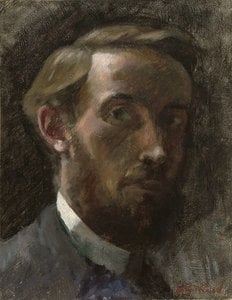
Jean-Édouard Vuillard
1868 - 1940 , Francia
Datos clave
- Artistic Movement Or Style: Nabis
- Artists Or Movements Influenced By This Artist:
- Cubism
- Fauvism
- Artists Who Influenced This Artist: ['Paul Gauguin']
- Date Of Birth: November 11, 1868
- Full Name: Jean-Édouard Vuillard
- Nationality: French
- Notable Artworks:
- Woman Sweeping
- Sunlit Interior
- Place Of Birth: Cuiseaux, France
Artículos relacionados

Beyond the Brush: A Visual Journey Through the Emotional Brilliance of Post-Impressionism
Embark on a visual journey through Post-Impressionism. Discover the emotional depth of Van Gogh and Cézanne, explore the tactile beauty of impasto, and learn how to bring these vibrant, soulful masterpieces into your home with expert art curation and custom hand-painted reproductions.

Los 10 Maestros del Postimpresionismo: Obras que Revolucionaron el Arte |
Descubre los 10 cuadros más influyentes del Postimpresionismo: Van Gogh, Monet, Cézanne y más. Explora la historia, técnica y significado de estas obras maestras. Reproducciones de arte en para decorar tu hogar con estilo.

Cultivando Ambientes: Selección de Reproducciones Artísticas para el Comedor – Una Guía Histórica y Estética
Descubre cómo seleccionar reproducciones artísticas para tu comedor con nuestra guía experta. Explora la historia del bodegón, desde el Renacimiento hasta el Pop Art, y crea un ambiente sofisticado y lleno de estilo.

Intimate Interiors: Domestic Life & Artistic Representation from Renaissance to Impressionism
Explore the evolution of domestic life in Western art from the Renaissance to Impressionism. Discover symbolism, realism & artistic techniques shaping intimate interior scenes. Learn more with ArtsDot.

Impresionismo y Postimpresionismo: Una Exploración de la Evolución Artística y sus Distinciones Clave
Explora la evolución del Impresionismo al Postimpresionismo. Descubre sus características, artistas clave y las diferencias esenciales en este análisis experto.


