
- Inicio

- Reproducción al óleo
- James Ensor
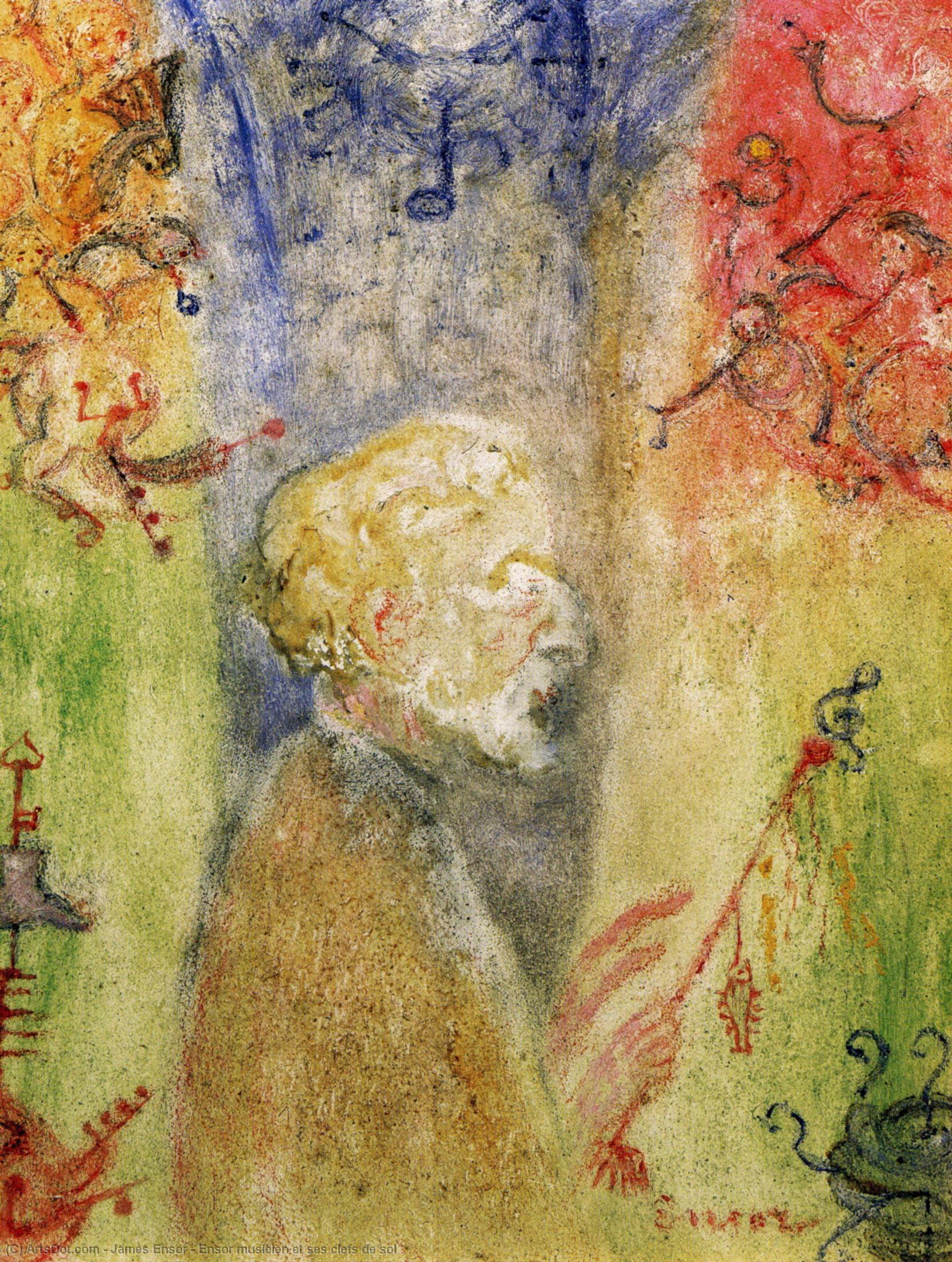
- Ensor musicien et ses clefs de sol
 Comprar impresión Comprar imagen en alta resolución
 Enviar
 Compartir
 Details
 Añadir a favoritos

 Descargar
 Similares
 X-Ray
X-Ray
 Presentación de diapositivas
Ensor musicien et ses clefs de sol


 Ver más
Reproducción al óleo hecha a mano
Óleo sobre lienzo pintado a mano en el tamaño y marco de su elección, realizado por encargo por nuestros artistas.




P118B $10

P118H $10

P118W $10

P438Z $10

P508JH $12

P508YH $12

P805H $10

P805Z $10

P919BZ $10

P919G $10

P919XJ $10

P959ZH $10

P968JZ $12

W106C $8

W218G $10

W218JH $8

W218Y $10

W307PJ $10

W316G $10

W316PJ $8

W316Y $10

W398PJ $8

W4111J $10

W500HY $15

W500JH $15

W692G $12

W849H $8

W940BG $15

W953PJ $8




 Leer más información
Elija entre nuestros tamaños predefinidos que respetan las proporciones originales de la obra.

Puede ingresar sus propias dimensiones para adaptarse a un marco o espacio específico. Si el tamaño seleccionado no coincide con las proporciones de la imagen original, recortaremos la obra o extenderemos la pintura con elementos adicionales pintados a mano. Se le enviará una maqueta digital para su aprobación antes de comenzar la producción.
Tenga en cuenta que la vista previa en pantalla no refleja el recorte o la extensión reales. Solo la maqueta mostrará con precisión la composición final.
Si bien existen tamaños personalizados, recomendamos seleccionar una dimensión de la lista predefinida para preservar las proporciones originales.
Tras realizar el pedido, el equipo de ArtsDot.com enviará un correo electrónico al cliente para solicitar instrucciones y proporcionarle una vista previa del boceto.
Entrega mundial () en 3-4 semanas en lugar de las 5 semanas estándar. (1 julio). Sin compromisos con la calidad.

Envío exprés gratuito a todo el mundo

Lienzo de lino de alta calidad

Seguro de envío total

Garantía de reembolso de impuestos aduaneros

Garantía de fidelidad de color

Política de devolución de 60 días (solo por defectos)

Garantía de devolución del 100% del dinero

Descuento por pedido múltiple
 La opción de vidrio solo está disponible en tamaños inferiores a 110 cm.

Ensor musicien et ses clefs de sol
Técnica de reproducción
Tamaño de la reproducción
-


Precio total final
-
Descripción de la obra
James Ensor’s Unsettling Portrait of Musical Mystery
James Ensor's "Ensor musicien et ses clefs de sol" (Ensor the Musician and His Clefs) is not merely a portrait; it’s an immersion into a world of psychological unease, theatricality, and subtle symbolism. Painted in 1888, this work stands as a pivotal example of Ensor's unique artistic vision – a blend of Symbolism, Expressionism, and touches of Surrealism that continues to fascinate and disturb viewers over a century later. The painting depicts a man, likely self-portrait, seated before a wall adorned with musical notes, his gaze direct and unsettlingly intense. His brown coat provides a grounding element against the vibrant, almost hallucinatory background, while the inclusion of a clock subtly introduces themes of time, mortality, and perhaps, the relentless march of artistic judgment.
Ensor’s stylistic choices are immediately arresting. The palette is rich and saturated, dominated by reds – not comforting hues, but rather intense, bordering on alarming shades that contribute to the painting's overall sense of disquiet. This boldness was a deliberate departure from the prevailing academic styles of the time, reflecting Ensor’s rejection of rigid artistic conventions. He employed a technique characterized by thick impasto, particularly noticeable in the background, creating a tactile surface that seems to pulsate with energy. The figures are rendered with an almost mask-like quality – their features simplified and exaggerated, hinting at hidden emotions and concealed identities. This echoes Ensor’s lifelong fascination with masks, a motif deeply ingrained in his artistic practice, stemming from his childhood spent amidst the spectacle of Ostend's carnival.
The Carnival Within: Symbolism and Personal Narrative
The painting is profoundly rooted in Ensor’s personal history and experiences. The souvenir shop run by his parents, overflowing with masks, curiosities, and theatrical props, served as a constant source of inspiration. These objects weren't simply decorative; they represented a world of performance, disguise, and the blurring of reality and illusion – themes that would become central to Ensor’s artistic exploration. The musical notes scattered across the wall are not just an incidental detail; they symbolize the artist’s own engagement with music, a passion he pursued despite lacking formal training. The act of playing music, particularly improvising, was for Ensor a means of expressing his innermost thoughts and emotions, often in ways that challenged societal norms.
Furthermore, the inclusion of skeletons – a recurring motif in Ensor’s work – suggests an awareness of mortality and the ephemeral nature of existence. They are not presented as frightening specters but rather as participants in this strange musical tableau, adding to the painting's unsettling atmosphere. The man’s direct gaze at the viewer is particularly significant. It’s a confrontational stare, suggesting that he is not simply presenting himself; he is challenging the observer to contemplate their own role within his world of masks and shadows.
Contextualizing Ensor: A Revolutionary Artist
James Ensor was a truly groundbreaking figure in 19th-century art. He rejected the prevailing artistic trends, forging his own distinctive style that defied easy categorization. His work was often met with hostility and criticism, particularly during his early career, as evidenced by the scathing reviews of “Christ’s Entry Into Brussels.” However, Ensor persevered, developing a unique visual language that anticipated the developments of Expressionism and Surrealism. He was associated with the Les XX group, a circle of avant-garde artists who championed innovation and challenged artistic conventions.
Ensor's influence extends far beyond his own lifetime. His exploration of psychological themes, his use of unsettling imagery, and his rejection of academic tradition paved the way for future generations of artists. His work continues to resonate with contemporary audiences, offering a glimpse into the mind of an artist who dared to confront the darker aspects of human experience. Reproductions of "Ensor musicien et ses clefs de sol" provide a tangible connection to this remarkable and profoundly unsettling artistic legacy.
Bringing Ensor Home: A High-Quality Reproduction
ArtsDot offers meticulously crafted, hand-painted reproductions of James Ensor’s “Ensor musicien et ses clefs de sol,” capturing the artist's distinctive style and emotional intensity. Our skilled artisans use archival-quality materials and techniques to faithfully recreate every detail of this iconic painting, ensuring that your reproduction will be a treasured addition to your art collection for years to come. Whether you’re an art enthusiast, a collector seeking to expand your holdings, or simply someone drawn to the power of evocative imagery, a ArtsDot reproduction offers a beautiful and authentic way to experience the genius of James Ensor.
Obras similares


Biografía del artista
vida temprana y trayectoria artística
James Sidney Edouard, Baron Ensor, un destacado pintor y grabador belga, nació el 13 de abril de 1860 en Ostend, Bélgica. Su vida temprana estuvo marcada por un trasfondo cultural diverso, con un padre inglés, James Frederic Ensor, y una madre belga, María Caterina Haegheman. Falta de interés en los estudios académicos tradicionales, Ensor abandonó la escuela a los quince años para dedicarse al arte, recibiendo formación con pintores locales y posteriormente estudiando en la Academia Real de Bellas Artes en Bruselas.Estilo artístico y temas
El estilo artístico de Ensor se caracterizó por su exploración de la mente inconsciente e imágenes oníricas, lo que influyó significativamente en el expresionismo y el surrealismo. Sus pinturas a menudo presentaban asuntos extraños, incluyendo carnavales, máscaras, teatro de marionetas, esqueletos y alegorías fantásticas. Obras notables incluyen Las Máscaras Escandalizadas (1883) y Esqueletos luchando por un ahorcado (1891), que muestran su mezcla única de lo grotesco y lo fantástico.Reconocimiento y legado
A pesar de la resistencia inicial, la obra de Ensor ganó gradualmente aceptación y elogios. Para 1920, era el tema de importantes exposiciones; en 1929, fue nombrado barón por el rey Alberto, y en 1933, recibió la Legión de Honor. Su legado como figura pionera en el arte moderno es evidente en su influencia en movimientos artísticos posteriores, incluyendo el expresionismo y el surrealismo.Obras clave y exposiciones
* La Intriga (90 x 150 cm, Museo Real de Bellas Artes, Amberes, Bélgica) * Tribulaciones de San Antonio (1887, ahora en la colección del Museo de Arte Moderno, Nueva York)- Descubra más sobre la vida y obra de James Ensor en ArtsDot: James Ensor
- Explore el Museo Mu.Zee en Ostend, Bélgica, que presenta una colección de arte belga desde 1830 en ArtsDot: Descubra el Museo Mu.Zee en Ostend, Bélgica
- Aprenda más sobre la pintura simbolista y su influencia en el expresionismo y el surrealismo en Wikipedia: Pintura Simbolista

James Ensor
1860 - 1949 , Bélgica
Datos clave
- Artistas Influenciados Por Este Artista:
- Expresionismo
- Surrealismo
- Artistas Que Influyeron:
- Pieter Bruegel el Viejo
- Francisco Goya
- Fecha De Muerte: 19 de noviembre de 1949
- Fecha De Nacimiento: 13 de abril de 1860
- Lugar De Nacimiento: Ostend, Bélgica
- Movimiento Artístico: Expresionismo, Surrealismo
- Nacionalidad: Belga
- Nombre Completo: James Ensor
- Obras Notables:
- Las Máscaras Escandalizadas
- Esqueletos luchando
- Tribulaciones de San Antonio
- Cristo entrando en Bruselas
Artículos relacionados
Max Ernst: Las 25 Obras Maestras del Surrealismo para Decorar tu Hogar con Arte
Descubre las 25 obras maestras de Max Ernst, el rey del surrealismo. Explora su arte onírico, técnicas innovadoras y simbolismo profundo. Reproducciones de alta calidad para decorar tu hogar con estilo en ArtsDot.com

Más Allá de la Realidad Tangible: Surrealismo y Expresionismo en el Arte del Siglo XX
Descubre el expresionismo y surrealismo en profundidad. Análisis de artistas clave, obras maestras y su impacto en el arte moderno. Explora la angustia, el inconsciente y la revolución artística del siglo XX con ArtsDot.

Las 10 Obras Maestras en Acrílico que Revolucionaron el Arte |
Descubre las 10 obras maestras en acrílico que revolucionaron el arte moderno. Explora la historia de Pollock, Rothko y Warhol, sus técnicas y paletas vibrantes. Encuentra reproducciones de alta calidad e inspírate para decorar tu hogar con .

10 Obras Maestras Acrílicas que Revolucionaron el Arte | ArtsDot
Descubre 10 obras maestras acrílicas de artistas como Rothko, Frankenthaler y Pollock que revolucionaron el arte moderno. Explora su historia, técnica y significado en ArtsDot.com. Encuentra reproducciones de alta calidad para tu hogar.

Expresionismo Alemán: 10 Obras Maestras que Transformaron el Arte | ArtsDot
Descubre las 10 obras maestras del Expresionismo Alemán: Kirchner, Munch y más. Explora la historia, técnica y emoción detrás de estos lienzos icónicos. Reproducciones de arte de museo en ArtsDot.com. ¡Inspira tu hogar con arte!



