Vista previa
 Compartir
 Compartir
 Ver detalles

 Descargar
 Ver artículos similares
 Radiografía
 Presentación de diapositivas
 Estadísticas
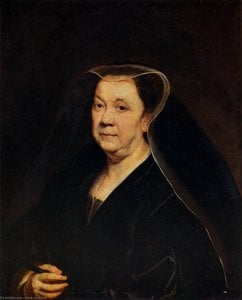
Susanna and the Elders
 Oil On Canvas
- WallArt
- Baroque
 1653
1653 203.0 x 153.0 cm
 Galería Nacional de Dinamarca
 Leer más
Giclée / Impresión de arte
Impresiones giclée o en lienzo de calidad de museo con producción rápida y opciones de acabado flexibles. ( Encargar reproducción pintada a mano Ver versión en imagen digital)




P118B $10

P118H $10

P118W $10

P438Z $10

P508JH $12

P508YH $12

P805H $10

P805Z $10

P919BZ $10

P919G $10

P919XJ $10

P959ZH $10

P968JZ $12

W106C $8

W218G $10

W218JH $8

W218Y $10

W307PJ $10

W316G $10

W316PJ $8

W316Y $10

W398PJ $8

W4111J $10

W500HY $15

W500JH $15

W692G $12

W849H $8

W940BG $15

W953PJ $8




Elija entre nuestros tamaños predefinidos que respetan las proporciones originales de la obra.

Puede introducir sus propias dimensiones para adaptarse a un marco o espacio específico. Si el tamaño seleccionado no coincide con las proporciones de la imagen original, recortaremos la obra de arte o extenderemos la imagen con un borde con efecto espejo o de color sólido. Se enviará una maqueta digital para su aprobación antes de que comience la producción.
Tenga en cuenta que la vista previa en pantalla no refleja el recorte o la extensión real. Solo la maqueta mostrará con precisión la composición final.
Aunque existen tamaños personalizados, recomendamos seleccionar una dimensión de la lista predefinida para preservar las proporciones originales.
Envío a todo el mundo () en 2 semanas en lugar de las 4/5 semanas estándar. (18 septiembre)

Envío exprés gratuito a todo el mundo

Lienzo de lino de alta calidad

Seguro de envío completo

Garantía de reembolso de impuestos aduaneros

Garantía de fidelidad cromática exacta

Política de devolución de 100 días (solo por defectos)

Garantía de devolución del 100% del dinero

Oferta por volumen
 La opción de vidrio solo está disponible en tamaños inferiores a 110 cm.

Susanna and the Elders
Giclée / Impresión de arte
Tamaño de la reproducción
-


Precio total
$ 62
Susanna and the Elders: A Baroque Masterpiece of Intrigue and Beauty
Jacob Jordaens’ “Susanna and the Elders” is not merely a biblical scene; it's a vibrant tableau brimming with psychological depth, dramatic tension, and an exquisite mastery of Flemish Baroque painting. Completed in 1653, this monumental work transports us to a moment of perilous vulnerability and audacious defiance within the ancient narrative of Susanna’s ordeal. More than just recounting a story from the Book of Daniel, Jordaens crafts a compelling exploration of female agency, male desire, and the subtle power dynamics at play.
The composition immediately draws the eye to Susanna, rendered with an arresting blend of innocence and quiet strength. Her posture—hands raised in a gesture both defensive and alluring—captures a crucial moment: she’s caught between the threat of immediate danger and a nascent assertion of her own will. The two elderly men, lurking in the shadows, are not depicted as overtly menacing but rather as figures consumed by a potent, almost unsettling lust. Their gazes, intense and predatory, hint at the calculated manipulation they've employed to trap Susanna. Jordaens skillfully uses light and shadow – a hallmark of Baroque painting – to heighten this sense of drama, casting Susanna in a pool of luminescence while the elders remain shrouded in darkness, emphasizing their deceitful intentions.
A Symphony of Color and Technique
Jordaens’ technical prowess is immediately evident. He employs a rich, layered application of oil paint, creating an astonishingly tactile surface teeming with detail. The fabrics—Susanna's flowing gown, the elders’ robes—are rendered with meticulous realism, showcasing his deep understanding of texture and drapery. Notice the subtle variations in color – the warm reds and golds of Susanna’s attire contrasting sharply with the cooler blues and greens of the background. This masterful use of color not only enhances the visual impact but also contributes to the painting's overall sense of drama and atmosphere.
- Flemish Baroque Style: Jordaens exemplifies the key characteristics of the style – dramatic lighting, dynamic compositions, and a focus on everyday life.
- Chiaroscuro: The skillful use of light and shadow (chiaroscuro) creates depth and emphasizes the emotional intensity of the scene.
- Detailed Realism: Jordaens’ meticulous attention to detail—from the folds of fabric to the expressions on the figures' faces—is a testament to his artistic skill.
Symbolism and Narrative Depth
Beyond its surface narrative, “Susanna and the Elders” is rich in symbolic meaning. The story itself speaks volumes about female virtue under threat, challenging societal expectations of women’s behavior. Susanna's refusal to succumb to the elders’ demands underscores her moral integrity and resilience. The young Daniel, appearing as a savior figure, represents justice and righteousness—a beacon of hope amidst the darkness of deceit. The presence of the dogs, positioned strategically near the bottom corners, adds another layer of interpretation, often associated with fidelity and vigilance.
Furthermore, the painting reflects broader anxieties prevalent in 17th-century Europe regarding sexuality, power, and social control. The scene subtly critiques the abuse of authority and the manipulation of women’s reputations—themes that resonate powerfully even today. The composition invites viewers to contemplate the complexities of human desire and the consequences of deception.
A Timeless Masterpiece – Reimagined
Jacob Jordaens' “Susanna and the Elders” remains a captivating work of art, offering a glimpse into the artistic sensibilities and social concerns of the Baroque era. Reproduced with meticulous attention to detail, this painting’s vibrant colors and dramatic composition continue to enthrall audiences worldwide. Whether displayed in a grand salon or a more intimate setting, this iconic image evokes a sense of timeless beauty, intrigue, and profound human emotion – a testament to Jordaens' enduring legacy as one of the greatest masters of the Flemish Baroque.
Obras relacionadas


Biografía del artista
Primeros años y formación
Jacob Jordaens, un destacado pintor flamenco, nació el 19 de mayo de 1593 en Amberes, Bélgica. Fue el primogénito de once hijos de Jacob Jordaens sr., un próspero comerciante de lino, y Barbara van Wolschaten. Se sabe poco sobre su educación temprana, pero se puede asumir que recibió las ventajas de la educación normalmente proporcionada a los niños de su clase social.Influencias artísticas y estilo
Jordaens estuvo influenciado por pintores italianos del norte como Jacopo Bassano, Paolo Veronese y Caravaggio. Su obra se caracteriza por una tendencia hacia un mayor realismo, el hacinamiento de la superficie de sus composiciones y una preferencia por lo burlesco. El estilo de Jordaens se diferencia de sus contemporáneos por su uso de una paleta cálida, naturalismo y dominio del claroscuro y el tenebrismo.Obras notables y encargos
- La Adoración de los Pastores (óleo sobre lienzo, 205 x 269 cm), una pintura que muestra la capacidad de Jordaens para capturar la esencia de la experiencia humana.
- Argos y Mercurio (barroco, óleo), una obra que demuestra su dominio del estilo barroco.
Desarrollo artístico y logros
Jordaens comenzó su carrera como aprendiz de Adam van Noort, pero pronto se vio influenciado por el estilo exuberante de Peter Paul Rubens. Trabajó como asistente de Rubens durante varios años, aprendiendo sus técnicas y absorbiendo su energía dinámica. Después de la muerte de Rubens en 1640, Jordaens emergió como el principal pintor flamenco, asumiendo muchos encargos importantes. Su obra evolucionó desde una imitación inicial del estilo de Rubens hacia un enfoque más personal que se caracterizaba por escenas de género animadas y alegorías llenas de vida. Su capacidad para representar la vida cotidiana con realismo y humor lo hizo muy popular entre los clientes, tanto religiosos como seculares.Significado histórico e influencia
La importancia de Jordaens puede verse en el número de sus alumnos; la hermandad de San Lucas registra quince alumnos oficiales desde 1621 hasta 1667. Su trabajo influyó en Jan Steen, y sus temas campesinos inspirados en la claseica han tenido un impacto duradero en el mundo del arte. Jordaens es recordado como uno de los pintores más importantes del Barroco flamenco, conocido por su realismo, vitalidad y capacidad para capturar el espíritu de su época.
Jacob Jordaens
1593 - 1678 , Bélgica
Datos clave
- Artistas Influenciados: ['Jan Steen']
- Artistas Que Influyeron:
- Jacopo Bassano
- Paolo Veronese
- Caravaggio
- Fecha De Nacimiento: 19 de mayo de 1593
- Lugar De Nacimiento: Amberes, Bélgica
- Movimiento Artístico: Barroco
- Nacionalidad: Belga
- Nombre Completo: Jacob Jordaens
- Obras Notables:
- La adoración de los pastores
- Argos y Mercurio
- El revel de Baco y Sileno
Artículos relacionados

Jacob Jordaens: Baroque Dynamism & Genre Innovation of the Antwerp School
Discover Jacob Jordaens, a leading Flemish Baroque painter renowned for his dynamic compositions & realistic genre scenes. Explore his life, art, and lasting influence with ArtsDot.

The Visceral Stage: Exploring Dramatic Narratives & Emotional Intensity in Baroque Art
Explore the dramatic world of Baroque art! Discover iconic masters like Caravaggio & Rembrandt, their techniques, and the movement's lasting impact. Expert insights for collectors & enthusiasts at ArtsDot.

Barroco Sublime: 10 Obras Maestras que Definieron una Época |
Descubre las 10 obras maestras del Barroco que marcaron una época. Caravaggio, Bernini y Velázquez cobran vida en . Reproducciones de arte de calidad museo para decorar tu hogar con elegancia. ¡Explora la colección online!

Drama Barroca: Llevando la Grandeza y la Emoción a los Interiores Contemporáneos
Descubre cómo el drama y la grandeza del arte barroco pueden transformar tus interiores. Guía experta, inspiración y reproducciones de alta calidad en .

The Dramatic Flourish: Exploring the Baroque Movement's Enduring Legacy in Art History
Explore the dramatic world of Baroque art! Discover iconic artists like Caravaggio & Rubens, defining techniques, and its lasting impact on art history. Expert insights for collectors & enthusiasts at ArtsDot.