

 Ver en contexto
 Enviar
 Compartir
 Detalles
 Guía
Guía

 Descargar
 Similares
 Radiografía
 Presentación de diapositivas
 Preguntas y respuestas
 Estadísticas
Bowl

- 45.0 x 45.0 cm


 Ver más
Giclée / Impresión de arte
Impresiones giclée o en lienzo de calidad de museo con producción rápida y opciones de acabado flexibles. ( Comprar pintura hecha a mano Cambiar a imagen digital)




P118B €10

P118H €10

P118W €10

P438Z €10

P508JH €12

P508YH €12

P805H €10

P805Z €10

P919BZ €10

P919G €10

P919XJ €10

P959ZH €10

P968JZ €12

W106C €8

W218G €10

W218JH €8

W218Y €10

W307PJ €10

W316G €10

W316PJ €8

W316Y €10

W398PJ €8

W4111J €10

W500HY €15

W500JH €15

W692G €12

W849H €8

W940BG €15

W953PJ €8




Elija entre nuestros tamaños predefinidos que respetan las proporciones originales de la obra.

Introduzca el ancho y el alto que necesite para adaptarse a su marco o pared. Una impresión solo puede recortarse, nunca hacerse más grande que la imagen original, por lo que un tamaño con una forma distinta perderá parte de la obra. Le enviaremos una maqueta digital para su aprobación antes de realizar cualquier impresión. La imagen que se muestra en esta página no refleja el recorte real; solo la maqueta lo hace.
Envío a todo el mundo () en 2 semanas en lugar de las 4/5 semanas estándar. (4 noviembre)

Envío exprés gratuito a todo el mundo

Lienzo de lino de alta calidad

Seguro de envío total

Garantía de reembolso de aranceles aduaneros

Garantía de fidelidad cromática exacta

Política de devolución de 100 días (solo por defectos)

Garantía de devolución del 100% del dinero

Descuento por cantidad
 La opción de vidrio solo está disponible en tamaños inferiores a 110 cm.

Bowl
Giclée / Impresión de arte
Dimensiones de la reproducción
-


Precio total final
€ 56
A Silvered Echo of Domesticity: Gerloff Brouwer’s “Bowl”
The Rijksmuseum in Amsterdam holds within its walls a treasure of the Dutch Golden Age – Gerloff Brouwer's "Bowl," painted in 1661. More than just a vessel for sustenance, this piece is a meticulously crafted meditation on wealth, status, and the quiet beauty of everyday life. It’s a window into a world where silver was not merely metal but a symbol of prosperity and refined taste, reflecting the burgeoning mercantile power of the Dutch Republic.
Brouwer's work belongs to a flourishing tradition of still-life painting that emerged during this period. Unlike earlier depictions of fruit or flowers, these scenes often centered on domestic objects – tableware, linens, and personal adornments – arranged with an almost theatrical precision. “Bowl” exemplifies this trend, presenting a carefully composed arrangement designed not just for visual appeal but also to convey a sense of order and refinement. The composition is remarkably balanced, drawing the eye through swirling patterns and subtle contrasts in light and shadow.
The Language of Silver and Form
Crafted from highly polished silver – a material prized for its luster and durability – the bowl itself is a testament to Brouwer’s technical skill. The surface gleams with an almost ethereal quality, reflecting the ambient light and creating a sense of depth and dimension. Notice the intricate detailing: the delicate curves of the rim, the subtle variations in texture that suggest the material's inherent irregularities, and the precise rendering of the swirling motifs adorning its surface.
These patterns aren’t merely decorative; they likely represent a stylized interpretation of floral or organic forms – a common motif during this era. The choice of silver itself speaks volumes about the owner’s status. During the Dutch Golden Age, owning such an object signified considerable wealth and social standing. It was a deliberate statement of prosperity and a reflection of the family's position within the burgeoning merchant class.
Symbolism in Stillness
Beyond its material value, “Bowl” is rich with symbolic meaning. The bowl itself represents containment – holding not just food or drink but also ideas of abundance and hospitality. It’s a stage for domestic rituals, a focal point within the home where family members gathered to share meals and converse. The arrangement of objects around it—a subtle suggestion of fruit and perhaps even a partially consumed beverage—hints at the pleasures of daily life, the simple joys of nourishment and companionship.
Furthermore, the bowl’s polished surface reflects an idealised vision of domesticity – a carefully curated space where beauty, order, and refinement reigned supreme. It's a snapshot of a world striving for balance between material wealth and spiritual contentment, a theme prevalent in Dutch art of the period.
A Legacy Preserved
Today, “Bowl” resides within the Rijksmuseum’s permanent collection, meticulously conserved to ensure its survival for future generations. Its presence offers a tangible connection to the artistic and cultural landscape of 17th-century Holland. Reproductions, like those offered by ArtsDot.com, allow us to experience this remarkable work of art in our own homes, bringing a touch of Dutch Golden Age elegance into contemporary spaces.
Consider how its refined lines and shimmering surface can complement a variety of interior design styles – from classic and traditional to modern and minimalist. “Bowl” is more than just a painting; it’s an invitation to appreciate the beauty of craftsmanship, the power of symbolism, and the enduring legacy of Dutch artistic achievement.
Preguntas y respuestas
¿Qué técnica y estilo caracterizan a "Bowl" de Gerloff Brouwer?
En "Bowl", la técnica de Óleo se funde con el movimiento Dutch Golden Age.
¿En qué estancia del hogar quedaría bien una reproducción de "Bowl"?
Se recomienda "Bowl" de Gerloff Brouwer para un Salón principal. Esta sugerencia se basa en el tema, los colores y la atmósfera de la obra.
¿En qué año se creó "Bowl"?
"Bowl" de Gerloff Brouwer fue creada en 1661.
Obras relacionadas


Biografía del artista
La brillantez silenciosa de Gerloff Brouwer
En el corazón de la Edad de Oro holandesa, un período definido por una prosperidad sin igual y una explosión artística, el nombre de Gerloff Brouwer resuena con la delicada precisión de un maestro artesano. Nacido en 1627 en la ciudad marítima de Sneek, Frisia, Brouwer emergió de un paisaje de comercio floreciente y refinamiento cultural para convertirse en una figura fundamental en la evolución de la pintura de bodegón. Aunque gran parte de su juventud permanece velada por las brumas de la historia, su legado artístico se conserva vívidamente a través de lienzos que respiran con una sensación de tranquilidad doméstica y un profundo dominio técnico. Su obra no se limita a representar objetos; captura un momento fugaz de perfección, congelado en el tiempo mediante la meticulosa aplicación de la luz y la sombra.
Los cimientos de la extraordinaria habilidad de Brouwer pueden rastrearse hasta sus años formativos bajo la tutela de Willem van Hoegaarden. Como destacado pintor de Haarlem, Van Hoegaerden proporcionó a Brouwer una educación rigurosa en los pilares esenciales del realismo holandés: la perspectiva y el claroscuro. Este aprendizaje fue transformador, inculcando en el joven artista una reverencia por el juego entre la luz y la oscuridad, una técnica que le permitiría esculpir formas a partir de las sombras e imbuir a sus sujetos con una presencia palpable y tridimensional. A través de este entrenamiento, Brouwer aprendió a manipular la iluminación para guiar la mirada del espectador, creando una sensación de profundidad que hace que sus composiciones parezcan casi tangibles.
Una sinfonía de textura y simbolismo
El verdadero genio de Brouwer floreció en su capacidad para transformar objetos cotidianos en extraordinarios sujetos de contemplación. Alcanzó el reconocimiento internacional por sus sofisticados arreglos de cuencos, vajilla y fina platería. Estas no eran simples exhibiciones de riqueza, sino narrativas cuidadosamente orquestadas, diseñadas para evancar una sensación de abundancia y armonía. En obras como su célebre 'Cuenco' (1661), se puede observar la asombrosa complejidad de su técnica. Poseía una habilidad asombrosa para recrear las superficies reflectantes del peltre pulido y los intrincados patrones ondulantes de la plata, logrando que el metal frío pareciera fluido y vivo bajo una luz suave y direccional.
Más allá de la pura virtuosismo técnico, las pinturas de Brouwer están profundamente impregnadas de los valores culturales de la República Holandesa del siglo XVII. Sus composiciones solían presentar:
- Frutas y flores meticulosamente representadas que servían como símbolos de la belleza fugaz de la vida y la generosidad de la naturaleza.
- Exquisitos tejidos y linos, dispuestos con un peso naturalista que hacía gala de su maestría en el manejo de las texturas.
- Superficies reflectantes que actuaban como espejos del mundo que las rodeaba, añadiendo capas de complejidad visual y luminosidad.
Cada elemento dentro de sus bodegones era elegido para contribuir a un tema mayor de estabilidad doméstica y la dignidad silenciosa de la vida cotidiana. Al centrarse en la belleza hallada en los pequeños y bien elaborados objetos de un hogar, Brouwer elevó el concepto de "naturaleza muerta" de una mera decoración a una profunda meditación sobre la existencia y la naturaleza efímera de la riqueza material.
El legado de un maestro holandés
Aunque su vida llegó a su fin en 1676, dejando tras de sí una obra que continúa cautivando tanto a historiadores como a amantes del arte, el impacto de Gerloff Brouwer en la trayectoria del arte europeo es innegable. Ayudó a definir un género específico de la pintura holandesa que priorizaba la observación sobre la imaginación, allanando el camino para las futuras generaciones de especialistas en bodegones. Su capacidad para casar la precisión científica de la luz con una resonancia emocional de paz y abundancia aseguró su lugar entre los pintores más celebrados de su época. Hoy en día, sus obras sirven como ventanas luminosas al alma de la Edad de Oro holandesa, recordándonos un tiempo en el que incluso el cuenco más sencillo podía contener todo el peso de la belleza del mundo.

Gerloff Brouwer
1627 - 1676 , Países Bajos
Datos clave
- Artistic Movement Or Style: Edad de Oro holandesa
- Artists Or Movements Influenced By This Artist: ['Barroco']
- Artists Who Influenced This Artist: ['Jan Steen']
- Date Of Birth: 1627
- Full Name: Gerloff Brouwer
- Nationality: Holandés
- Notable Artworks: ['Cuenco con frutas y flores']
- Place Of Birth: Sneek, Países Bajos
Artículos relacionados

Reflejos de una Época Dorada: La Pintura Barroca Holandesa y la Innovación Cultural
Descubra la riqueza y el detalle de la pintura barroca holandesa del Siglo de Oro. Explore las obras maestras de Rembrandt, Vermeer y otros artistas clave. Análisis experto e historia cultural.

Los 10 Maestros del Siglo de Oro Holandés: Arte, Historia y Decoración Exclusiva
Descubre los 10 imprescindibles del Siglo de Oro Holandés: Rembrandt, Vermeer y más. Explora la historia, técnica y belleza de estos lienzos clásicos. Encuentra reproducciones de arte exclusivas para decorar tu hogar en .

La Luz y la República: Innovación Artística en el Siglo de Oro Neerlandés
Descubra la innovación artística del Siglo de Oro Neerlandés. Explore las obras maestras de Rembrandt y Vermeer, técnicas revolucionarias y el legado perdurable de este florecimiento cultural. ¡Sumérjase en la luz y la belleza!
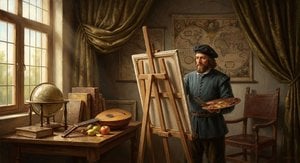
Illuminating Realism: Exploring the Dutch Golden Age of Painting (1600-1700)
Explore the Dutch Golden Age of painting (1600-1700) with ArtsDot. Discover Rembrandt, Vermeer & other masters. Learn about techniques, history & find museum-quality reproductions.

Charles Leickert: Capturing the Dutch Golden Age Light – A Comprehensive Study of Technique, Context, and Legacy
Explore the captivating winter landscapes of Charles Leickert, a master of Dutch Golden Age light & atmosphere. Discover his techniques, symbolism, and lasting legacy – a comprehensive study for art enthusiasts and collectors.