A Life Immersed in Art: The World of Abraham Bloemaert
Abraham Bloemaert, born in Gorinchem in 1564 and passing away in Utrecht in 1651, stands as a pivotal figure bridging the Mannerist and Baroque periods in Dutch painting. His long and prolific career unfolded against a backdrop of religious and political upheaval, yet he consistently produced works imbued with both dramatic intensity and subtle beauty. Bloemaert’s journey began under the tutelage of his father, Cornelis Bloemaert I, an architect who instilled in him a foundational understanding of form and composition. This early training was further refined through studies with Gerrit Splinter and Joos de Beer in Utrecht, laying the groundwork for his artistic explorations. A crucial period followed – three years spent in Paris from 1581 to 1583. There, he absorbed influences from Jehan Bassot and Maistre Herry, while also encountering the works of Hieronymus Francken, a fellow Dutch artist who broadened his stylistic horizons. This Parisian sojourn proved formative, exposing him to the refined elegance of the French School and setting the stage for his later innovations.From Mannerism to Baroque: A Shifting Aesthetic
Initially, Bloemaert’s style aligned with the prevailing Haarlem Mannerism – characterized by elongated figures, elegant poses, and often complex allegorical narratives. Artists like Hendrick Ter Brugghen and Jacob Saam practiced similar techniques during this time. However, he was not content to remain solely within this framework. As the 17th century dawned, Bloemaert began to embrace the emerging Baroque aesthetic, a shift marked by increased dynamism, emotional intensity, and a heightened sense of realism. This transition wasn’t abrupt; rather, it represented a gradual evolution, blending elements of both styles into a uniquely personal artistic language. He skillfully incorporated dramatic lighting effects, rich color palettes, and expressive gestures to convey powerful narratives and evoke profound emotions in his viewers. His paintings began to resonate with a new energy, reflecting the changing cultural landscape of the Dutch Republic. The Utrecht Caravaggisti – artists like Gerrit van Honthorst and Bartholomeus Breenbergh – were particularly influenced by Bloemaert’s embrace of Baroque principles.A Master of Diverse Subjects and Techniques
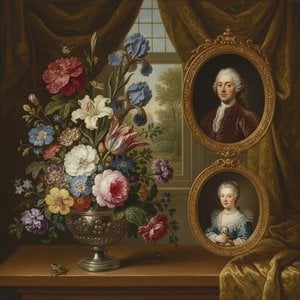
Bloemaert's artistic output was remarkably diverse. He excelled in history painting, bringing biblical stories and classical myths to life with compelling detail and emotional depth. Notable examples include “The Expulsion of Hagar and Ishmael” and “Venus and Adonis,” which demonstrate his masterful command of composition and color. Beyond painting, Bloemaert was a highly skilled printmaker, proficient in both etching and engraving. These prints served to disseminate his artistic vision more widely, contributing significantly to his reputation and influence. His technical mastery extended to still lifes and animal paintings as well, demonstrating an exceptional versatility that set him apart from many of his contemporaries. He meticulously studied the works of artists like Peter Paul Rubens and Caravaggio, adapting their techniques to suit his own distinctive style.A Prolific Teacher and Lasting Legacy
Abraham Bloemaert was not only a gifted artist but also an influential teacher. He established a thriving workshop in Utrecht, attracting numerous students who would go on to become prominent artists themselves. Remarkably, his four sons – Hendrick, Frederick, Cornelis, and Adriaan – all followed in his footsteps, achieving considerable success as painters and engravers. His influence extended beyond his immediate family, mentoring a generation of Dutch artists, including Jan Aerntsz de Hel and Nicolaes van Bercheyck. Bloemaert’s teachings helped to shape their distinctive style, solidifying his position as a central figure in the development of Dutch Baroque painting. His legacy continues to resonate today, with his works admired for their technical brilliance, emotional power, and historical significance—a testament to a life dedicated to artistic exploration and innovation.Preguntas y respuestas
¿Cuántas obras de Abraham Bloemaert hay disponibles para explorar?
Puede explorar 106 obras obras de Abraham Bloemaert en la página Todas las obras de arte.
¿Existe una lista completa de las obras de Abraham Bloemaert?
Puede explorar todas las obras de Abraham Bloemaert en este sitio web desde la página de Todas las obras de arte del artista.
¿Qué estados de ánimo expresan las obras de Abraham Bloemaert?
Puedes explorar las obras de Abraham Bloemaert por estado de ánimo en su página Rincón de emociones, donde las piezas se organizan según la emoción que transmiten.