

 Vista previa
 Compartir
 Compartir
 Ver detalles

 Descargar
 Ver similares
 Radiografía
 Presentación de diapositivas
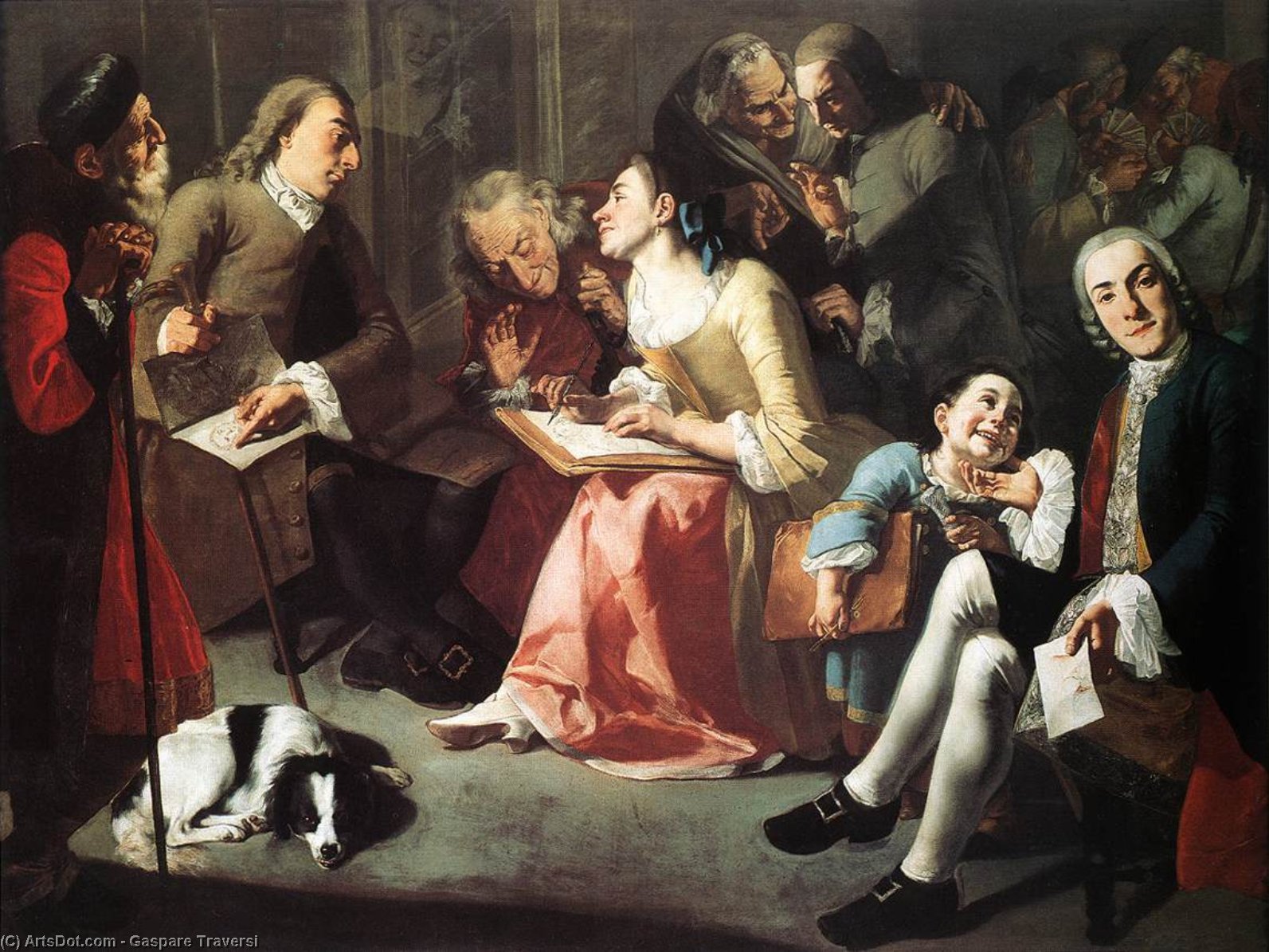
The Drawing Lesson
 Acrylic On Canvas
- WallArt
- Late-Baroque Rococo
 1750
1750 154.0 x 206.0 cm
 Museo de Arte Nelson-Atkins
 Leer más
Giclée / Impresión de arte
Impresiones giclée o en lienzo de calidad de museo con producción rápida y opciones de acabado flexibles. ( Encargar reproducción pintada a mano Comprar descarga)




P118B $10

P118H $10

P118W $10

P438Z $10

P508JH $12

P508YH $12

P805H $10

P805Z $10

P919BZ $10

P919G $10

P919XJ $10

P959ZH $10

P968JZ $12

W106C $8

W218G $10

W218JH $8

W218Y $10

W307PJ $10

W316G $10

W316PJ $8

W316Y $10

W398PJ $8

W4111J $10

W500HY $15

W500JH $15

W692G $12

W849H $8

W940BG $15

W953PJ $8




Elija entre nuestros tamaños predefinidos que respetan las proporciones originales de la obra.

Puede introducir sus propias dimensiones para adaptarse a un marco o espacio específico. Si el tamaño seleccionado no coincide con las proporciones de la imagen original, recortaremos la obra de arte o extenderemos la imagen con un borde con efecto espejo o de color sólido. Se enviará una maqueta digital para su aprobación antes de que comience la producción.
Tenga en cuenta que la vista previa en pantalla no refleja el recorte o la extensión real. Solo la maqueta mostrará con precisión la composición final.
Aunque existen tamaños personalizados, recomendamos seleccionar una dimensión de la lista predefinida para preservar las proporciones originales.
Envío a todo el mundo () en 2 semanas en lugar de las 4/5 semanas estándar. (18 agosto)

Envío exprés gratuito a todo el mundo

Lienzo de lino de alta calidad

Seguro de envío completo

Garantía de reembolso de aranceles aduaneros

Garantía de fidelidad cromática exacta

Política de devolución de 60 días (solo por defectos)

Garantía de devolución del 100% del dinero

Oferta por volumen
 La opción de vidrio solo está disponible en tamaños inferiores a 110 cm.

The Drawing Lesson
Giclée / Impresión de arte
Tamaño de la reproducción
-


Precio total
$ 62
Descripción de la pieza
The Drawing Lesson: A Window into 18th-Century Naples
Gaspare Traversi’s “The Drawing Lesson,” painted circa 1750 and currently residing within the Nelson-Atkins Museum of Art in Kansas City, is more than just a depiction of an academic setting; it's a vibrant snapshot of social life, artistic ambition, and the burgeoning bourgeois culture of Naples during the reign of Charles III. The painting immediately draws the eye with its dynamic composition – a bustling room filled not with solemn study, but with a lively exchange of ideas, gestures, and glances. At first glance, it appears to be a simple scene of instruction, yet closer observation reveals layers of social commentary and psychological depth.
Traversi masterfully employs the principles of Caravaggism, evident in his dramatic use of light and shadow, the theatrical poses of the figures, and the palpable sense of movement. The room is bathed in a warm, golden glow emanating from an unseen window, highlighting key elements while casting others into intriguing darkness. This chiaroscuro technique not only adds visual interest but also serves to emphasize the emotional intensity of the scene – the focused concentration of the young woman at the table, the watchful gaze of the older gentleman, and the subtle flirtations exchanged between several figures. The artist’s skill in rendering textures—the velvet of a gown, the sheen of polished wood, the folds of fabric—is remarkable, contributing to the painting's overall sense of realism.
A Study in Social Dynamics
The central focus of “The Drawing Lesson” is undoubtedly the young woman seated at the table, diligently sketching. Her posture and expression suggest both dedication and a touch of youthful vanity. Across from her stands an older gentleman, presumably her instructor, observing her work with a critical eye. However, the scene isn’t simply one of formal instruction; it's rife with unspoken interactions and subtle power dynamics. A second man leans in to whisper something to the woman, while another seems captivated by her drawing, his gaze lingering with an almost predatory intensity. The inclusion of a dog adds a domestic element, grounding the scene in everyday life but also hinting at the complexities of family relationships.
Traversi’s genius lies in his ability to capture these nuances of human interaction. He doesn't offer easy judgments or moral pronouncements; instead, he presents a complex tableau of social behavior, inviting viewers to interpret the motivations and intentions behind each gesture and glance. The painting subtly critiques the superficiality of aristocratic society, exposing the underlying tensions between generations and the pursuit of status and recognition.
Historical Context and Artistic Influences
To fully appreciate “The Drawing Lesson,” it’s crucial to understand its historical context. Naples in the mid-18th century was a vibrant hub of artistic activity, influenced by both Italian Baroque traditions and European developments. Traversi, trained under the esteemed Francesco Solimena, inherited a legacy of realism and dramatic storytelling but quickly developed his own distinctive style – one characterized by sharp wit, psychological insight, and a keen eye for detail. The painting reflects the social and political changes occurring in Naples during this period, as the Bourbon monarchy sought to modernize the city and promote its cultural standing.
The influence of Caravaggio is particularly evident in Traversi’s use of light and shadow, his dramatic compositions, and his focus on portraying ordinary people with a sense of immediacy. However, Traversi also drew inspiration from other artists, including Giacomo Ceruti, who similarly captured the social realities of Naples during the 18th century. The painting's subject matter—a scene of everyday life—was not entirely new, but Traversi’s masterful execution and insightful commentary elevated it to a level of artistic sophistication rarely seen in genre paintings of the time.
Symbolism and Emotional Resonance
Beyond its social commentary, “The Drawing Lesson” is rich in symbolism. The act of drawing itself represents creativity, skill, and the pursuit of knowledge. The room’s furnishings—the richly decorated walls, the ornate table, the elegant clothing—reflect the wealth and status of the individuals depicted. The dog, a symbol of loyalty and companionship, adds a touch of warmth to the scene. But perhaps the most potent symbol is the young woman herself – she embodies both youthful ambition and vulnerability, representing the hopes and aspirations of an entire generation.
Ultimately, “The Drawing Lesson” is a captivating work of art that continues to resonate with viewers today. It’s a testament to Traversi’s artistic skill, his insightful understanding of human nature, and his ability to capture the essence of a particular moment in time. Reproductions of this masterpiece offer a remarkable opportunity to bring this vibrant scene into your home, inviting you to contemplate its complexities and appreciate its enduring beauty.
Obras relacionadas


Biografía del artista
Gaspare Traversi: La Visión Dramática de un Pintor del Barroco Veneciano
Gaspare Traversi (1722-1770) se erige como una figura singular en el vibrante paisaje artístico de Nápoles durante la era del Rococó, aunque sus afinidades estilísticas se extienden mucho más allá de los confines de Campania. Nacido de padres comerciantes genoveses en Nápoles, emprendió un viaje artístico marcado por una formación meticulosa bajo Francesco Solimena—un encuentro decisivo que consolidó su adhesión a los principios caravaggistas—y fomentó colaboraciones con otros alumnos de Solimena, como Giuseppe Bonito y Francesco de Mura. Activo principalmente entre 1732 y 1769, la obra de Traversi trasciende las fronteras regionales, abarcando encargos en Parma y estableciéndolo como un contemporáneo de luminarias como Giovanni Lorenzo Berti.- Formación temprana e influencia de Solimena: Los años formativos de Traversi transcurrieron perfeccionando su oficio bajo la tutela de Francesco Solimena, posiblemente el pintor barroco más celebrado de Nápoles. Esta mentoría inculcó en él la técnica del dramático claroscuro característica de Caravaggio, una piedra angular estilística que impregnaría sus obras posteriores.
- Pintura de género y estilo veneciano: Traversi se distinguió como pintor de género, capturando escenas de la vida cotidiana con una notable profundidad psicológica y un aire teatral. Sus lienzos representan frecuentemente animadas reuniones burguesas, imbuidas de una inquietante sensación de claustrofobia y puntuadas por expresiones faciales elocuentes, un sello estilístico que recuerda a los retratos satíricos de Hogarth.
- Iconografía religiosa y drama caravaggista: A pesar de su adhesión a las influencias del Barroco veneciano, las pinturas religiosas de Traversi conservan una inmediatez visceral similar a las obras maestras de Caravaggio. Emplea con destreza el tenebrismo—el dramático juego de luces y sombras—para intensificar el impacto emocional y transmitir una profunda contemplación espiritual.
- Encargos notables y colaboraciones: Traversi obtuvo prestigiosos encargos por toda Italia, notablemente en Parma, donde colaboró con Giovanni Lorenzo Berti en un retrato monumental que representa a Santa Margarita de Cortona. Este esfuerzo colaborativo ejemplifica el compromiso de Traversi con la exploración de narrativas complejas y la transmisión de lecciones morales a través de la narrativa visual.
La Visión Dramática de un Pintor del Barroco Veneciano
La sensibilidad artística de Traversi se alinea estrechamente con la tradición del Barroco veneciano, algo particularmente evidente en su meticulosa atención al detalle y su magistral manipulación de la luz y la sombra, técnicas perfeccionadas por artistas como Pietro Pellegrino Paladino y Giovanni Battista Tiepolo. Sus lienzos pulsan con dinamismo, reflejando la grandeza teatral favorecida por los pintores venecianos durante su edad de oro. La influencia de Caravaggio es innegable, manifestándose en la predilección de Traversi por las composiciones dramáticas y su retrato inquebrantable de la emoción humana.- Técnica caravaggista: El uso del tenebrismo por parte de Traversi—el marcado contraste entre la luz y la oscuridad—es un homenaje deliberado al enfoque revolucionario de Caravaggio hacia la pintura, priorizando la intensidad emocional sobre la belleza idealizada.
- Profundidad psicológica y composición dramática: Al igual que Caravaggio, Traversi profundiza en las complejidades psicológicas de sus sujetos, capturando expresiones fugaces de emoción con una precisión asombrosa. Sus lienzos se caracterizan por composiciones dinámicas que impulsan la narrativa y cautivan la mirada del espectador.
Observaciones Satíricas y Relatos Moralistas
Las pinturas de género de Traversi trascienden la mera representación; sirven como astutos comentarios sociales, exponiendo las locuras y pretensiones de la élite aristocrática con un ingenio mordaz y una honestidad sin concesiones. Sus lienzos retratan frecuentemente grupos animados de protagonistas burgueses hacinados en espacios confinados, un recurso estilístico que subraya las presiones psicológicas inherentes a las jerarquías sociales. Las obras de Traversi resuenan con relatos moralistas—muy similares a "La doncella adivina" de Caravaggio—ofreciendo a los espectadores un vistazo a las ansiedades y contradicciones de su época.- Crítica social: Los retratos satíricos de Traversi exponen la hipocresía y la vanidad dentro de los altos escalafones de la sociedad, reflejando las corrientes intelectuales más amplias de la Ilustración.
- Narrativa moralista: Sus lienzos transmiten lecciones morales a través de narrativas dramáticas—una característica estilística compartida con Caravaggio—desafiando a los espectadores a confrontar verdades incómodas sobre el comportamiento humano.
Legado e Influencia
A pesar de no haber tenido discípulos directos, Gaspare Traversi ejerció una influencia considerable en las generaciones posteriores de artistas napolitanos, notablemente en Lorenzo de Caro y Giuseppe Bonito. Su estilo distintivo—caracterizado por el dramático claroscuro, la profundidad psicológica y las narrativas moralistas—continúa inspirando admiración y debate académico. La monografía de Robert Longhi consolidó la reputación de Traversi como una figura fundamental en el arte del Barroco veneciano, asegurando su legado perdurable en los anales de la historia de la pintura italiana.
Gaspare Traversi
1722 - 1770 , Italia
Datos clave
- Artistic Movement Or Style: Rococo
- Artists Or Movements Influenced By This Artist: ['Hogarth']
- Artists Who Influenced This Artist: ['Francesco Solimena']
- Date Of Birth: Naples, Italy (1722)
- Date Of Death: 1 November 1770
- Full Name: Gaspare Traversi
- Nationality: Italian
- Notable Artworks:
- Saint Margaret of Cortona
- Job Derided
- Place Of Birth: Naples
Artículos relacionados

Barroco Sublime: 10 Obras Maestras que Definieron una Época |
Descubre las 10 obras maestras del Barroco que marcaron una época. Caravaggio, Bernini y Velázquez cobran vida en . Reproducciones de arte de calidad museo para decorar tu hogar con elegancia. ¡Explora la colección online!

Drama Barroca: Llevando la Grandeza y la Emoción a los Interiores Contemporáneos
Descubre cómo el drama y la grandeza del arte barroco pueden transformar tus interiores. Guía experta, inspiración y reproducciones de alta calidad en .

The Visceral Stage: Exploring Dramatic Narratives & Emotional Intensity in Baroque Art
Explore the dramatic world of Baroque art! Discover iconic masters like Caravaggio & Rembrandt, their techniques, and the movement's lasting impact. Expert insights for collectors & enthusiasts at ArtsDot.

The Dramatic Flourish: Exploring the Baroque Movement's Enduring Legacy in Art History
Explore the dramatic world of Baroque art! Discover iconic artists like Caravaggio & Rubens, defining techniques, and its lasting impact on art history. Expert insights for collectors & enthusiasts at ArtsDot.

Simon Vouet: A Baroque Master's Journey from Italian Influence to French Classicism
Explore the life & art of Simon Vouet, a pivotal French Baroque painter who introduced Italian styles to France. Discover his masterpieces and lasting influence on 17th-century art.

